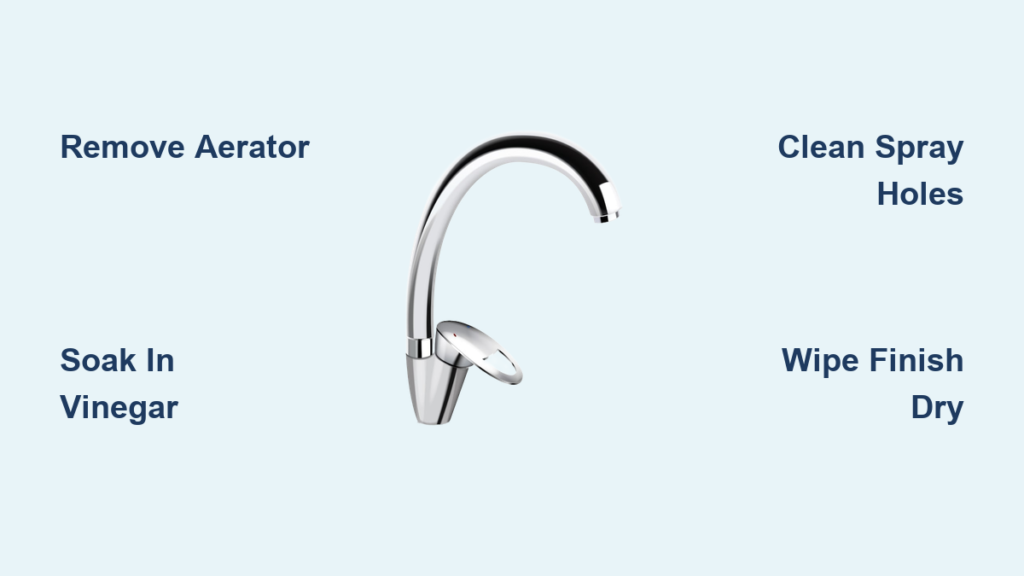
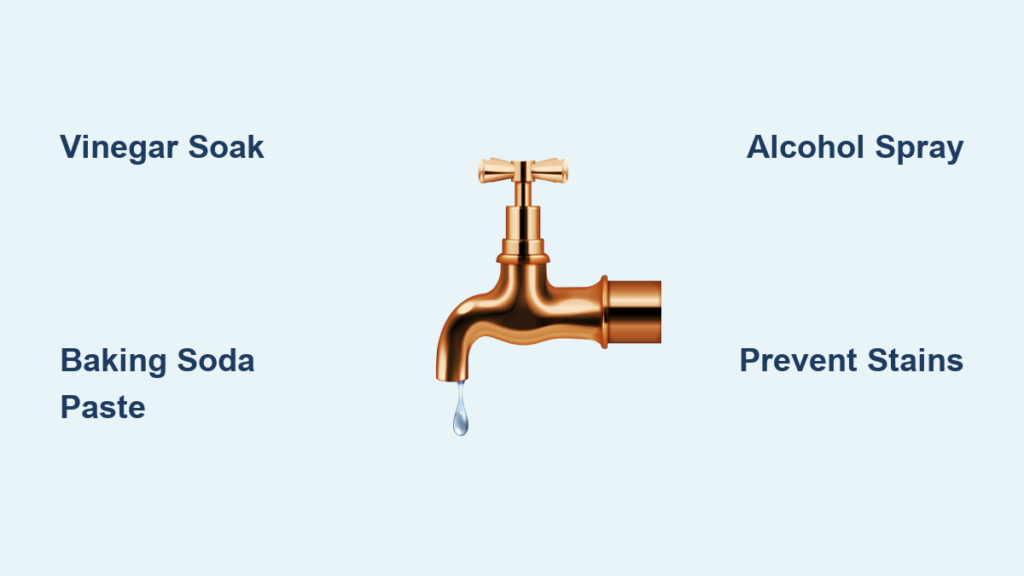
Water stains on faucets are a common household annoyance, especially in areas with hard water. These unsightly marks, often appearing as white, chalky, or cloudy residue, are mineral deposits left behind when water evaporates. Over time, calcium and magnesium build up, dulling your faucet finish and making it look perpetually unclean. The good news: with the right method, you can remove water stains from faucet surfaces quickly and safely using items already in your home. This guide reveals proven techniques tailored to your faucet finish, so you can restore sparkle without causing damage.
Identify the Stain Type Before Cleaning
Before reaching for cleaning supplies, confirm you’re dealing with hard water stains. These differ from rust, mold, or soap scum and require specific treatment to avoid damaging your faucet.
What Are Hard Water Stains?
Hard water stains form when minerals in tap water, mainly calcium and magnesium, dry on metal surfaces. They appear as white or milky film, chalky residue around the spout or handles, and a dull, hazy coating on chrome or stainless steel. Unlike soap scum, which feels slippery, hard water buildup is gritty and clings tightly to surfaces. If left untreated, it can etch into finishes, especially on glass or softer metals.
Quick test: Dab a cotton ball in white vinegar and press it on the stain for 5 minutes. If the mark dissolves, it’s limescale.
Use White Vinegar for Fast Results

Vinegar is the go-to solution for removing water stains from faucet surfaces. Its mild acidity breaks down mineral deposits safely and effectively without harming most finishes.
Soak with Vinegar-Soaked Cloth
- Soak a soft cloth or paper towel in white vinegar.
- Wrap it around the stained area completely.
- Secure with a rubber band or string.
- Let sit 15 to 30 minutes for light stains, or up to 2 hours for heavy buildup.
- Wipe clean, then rinse with warm water.
- Dry with a microfiber cloth to prevent new spots from forming.
Pro tip: For full spout coverage, use a zip-lock bag filled with vinegar, secured with a rubber band around the affected area.
Clean Internal Spout Buildup
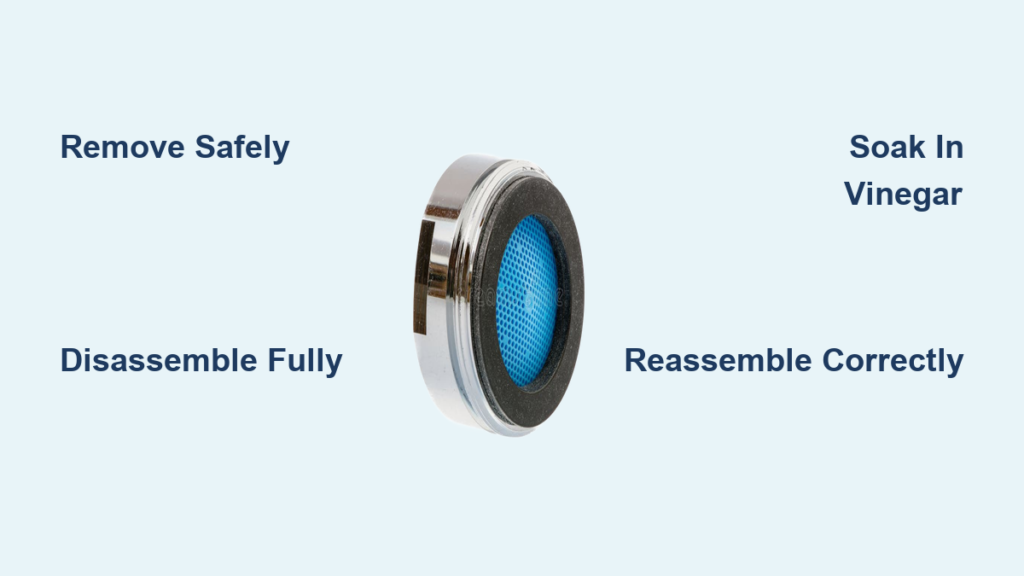
Mineral deposits often clog aerators or form inside the spout where you cannot see them. To clean these hidden areas, fill a bag with vinegar, submerge the spout tip in the solution, and secure the bag. Let it soak for 30 to 60 minutes, then run water through the faucet to flush out loosened debris.
Tackle Tough Buildup with Baking Soda Paste
When vinegar alone isn’t enough, combine it with baking soda for a powerful, non-toxic scrub that lifts stubborn deposits without scratching.
Make and Apply the Paste
- Mix 1 part baking soda with 2 parts white vinegar in a bowl.
- Wait for the fizzing to settle into a thick paste.
- Apply directly to stubborn stains.
- Let sit for 30 minutes to allow deep penetration.
- Gently scrub with a soft toothbrush or non-abrasive sponge.
- Rinse thoroughly and dry with a microfiber cloth.
For overnight treatment: Pack the paste into a zip-lock bag, seal it around the faucet, and leave it overnight for maximum effectiveness on crusty deposits.
Why Baking Soda and Vinegar Work Together
Baking soda provides gentle abrasion to scrub away residue, while vinegar dissolves the minerals chemically. Together, they lift crusty deposits without scratching chrome, stainless steel, or other durable finishes.
Boost Cleaning Power with Alcohol Solution

For faster, deeper cleaning, especially where grease traps minerals, add isopropyl alcohol to your vinegar mix. This combination works better than vinegar alone on handles and aerator areas.
Use Vinegar and Alcohol Spray
- Mix equal parts white vinegar and 70% isopropyl alcohol in a bowl.
- Soak a microfiber cloth in the solution until saturated.
- Wrap the cloth around the faucet for 15 minutes.
- Wipe away residue with the cloth.
- Use a coin edge to gently scrape off any remaining scale.
Best for: Crevices, handles, and aerator areas where grime accumulates quickly. Alcohol cuts through oily film, helping vinegar penetrate limescale more efficiently.
Brighten Discolored Areas with Peroxide Paste
If water stains have caused yellowing or dullness, especially on light-colored fixtures, use hydrogen peroxide to restore brightness and maintain appearance.
Apply Peroxide and Baking Soda
- Mix 3% hydrogen peroxide with baking soda into a thick paste.
- Spread on stained areas carefully.
- Wait 15 to 30 minutes for the solution to work.
- Scrub lightly with a soft brush and rinse thoroughly.
- Dry with a lint-free microfiber cloth.
Note: This method won’t dissolve heavy limescale but helps refresh appearance and disinfect the surface effectively.
Use Commercial Removers for Severe Cases
For chronic buildup or etched-on stains that DIY methods cannot remove, over-the-counter products deliver stronger results. These commercial removers contain stronger acids that break down mineral bonds more aggressively.
Choose the Right Product
- CLR (Calcium, Lime & Rust Remover): Dilute 1 part CLR with 8 parts water. Apply, wait 10 to 15 minutes, then rinse thoroughly.
- Bar Keepers Friend: Use the liquid version on chrome or stainless steel. Avoid on delicate finishes.
- Lime-A-Way or Viakal: Follow label instructions for spray-on application carefully.
Safety Tips for Commercial Products
Wear gloves and ventilate the area when using commercial removers. Never exceed the recommended dwell time, and rinse thoroughly to prevent finish damage. Avoid these products on brass, oil-rubbed bronze, or matte black finishes unless the label specifically states they are safe.
Match Method to Faucet Finish
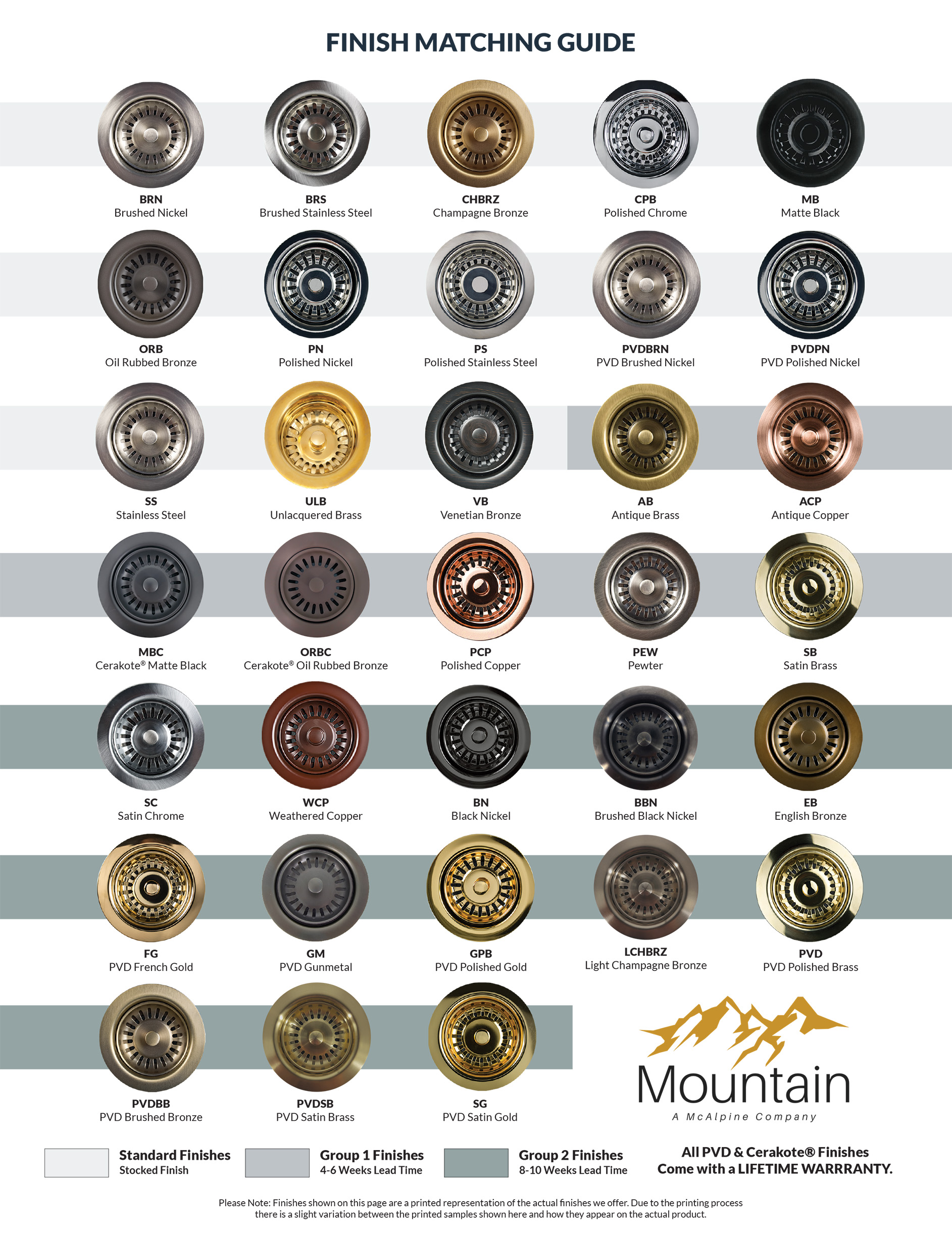
Using the wrong cleaner can ruin your faucet finish permanently. Always tailor your approach to the specific material.
Chrome and Stainless Steel
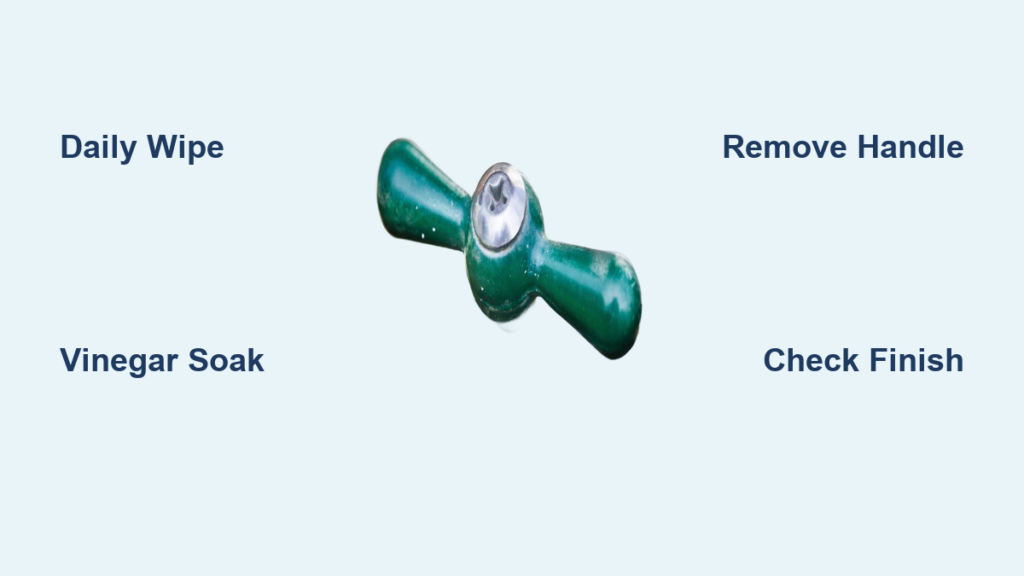
Best methods include vinegar soak, baking soda paste, and diluted CLR. Avoid steel wool, abrasive pads, and harsh scouring powders that scratch the surface.
Brushed Nickel
Safe options include mild soap, diluted vinegar (1:1 with water), and short contact time. Avoid full-strength vinegar and prolonged soaking, which can cause tarnishing.
Brass
Recommended cleaning involves lemon juice mixed with baking soda or brass-specific polish. Avoid harsh acids unless the surface is sealed with a protective coating.
Oil-Rubbed Bronze
Clean with a damp microfiber cloth and manufacturer-approved cleaner only. Never use vinegar, alcohol, or abrasives, as they strip the protective coating.
Matte Black
Only use water and mild detergent for cleaning. Never scrub with harsh chemicals or pads, as they cause irreversible damage to the matte finish.
Golden rule: Test any solution on a hidden spot first before applying to visible areas.
Prevent Stains with Simple Daily Habits
The best way to keep faucets stain-free is to stop deposits before they form. Prevention requires only a few seconds of effort each day.
Wipe After Every Use
Keep a dry microfiber cloth near the sink. Wipe down the faucet after handwashing or dish use to remove water before minerals can stick to the surface. This simple habit prevents 90% of buildup.
Weekly Vinegar Spray
- Fill a spray bottle with 50% white vinegar and 50% water.
- Mist the faucet weekly to dissolve any mineral deposits.
- Wipe dry immediately after spraying.
This routine prevents buildup and maintains the shine between deep cleanings.
Install Long-Term Prevention Systems
For homes with persistent hard water, consider permanent solutions that address the problem at its source.
Use a Water Softener
A water softener removes calcium and magnesium ions through ion exchange, reducing limescale on all plumbing fixtures. Modern models use less salt and water than traditional units while providing comprehensive protection throughout the home.
Apply Water-Repellent Coatings
Use Rain-X or faucet sealants designed for metal surfaces. These products create a slick barrier that resists mineral adhesion. Reapply monthly for best results.
Gather the Right Tools and Supplies
Having the correct materials ensures safe, effective cleaning without causing damage.
- White vinegar to dissolve limescale naturally
- Baking soda for mild abrasive scrubbing
- Isopropyl alcohol to break down grease and boost penetration
- Hydrogen peroxide to brighten discolored areas
- Microfiber cloth for safe wiping and polishing
- Soft toothbrush to reach crevices without scratching
- Zip-lock bag for hands-free soaking
- Rubber band to hold cleaning cloths in place
- Small coin to gently scrape off stubborn residue
Avoid: Steel wool, bleach, scouring pads, and chlorine-based cleaners that damage finishes.
Follow Key Safety Practices
Protect yourself and your fixtures during the cleaning process by following these essential safety guidelines.
Ventilate the Area
Open windows or run the bathroom fan when using vinegar or commercial products to avoid respiratory irritation from fumes.
Wear Gloves
Rubber gloves shield your skin from acidity and chemicals, especially during extended soaking sessions.
Never Mix Cleaners
Vinegar mixed with hydrogen peroxide creates peracetic acid, which is irritating. Vinegar mixed with bleach creates toxic chlorine gas. Always use one solution at a time and rinse thoroughly between applications.
Read Manufacturer Guidelines
Some finishes void warranties if cleaned improperly. Check the care instructions before applying any cleaning method to your faucet.
Know When to Call a Professional
DIY methods work for most stains, but some situations require professional intervention.
Signs You Need Professional Help
Stains remain after multiple treatment attempts, the surface feels pitted or etched, the finish is peeling, corroding, or discolored, or low water pressure suggests internal limescale buildup. A plumber can descale internal pipes or recommend refinishing options for severely damaged fixtures.
Key Takeaways for Removing Water Stains from Faucets
Removing water stains from faucet surfaces doesn’t require expensive tools. It requires the right technique and consistency to achieve lasting results. Vinegar remains the top choice for most finishes, especially when combined with baking soda or alcohol for tougher jobs. Always match your cleaning method to the faucet material, use gentle tools, and prioritize prevention through daily wiping and weekly maintenance.
Remember these essential points:
- Act early by cleaning stains before they harden into permanent deposits.
- Be patient and allow solutions to sit for full effectiveness.
- Dry the faucet after every use to prevent 90% of future buildup.
- Consider upgrading water quality with a softener for long-term relief.
With these strategies, your faucets will stay shiny, spotless, and streak-free with minimal ongoing effort.
Frequently Asked Questions About Removing Water Stains from Faucets
Can I use vinegar on all faucet finishes?
Vinegar is safe for chrome, stainless steel, and porcelain but should be diluted for brushed nickel, brass, and oil-rubbed bronze. Always test on a hidden area first.
How long does it take to remove hard water stains?
Light stains may disappear in 15 to 30 minutes with vinegar. Heavy buildup requires 1 to 2 hours of soaking or overnight treatment with paste.
Does baking soda scratch faucet finishes?
No, baking soda is a mild abrasive that won’t scratch chrome or stainless steel when used with a soft sponge or toothbrush.
Can I prevent water stains from coming back?
Yes, wipe your faucet dry after every use and spray with diluted vinegar weekly. Installing a water softener provides long-term prevention.
When should I use commercial cleaners instead of DIY methods?
Use commercial products like CLR when DIY methods fail to remove chronic or severe buildup that has etched into the surface.