Rust on your faucet isn’t just an eyesore, it’s a warning sign. That reddish-brown discoloration around the base, handle, or spout means metal is corroding, often due to trapped moisture, hard water, or poor-quality materials. Left unchecked, rust can spread beneath the surface, weaken components, and even indicate deeper plumbing issues like iron-rich water or failing pipes. The good news? Most surface rust is removable with common household items or affordable cleaners. Whether you’re dealing with a light stain or stubborn corrosion, this guide gives you step-by-step methods proven to work without damaging your faucet finish.
You’ll learn how to safely dissolve rust using natural acids, powerful commercial removers, and mechanical techniques tailored to your faucet type. We also cover how to prevent rust from coming back by addressing root causes like leaks, humidity, and water quality. No more guessing what works, just clear, actionable steps backed by real user and professional insights.
Identify the Rust Type Before Cleaning
Before reaching for cleaners, confirm you’re dealing with actual rust. Misdiagnosis leads to wasted effort and can make stains worse.
True Rust vs. Other Discolorations
True rust appears reddish-brown, flaky, and sticks to metal surfaces where water pools like under handles or around the base. It forms when iron in metal oxidizes due to moisture. If the stain resists wiping and returns slowly, it is likely rust.
A pink film or slime, however, is usually Serratia marcescens, a harmless but persistent bacteria that thrives in damp areas. It wipes away easily but reappears quickly. This is not rust and will not respond to rust removers. Use a disinfectant like diluted bleach or hydrogen peroxide instead.
Iron Bacteria in Your Water Supply
If your water runs brown or leaves slimy red deposits, iron bacteria may be the culprit. These microbes feed on iron in water and create rust-colored slime. They do not harm plumbing directly but can clog aerators and promote real rust. Addressing water quality becomes essential when bacteria are present.
Test Your Faucet Finish Before Applying Cleaners

Not all cleaning methods work on every finish. Scratching or etching can worsen corrosion and damage the appearance permanently.
Safe Methods for Different Finishes
Chrome is durable but can be damaged by prolonged acid exposure. Brushed nickel is scratch-prone and sensitive to vinegar or lemon juice. Brass and bronze often have a protective lacquer that acids can strip.
Always test any cleaner on a hidden spot like the underside of the handle before full application. Apply a small amount, wait five minutes, then rinse. If the finish looks dull or etched, avoid that method.
Stainless Steel and Porcelain Considerations
Stainless steel resists rust but can develop surface corrosion in high-iron water environments. Porcelain around the faucet base tolerates mild abrasives like pumice stones but can chip if scrubbed too hard. Test gently on porcelain first.
Dissolve Light Rust with White Vinegar
White vinegar is a go-to solution for mild rust thanks to its acetic acid content. It works effectively without harsh chemicals.
Soak a Cloth in Vinegar
Soak a microfiber cloth or paper towel in distilled white vinegar. Wrap it around the rusty area, especially under handles or at the base. Secure with a rubber band if needed. Let it sit for 30 to 60 minutes. Do not exceed 15 minutes on chrome finishes to avoid dulling the shine.
Scrub and Rinse Thoroughly
After soaking, gently scrub with a soft-bristled toothbrush. Focus on crevices where rust hides. Rinse thoroughly with water and dry completely. Repeat if needed, but never leave vinegar on overnight.
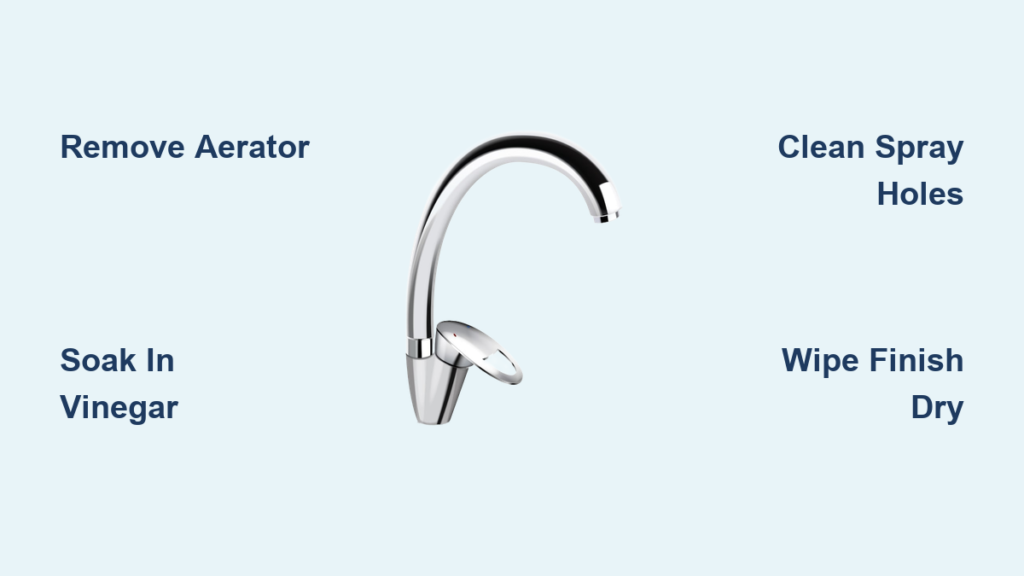
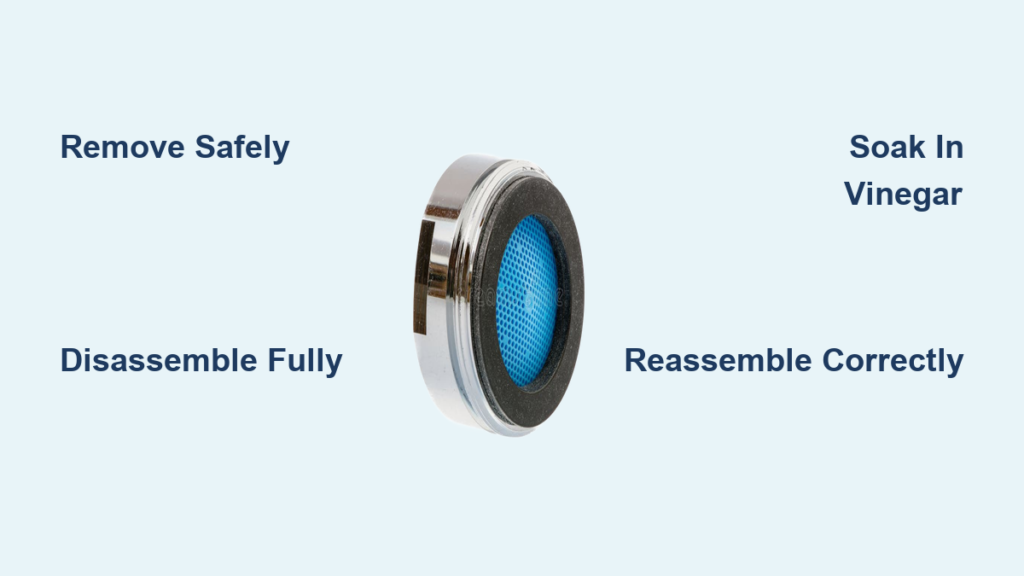
Pro Tip: For faucet aerators or removable parts, remove them and soak in a vinegar-filled plastic bag for one hour. Reinstall after rinsing thoroughly.
Lift Rust with Baking Soda Paste
Baking soda lifts rust without scratching most finishes. It provides gentle abrasion while being safe for chrome, stainless steel, and porcelain.
Make a Thick Paste
Mix two parts baking soda with one part water to form a spreadable paste. For tougher stains, use lemon juice instead of water to boost acidity and effectiveness.
Apply and Let It Sit
Spread the paste over rust spots. Let it sit overnight for maximum penetration. In the morning, scrub with a damp toothbrush using circular motions. Rinse well and dry completely.
Expert Note: This method works best on flat surfaces. For curved spouts, reapply paste as it dries to maintain contact with the rust.
Break Down Tough Stains with Lemon and Salt
Lemon’s citric acid breaks down iron oxide while salt adds mild abrasion for stubborn rust that paste cannot lift.
Create a Wet Scrub Mixture
Mix lemon juice, fresh or bottled, with table salt to form a gritty paste. Apply to the rusted area. Let it sit for two to three hours to allow the acid to penetrate and dissolve the corrosion.
Scrub and Wipe Clean
Use a non-scratch sponge or toothbrush to scrub. The salt helps lift rust particles without damaging chrome. Rinse thoroughly and dry completely. Avoid using this method on brushed nickel or lacquered brass finishes.
Warning: Do not mix lemon juice with vinegar on sensitive finishes. This increases acidity significantly and risks damaging the protective coating.
Apply WD-40 to Loosen and Protect
WD-40 is a favorite among homeowners and plumbers for rust removal and prevention. It penetrates corrosion while leaving a protective oil layer behind.
Spray and Wait
Apply WD-40 Multi-Use Product generously to the rusted area. Let it penetrate for 10 minutes. The solvent breaks down rust while the oil lubricates the surface and prevents future corrosion.
Wipe and Buff Clean
Wipe away residue with a clean rag. For stubborn spots, gently scrub with a soft brush before wiping. No rinsing is needed. A light oil film remains, protecting against future moisture and rust formation.
Pro Advantage: Use WD-40 Specialist Rust Remover Soak for heavy rust. It dissolves corrosion without scrubbing, making it ideal for hidden areas under handles or around mounting points.
Use Oxalic Acid for Stubborn Rust
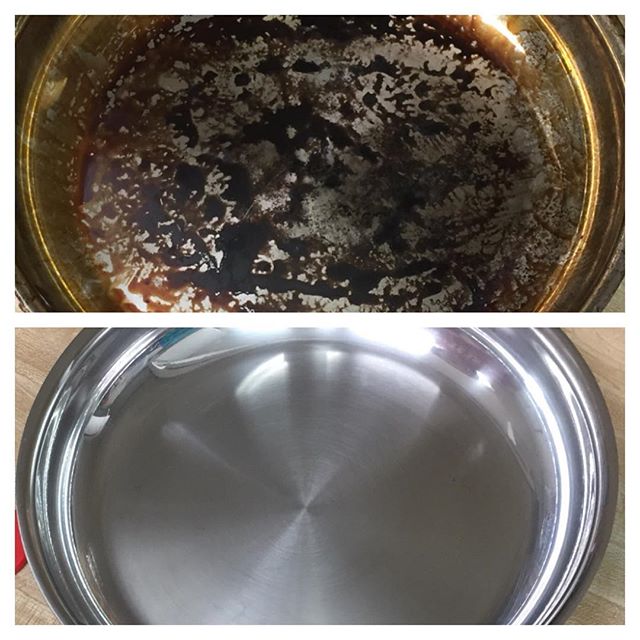
For rust that will not budge with milder methods, oxalic acid-based products are the gold standard. They chemically react with rust to dissolve it safely.
Choose the Right Product
Bar Keepers Friend, CLR Calcium Lime and Rust Remover, or Whink Rust Stain Remover contain oxalic acid. These products work safely on chrome, porcelain, and stainless steel finishes.
Apply and Rinse Thoroughly
Sprinkle powder or apply liquid directly to the stain. Let it sit for three to five minutes. Scrub gently with a soft cloth. Rinse immediately and dry completely. Never mix oxalic acid products with bleach.
Safety First: Wear gloves and eye protection when using oxalic acid cleaners. Use in a well-ventilated area. The acid is toxic if ingested, so keep away from children and pets.
Avoid These Common Cleaning Mistakes
Using the wrong method can make rust worse or permanently damage your faucet. Learn what to avoid before starting.
Never Use Bleach on Rust
Bleach reacts with iron to form ferric oxide, a black compound that stains permanently. Even diluted bleach can darken rust, making it significantly harder to remove. Save bleach for mold or bacteria problems, not metal stains.
Skip Steel Wool on Chrome and Porcelain
Steel wool, even fine grades, scratches chrome and exposes underlying metal to more rust. Use it only on stainless steel or uncoated metal. For chrome, stick to soft brushes or microfiber cloths.
Check Manufacturer Guidelines
Some faucets prohibit plumber’s putty under the base. It can stain porcelain or void warranties. Check your model manual before sealing or reassembling after cleaning.
Clean Hidden Areas Under Handles and Base
Rust often forms where moisture collects out of sight. These areas require disassembly to access and clean properly.
Remove Faucet Handles Safely
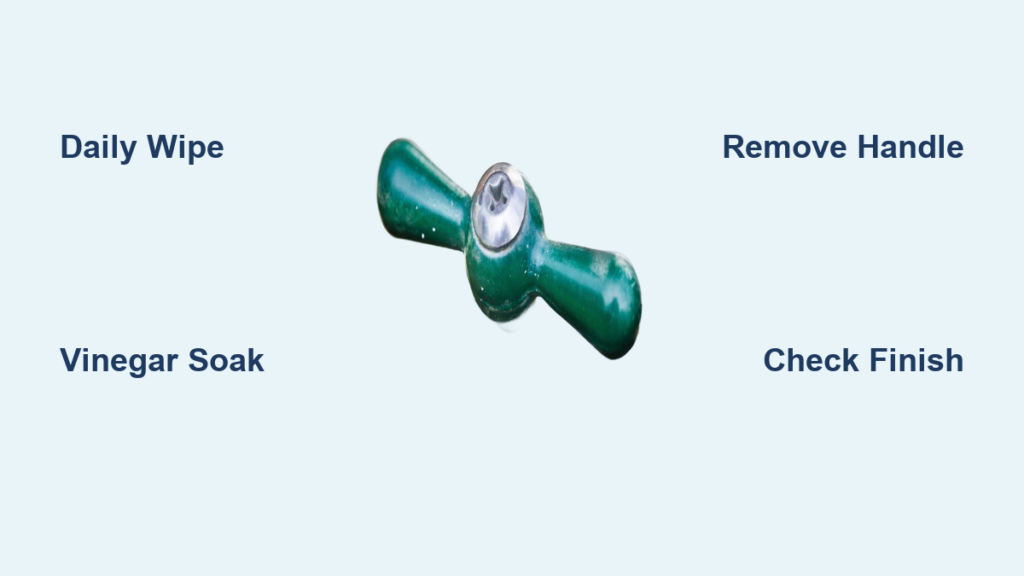
Turn off the water supply. Use a screwdriver or Allen wrench to remove handle screws. Gently pry off the handle. Inspect for rust on internal nuts, screws, or cartridges.
Replace Corroded Hardware
If internal screws or nuts are rusted, replace them with stainless steel versions. Plain steel parts corrode easily even without visible leaks. Re-seal the base if needed using 100 percent silicone sealant.
Visual Cue: Look for brown residue or flaking metal under the handle. That is rust in action and indicates you need to address internal components.
Prevent Rust from Returning
Removing rust is only half the battle. Stopping it from coming back requires consistent maintenance and addressing root causes.
Wipe Faucet Dry After Each Use
After each use, wipe the faucet with a dry microfiber cloth. This simple habit prevents water from sitting and forming rust. Focus on the base and handle joints where moisture collects.
Apply Protective Wax Monthly
Use automotive wax or clear sealant around the faucet base. It creates a moisture barrier that repels water. Apply a thin layer, buff lightly, and reapply every four to six weeks for best protection.
Fix Leaks Immediately
Even a slow drip introduces moisture under the faucet. Check supply lines, connections, and cartridges regularly. Replace worn washers or O-rings promptly to stop moisture from reaching internal components.
Address Water Quality Issues
If rust keeps returning despite cleaning, the problem may be your water supply rather than the faucet itself.
Test for Iron Content
Use a home water test kit or contact your utility provider. If iron exceeds 0.3 mg per liter, it will cause rust stains on fixtures. Consider installing an iron filter like the SpringWell IR-1000 for whole-house protection.
Install a Water Softener
Hard water traps moisture and accelerates corrosion. A softener removes calcium and magnesium, reducing mineral buildup that traps water against metal surfaces. Models like Fleck 5600 or Pelican NaturSoft are effective for homes with hard water.
Sign of Systemic Problems: Brown water from hot taps may mean your water heater is rusting inside. Flush it annually or replace if over 10 years old.
When to Replace the Faucet
Some rust damage is beyond repair. Knowing when to replace saves money compared to repeated repairs.
Signs Replacement Is Necessary
If the finish is peeling, the spout is pitted with deep corrosion, or rust keeps returning despite thorough cleaning, replacement is the best option. Look for faucets made of solid brass or stainless steel with lifetime finish warranties.
Choose Rust-Resistant Models
Opt for stainless steel faucets. They are highly resistant to corrosion. Avoid cheap models with thin plating or internal steel parts. Read reviews focusing on long-term durability before purchasing.
Cost-Saving Tip: Replacing a faucet is often cheaper than repeated repairs and potential water damage from leaks.
Recommended Products and Tools
Use the right products for safe, effective rust removal without damaging finishes.
Top Rust Removers
Bar Keepers Friend works best on chrome and porcelain. CLR Calcium Lime and Rust Remover works fast on moderate stains. WD-40 Specialist Rust Remover Soak is ideal for deep, hidden rust. Whink Rust Stain Remover is gentle on bathroom fixtures.
Prevention Supplies
Meguiar’s Car Wax protects metal surfaces from moisture. 100 percent silicone sealant seals base edges without staining. Pumice stones are safe for porcelain but not fiberglass. Microfiber cloths work well for drying and buffing.
Frequently Asked Questions About Removing Rust from Faucets
Can I use vinegar on my chrome faucet?
Yes, but limit exposure to 15 minutes maximum. Prolonged vinegar contact can dull chrome finishes. Rinse thoroughly and dry immediately after scrubbing.
Does WD-40 damage faucet finishes?
No, WD-40 is safe for chrome, painted surfaces, and most finishes. It actually protects by leaving a light oil layer that repels moisture. No rinsing is required after application.
Why does rust keep coming back under my faucet handle?
Rust under handles usually comes from internal steel components corroding. Even without visible leaks, condensation or micro-leaks from faulty cartridges allow moisture to reach screws and nuts. Replace steel hardware with stainless steel versions.
Should I use bleach to remove rust stains?
Never use bleach on rust. It chemically reacts with iron to form permanent black stains that are much harder to remove. Use oxalic acid-based cleaners like Bar Keepers Friend instead.
How do I know if my water has high iron?
Brown or red-orange water, especially from hot taps, indicates high iron. Rust stains appearing quickly after cleaning also suggest iron-rich water. Test your water with a kit or contact your utility provider for results.
Can I prevent rust on my faucet permanently?
You cannot achieve permanent prevention, but regular maintenance dramatically reduces recurrence. Wipe the faucet dry after each use, apply protective wax monthly, fix leaks immediately, and address water quality issues with a softener or iron filter.
Key Takeaways for Removing Rust from Faucets
Removing rust from faucets requires identifying the type of stain first. True rust responds to acids like vinegar, lemon juice, and oxalic acid-based cleaners. Pink slime is bacteria that needs disinfectant treatment instead.
For light rust, vinegar soaks and baking soda paste work well. For stubborn stains, WD-40 or Bar Keepers Friend provide stronger action. Always test cleaners on hidden areas first and avoid bleach, steel wool on chrome, and prolonged acid exposure.
Prevention matters most for long-term results. Wipe faucets dry after use, apply protective wax monthly, fix leaks promptly, and address water quality issues with softeners or iron filters. If rust keeps returning or the faucet is severely damaged, replacement with a quality stainless steel model is the smartest investment.