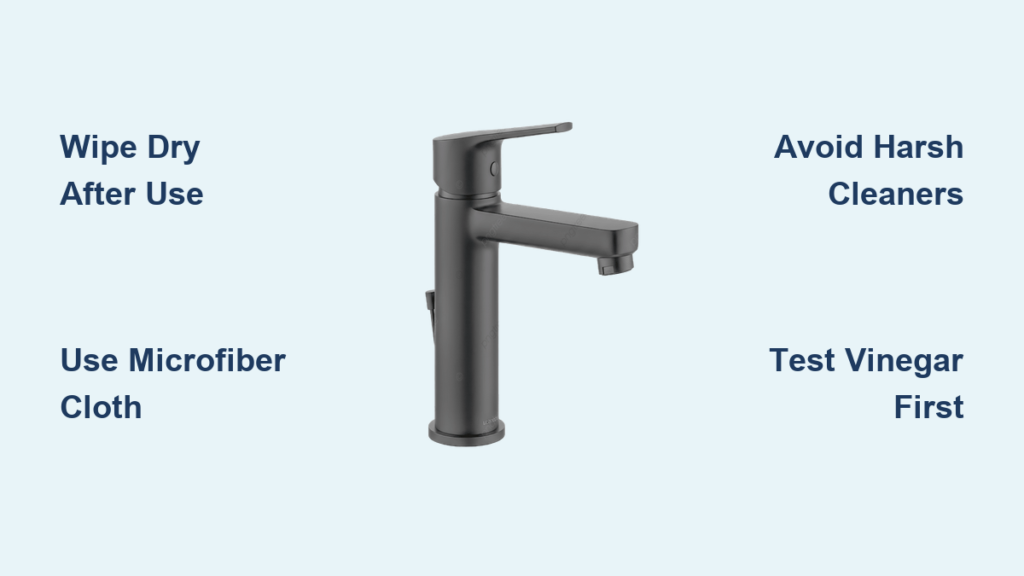
A matte black faucet brings sleek, modern elegance to any bathroom or kitchen. But its stunning appearance comes with a catch: it demands careful, consistent maintenance. Unlike polished finishes, matte black surfaces show water spots and mineral buildup clearly, while being highly sensitive to scratches and chemical damage. The good news? With the right techniques, you can keep your faucet looking flawless for years. This guide reveals exactly how to clean and protect your matte black faucet using only safe, effective methods backed by manufacturer guidelines and real-world experience.
Choose Safe Cleaning Supplies First

Selecting the right tools and cleaners is the foundation of preserving your faucet’s finish. Even mild products can cause harm if they contain abrasives or harsh chemicals.
Pick Gentle Cleaning Agents
Stick to pH-neutral solutions that will not erode the coating. Mild dish soap like original Dawn mixed with distilled water works perfectly for routine cleaning. For tougher buildup, a diluted white vinegar solution can dissolve hard water stains, but use it sparingly and never undiluted. Some brands permit this mix when enhanced with a drop of dish soap. Always check your manufacturer is instructions before applying vinegar. Consider pH-balanced cleaners specifically formulated for dark or matte finishes to minimize risk while maximizing cleaning power.
Select Proper Cleaning Tools
Your cleaning cloth matters more than you think. Soft microfiber cloths are the gold standard: non-abrasive, lint-free, and highly effective at lifting grime without scratching. Keep at least two on hand. Use one damp for cleaning and one dry for buffing. Avoid paper towels, cotton rags, or sponges with scrubby layers, as they can micro-scratch the surface over time. A non-abrasive synthetic sponge may be used gently on flat areas, but never on textured zones or crevices. For stubborn spots, a Magic Eraser works wonders when dampened and used with light pressure.
Wipe Dry After Every Use
Prevention beats correction when it comes to matte black finishes. Daily maintenance stops mineral deposits before they set in and ruins the appearance.
Remove Water Immediately
Water left to evaporate leaves behind calcium and magnesium, visible as chalky white spots on dark surfaces. Wipe your faucet dry after each use with a clean microfiber cloth. Focus on high-moisture zones: the spout tip, handle joints, and base where water pools. Kingston Brass and other manufacturers emphasize this habit as essential for long-term care. It takes seconds but drastically reduces the need for deep cleaning later.
Tackle Fingerprints and Light Residue
Though matte black hides fingerprints better than chrome, oils from skin can accumulate over time. A quick daily wipe removes these traces and maintains the uniform velvety texture. Use a dry or slightly damp microfiber cloth with no cleaner needed. Replace cloths immediately if they pick up grit or dried toothpaste, which could scratch during wiping.
Clean Weekly With Gentle Solutions
A full weekly clean keeps your faucet looking fresh and prevents early-stage buildup from turning into permanent stains.
Wash With Soapy Water
Mix a few drops of mild dish soap into warm distilled water. Spray lightly onto the faucet using a spray bottle. Do not soak. Let it sit for one to two minutes to loosen grime. Wipe gently with a damp microfiber cloth using firm gliding motions from base to tip. Never scrub in circles or back-and-forth aggressively. For tight spaces around handles or joints, fold the cloth into a corner or use the edge of a soft sponge.
Rinse and Dry Thoroughly
After cleaning, rinse with distilled water only. Tap water reintroduces minerals that cause spotting. Use a second spray bottle filled with distilled water or wipe with a cloth dampened in it. Then buff dry with a clean, dry microfiber cloth. This final step restores the matte finish and prevents water marks. Skipping it invites buildup and dullness over time.
Deep Clean Stubborn Stains Safely
When soap and water are not enough, targeted deep cleaning methods can restore your faucet is appearance without damaging the finish.
Remove Hard Water Stains With Magic Eraser
For small, localized mineral deposits, a damp Magic Eraser is one of the most effective tools. Lightly moisten the eraser with soapy water or distilled water. Gently glide it over the stain using minimal pressure. The melamine foam lifts residue through micro-abrasion without scratching. Wipe the area with a damp microfiber cloth afterward, then dry completely. Many users and professionals report excellent results with this method, especially on chalky white spots.
Soak With Vinegar for Heavy Buildup
For widespread limescale or clogged aerators, a diluted vinegar soak is effective but must be done carefully. Mix equal parts white vinegar and distilled water. Test on a hidden spot first and wait one minute. If no discoloration or texture change occurs, proceed.
Apply Bag Method for Spouts
Fill a small plastic bag with the solution. Place it over the spout or showerhead and secure with a rubber band. Soak for one to three hours depending on severity. Remove, wipe clean with microfiber, flush water through the faucet for one minute, then rinse and dry the exterior.
Use Cloth Dab for Handles
Soak a microfiber cloth in the solution and lay it over stained flat or curved surfaces. Let sit for fifteen to thirty minutes. Gently wipe clean. Do not rub. Rinse thoroughly with distilled water and dry. Never leave vinegar on longer than thirty minutes. Prolonged exposure can etch the finish.
Try Steam Cleaning for Chemical-Free Results
Steam offers a fast, eco-friendly alternative that sanitizes while removing grime, ideal for complex faucet designs.
Use Proper Steam Technique
Equip a handheld steam cleaner with a pointed wand attachment. Hold it one to two inches from the surface, moving continuously to avoid heat damage. Apply steam evenly to loosen soap scum and bacteria. Immediately wipe with a microfiber cloth using firm, gliding strokes. Finish by drying with a clean, dry cloth. This method excels on showerheads, joints, and intricate spouts where liquids pool.
Avoid Heat Damage
Never hold the steam nozzle in one place for more than a few seconds. Excessive heat can degrade coatings, especially on lower-quality powder-coated finishes. Always follow your steam cleaner is safety guidelines and wear gloves for protection.
Prevent Damage With Smart Techniques
Even with the right supplies, improper technique can ruin your faucet is finish.
Always Glide, Never Scrub
Move the cloth smoothly across the surface instead of scrubbing. Scrubbing increases friction and can create micro-scratches that develop into shiny patches. Change cloths frequently. Using a dirty one reintroduces grit. Never reuse a cloth that has touched abrasive surfaces.
Rinse Completely Every Time
Leftover soap or vinegar creates a film that dulls the finish over time. Always rinse fully with distilled water after cleaning. Residue attracts more dirt and accelerates spotting.
Never Allow Air-Drying
Leaving moisture to evaporate defeats the entire cleaning process. Always dry by hand with a clean microfiber cloth. This simple act prevents ninety percent of visible water spots and extends the time between deep cleans.
Avoid These Harmful Products
Many common household cleaners will permanently damage a matte black finish, even if used just once.
Never Use Harsh Chemicals
Avoid bleach, ammonia, rubbing alcohol, acetone, and citrus-based cleaners like lemon juice. These break down protective layers and cause discoloration. Lime-A-Way and other calcium removers are too acidic. Even occasional use risks etching. Most commercial bathroom sprays contain solvents unsafe for matte finishes unless explicitly labeled otherwise.
Skip All Abrasive Tools
Do not use steel wool, scouring pads, stiff brushes, or paper towels. Even non-scratch sponges not designed for matte surfaces can cause wear. As a rule: if it can scratch glass, it can damage your faucet.
Fix Common Issues Quickly
Address problems early to prevent permanent damage.
Treat White or Chalky Stains
These are hard water deposits. Use a Magic Eraser with light pressure or a vinegar soak with diluted solution and limited exposure. Prevent recurrence by wiping dry after each use and cleaning weekly.
Restore Dull or Hazy Appearance
A hazy look usually means soap scum or cleaner residue. Re-clean with soapy water, rinse thoroughly with distilled water, and dry. If haze persists, try a pH-neutral specialty cleaner.
Repair Micro-Scratches or Shine Patches
Unfortunately, scratches cannot be repaired at home. They result from abrasive contact and permanently disrupt the matte texture. Prevention is key. Avoid jewelry, pots, or rough cloths during use. Some manufacturers offer refinishing services, but replacement may be necessary.
Clear Clogged Aerators
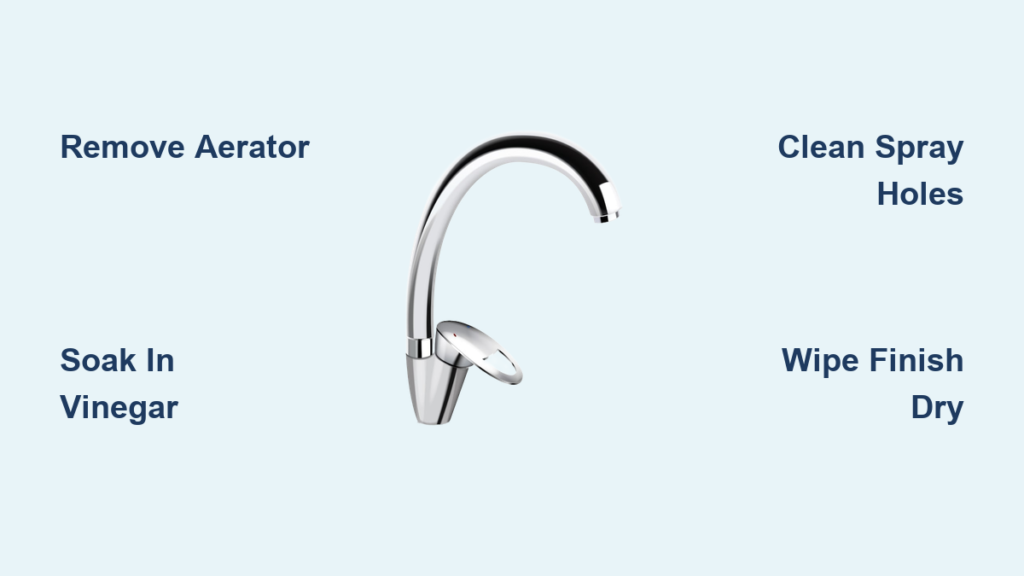
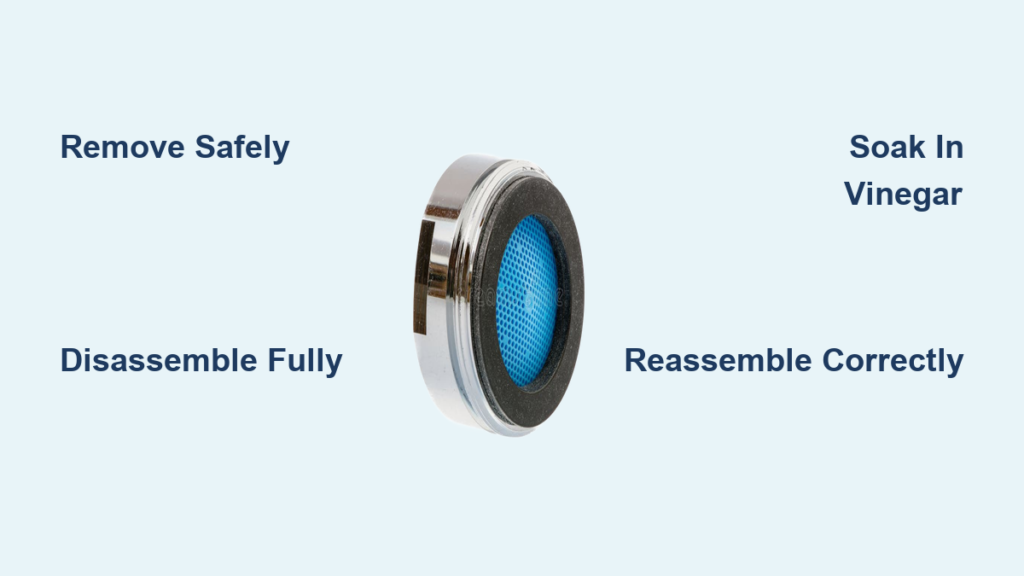
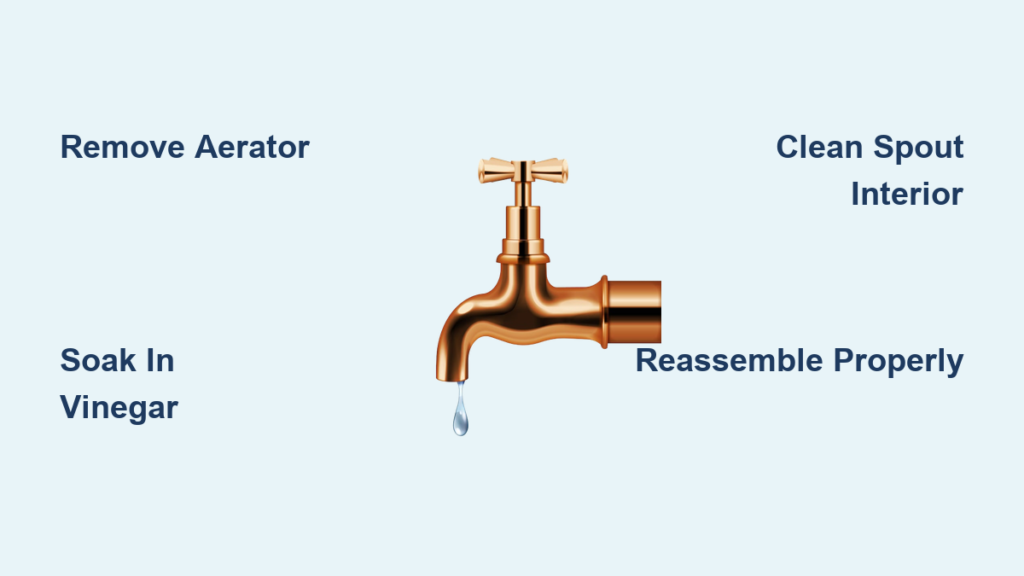
Mineral buildup inside the spout reduces flow. Soak the spout tip in vinegar via the bag method, or unscrew the aerator if accessible, soak it, clean with a soft toothbrush, then reattach. Flush water through afterward.
Follow a Maintenance Schedule
Consistency is the secret to a long-lasting matte black finish.
| Frequency | Task |
|---|---|
| After each use | Wipe dry with microfiber cloth |
| Daily | Quick dry pass to remove moisture |
| Weekly | Full clean with soapy water, rinse, dry |
| Monthly | Inspect for buildup; deep clean if needed |
| As needed | Treat stains with vinegar or Magic Eraser |
Following this routine prevents etching, staining, and premature wear.
Protect During Installation or Repairs
Even professionals can damage matte black finishes with improper tools.
Use Protective Wrenches
Always use a strap wrench or rubber-capped wrench when tightening plumbing connections. These grip without metal-to-metal contact, preventing scratches. Standard metal wrenches can mar the finish instantly.
Confirm Plumber Knows the Risks
If hiring help, ensure they understand matte black is not like chrome. Ask if they have worked with this finish before and what tools they will use. Improper installation is a leading cause of cosmetic damage.
Know What Your Warranty Covers
Most brands offer lifetime functional warranties but only one to five year finish warranties. Damage from abrasives or harsh chemicals voids coverage. Always keep your product manual and follow its care instructions exactly.
Choose Better Finishes for Future Buys
If high maintenance is a concern, consider alternatives. PVD-coated faucets offer superior scratch and corrosion resistance. Brushed nickel hides water spots better and is easier to care for. Look for WaterSense-labeled models to reduce mineral buildup. Single-hole designs have fewer crevices, making cleaning simpler.
Frequently Asked Questions About Cleaning Matte Black Faucets
Can I use vinegar to clean my matte black faucet?
Yes, but only in diluted form and sparingly. Mix equal parts white vinegar and distilled water. Apply to a hidden area first and test for one minute. If no damage occurs, use for tough stains only. Never leave vinegar on longer than thirty minutes, as acid can etch the finish.
What is the best way to prevent water spots on matte black faucets?
Wipe the faucet dry after every single use with a clean microfiber cloth. This simple habit prevents mineral deposits from forming and eliminates ninety percent of visible water spots. Using distilled water for cleaning and rinsing also helps since it contains no minerals.
Can I use a Magic Eraser on my matte black faucet?
Yes, a damp Magic Eraser works excellently for removing hard water stains and soap scum. Use light pressure and gentle motions. The melamine foam lifts residue through micro-abrasion without scratching the coating. Follow with a damp microfiber cloth and dry thoroughly.
What should I avoid using on matte black finishes?
Avoid all harsh chemicals including bleach, ammonia, rubbing alcohol, acetone, and citrus cleaners. Skip all abrasive tools like steel wool, scouring pads, and stiff brushes. Never use paper towels or regular cloth rags. Also avoid lime removers and commercial bathroom sprays unless labeled safe for matte finishes.
How often should I deep clean my matte black faucet?
Perform a full weekly cleaning with soapy water, rinse, and dry. Monthly, inspect for mineral buildup and treat with vinegar or Magic Eraser if needed. Daily, simply wipe dry after each use to prevent buildup from forming in the first place.
Why does my matte black faucet look dull even after cleaning?
Dullness usually means soap scum or cleaner residue is still on the surface. Clean again with soapy water, rinse thoroughly with distilled water, and dry completely. If dullness persists, you may need a pH-neutral specialty cleaner designed for matte finishes.
Key Takeaways for Maintaining Your Matte Black Faucet
A matte black faucet rewards careful maintenance with timeless style that lasts over a decade. The most important habit is wiping the faucet dry after every single use. This one action prevents the majority of water spots and mineral buildup that degrade the finish. Use only soft microfiber cloths and gentle, pH-neutral cleaners like mild dish soap diluted in distilled water.
Always rinse cleaning solutions completely and follow with a final buff dry using a clean, dry microfiber cloth. Never allow the faucet to air-dry, as this reintroduces minerals that cause spotting. For stubborn stains, use a damp Magic Eraser with light pressure or a carefully diluted vinegar solution, but limit exposure to thirty minutes maximum.
Avoid all harsh chemicals, abrasives, and improper tools that can permanently scratch or discolor the finish. Following this simple maintenance routine preserves the beautiful matte appearance and protects your investment for years to come.