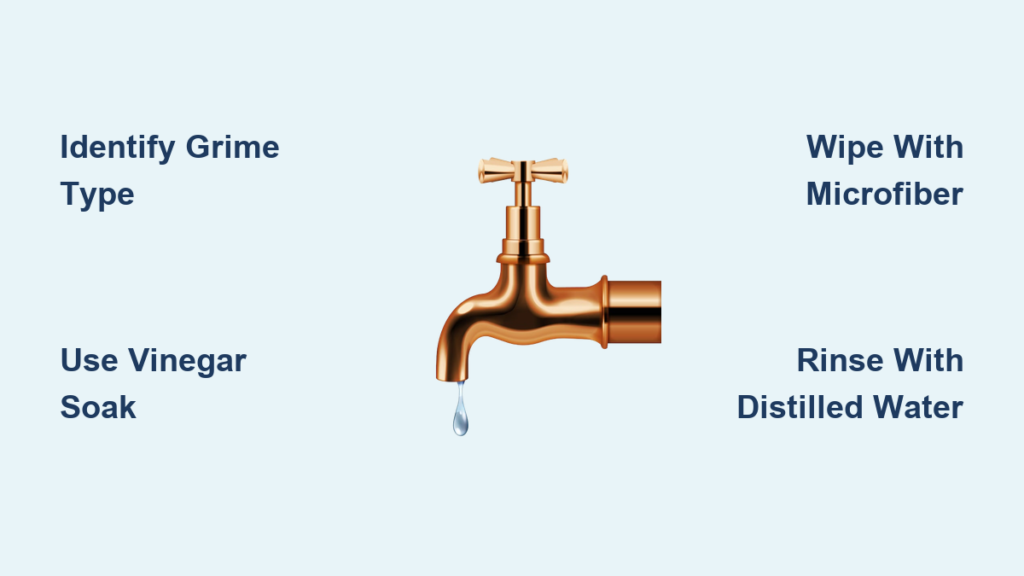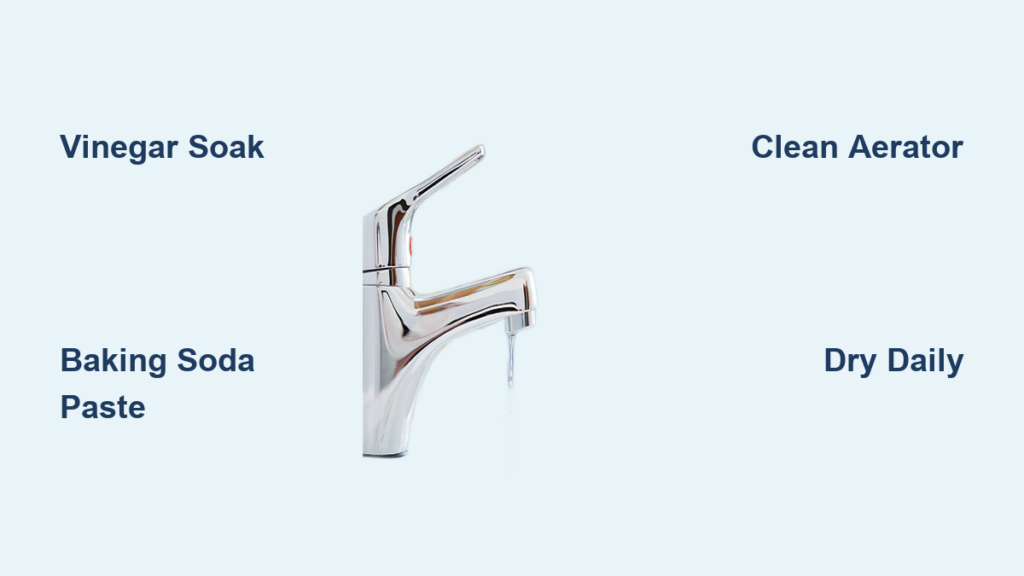
Is your kitchen or bathroom faucet spraying water in all directions or barely trickling out? A clogged or dirty faucet head is often the culprit. Over time, mineral deposits from hard water build up inside the aerator and spray holes, reducing water pressure, distorting the flow, and even introducing bacteria into your water stream. The good news: cleaning your faucet head is a quick, affordable, and effective fix you can do in under an hour, often with just vinegar and a toothbrush.
In this guide, you’ll learn how to deep clean any faucet head, safely remove limescale and biofilm, maintain your fixture’s finish, and prevent future buildup. Whether you have a standard chrome spout, a pull-down kitchen faucet, or a matte black bathroom model, these proven methods work across all types.
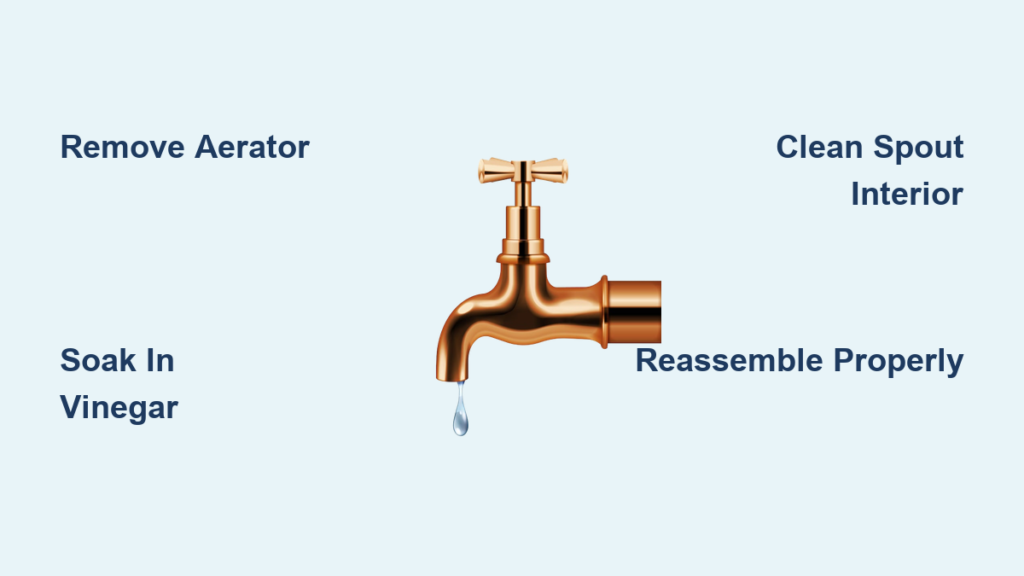
Remove and Inspect the Aerator

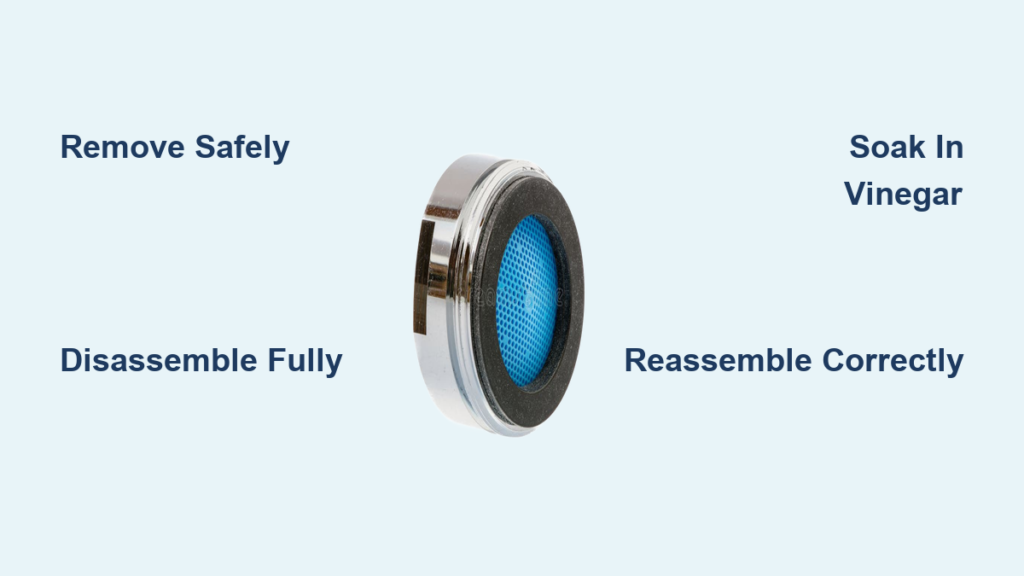
The aerator is the small screen or cartridge at the tip of your faucet that regulates water flow. It’s usually the main site of clogging and the easiest component to access for cleaning.
Unscrew the Aerator Safely
Turn off the water supply first to avoid losing small parts down the drain. Most aerators unscrew by hand. If stuck, wrap a cloth around it and use pliers to prevent scratching. Look for a hex-shaped base, as some models require a small wrench for removal.
Once removed, inspect it closely. You may see white crusty deposits (limescale), sand-like sediment, or greenish gunk (oxidized metals or biofilm). These block water passages and reduce pressure significantly.
Check for Damage or Wear
If the aerator is cracked, corroded, or stripped, cleaning won’t help. Replace it instead. New aerators cost $5 to $15 and are sold at hardware stores or online. Common sizes include M24x1, 55/64″-27, and 13/16″-27. Match the size and thread type to your faucet model.
Keep the old aerator until the new one arrives in case of shipping delays or compatibility issues.
Soak in Vinegar Solution

Vinegar is a natural, non-toxic acid that dissolves mineral buildup without damaging most faucet components. This is the primary and most effective method for cleaning faucet heads.
Prepare the 50/50 Vinegar Mix
Mix equal parts distilled white vinegar and water in a small bowl. This solution safely breaks down calcium and lime without being overly harsh. Avoid apple cider or balsamic vinegar, as they are less effective and may stain the components.
For heavy buildup, use undiluted white vinegar. Never use boiling vinegar on cold metal, as thermal shock can crack parts.
Soak the Aerator for 30 Minutes
Place the disassembled aerator in the solution. Let it soak for 30 minutes to 1 hour. For severe limescale, leave it overnight.
After soaking, shake the aerator gently. You should hear debris loosen inside. Use a soft-bristled toothbrush to scrub away remaining residue, especially around the mesh screen and internal threads. Rinse thoroughly with clean water before reassembly.
Clean Non-Removable Faucet Heads
Not all faucet heads can be taken apart. Pull-down and pullout kitchen faucet models often have integrated spray nozzles that cannot be removed without professional tools.
Use the Bag Method for Full Immersion
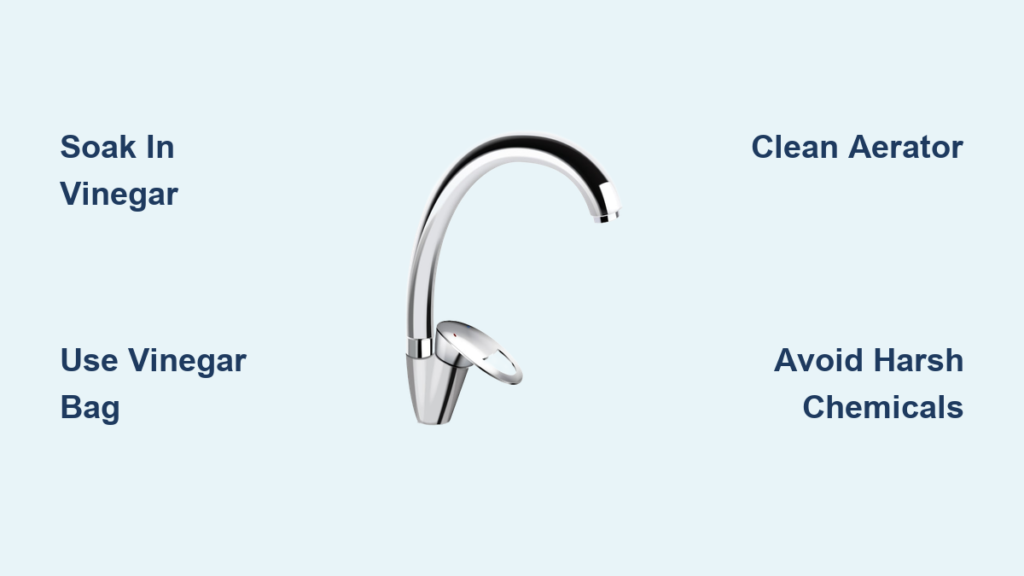
Fill a plastic bag with the 50/50 vinegar solution. Place it over the faucet head and secure it with a rubber band or twist tie. Make sure the spray holes are fully submerged in the liquid.
Let it soak for 30 minutes to several hours, depending on how bad the buildup is. For neglected faucets, leave it for up to 4 hours. Do not exceed 4 hours on matte black, painted, or brushed finishes, as prolonged vinegar exposure can damage sensitive coatings.
Scrub Spray Holes Gently
After soaking, remove the bag and use a soft toothbrush or cotton swab to wipe each spray hole. Avoid metal tools like paperclips or toothpicks, as they can scratch rubber or plastic nozzles.
For stubborn clogs, run a wooden toothpick carefully through the holes to push out debris. Be gentle to avoid misshaping the openings.
Address Severe Buildup With Baking Soda
When vinegar alone is not enough, a fizzy chemical reaction can help lift tough deposits that have bonded tightly to internal surfaces.
Mix Vinegar and Baking Soda for the Aerator
Combine 1 tablespoon baking soda with 1/2 cup white vinegar in a bowl. It will bubble immediately. Drop the aerator into the mix and let it soak for 30 minutes.
This method creates gas pressure that helps dislodge compacted minerals. However, never use this on the entire faucet head, as the pressure can force residue deeper into internal channels where it cannot be reached.
After soaking, scrub with a soft brush, rinse thoroughly, and reinstall.
Why This Method Is Limited to Aerators
The fizzing action works best in open containers where gas can escape freely. Inside a sealed faucet body, trapped gas can damage internal seals or O-rings. Stick to vinegar soaks for non-removable parts to avoid causing unintended damage.
Restore Water Flow and Test Performance
Reassemble everything carefully to avoid leaks and ensure proper function after cleaning.
Reinstall the Aerator Properly
Screw the clean aerator back by hand. Tighten gently with pliers wrapped in cloth if needed. Over-tightening can strip threads or crack plastic components.
Turn the water supply back on slowly. Check for leaks around the base of the aerator and handle.
Run Water to Flush Residue
Let the faucet run for 30 to 60 seconds to flush out any leftover vinegar or loosened debris. Test both hot and cold settings.
Observe the spray pattern. It should be even and strong. If water still sputters or sprays sideways, repeat the soak or consider replacing the aerator.
Protect the Faucet Finish
A clean faucet should also look clean without scratches or water spots. Proper maintenance preserves both function and appearance.
Wipe With Soft Cloth After Use
Get into the habit of drying the faucet after each use with a microfiber or soft cotton cloth. This prevents water from evaporating and leaving mineral rings on the surface.
Daily blotting cuts down on long-term buildup significantly and keeps chrome or stainless steel shining like new.
Clean Exterior With Safe Products
For surface cleaning, use warm water and mild dish soap, or a damp cloth with 50/50 vinegar-water spray. Formula 409, Windex, or Fantastik are safe on chrome and stainless steel only.
Spray the cleaner onto the cloth, not the faucet directly, to avoid overspray on surrounding fixtures or countertops.
Avoid Damaging Cleaners and Tools
Some common household items can ruin your faucet’s appearance and performance permanently. Knowing what to avoid is just as important as knowing the right techniques.
Never Use These Cleaners
Avoid toilet bowl cleaners (highly acidic), bleach-based disinfectants, abrasive all-purpose powders, and products like Scrubbing Bubbles or Lysol Tub & Tile. These can etch surfaces, discolor finishes, and accelerate corrosion.
Stick to Soft Brushes and Cloths
Use only soft-bristled toothbrushes, microfiber cloths, and cotton swabs for tight spaces. Even gentle scrub sponges may be too rough for matte or brushed finishes.
Prevent Future Buildup With Maintenance
Cleaning once is not enough. Prevent mineral return with simple habits that keep your faucet performing well between cleanings.
Clean Every 1 to 3 Months
Set a recurring reminder to remove and rinse the aerator, wipe down the faucet head, and soak in vinegar if flow feels restricted. In hard water areas above 7 grains per gallon, clean monthly.
Install a Water Softener
Hard water contains high levels of calcium and magnesium, which cause rapid scaling. If you notice fast limescale return, test your water hardness. A whole-house water softener or under-sink filtration system can dramatically reduce buildup.
Alternatively, install aerator filters that trap sediment before it enters the faucet.
Upgrade to Low-Maintenance Faucets
Newer faucet models come with smart designs that reduce cleaning frequency and make maintenance easier.
Use Touch-Clean Spray Holes
Delta and other brands offer faucets with soft rubber spray holes. Simply wipe your finger across the nozzles to pop out mineral deposits. No soaking or scrubbing needed.
This feature is ideal for kitchens with daily use and hard water exposure.
Choose SpotShield or Brilliance Finishes
Look for SpotShield technology that resists water spots and fingerprints. Brilliance finishes withstand corrosion and cleaning wear. Some finishes even include antimicrobial protection that inhibits bacterial growth.
These finishes stay cleaner longer and tolerate more frequent cleaning without damage.
Replace When Cleaning Fails
Sometimes, no amount of soaking will fix the problem. Knowing when to replace saves time and frustration.
Replace the Aerator First
If water pressure stays low after cleaning, the aerator may be worn out or damaged internally. Replace it, as it is the cheapest fix. Most models are universal or easily matched online.
Consider Full Faucet Replacement If
Consider replacing the entire faucet if water leaks from the base or spout, the handle wobbles or drips constantly, the finish is peeling or corroded, or internal components are damaged. A full replacement costs more but ensures reliable performance and modern features.
Frequently Asked Questions About Cleaning Faucet Heads
How often should I clean my faucet head?
Clean your faucet aerator every 1 to 3 months, or monthly if you live in an area with hard water. Regular cleaning prevents mineral buildup from becoming severe and maintains optimal water pressure.
Can I use vinegar on matte black faucets?
Yes, but limit soaking to 30 minutes maximum. Prolonged exposure to vinegar can damage matte black finishes. Wipe with a cloth dampened with 50/50 vinegar solution rather than submerging the entire fixture.
Why is my faucet still leaking after cleaning?
A leaking faucet after cleaning usually indicates a damaged O-ring or washer. Inspect the aerator seat for cracks, or the handle valve may need repair. Sometimes simply reinstalling the aerator incorrectly can cause leaks.
What is the best way to clean spray holes on a pull-down faucet?
Use the plastic bag soaking method with 50/50 vinegar solution for 30 minutes to 1 hour. After soaking, wipe each spray hole with a soft toothbrush. For stubborn clogs, use a wooden toothpick rather than metal to avoid damaging the holes.
Are commercial faucet cleaners better than vinegar?
Vinegar is just as effective as most commercial cleaners for removing mineral deposits and is much safer for your faucet’s finish. Commercial descaling products can damage specialty coatings and are unnecessary for regular maintenance.
Do touch-clean spray holes really work?
Yes, touch-clean spray holes made from soft rubber allow you to wipe away mineral buildup with your finger. They significantly reduce maintenance needs but still benefit from occasional deep cleaning.
Key Takeaways for Cleaning Your Faucet Head
Regularly cleaning your faucet head takes less than an hour and costs almost nothing. With vinegar, a soft toothbrush, and a few simple steps, you can restore strong water flow, eliminate odors, and extend your faucet’s life significantly. The vinegar soak method works for both removable aerators and fixed faucet heads using the bag technique.
Protect your investment by wiping the faucet dry after each use, avoiding abrasive cleaners and tools, and cleaning every 1 to 3 months. In hard water areas, consider installing a water softener or aerator filters to reduce buildup frequency. By combining deep cleaning with daily maintenance, you’ll keep your fixtures looking and working like new for years.