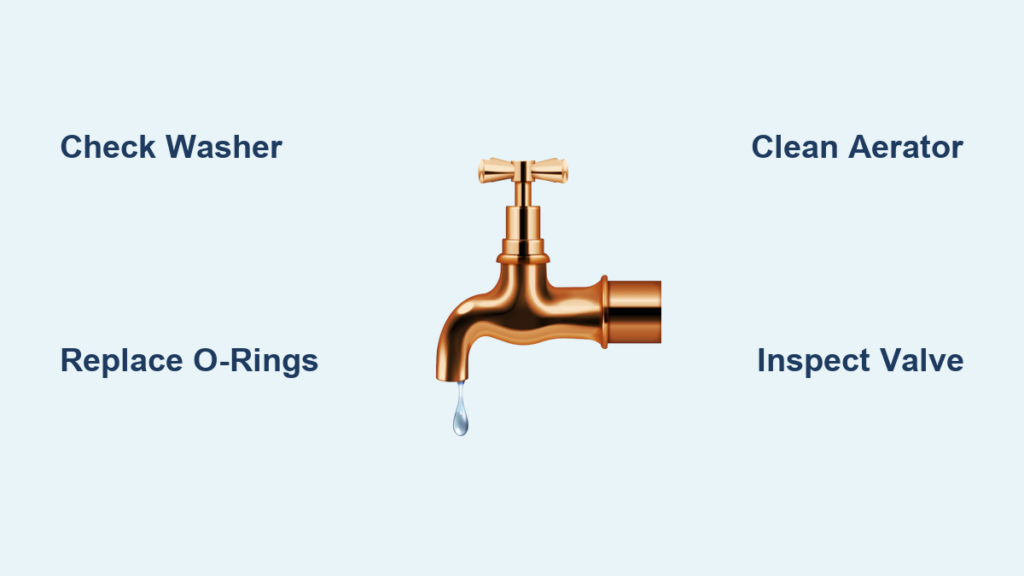
You turn the handle, and water flows exactly as you want it, hot, cold, or mixed. But behind that simple motion lies a precision-engineered system of valves, seals, and physics. How does a faucet work? It is not magic; it is mechanics. Every faucet, from a basic two-handle model to a touchless smart fixture, uses controlled pressure and moving parts to regulate water flow and temperature. Understanding this helps you fix leaks, choose durable models, and appreciate the engineering in your sink.
At its core, a faucet is a valve that opens, closes, or adjusts the flow of water from pressurized supply lines. It responds to your input, a twist, a lever pull, or a wave, and manipulates internal components to deliver water safely and efficiently. Whether it uses rubber washers, ceramic discs, or sensor-activated diaphragms, every faucet follows the same universal water path: from supply line to valve chamber to mixing zone to spout. This guide breaks down exactly how each faucet type operates, the physics behind water flow, common failure points, and what makes some last decades while others drip in months.
The Physics Behind Water Flow

Faucets do not push water. They release it. The force comes from your home water pressure, and the faucet controls how much escapes.
Pressure Drives the Flow
Water flows because pressure inside the pipes is higher than atmospheric pressure at the spout. Most homes have 40 to 80 psi of water pressure, enough to lift water several stories and deliver a steady stream. If pressure drops below 30 psi, faucets sputter. Above 80 psi, seals and pipes risk damage. The faucet acts as a gatekeeper. When closed, it resists this pressure using seals designed to withstand the force. For example, at 30 psi across a small opening, the seal must resist over a pound of force, small but constant. Over years, even this stress wears down rubber and plastic parts.
Flow Rate Depends on Resistance
When you open the faucet, you reduce internal resistance, allowing water through. The flow rate follows a simple relationship: pressure difference divided by internal resistance. Narrow passages, valve seats, and aerators increase resistance, letting you fine-tune volume. That is why a slightly open handle gives a trickle, while fully open delivers a strong stream.
Simple Machines Inside Your Faucet
You do not need super strength to stop high-pressure water because faucets use simple machines to multiply your effort.
Screws Multiply Handle Force
In compression faucets, turning the handle rotates a stem screw that lifts a rubber washer off the valve seat. This screw converts rotational motion into linear motion, creating mechanical advantage. Like using a wrench to loosen a bolt, a small hand force generates enough pressure to compress a seal against 30 psi or more of water.
The Wedge Principle in Action
Imagine lifting a heavy box with just a fraction of the weight. A wedge with a specific slope can do it, but you push it farther to lift the box a small amount. Work is conserved, but force is reduced. Faucet screws work the same way. Many turns create small, precise movements, letting you control flow smoothly without brute force.
Universal Water Path in Every Faucet
No matter the type, water follows the same journey through your faucet.
The process begins when water enters through hot and cold supply lines. Next, it stops or flows at the internal valve mechanism. Then, if temperature control is available, the water mixes in a designated zone. Finally, it exits through the spout into your sink. The valve mechanism determines how precisely and reliably this happens.
Compression Faucets: The Original Two-Handle Design
These classic faucets use rubber washers to stop water, and they are still common in older homes.
How It Controls Flow
Each handle controls one water line. Turn it counterclockwise, and the stem lifts, pulling the rubber washer off the valve seat. Water flows. Turn it clockwise, and the washer presses down, sealing the opening. Simple? Yes. Durable? Not really.
Why They Leak Over Time
Rubber washers degrade. Hard water, heat, and constant pressure cause them to crack, harden, or warp. Once the washer fails, the faucet drips at the spout. The valve seat can also erode, creating a pitted surface that no washer can seal.
Fixing a Dripping Compression Faucet
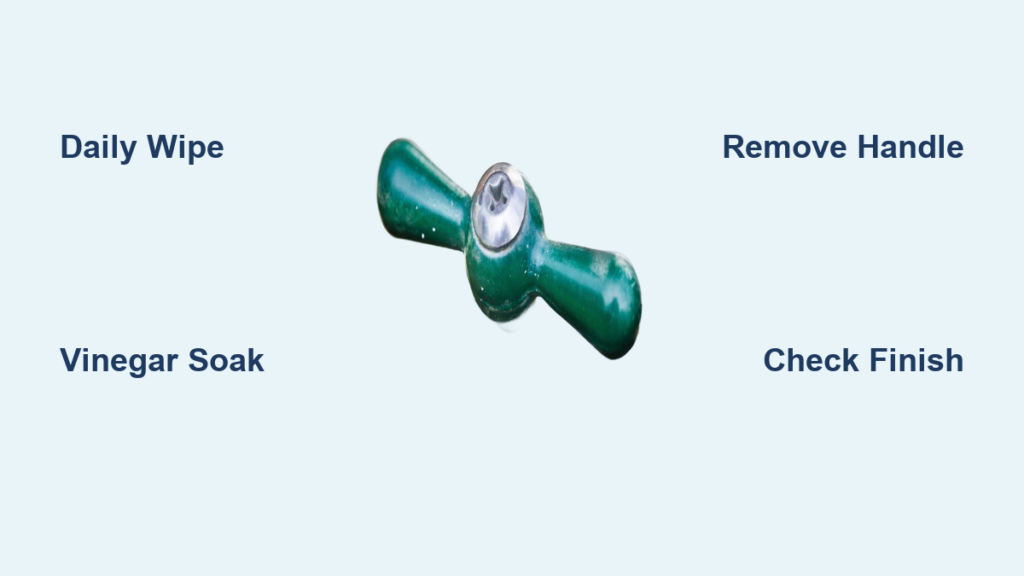
Shutting off water is the first step. Remove the handle, often with an Allen wrench. Unscrew the packing nut and pull out the stem. Replace the washer and inspect the seat. Use a seat wrench to replace or reface a damaged seat. Reassemble with plumber grease on the threads.
Pro Tip: Replace both hot and cold washers, even if only one is leaking. The other will fail soon.
Reverse-Compression Faucets: A Smarter Washer System
Less common but more efficient, this design flips the script on traditional compression.
How It Differs
Instead of lifting the washer to open, turning the handle lowers the stem, which pulls the washer away from the seat and allows water to flow upward. When closed, the stem rises, pushing the washer back into the seat.
Benefits Over Standard Compression
This design means less wear on the washer during operation. It provides a smoother feel and longer seal life. However, maintenance is the same: replace washers, check seats, and service O-rings.
Diaphragm Faucets: Flexible Sealing Without Washers
Used in some American Standard and sensor faucets, this type replaces washers with a flexible rubber diaphragm.
How It Opens and Closes
Turning the handle moves an actuator that flexes the diaphragm, creating an opening for water. When released, the rubber snaps back into place, sealing the flow. In touchless models, an electric solenoid pulls the diaphragm open when motion is detected.
Failure Signs
Spout drips indicate a torn or stiff diaphragm from mineral buildup. Handle leaks mean O-rings around the actuator have failed.
Repair Steps
Start by shutting off water. Disassemble to access the diaphragm. Replace with an exact-match part, often model-specific. Clean any sediment from the chamber. Sensor models may also need battery replacement or lens cleaning.
Disc Faucets: Durable Ceramic Precision

Found in high-end brands like Delta, these use ceramic discs instead of rubber.
How It Controls Flow and Temperature
Two discs, one fixed and one movable, sit inside a cartridge. Move the lever up or down to raise or lower the top disc, which controls flow. Move the lever side to side to rotate the disc, aligning ports with hot or cold inlets to control temperature. Premium models use diamond-coated surfaces for extreme wear resistance.
Why It Lasts 15 to 20 Plus Years
Ceramic is harder than steel. It resists heat and abrasion. It is impervious to water degradation. No rubber means no swelling, cracking, or warping.
When It Fails
Even ceramic can fail. Inlet ports can clog from sediment or hard water. The lever can stick due to mineral buildup. The base can leak from worn O-rings around the housing.
Maintenance Tips
Remove and soak the cartridge in vinegar to dissolve scale. Replace inlet screens regularly. Use plumber grease on O-rings during reassembly.
Cartridge Faucets: The Modern Standard
Widely used in Moen and other brands, this design relies on a replaceable cartridge with internal channels.
How It Works
The cartridge slides or rotates inside the faucet body. Single-lever models use up and down for flow, side to side for temperature. Two-handle models use each handle to control a separate cartridge. As the cartridge moves, its internal passages align with the hot and cold inlets and the spout.
Advantages
This design offers smooth, precise control. It has fewer parts than compression faucets. Repair is easy: replace the entire cartridge.
Why Repairs Can Be Tricky
Most cartridges are proprietary. A Moen cartridge will not fit a Delta, and even models within the same brand vary. Always identify your faucet model number, often on the base or aerator, before ordering parts.
Fixing a Leaky Cartridge Faucet
Shut off water first. Remove the handle and trim. Pull out the old cartridge. Install the exact replacement. Test for leaks.
Warning: Never force a cartridge. If it will not slide out, soak it in vinegar or use a faucet puller tool.
Rotating-Ball Faucets: Single Handle, Complex Internals
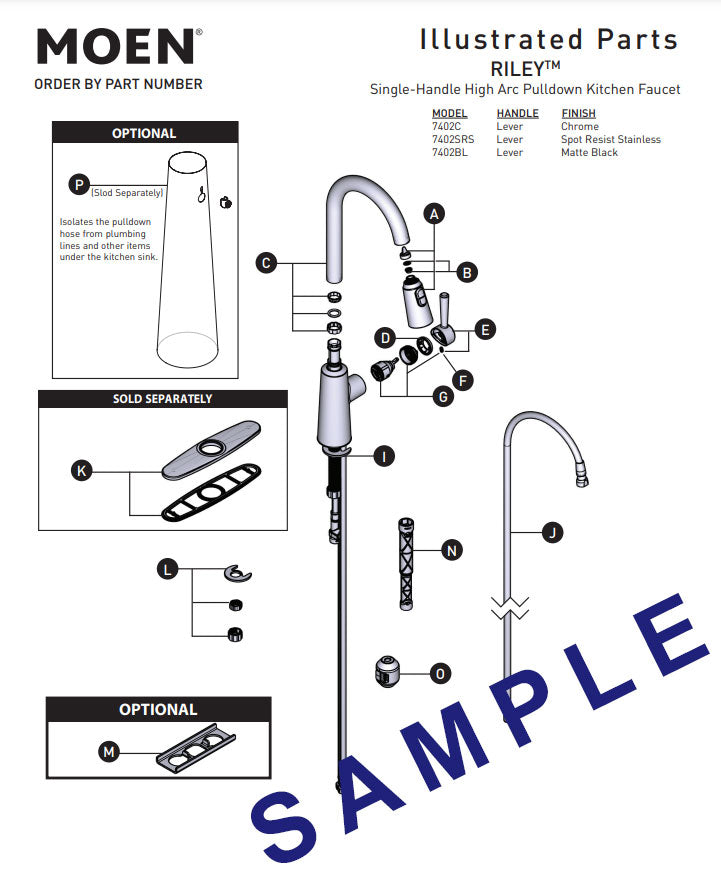
Common in older Moen and Price Pfister models, this system uses a slotted metal ball to control flow.
How the Ball Controls Water
The ball sits on two rubber seats connected to hot and cold lines. Moving the lever rotates and tilts the ball, aligning internal channels with inlets and mixing water in the center chamber. Left and up delivers hot water. Right and up delivers cold water. Center and up delivers mixed water. Down seals both inlets for off.
Why It Is Durable but High-Maintenance
The brass ball resists wear, but four wear points exist. Two rubber seats and two springs under the seats can fail. O-rings on the stem can crack. Adjusting ring tension can loosen. Over time, seats harden, springs weaken, and O-rings crack.
Repairing a Ball-Type Faucet
Shut off water. Remove the handle and cap. Unscrew the adjusting ring. Lift out the ball and cam. Replace seats, springs, and O-rings. Reassemble and adjust tension.
Pro Tip: Use a shop vac to catch small parts when disassembling. Springs love to vanish.
Universal Faucet Components Explained
Despite different mechanisms, all faucets share these core parts.
The spout directs water into the sink and is made from brass, stainless steel, or coated plastic. The handle or lever is the user control interface, made from metal, plastic, or ceramic. The valve assembly regulates flow and mix, using ceramic, brass, or rubber. Supply lines connect to shutoff valves and come in braided stainless or copper. O-rings seal moving parts and are made from nitrile, EPDM, or silicone. The cartridge or housing holds the internal mechanism and is made from plastic or brass.
Performance Comparison: Which Faucet Lasts Longest

Not all faucets are created equal. Here is how they stack up.
Lifespan and Durability
Compression faucets last 10 to 15 years with low wear resistance and high repair frequency. Diaphragm faucets last 12 to 18 years with moderate wear resistance and medium repair frequency. Disc faucets last 15 to 20-plus years with very high wear resistance and low repair frequency. Cartridge faucets last 10 to 15 years with high wear resistance and medium repair frequency. Ball-type faucets last 10 to 15 years with high wear resistance and medium to high repair frequency.
Winner: Disc faucets. Ceramic does not wear, crack, or degrade.
Temperature Precision
Disc and cartridge faucets offer the best temperature control with smooth, continuous adjustment. Ball-type faucets are good but can develop dead zones. Compression faucets require balancing two handles and offer the least precision.
Leak Susceptibility
Spout drips are common in compression and ball-type faucets due to washer or seat failure. Handle leaks are caused by O-ring failure in all types. Hard water impact clogs disc inlets, cartridge channels, and ball chambers.
Troubleshooting Common Faucet Problems
Dripping Spout? Here Is What Is Failing
Compression faucets suffer from worn washers or pitted valve seats. Disc faucets have clogged inlets or cracked discs. Cartridge faucets have damaged internal seals. Ball-type faucets have worn seats or springs. Diaphragm faucets have torn rubber membranes. Fix the faulty component, and always shut off water first.
Handle Leaking? Check the O-Rings
If water seeps from the base when the faucet is on, O-rings are failing. Pressure forces water past degraded seals. Disassemble the handle. Replace all O-rings. Apply plumber grease before reassembly.
No Water Flow? Possible Causes
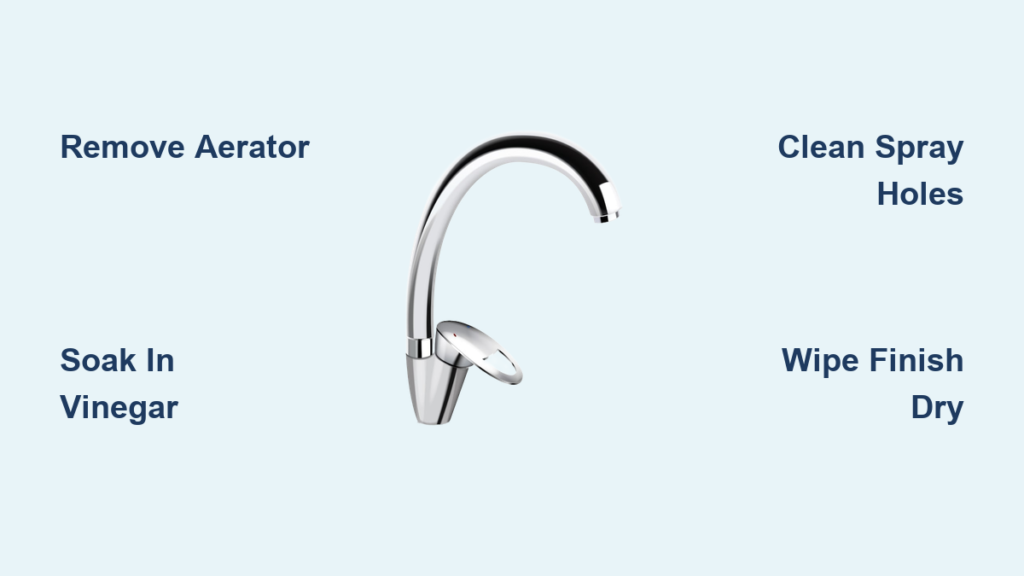
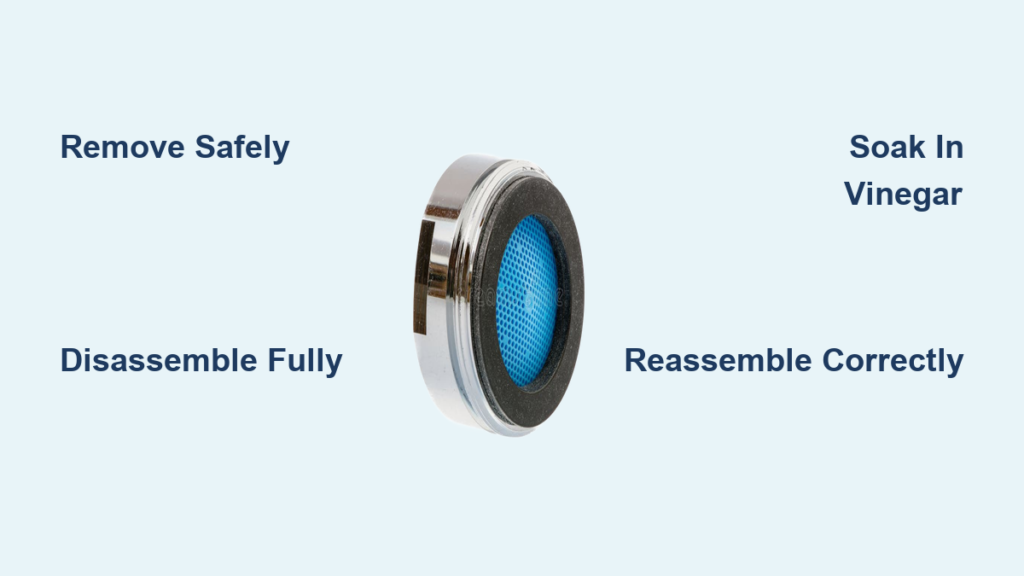
A clogged aerator can be unscrewed and cleaned. A blocked cartridge or disc inlet can be soaked in vinegar. The supply valve may be closed under the sink. In cold climates, pipes may be frozen.
Modern Innovations Changing Faucet Design
Ceramic Discs Are Now Standard
Once a premium feature, ceramic discs are now common in mid-range and high-end faucets. They eliminate rubber wear and offer decades of drip-free service.
Diamond-Infused Technology
Delta DIAMOND Seal Technology uses diamond-coated cartridge surfaces to resist abrasion and maintain a perfect seal even after 5 million cycles.
Touchless and Smart Faucets
Using infrared sensors, these faucets open when hands are detected. Internally, they use diaphragm or cartridge valves activated by a solenoid. Benefits include hygiene without touch, water savings from auto shut-off, and voice or app control in smart models. Power sources include batteries with 4 to 5-year life or AC adapters.
DIY Repair Guide: Fix a Leaky Faucet in 6 Steps
You do not need a plumber for most faucet issues.
Tools You Will Need
Gather an adjustable wrench, screwdrivers, an Allen wrench, replacement parts like washers, O-rings, or cartridges, plumber grease, and a towel with a bucket.
Step-by-Step Repair
Shut off water under the sink. Open the faucet to drain remaining water. Remove the handle by looking for a set screw under a cap. Disassemble trim to access the valve. Inspect and replace worn parts. Reassemble with grease and test.
Pro Tip: Take photos as you disassemble. Reassembly is easier with a visual guide.
When to Call a Professional
DIY works for most issues, but call a plumber if you cannot identify the faucet type, water does not return after repair, supply lines are corroded or leaking, sensor or electronic components fail, or you are uncomfortable disassembling plumbing. Professionals have diagnostic tools and can prevent water damage.
Design Engineering: How Faucets Balance Form and Function
Behind every sleek faucet is a blend of engineering disciplines.
Fluid and Mechanical Systems
Faucets must manage pressure resistance, flow efficiency, and mixing accuracy. Engineers use computational fluid dynamics to simulate water paths and optimize internal geometry.
Material Science at Work
Seals use EPDM or silicone to resist heat, water, and chemicals. Discs use ceramic for hardness, smoothness, and longevity. The body uses brass for corrosion resistance and strength. Finishes use chrome or nickel to resist tarnish and clean easily.
User-Centered Design
Modern faucets prioritize ease of use with single-lever control, water efficiency with aerators reducing flow to 1.5 gallons per minute, hygiene with touchless hands-free options, and aesthetics to match kitchen or bathroom style.
Warning: Some designs use non-standard parts. Always check replacement part availability before buying.
Final Tips: Maintain, Upgrade, and Save
Always shut off water before any repair. Identify your model using the manufacturer website. Use plumber grease on O-rings and threads. Replace old compression faucets with disc or cartridge models for better performance. Clean aerators monthly to prevent clogs. Consider upgrading to a touchless faucet for hygiene and water savings.
Understanding how a faucet works turns frustration into empowerment. You can fix leaks, avoid costly repairs, and choose fixtures that last. From physics to engineering to everyday use, the faucet is a marvel of design, delivering water safely, efficiently, and reliably every single time.
Frequently Asked Questions About How Faucets Work
What is the basic mechanism inside every faucet?
Every faucet contains a valve mechanism that either allows water to pass or blocks it. This valve responds to handle movement by lifting a washer, sliding a cartridge, rotating a disc or ball, or flexing a diaphragm. The specific mechanism varies by faucet type, but the core function remains the same.
Why do some faucets drip more than others?
Faucets with rubber components, like compression and ball-type models, drip more often because rubber degrades over time from water pressure, heat, and mineral exposure. Ceramic disc and cartridge faucets last longer because ceramic does not wear, crack, or swell like rubber.
How does a single-handle faucet control both temperature and flow?
Single-handle faucets use one lever to control two functions. Moving the lever up or down raises or lowers the internal mechanism to control flow volume. Moving it side to side rotates the mechanism to align passages with hot water, cold water, or both. This allows mixing to any temperature.
Can I repair my own faucet, or do I need a plumber?
Most faucet repairs are DIY-friendly. You can replace washers, O-rings, cartridges, and discs with basic tools. Call a plumber if the faucet type is unrecognizable, water does not return after repair, electronic sensors fail, or supply lines are damaged.
How long should a faucet last before needing replacement?
Compression faucets last 10 to 15 years. Diaphragm faucets last 12 to 18 years. Disc faucets last 15 to 20-plus years. Cartridge faucets last 10 to 15 years. Ball-type faucets last 10 to 15 years. Proper maintenance extends these lifespans significantly.
What causes low water pressure from a faucet?
Low water pressure usually comes from a clogged aerator, blocked cartridge or disc inlet, closed supply valve, or low municipal pressure. In older homes, pipe corrosion or partially closed shutoff valves can also cause reduced flow.
Key Takeaways for Understanding Your Faucet
Faucets work by using valves to control pressurized water flow, with different mechanisms determining durability and maintenance needs. Ceramic disc and cartridge faucets outperform older compression and ball-type designs, lasting longer with fewer repairs. Understanding your faucet type helps you diagnose problems accurately and choose the right replacement parts. Regular maintenance, including cleaning aerators and replacing worn seals, extends faucet life significantly.