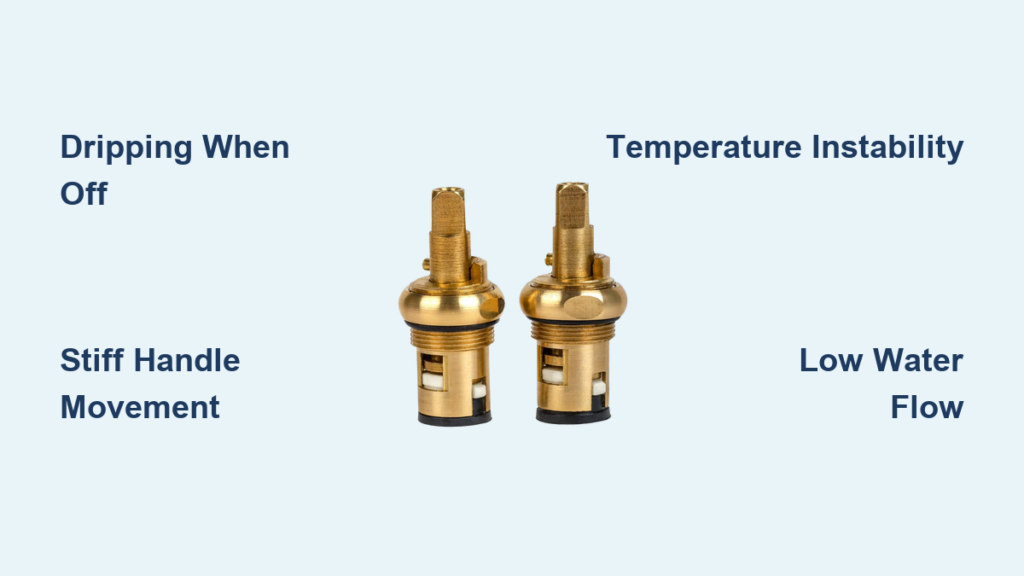
If your kitchen or bathroom faucet drips when turned off, feels stiff when adjusting temperature, or delivers inconsistent water heat, the culprit is likely a worn faucet cartridge. This small but critical component controls both the flow and temperature of water every time you turn the handle. In modern single-handle faucets, the cartridge acts as the internal brain, precisely mixing hot and cold water while ensuring a tight seal when not in use.
So how does a faucet cartridge work? It uses internal passages or movable discs that align or block water flow based on handle position. When you rotate the handle, the cartridge shifts to expose calibrated openings for hot and cold water, blending them to your desired temperature and flow rate. This guide breaks down exactly how faucet cartridges function, the different types available, signs of failure, and best practices for replacement and maintenance.
The Role of a Cartridge in Your Faucet
A faucet cartridge serves as the central control mechanism for water flow and temperature in modern single-handle faucets. Located inside the faucet body beneath the handle, the cartridge connects directly to the handle stem and contains the internal pathways that regulate water movement. Without a functioning cartridge, even high-end fixtures cannot deliver consistent performance or proper shutoff.
Controlling Water Flow and Temperature
The cartridge regulates how much water flows through the spout and what temperature it reaches. Inside the cartridge are precision-drilled holes or channels that connect to the hot and cold supply lines. When you move the handle, the cartridge shifts internally to open or close these pathways in varying degrees.
When the handle is turned fully to one side, only hot or cold water flows. At center position, both hot and cold mix in varying ratios. The degree of handle movement determines both the flow rate and the ratio of hot to cold water entering the mixing chamber. This seamless dual control happens thanks to the cartridge’s calibrated design.
Enabling Single-Handle Operation
Before cartridges became standard, most faucets used separate hot and cold handles with rubber washers that wore out quickly. Today’s single-lever designs rely entirely on the cartridge to combine flow and temperature control into one intuitive motion.
This makes cartridges essential for smooth handle movement, precise temperature blending, leak-free shutoff, and compatibility with touchless or smart faucets. The cartridge essentially replaces multiple older components while providing superior durability and performance.
How Cartridges Control Water Flow and Temperature
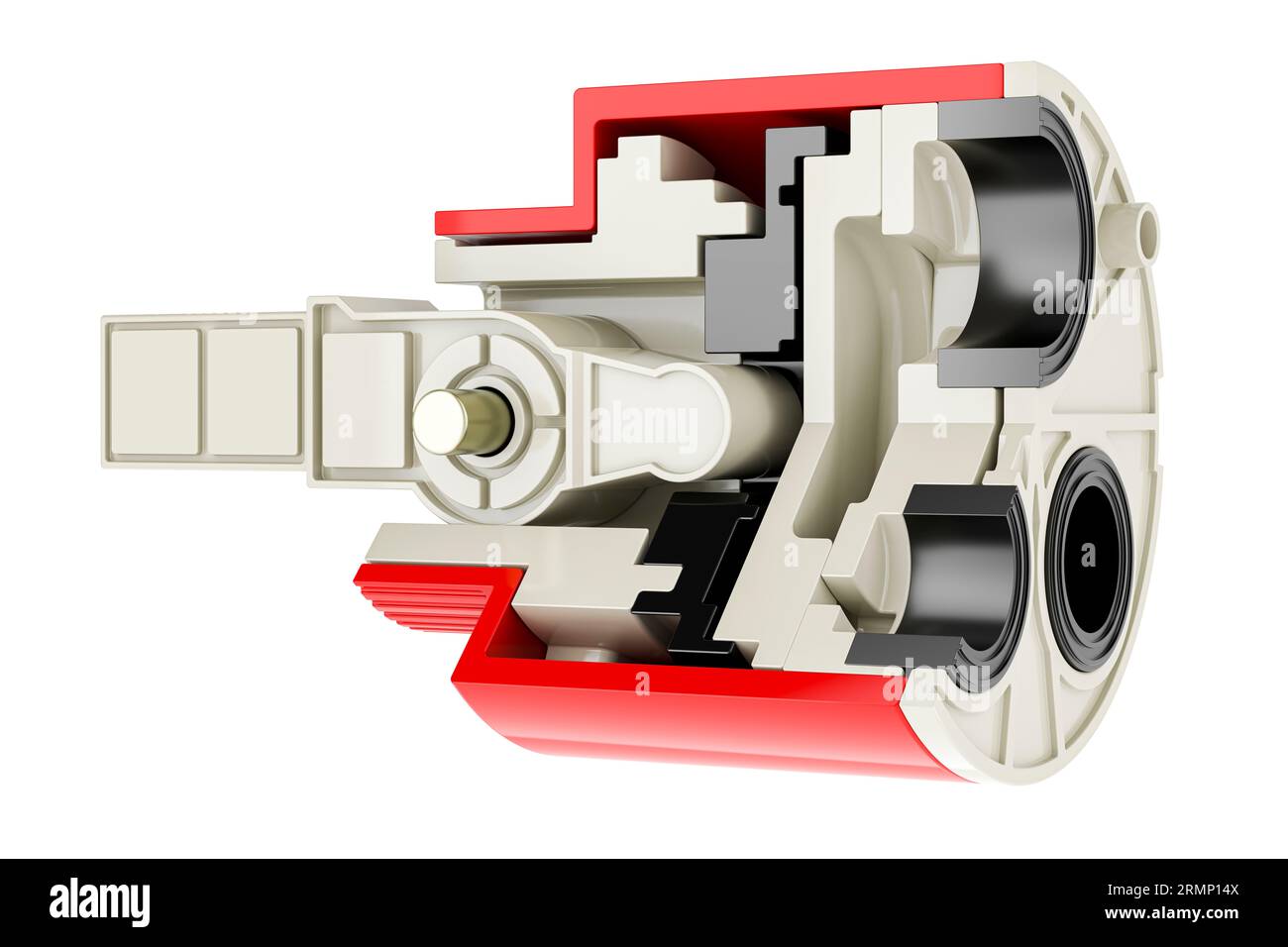
When you lift or turn the faucet handle, it rotates or raises the cartridge stem, shifting internal components that control water entry. Lifting a lever increases flow while swinging side to side adjusts temperature by exposing more hot or cold passages.
Internal Passages Align With Supply Lines
Inside the faucet body are two inlets: one for hot water and one for cold. The cartridge has matching ports that align with these when open. As the cartridge rotates, its internal channels gradually expose more of each inlet.
A 50/50 mix occurs when both sides are equally open. Full closure blocks both lines completely when the faucet is turned off. This alignment must be precise because even minor wear or mineral buildup can cause misalignment, leading to drips or temperature swings.
The Sealing Mechanism That Prevents Leaks
When the faucet is off, the cartridge ensures a watertight seal. In ceramic disc models, two polished ceramic plates press tightly together with no rubber washers needed.
This seal stops water completely when closed, resists degradation from heat and chemicals, and lasts tens of thousands of cycles. If the seal fails due to cracks, debris, or wear, water seeps through even with the handle fully off, causing the common dripping symptom that signals cartridge failure.
Types of Faucet Cartridges Available
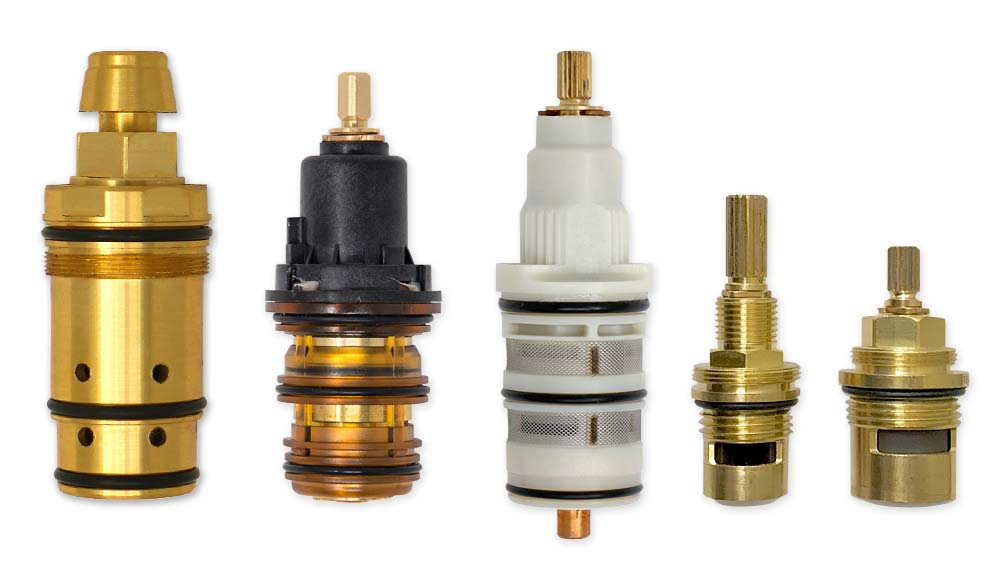
Several cartridge types exist, each using different mechanisms to control water flow and temperature. Understanding these differences helps you identify what your faucet uses and what replacement options are available.
Ceramic Disc Cartridges
Most modern faucets use ceramic disc cartridges because they offer the best combination of durability and precision. These contain two precisely machined ceramic discs: a fixed bottom disc with holes aligned to hot and cold inlets, and a top disc attached to the handle that slides over the bottom disc.
When the holes align, water flows. When they’re offset, the flow stops. The angle and position of the top disc determine the temperature mix.
Why ceramic lasts longer: Ceramic is extremely hard and scratch-resistant, has no rubber parts to degrade, operates smoothly with minimal friction, and handles high temperatures and pressure. Expected lifespan is 10 to 20+ years, making ceramic disc cartridges ideal for kitchens, bathrooms, and smart faucets.
Stem Cartridges
Stem cartridges use a movable plunger that opens and closes internal valves. Turning the handle raises or lowers the stem, allowing water to pass through the passages.
These are common in older single-handle faucets and some budget fixtures. Lifespan is 7 to 15 years. The pros include simple design and easy replacement. The cons are more prone to wear than ceramic, and rubber seals can degrade over time.
Ball Valve Cartridges
Found in some older single-handle models, ball cartridges use a hollow metal ball with slots and spring-loaded seals. The ball rotates and shifts up and down with handle motion, and slots align to control flow and mix while springs maintain seal pressure.
Lifespan is 7 to 12 years. The main downsides are susceptibility to sediment buildup and the need for frequent cleaning in areas with hard water.
Thermostatic Cartridges
Used in showers and high-end bathroom faucets, thermostatic cartridges maintain constant water temperature even when someone flushes a toilet or turns on another fixture. They contain a wax or metal thermal sensor that expands and contracts with temperature changes, automatically adjusting the hot and cold mix to stabilize output.
These cartridges include safety shut-off mechanisms if cold water fails, preventing scalding. They meet standards like ASSE 1016 in North America or EN 1111 in Europe, making them ideal for homes with children or elderly users.
Smart Faucet Cartridges
Smart faucets that offer touchless operation, voice control, or app connectivity still rely on physical cartridges to regulate water. Electronics trigger a solenoid or actuator that moves the cartridge, usually a ceramic disc type.
Benefits include hands-free operation, preset temperature memory, and water usage tracking. However, these still require periodic maintenance, especially in hard water areas where mineral buildup affects the mechanical components.
Cartridge Components and Design
Understanding the physical structure of a cartridge helps with identification and replacement. Each component serves a specific function in the cartridge’s operation.
Splines and Handle Connection
The top of the cartridge has ridges called splines that fit into matching grooves inside the faucet handle to transfer motion. Common spline counts are 16-point and 20-point.
To count splines, count half the ridges and multiply by 2, or count one-fourth and multiply by 4. Mismatched splines cause slippage or prevent installation entirely, so always match the original specification.
Hot and Cold Orientation
Some cartridges are direction-sensitive. The hot side opens when turned counter-clockwise while the cold side opens when turned clockwise. This ensures natural handle movement where left is hot and right is cold.
Reversing the orientation makes the faucet feel backwards and can cause confusion during daily use. Single-handle models handle both sides internally, but orientation still matters for proper installation.
Size and Fit Variations
Cartridges come in specific sizes that must match the faucet model. Key dimensions include diameter (25mm, 35mm, 40mm, or 46mm common), length varying by brand, stem shape (round, square, flat, or custom), and alignment tabs or notches that prevent incorrect rotation.
Using the wrong size leads to leaks, poor handle function, or damage to the valve body. Always verify exact specifications before purchasing a replacement.
Signs Your Cartridge Needs Replacement
Recognizing the symptoms of cartridge failure helps you address problems before they worsen. Most issues present recognizable patterns that point directly to the cartridge.
Dripping When Turned Off
Water leaking from the spout after shutting off the faucet is the most common sign of cartridge failure. Causes include worn sealing surfaces (especially in ceramic discs), cracked cartridge body, or mineral deposits preventing full closure.
Even a tiny gap allows steady dripping, wasting water and increasing your utility bills. This symptom almost always indicates the cartridge needs attention.
Stiff or Gritty Handle
If the handle is hard to turn or feels rough, sediment or corrosion is likely inside the cartridge. Hard water accelerates this problem because calcium and magnesium build up on moving parts.
When discs cannot slide smoothly, increased friction damages seals over time. Soaking in vinegar may help temporarily, but replacement is often needed for a permanent fix.
Temperature Instability
Water suddenly turning too hot or too cold during use points to a failing thermostatic element, debris in the mixing chamber, or worn internal passages. In showers, this can be dangerous, especially if scald protection fails.
Reduced Water Flow
Low pressure despite normal household flow suggests clogged cartridge ports, partial blockage from mineral buildup, or misaligned internal channels. Check the aerator first, but if it’s clean, the cartridge may be restricted.
How to Replace a Faucet Cartridge
Replacing a faucet cartridge is a straightforward DIY task that most homeowners can complete with basic tools. The process takes 15 to 30 minutes for most single-handle faucets.
Tools You Will Need
Gather these items before starting: adjustable wrench or basin wrench, hex key or screwdriver for the set screw, pliers, silicone-based plumber’s grease, replacement O-rings and seals, white vinegar and soft brush for cleaning, and a towel with a drain plug to prevent losing small parts.
Always shut off the water supply before starting any faucet repair.
Step-by-Step Replacement Process
Turn off water supply valves under the sink and open the faucet to release remaining pressure. Plug the drain to avoid losing small parts and place a towel to protect the finish.
Remove the decorative cap on the handle to access the set screw. Loosen the set screw and lift the handle straight off. Remove any decorative sleeve or trim ring to expose the retaining nut.
Unscrew the retaining nut with a wrench and use pliers or a cartridge puller to gently pull the old cartridge straight out. Take a photo of its orientation before removal.
Clean the valve body using vinegar and a soft cloth to remove mineral deposits. Avoid scratching the interior and flush lines briefly before installing the new cartridge.
Lubricate new O-rings with plumber’s grease and insert the new cartridge in the correct orientation. Align tabs with slots in the valve body, then reinstall the retaining nut. Tighten securely but do not over-tighten because this can crack ceramic cartridges.
Reattach the handle and cap, then turn water back on slowly. Test for leaks at base and spout, proper hot and cold direction, smooth handle movement, and full flow and shutoff.
Avoiding Common Installation Mistakes
Several frequent errors can turn a simple repair into a frustrating problem. Knowing what to avoid saves time and prevents damage.
Using Wrong Cartridge Type
Using a mismatched cartridge, even with slight differences, causes leaks, handle misalignment, limited range of motion, and potential damage to the valve body. Always verify brand, model, spline count, diameter, length, and part number before purchasing.
Reusing Old O-Rings
Old O-rings lose elasticity even if they appear undamaged. Always replace them with the new cartridge and apply plumber’s grease to reduce friction and extend life.
Over-Tightening Retaining Nut
Too much force cracks ceramic cartridges, warps plastic components, and distorts seals. Hand-tighten first, then give only a quarter-turn with a wrench if needed.
Incorrect Orientation
Installing the cartridge backwards or rotated reverses hot and cold, blocks full handle travel, and prevents proper shutoff. Double-check alignment tabs and stem position before finalizing installation.
Cartridge Lifespan and Maintenance Tips
With proper care, faucet cartridges can last for many years. Understanding factors that affect lifespan helps you maximize your investment.
Expected Service Life
Ceramic disc cartridges last 10 to 20+ years. Stem cartridges last 7 to 15 years. Ball cartridges last 7 to 12 years. Compression valves last 3 to 10 years.
Hard water can reduce lifespan by 20 to 50% due to mineral buildup on internal components.
Preventive Maintenance
Clean the aerator annually by soaking in vinegar to remove scale. Flush lines after plumbing work to avoid debris. Lubricate O-rings every 1 to 2 years in hard water areas. Consider installing a water softener or inline filter to reduce scale buildup.
Regular upkeep doubles cartridge life in high-mineral environments.
Quick Troubleshooting Guide
Drip when off indicates worn cartridge or seals requiring replacement. Stiff handle means mineral buildup and may need cleaning or replacement. Temperature swings suggest failed thermostatic element or debris in mixing chamber. Low flow typically means clogged cartridge or aerator. Noise or vibration comes from loose parts or debris and requires tightening or flushing.
Finding the Right Replacement Cartridge
Identifying the exact cartridge your faucet uses ensures proper fit and function. Several methods help you find the correct replacement.
Check Brand and Model
Look for manufacturer logos on the spout, handle, or base of the faucet. Match to the manufacturer’s website or product manual, which often lists exact cartridge models.
Inspect the Cartridge Directly
After removal, count splines on the stem, measure diameter and length, note shape, tabs, notches, and stem profile, and look for stamped part numbers. Take the old cartridge to a plumbing supply store for an exact match.
Use Online Lookup Tools
Brands like Delta, Moen, and Kohler offer cartridge finder tools on their websites. Enter your model number or upload photos to match physical specifications. Avoid guesswork because exact replacement is critical.
Are Cartridges Universal?
Most cartridges are not universal. They are designed to fit specific models due to differences in spline count, diameter and length, internal design, and brand-specific alignment features.
While some universal stem cartridges exist, ceramic and thermostatic types require exact matches. Using an incompatible cartridge risks leaks, poor performance, and permanent damage. Always replace with the manufacturer-recommended part.
When to Repair vs. Replace Your Faucet
Sometimes replacing the cartridge makes more sense than replacing the entire faucet. Other times, a new faucet is the better investment.
Cost Comparison
Replacing a cartridge costs $20 to $60 for parts plus any labor if hiring a plumber. Replacing the entire faucet costs $150 or more for the fixture plus installation time.
Cartridge replacement is best when the faucet is under 10 to 15 years old and has good finish remaining. Entire faucet replacement is better for corroded, outdated, or leaking faucets where the base is damaged.
Premium vs. Budget Cartridges
Budget cartridges priced at $10 to $30 have shorter lifespan of 3 to 5 years, especially with hard water. Premium cartridges priced at $50 to $100+ last 10 to 15+ years, use better materials, and are tested for 500,000+ cycles.
For high-use faucets like kitchen sinks, investing in a premium cartridge provides better return on investment by reducing future leaks and repairs.
Frequently Asked Questions About Faucet Cartridges
What does a faucet cartridge do?
A faucet cartridge controls the flow and temperature of water in single-handle faucets. It contains internal passages or discs that align with hot and cold supply lines based on handle position, mixing water to achieve desired temperature and flow rate.
How long does a faucet cartridge last?
Ceramic disc cartridges typically last 10 to 20+ years. Other types like stem or ball cartridges last 7 to 15 years. Lifespan depends on water quality, frequency of use, and maintenance.
Can I replace a faucet cartridge myself?
Yes, most homeowners can replace a faucet cartridge with basic tools. Turn off water supply, remove the handle, extract the old cartridge, and install the new one with new O-rings. The process takes 15 to 30 minutes.
Why does my faucet drip even when turned off?
Dripping when the faucet is off usually indicates worn cartridge seals, a cracked cartridge body, or mineral deposits preventing full closure. The cartridge likely needs replacement.
Are all faucet cartridges the same?
No, faucet cartridges are not universal. They vary by brand, model, spline count, diameter, length, and internal design. Using the wrong type causes leaks and poor performance.
How do I know which cartridge to buy?
Identify your faucet brand and model first. Check manufacturer websites or product manuals for exact part numbers. If unsure, remove the old cartridge and match its specifications at a plumbing supply store.
Key Takeaways for Understanding Faucet Cartridges
The faucet cartridge is the core component controlling water flow and temperature in modern single-handle faucets. It uses internal passages or ceramic discs to blend hot and cold water based on handle position, providing precise control and a leak-free seal when turned off.
Ceramic disc cartridges dominate modern fixtures because they offer superior durability, smooth operation, and lifespan of 10 to 20+ years. Other types like stem, ball, and thermostatic cartridges serve specific applications and have shorter lifespans.
Common failure signs include dripping when off, stiff or gritty handle movement, temperature instability, and reduced water flow. Always turn off water before replacement and match the exact cartridge type for your faucet model.
In hard water areas, preventive maintenance like cleaning the aerator and lubricating O-rings extends cartridge life. When one cartridge fails, consider replacing both simultaneously to prevent future issues.
Whether you repair or replace depends on faucet age and condition. Cartridge replacement costs less and preserves your existing fixture, while full faucet replacement is better for older or damaged units.