Choosing the right sink can define the look and function of your entire kitchen. Fireclay sinks have become a top pick for homeowners who want a blend of vintage charm and serious durability. Their smooth, glossy finish and iconic farmhouse silhouette instantly elevate any space, but they also come with trade-offs worth understanding.
Before committing, you need a clear picture of the fireclay sink pros and cons. These sinks resist heat, stains, and scratches better than most materials, yet they’re heavy, expensive, and prone to chipping. This guide covers everything from installation demands to long-term care, helping you decide if a fireclay sink fits your kitchen, budget, and lifestyle.
Timeless Style That Elevates Any Kitchen
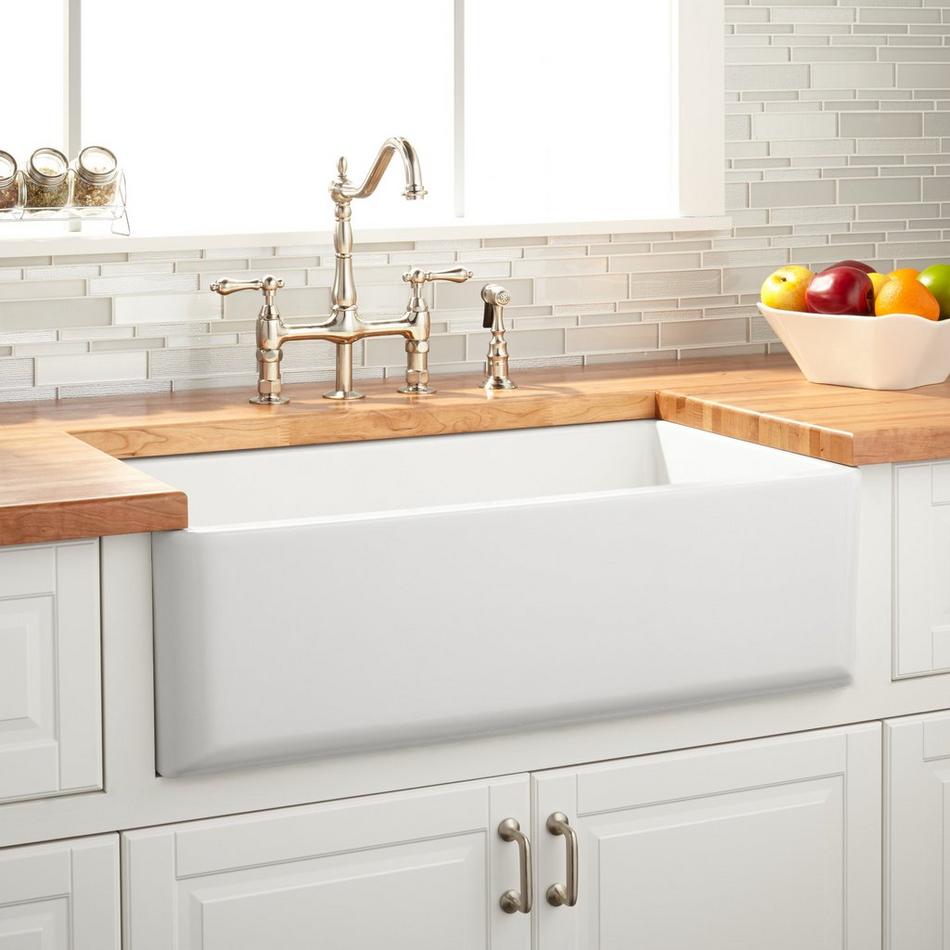
Iconic Farmhouse Aesthetic
Fireclay sinks deliver a vintage-inspired look rooted in classic European design. The glossy white glaze and clean lines pair naturally with apron-front cabinets, shaker drawers, and subway tile backsplashes. Unlike trendy finishes that age quickly, fireclay maintains its visual appeal for decades.
Works in Traditional and Transitional Spaces
While most common in farmhouse kitchens, fireclay also fits transitional and cottage-style designs. It complements warm wood tones, natural stone, and matte black or brass fixtures. If your kitchen features beadboard, exposed beams, or vintage-inspired hardware, a fireclay sink feels right at home.
A Natural Focal Point
The depth and presence of a fireclay basin make it more than a utility fixture. It becomes a design centerpiece that anchors the entire room. Even in understated kitchens, it draws the eye and adds character without overwhelming surrounding elements.
Built to Withstand Heavy Daily Use
Exceptional Heat Resistance
One of the most practical fireclay sink pros is its ability to handle extreme temperatures. You can place boiling pots, hot baking sheets, or freshly emptied pasta water directly into the basin without damage. Composite and stainless steel sinks can warp or discolor under similar conditions.
Strong Scratch and Stain Defense
The non-porous glaze resists scratches from utensils, pots, and cleaning tools. It also repels common kitchen stains like coffee, wine, beet juice, and turmeric. Unlike stainless steel, fireclay doesn’t show fingerprints or water spots, keeping it looking clean between washes.
Corrosion and Rust Proof
Fireclay’s enameled surface prevents rust and corrosion, even with constant water exposure. This makes it a reliable choice in humid climates, coastal homes, or kitchens with hard water. The material won’t degrade from moisture, soap residue, or typical cleaning products.
Multi-Decade Lifespan
With proper care, a fireclay sink can last 30 years or longer. The glaze doesn’t fade in sunlight, and the body resists wear from daily use. Many homeowners pass their original fireclay sinks through major renovations, making it a true long-term investment.
Weight and Installation Demands
Extremely Heavy Construction
Fireclay sinks typically weigh between 80 and 150 pounds, depending on size and style. This weight demands reinforced cabinetry, especially for apron-front models that extend past the base. Standard cabinets may require plywood bracing, metal supports, or full structural modification.
Professional Installation Recommended
Because of the weight and fragility, professional installation is strongly advised. Improper handling can crack the basin before it’s even used. Installation labor often adds $200 to $500 to your total project cost, but it reduces the risk of damage and ensures proper fitting.
Limited Compatibility With Existing Cabinets
Retrofitting a fireclay sink into an older kitchen can be challenging. You may need to resize the cabinet opening, adjust plumbing lines, or modify countertops. Always measure carefully and consult a contractor before ordering to avoid costly surprises.
Higher Cost, Higher Value
Premium Price Range
Fireclay sinks typically cost between $500 and $1,500, with high-end models exceeding $2,000. By comparison, composite sinks average $200 to $400. The price reflects the handcrafting process, quality of materials, and specialized shipping requirements.
Expensive and Risky Shipping
Due to their weight and brittleness, fireclay sinks ship via freight carriers with careful handling. Shipping fees can add $100 to $300, and damage during transit is a real risk. Always inspect the sink on arrival and document any chips or cracks before installation.
Long-Term Value vs. Resale Return
While fireclay may not fully recoup its cost at resale, it adds perceived value to buyers who appreciate quality. For homeowners planning to stay long-term, the durability and timeless look justify the upfront expense. For short-term flips, lighter and cheaper options may yield better returns.
Chipping and Cracking Risks

Vulnerable to Hard Impacts
Despite their strength, fireclay sinks can chip or crack when struck by heavy objects. Dropping a cast-iron skillet, glass bottle, or heavy pot at the wrong angle can damage the rim or basin floor. Chipping is most common around the drain and edges.
Repairs Are Possible but Visible
Small chips can be fixed with porcelain touch-up kits, though the repair may be noticeable. Larger cracks usually require full replacement, which is costly due to the sink’s weight and installation complexity. Prevention is far easier than repair.
Use Protective Accessories
Adding rubber sink mats or bottom grids cushions heavy cookware and protects the surface. Avoid leaving wet metal items in the basin, as prolonged contact can leave rust marks or discoloration. Simple habits go a long way toward preserving the finish.
Cleaning and Maintenance Made Simple
Daily Care Takes Minutes
The smooth glaze wipes clean with warm water and mild dish soap. No special cleaners or techniques are needed for routine upkeep. The non-porous surface also resists bacteria, making it a hygienic choice for food preparation areas.
Avoid Harsh Abrasives
Never use steel wool, scouring powders, or rough scrubbing pads. These can dull the glaze over time, making it more prone to staining. Stick to soft cloths, sponges, or non-abrasive brushes for best results.
Safe Stain Removal Methods
For hard water spots, apply a paste of baking soda and water, let it sit for 10 to 15 minutes, then rinse. For organic stains, diluted white vinegar works well, but always rinse thoroughly afterward. These gentle methods keep the glaze intact.
Prevent Long-Term Discoloration
Some fireclay sinks develop a subtle yellow tint over decades, especially in homes with iron-rich water. Installing a water softener and rinsing the sink after each use helps preserve the original color. Avoid leaving coffee grounds, tea bags, or wet sponges sitting overnight.
Fireclay vs. Composite: How They Compare

Heat Performance
Fireclay handles extreme heat without damage, while composite can scorch or warp under hot cookware. For serious cooks, fireclay offers clear advantages.
Scratch and Chip Behavior
Both materials resist everyday scratches, but fireclay chips are more visible when they occur. Composite may show deeper scratches over time, though they’re easier to buff out.
Noise During Use
Composite sinks include built-in sound dampening, making them quieter during dishwashing. Fireclay is denser and louder, though bottom grids help reduce noise from clattering dishes.
Style and Color Options
Composite sinks come in black, gray, blue, and speckled finishes, fitting modern and industrial designs. Fireclay is almost exclusively white, limiting flexibility for contemporary kitchens.
Cost and Longevity
Composite wins on upfront price and easy installation. Fireclay costs more but lasts longer, making it the better choice for permanent kitchens and design-focused renovations.
Matching Fireclay to Your Lifestyle
Best for Traditional Kitchens
If your home features classic architecture, vintage details, or a farmhouse layout, fireclay enhances the space naturally. It pairs beautifully with apron-front cabinetry, stone countertops, and warm metal finishes.
Ideal for Frequent Home Cooks
If you cook daily, boil large pots, or handle hot pans often, fireclay’s heat resistance is a major benefit. It stands up to the demands of busy kitchens without showing wear.
Not Suited for Renters or Short-Term Stays
The weight, cost, and installation complexity make fireclay a poor fit for rentals or temporary upgrades. If you move often or want a quick refresh, lighter alternatives make more sense.
Ask Yourself These Questions
- Do you want a sink that looks the same in 20 years?
- Are you willing to reinforce your cabinetry?
- Does your kitchen lean traditional rather than ultra-modern?
If you answered yes, fireclay is a strong match. If not, composite or stainless steel may serve you better.
Frequently Asked Questions About Fireclay Sinks
Are fireclay sinks durable enough for everyday use?
Yes, fireclay sinks are built for heavy daily use. They resist heat, scratches, and stains far better than most materials. With basic care, they can last 30 years or more without major issues.
Do fireclay sinks chip easily?
Fireclay is durable but not indestructible. Heavy impacts, like dropping a cast-iron skillet, can chip the rim or basin. Using sink mats and handling cookware carefully greatly reduces this risk.
How much do fireclay sinks cost compared to other materials?
Fireclay sinks typically range from $500 to $1,500, with premium models exceeding $2,000. Composite sinks average $200 to $400, and stainless steel falls in between. The higher price reflects the handcrafted construction and shipping demands.
Can I install a fireclay sink myself?
DIY installation is possible but risky due to the sink’s weight and fragility. Professional installation is recommended to prevent cracking during handling and to ensure proper cabinet support.
Do fireclay sinks stain over time?
The glazed surface resists most stains, but prolonged exposure to coffee, tea, or hard water minerals can cause discoloration. Regular cleaning and rinsing after use help maintain the bright white finish.
Are fireclay sinks worth the investment?
For homeowners who value timeless design, heat resistance, and long-term durability, fireclay offers excellent value. If you plan to stay in your home for many years, the lifespan justifies the cost.
Key Takeaways: Deciding if a Fireclay Sink Is Right for You
Fireclay sinks deliver rare combination of classic beauty and serious performance. They handle heat, resist stains, and last for decades, making them ideal for traditional kitchens and frequent cooks. However, their weight, cost, and chipping risk require careful planning and realistic expectations.
Before buying, evaluate your cabinetry strength, installation budget, and long-term design goals. If you’re renovating a permanent kitchen and want a sink that becomes a true centerpiece, the fireclay sink pros clearly outweigh the cons. Start by measuring your space, consulting a professional installer, and choosing a reputable brand to ensure your investment lasts a lifetime.