You turn on the tap, pour a glass, and notice the water looks milky or hazy. It’s unsettling, especially if you’re unsure whether it’s safe to drink. Cloudy water from the sink is a common household complaint, and in most cases the cause is completely harmless. Tiny air bubbles trapped in your plumbing are the usual culprit, and they clear on their own within minutes.
However, not all cloudy water is the same. Brown or yellow discoloration, persistent cloudiness, or odd smells can point to sediment, corroded pipes, or municipal supply issues that need attention. Knowing the difference helps you act quickly, whether that means waiting it out, flushing your taps, or calling a professional.
This guide explains the real causes of cloudy tap water, how to test it in under a minute, and exactly what to do based on what you see. You’ll learn when the water is safe, when to avoid it, and when to call your water supplier or a plumber.
Trapped Air Bubbles in Water
Tiny air bubbles are the number one cause of white, milky water from the tap. When the water supply is interrupted, whether from a burst main, repair work, or plumbing updates in your home, air enters the pipes. Once flow resumes, that air stays suspended in the water, giving it a cloudy appearance.
How to Confirm It’s Just Air
The fastest way to verify air bubbles: pour water into a clear glass and watch. If the cloudiness starts at the bottom and rises to the top within seconds, it’s air escaping to the surface. The process usually takes 10–30 seconds.
Air-related cloudiness is:
– Harmless for drinking, cooking, and bathing
– Short-lived, resolving within minutes to 24 hours
– Widespread, often affecting multiple homes in the same area
No treatment is needed. Running your tap for 1–2 minutes can help flush the air out faster.
Common Events That Introduce Air
Air typically enters plumbing systems during:
– Water main repairs after a burst or damaged pipe
– Plumbing work in your home, such as new installations
– Service interruptions scheduled by your utility company
If your neighbors have the same issue, a network-wide event is likely. Check for official notices from your water provider.
Brown or Muddy Water Causes
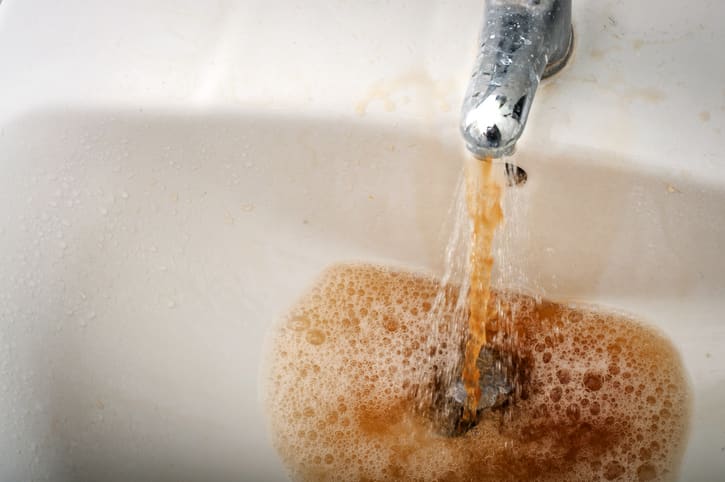
White cloudiness is one thing, but brown, yellow, or muddy water signals a different problem. Sediment, rust, or corroded pipes are usually to blame, and this type of discoloration may pose health concerns.
Burst Pipes Stir Up Sediment
A break in the main water line can pull dirt and rust into the system. Even after repairs, restored water flow can disturb decades of accumulated sediment, especially in areas with aging infrastructure, including pipes over 100 years old. The result is temporary but visible discoloration.
Unlike air bubbles, sediment-laden water:
– May not clear in a glass
– Can persist for several days
– Often affects entire neighborhoods
In one documented case, brown water lasted over 20 minutes despite continuous flushing, confirming a serious supply-line issue.
Corroded Pipes Release Rust
Old galvanized steel or iron pipes corrode over time, shedding rust particles into the water. If only your hot water looks off, the problem may be inside your water heater tank. If both hot and cold taps are affected, household pipe corrosion is the likely cause.
Common signs of internal pipe corrosion:
– Cloudy water every time you turn on the tap
– Rust particles collecting in faucet screens
– Noticeably low water pressure
If your home is more than 20 years old and has never had plumbing updates, internal corrosion should be ruled out.
How Long Should Cloudy Water Last?

Duration is one of the best clues for diagnosing the cause. The longer the cloudiness persists, the more serious the underlying issue.
Less Than 1 Minute: Likely Air
If water clears within seconds of running the tap, it’s almost certainly trapped air. This is normal after service interruptions and resolves without intervention.
5–20 Minutes: Sediment Flushing
Run the tap for 5–10 minutes if you suspect sediment. Most utility companies recommend this to flush disturbed particles from the line.
- Clears within 10 minutes? The problem is likely temporary and external.
- Still cloudy after 15–20 minutes? Shut off the main valve and call a plumber.
In one reported case, brown water persisted for 20+ minutes, later confirmed as a main line issue requiring utility intervention.
Over 24 Hours: Seek Help
Cloudy water lasting more than a day is not normal. Contact your water supplier immediately if:
– The water hasn’t cleared
– It’s accompanied by strange smells or taste
– Neighbors are unaffected, suggesting an internal plumbing issue
Persistent cloudiness may indicate ongoing contamination or failing household pipes.
Is Cloudy Water Safe to Drink?
Safety depends entirely on the cause. Here’s how to judge it.
Air Bubbles: Completely Safe
White, milky water that clears in a glass poses no health risk. No boiling, filtering, or special precautions are needed. It’s simply air, similar to carbonation in soda.
Sediment Water: Avoid Consumption
Brown or muddy water may contain rust, dirt, or microbial contaminants. Do not drink or cook with it until it runs clear and is confirmed safe by your water provider.
Boiling does not remove sediment or rust. In one case, a resident boiled discolored water but remained concerned about safety.
Recommended precautions during a discoloration event:
– Use bottled water for drinking and cooking
– Avoid giving tap water to children or pets
– Wait for official confirmation from your water provider
What to Do About Cloudy Tap Water

Follow these steps to diagnose and resolve the issue quickly.
Step 1: Perform the Glass Test
- Fill a clear glass with cold water from the tap
- Set it on the counter and observe
- If it clears from the bottom up, it’s air
- If it stays cloudy or settles into particles, it’s sediment
This 30-second test reveals most of what you need to know.
Step 2: Run the Tap
For air bubbles:
– Run the tap for 1–2 minutes to flush the line
– Repeat if cloudiness returns after sitting
For sediment:
– Run cold water for 5–10 minutes at full flow
– Start with the lowest faucet in your home (such as a basement tap)
Avoid using hot water during a discoloration event. This can pull sediment into your water heater, where it can cause lasting damage.
Step 3: Check with Neighbors
Ask nearby households if they’re experiencing the same problem.
- Yes? Likely a municipal supply issue
- No? Points to internal plumbing or a water softener problem
Community forums and social media often have real-time updates during widespread events.
Step 4: Contact the Right Service
Call your water supplier if:
– Cloudiness lasts over 24 hours
– Water is brown and won’t clear
– You notice bad taste or smell
– No official notice has been issued
– Multiple homes are affected
Call a plumber if:
– Only your home is affected
– Cloudiness returns daily
– You see rust in water or fixtures
– Water pressure is low
– Your home has old galvanized pipes
A plumber can inspect for internal corrosion, flush your water heater, or replace failing components.
Internal Plumbing vs. Supply Issues
Distinguishing between home and municipal problems saves time and money.
Signs It’s Your Plumbing
- Cloudy water only from one faucet
- Problem recurs every morning
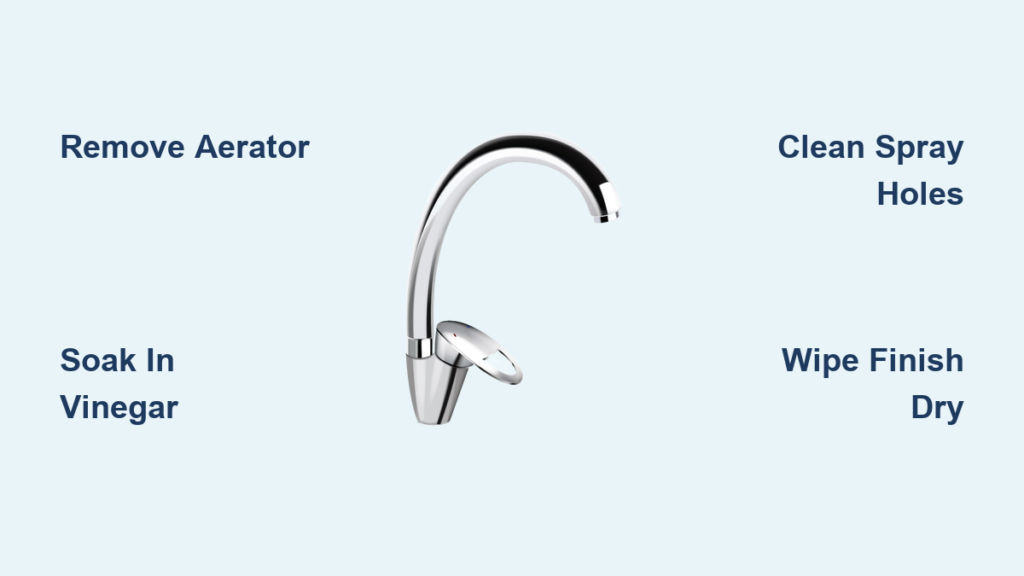
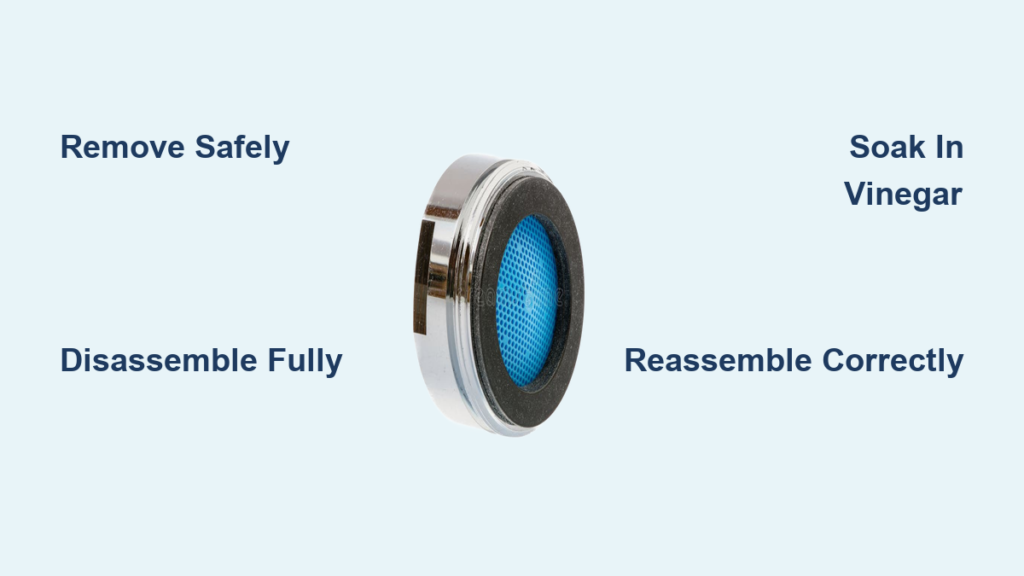
- Sediment collects in aerators
- Hot water is cloudier than cold
- Home is older with unupdated pipes
Possible culprits include:
– Corroded pipe sections
– A failing water softener
– Sediment buildup in the water heater
– Deteriorating faucet cartridges
Signs It’s the Water Supply
- Multiple homes are affected
- An official notice has been posted
- The issue started after roadwork or a main repair
- Water clears after 10–20 minutes of running
- All faucets are equally affected
In these cases, flushing is the fix, not repairs.
Preventing Future Cloudy Water
You can’t control municipal pipe breaks, but you can reduce internal causes.
Flush Your Water Heater Annually
Sediment builds up in the tank over time. Annual flushing removes rust and minerals:
1. Turn off power or gas to the unit
2. Connect a hose to the drain valve
3. Open the valve and flush until water runs clear
4. Refill and restart
Do this every 12 months to maintain water quality.
Install a Whole-House Filter
A sediment filter captures rust and particles before they reach your taps. It’s ideal for homes with:
– Well water
– Old plumbing
– Frequent discoloration
Filters require annual replacement but improve clarity and extend appliance lifespan.
Replace Aging Pipes
Homes with galvanized steel pipes (common before 1960) should consider repiping with copper or PEX. Benefits include:
– Eliminating rust at the source
– Improved water pressure
– Fewer leaks and contamination risks
Although costly, repiping is a long-term solution for chronic water quality issues.
When to Shut Off the Main Water Valve
If brown water flows for more than 15 minutes without clearing:
1. Turn off the main water supply
2. Avoid using toilets, washing machines, or dishwashers
3. Contact your water provider or plumber
This prevents sediment from entering appliances and the water heater, where it can cause permanent damage.
One resident avoided costly repairs by shutting off the main valve during a prolonged discoloration event, stopping rust from clogging their boiler.
Frequently Asked Questions About Cloudy Water
Is cloudy water from the sink safe to drink?
If the cloudiness is caused by trapped air and clears within a few seconds in a glass, it is completely safe. Brown or muddy water should not be consumed until it clears and your water provider confirms it is safe.
How do I tell if cloudy water is air or sediment?
Fill a clear glass with cold water and watch. If the cloudiness clears from the bottom up in seconds, it is air. If it stays cloudy, settles into particles, or appears brown, it is likely sediment or rust.
How long should cloudy tap water last?
Cloudiness from air bubbles usually clears within minutes to 24 hours. Sediment-related discoloration can last several days, especially after main line repairs. If cloudiness persists beyond 24 hours, contact your water supplier.
Should I boil cloudy water to make it safe?
Boiling does not remove sediment, rust, or chemical contaminants. If your water is brown or discolored, use bottled water for drinking and cooking until your provider confirms the tap water is safe.
When should I call a plumber about cloudy water?
Call a plumber if the cloudiness only affects your home, returns daily, is accompanied by low pressure, or if you have old galvanized pipes. A plumber can check for internal corrosion, water heater sediment, or failing fixtures.
Who do I contact for brown water in my area?
Contact your water supplier if brown water affects multiple homes, lasts beyond 24 hours, or comes with unusual taste or smell. The utility can investigate supply-side issues and issue safety advisories.
Key Takeaways for Cloudy Water from the Sink
Cloudy water from the sink is usually harmless and temporary, caused by air bubbles after a supply interruption. Perform the glass test: if it clears from the bottom up, you’re safe. Brown water, persistent cloudiness, or unusual smells are warning signs that need attention.
- For air bubbles: Wait it out or flush the tap for 1–2 minutes
- For sediment: Avoid drinking, run cold water for 5–10 minutes, and contact your utility
- For persistent issues: Call a plumber to inspect internal pipes
Stay informed through official notices, check with neighbors, and keep bottled water on hand during disruptions. With the right steps, you can restore clear, safe water quickly.