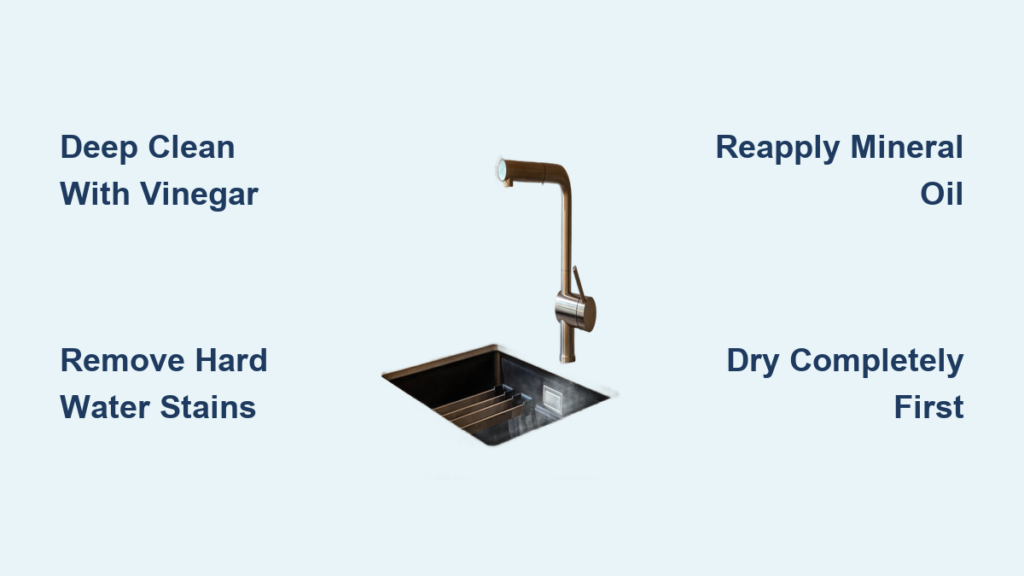
A granite composite sink brings durability and elegance to any kitchen, but over time it can lose its shine from hard water stains, mineral buildup, and everyday wear. If your sink has developed a white haze, stubborn stains, or just looks dull, you’re not alone, especially if you live in a hard water region. The good news is that with the right tools and techniques, you can restore its original luster and keep it looking like new.
This guide walks you through a complete cleaning system using safe, effective methods that protect your sink’s finish. You’ll learn how to deep clean, remove tough stains, prevent damage, and apply protective oiling, all while avoiding common mistakes that could permanently harm the surface.
Deep Clean with Vinegar Solution
Vinegar is one of the safest and most effective cleaners for granite composite sinks. Its mild acidity dissolves mineral deposits, soap scum, and everyday grime without damaging the surface.
Mix the Right Cleaning Solution
Combine equal parts white vinegar and water in a spray bottle or bowl. For best results, use distilled vinegar to prevent additional mineral residue. For a grease-fighting boost, add 1 cup vinegar, 1 cup water, and 1 teaspoon Dawn dish soap.
Apply and Scrub the Entire Surface
Spray or sponge the solution across the sink. Use the hard side of a dual-sided sponge for calcium deposits around the drain and edges. For stubborn spots, gently use 0000-grade steel wool, but only on non-sensitive areas like the basin floor. Never use it near the drain or stainless steel parts. Avoid metal scrubbers, which can scratch and leave embedded particles.
Let It Sit Before Rinsing
Allow the vinegar solution to sit for at least 5 minutes to break down deposits. For heavy limescale, use a 1:3 vinegar-to-water ratio and leave it overnight. Do not exceed recommended dwell times when using stronger solutions.
Rinse Thoroughly
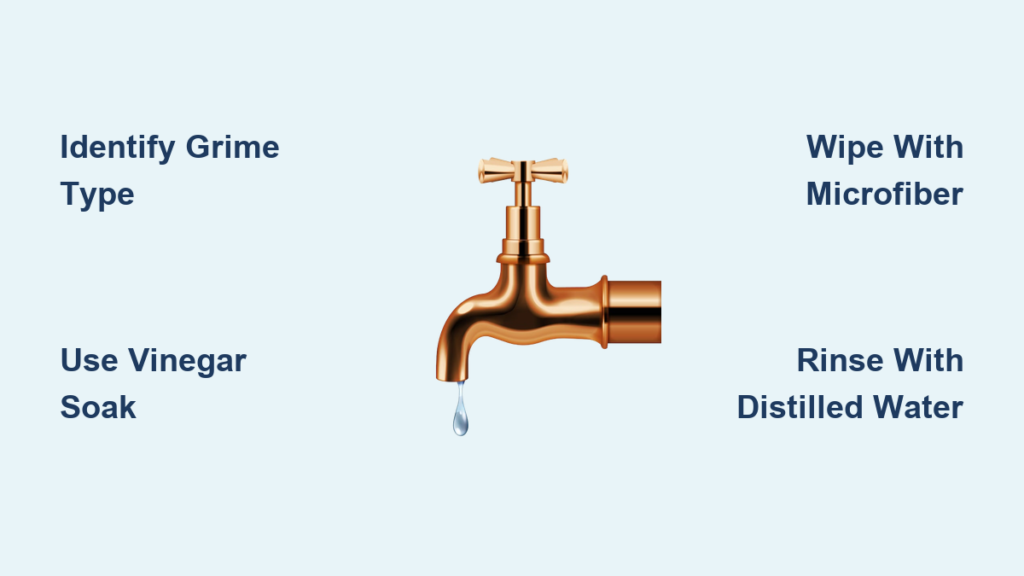
Flush the sink with clean water, ensuring all traces of vinegar are removed. Run water through the drain to clear loosened debris. Rinse twice if needed, since residue can cause cloudiness, especially on black sinks.
Fix Stubborn Stains and Haze

Even with regular cleaning, some issues persist. Hard water stains, discoloration, and surface haze require targeted treatments.
Remove Hard Water Stains with Bar Keepers Friend
For white haze or mineral buildup, apply Bar Keepers Friend Soft Cleanser across the entire sink. Work it in with a non-scratch scrub sponge using circular motions. Do not let it sit longer than 5 minutes, especially on black composite sinks, as overexposure leaves a hazy film. Rinse thoroughly, twice if necessary.
Treat Tough Stains with Diluted Bleach
On light-colored sinks with deep stains from tea, coffee, or wine, fill the basin with a 40:1 water-to-bleach solution. Let it sit overnight, then drain and rinse completely. This method is not for daily use and should never be mixed with other cleaners.
Address Graying or Yellowing on the Bottom
Prolonged neglect leads to limescale accumulation, causing the sink base to appear gray or yellow. Use a commercial descaling agent or concentrated vinegar solution, leaving it for several hours or overnight. Repeat as needed, as this is a gradual process that requires patience.
Clean the Drain and Garbage Disposal
A clean sink isn’t complete without addressing the drain and disposal unit, where odors and grime hide.
Scrub Around the Drain
Use an old toothbrush to clean crevices around the drain flange. Remove food particles, grease, and soap scum that accumulate over time to prevent clogs and keep the area hygienic.
Deodorize the Garbage Disposal
Drop a CLR Garbage Disposal Cleaner Tablet into the unit with a small amount of water. Run the disposal for 30 seconds to eliminate bacteria, odors, and buildup. Do this monthly as part of routine maintenance.
Maintain the Faucet and Spray Head
Hard water stains often appear on faucet aerators and retractable spray heads, affecting both performance and appearance.
Soak the Spray Head
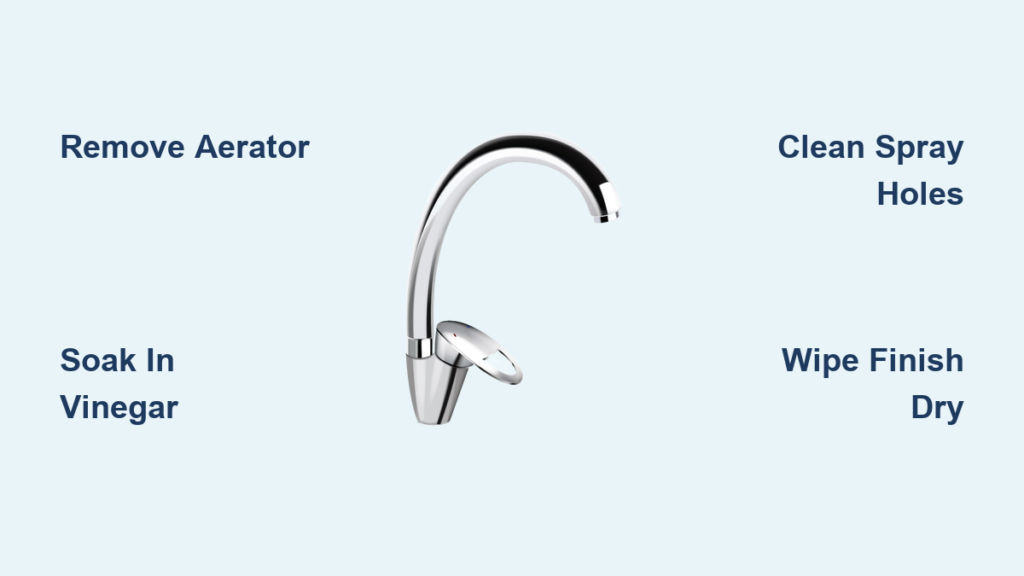
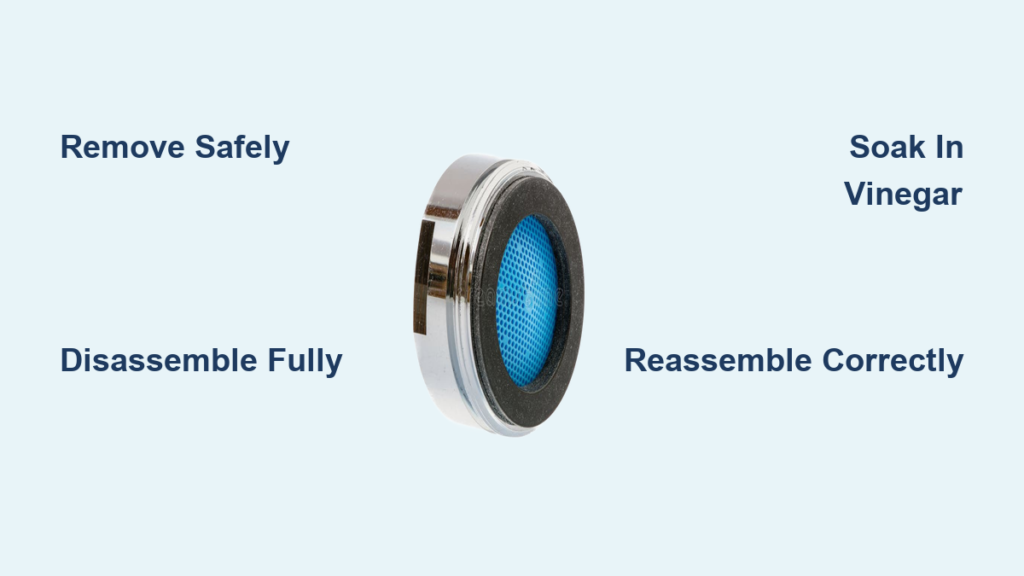
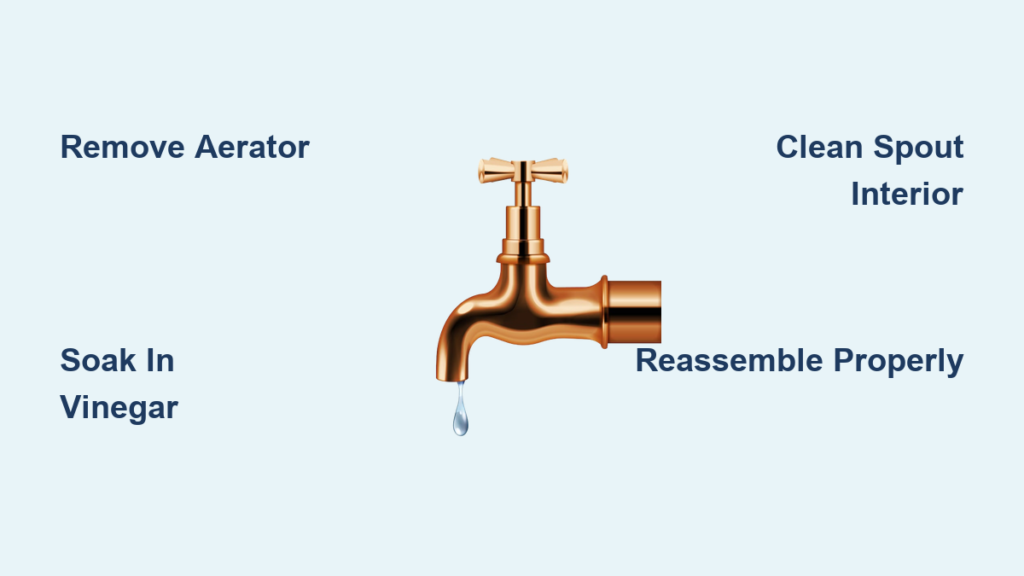
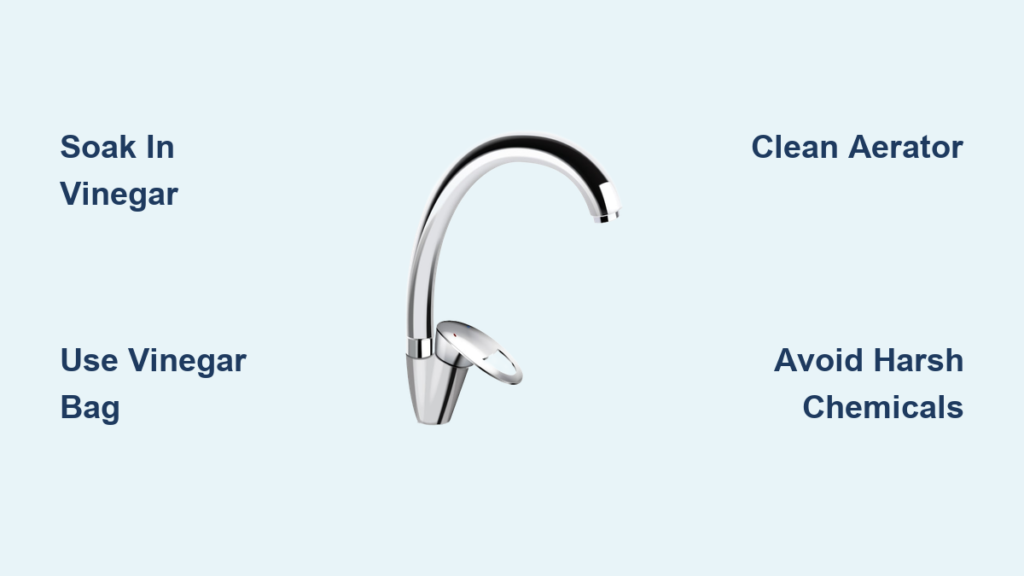
Remove the spray head if possible, or use a chip clip to submerge it in a bowl of white vinegar or CLR for 30 to 60 minutes. This dissolves mineral deposits that restrict water flow.
Scrub and Rinse
After soaking, gently scrub the nozzle with a toothbrush. Rinse thoroughly and reattach, then test water flow to ensure full functionality.
Dry Completely Before Oiling
Moisture is the enemy of proper oil absorption. Skipping this step leads to streaks, uneven protection, and reduced shine.
Wipe with a Microfiber Towel
Use a microfiber towel to dry the entire sink surface, including the bowl, edges, drainer, and outer rim. Pay special attention to corners and under the lip where water pools.
Air-Dry for 5 to 10 Minutes
Let the sink sit undisturbed to ensure it’s completely dry. Any remaining moisture will block oil penetration and create a patchy finish.
Restore Shine with Mineral Oil
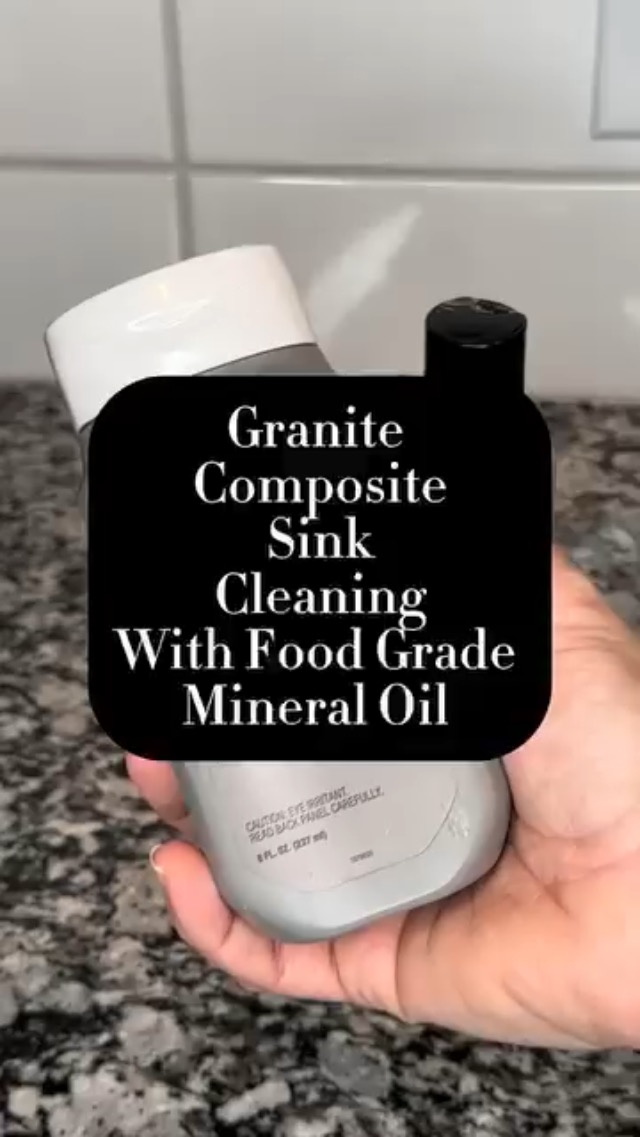
Oiling isn’t optional; it’s essential for long-term protection and appearance.
Choose Food-Grade Mineral Oil
Use USP-grade or food-safe mineral oil, available online or in pharmacies. Avoid petroleum-based oils or substitutes that may stain or degrade the surface.
Apply a Thin, Even Layer
Place a few drops on a paper towel and spread it over the entire sink: bowl, drainer, edges, and even stainless steel components. Reapply oil as needed, but don’t over-apply. A thin, saturated layer is all that is required.
Buff to a Streak-Free Finish
Use a clean microfiber cloth to buff the surface until smooth and shiny. Remove excess oil to prevent stickiness, then let the sink dry for at least one hour before use.
Prevent Damage and Buildup
Avoiding harmful habits is just as important as cleaning.
Never Use Harsh Chemicals
Avoid chlorine-based bleach, oven cleaners, caustic soda, acidic descalers, and paint removers. These cause discoloration, etching, or permanent stains. Even strong acids from kettle descalers can damage the resin binder in the composite.
Skip Metal Scrubbers
Steel wool pads and metal sponges leave tiny particles that embed into the surface, leading to rust spots and scratches. Use only non-abrasive sponges like Scrub Daddy for daily cleaning.
Protect from Heat and Impact
While granite composite resists heat up to 280°C (536°F) for 10 to 15 seconds, never pour hot oil or place sizzling pots directly in the sink. Sharp objects can chip the surface, so always use a cutting board.
Follow a Smart Maintenance Schedule
Consistency beats intensity. Regular care prevents deep buildup and extends the time between deep cleans.
Daily: Wash and Dry After Use
Clean with a pH-neutral dish soap and soft sponge after each use. Dry thoroughly, especially in hard water areas, to prevent mineral deposits and water spots.
Weekly: Deep Clean with Vinegar
Perform a full vinegar wash weekly to maintain clarity and prevent haze. Include drain scrubbing and faucet wipe-downs.
Every 3 to 4 Weeks: Reapply Mineral Oil
Re-oil when the sink starts looking dull or water no longer beads. This maintains the protective barrier and keeps the finish rich and glossy.
Every 3 to 6 Months: Full Restoration
Repeat the complete process: deep clean, descale if needed, clean the disposal, soak the spray head, and re-oil. Do this more frequently if you notice staining or heavy use.
Avoid Common Mistakes
Even well-intentioned cleaning can go wrong without the right knowledge.
Don’t Leave Wet Items Overnight
Plastic sink grids, damp sponges, or cloths left in the sink trap moisture and accelerate limescale formation. Remove them after use.
Don’t Use the Sink as a Cutting Board
Cutting food directly in the sink risks scratches and dulls knives. Always use a proper cutting surface.
Don’t Store Hot Pots in the Sink
Using the sink to cool down pans exposes it to prolonged high heat, risking surface damage over time.
Special Tips for Black Composite Sinks

Dark sinks show every flaw, but they also deliver stunning results when cared for properly.
Watch for Hazy Residue
Black sinks highlight cloudiness from leftover cleaner. Always rinse Bar Keepers Friend twice and ensure no vinegar or soap film remains.
Oil Enhances Depth and Shine
Mineral oil brings out the deep black tone, creating a polished, streak-free finish. Buff carefully for professional-looking results.
Frequently Asked Questions About Cleaning Granite Composite Sinks
Can I use bleach on a granite composite sink?
Yes, but only in a heavily diluted form. For difficult stains on light-colored sinks, use a 40:1 water-to-bleach solution left overnight, then rinse thoroughly. Never use concentrated bleach or chlorine-based products, as they cause permanent discoloration.
How often should I oil my granite composite sink?
Reapply food-grade mineral oil every 3 to 4 weeks, or whenever the sink starts looking dull and water no longer beads on the surface. In high-use kitchens, you may need to oil more frequently.
Is vinegar safe for granite composite sinks?
Yes. A 50/50 vinegar-and-water solution is one of the safest and most effective cleaners for granite composite. It dissolves mineral deposits and soap scum without damaging the finish. For heavy limescale, a 1:3 vinegar-to-water ratio left overnight works well.
What causes the white haze on my sink?
White haze is typically caused by mineral buildup from hard water, soap scum, or leftover cleaner residue. Regular drying after use, weekly vinegar cleaning, and periodic oiling prevent and remove this haze.
Can I use steel wool on my granite composite sink?
Only 0000-grade steel wool, and only on non-sensitive areas like the basin floor. Never use it near the drain, stainless steel components, or colored finishes, since it can cause permanent scratches. Avoid standard metal scrubbers entirely.
Key Takeaways for a Beautiful Granite Composite Sink
A granite composite sink can stay stunning for years with simple, consistent care. Stick to vinegar-based cleaners for routine maintenance, avoid harsh chemicals and metal scrubbers, and always dry the sink after use. Reapply food-grade mineral oil every few weeks to maintain that rich, protective shine.
For the best results, start with a full deep clean and oiling session today, then follow the weekly and monthly schedule to keep your sink looking brand new. No special skills required, just a few minutes of attention on a regular basis.