Nothing ruins the look of a clean kitchen or bathroom faster than a stained porcelain sink. Gray streaks from cookware, chalky hard water rings, and dull discoloration around the drain can make even well-maintained sinks look dingy and neglected. The good news? Most stains lift easily with the right method and a few affordable products. This guide shares proven techniques to restore your porcelain sink’s original shine without scratching the glaze.
You’ll learn how to tackle everything from everyday grime to years of mineral buildup using commercial cleaners like Bar Keepers Friend or natural DIY options like baking soda and vinegar. Each method includes step-by-step instructions, recommended tools, and clear timing guidance.
Best Cleaners for Porcelain Sinks
Bar Keepers Friend: Top-Rated Stain Remover
Bar Keepers Friend consistently outperforms other cleaners on stained porcelain sinks. Its gentle formula lifts discoloration, gray marks, and everyday grime without scratching the protective glaze. The powder form is highly concentrated, so a small amount covers a large area. It’s safe for porcelain, ceramic, stainless steel, and enamel finishes when used as directed.
For best results, pair the powder with a heavy-duty non-abrasive sponge and scrub stained zones using firm, circular motions. Users report immediate brightness and a streak-free finish after just one use. Use this cleaner monthly for deep cleaning or as needed after heavy cooking sessions.
Bleach Solution for Tough Mineral Buildup
A diluted bleach solution works wonders on hard water stains and mineral deposits in bathroom sinks. Mix 50ml of concentrated bleach with 300ml of water in a 400ml spray bottle (roughly a 1:5 ratio). Shake well and spray the entire sink, focusing on areas around the faucet base and drain.
Let the solution sit for 15 minutes. This dwell time allows the oxidizing agents to break down calcium and lime. Then gently scrub with a non-abrasive sponge and rinse thoroughly. This method delivers dramatic results on stubborn stains in under 30 minutes. Always ventilate the room and never mix bleach with ammonia or other cleaners.
Baking Soda and Vinegar: Natural Stain Fighter
This household duo creates a fizzy reaction that lifts stains and loosens buildup. Sprinkle a generous layer of baking soda over the stained area, then pour white vinegar directly on top. Watch it bubble and let the mixture sit for 15–20 minutes.
The effervescence helps break down organic matter and mineral deposits. After soaking, scrub with a soft sponge using circular motions and focus on discolored zones and edges. Rinse completely with warm water and repeat if needed. This method is ideal for light to moderate stains and works well for anyone avoiding chemical cleaners.
Remove Gray Marks from Cookware

Use Bar Keepers Friend on Kitchen Sinks
Gray marks from pots, pans, and metal utensils are the most common kitchen sink complaint. To remove them fast, wet the sink thoroughly to loosen surface grime. Sprinkle Bar Keepers Friend powder across the bottom and sides, especially where gray streaks appear.
Use a Scotch-Brite Heavy Duty Scrubbing Sponge, which is tested and recommended for durability without damaging porcelain. Scrub the entire basin, including edges and around the drain. Most stains vanish within seconds. For stubborn marks, let the powder sit for 1–2 minutes before scrubbing. Rinse all residue down the drain and dry with a microfiber cloth to prevent water spots.
Avoid Steel Wool and Harsh Abrasives
Never use steel wool or abrasive pads on porcelain sinks. These materials scratch the surface, making it more prone to staining and harder to clean in the future. Even fine-grade steel wool may leave micro-scratches that dull the finish over time.
Instead, stick to non-abrasive sponges, soft brushes, or microfiber cloths. The goal is to lift stains without damaging the protective glaze. If a cleaner requires excessive scrubbing, switch products rather than increasing pressure. Gentle tools paired with the right cleaner deliver better long-term results.
Fix Hard Water Stains Fast

Apply Vinegar for Mineral Deposits
White vinegar is a natural acid that dissolves calcium and lime buildup. Pour vinegar directly onto stained areas or soak a paper towel in vinegar and lay it over tough spots for 10–15 minutes. Extended contact time helps penetrate mineral layers.
After soaking, scrub gently with a microfiber cloth or soft sponge. The sink will appear brighter and water spots will fade. Rinse well with water. For ongoing maintenance, wipe the sink dry after each use to prevent new deposits from forming. Vinegar is safe, cheap, and highly effective for light to moderate hard water stains.
Try Hydrogen Peroxide for Shine and Disinfection
A 50/50 mix of hydrogen peroxide and water cleans, disinfects, and restores luster to dull porcelain. Pour or spray the solution over the sink surface and let it sit for 10 minutes. Hydrogen peroxide breaks down organic stains and kills bacteria, making it ideal for bathroom sinks.
After the dwell time, scrub lightly and rinse thoroughly. This method leaves no harsh chemical residue and enhances surface brightness. It’s particularly useful after other cleaners to ensure a hygienic, sparkling finish. Keep this solution on hand for weekly wipe-downs.
Deep Clean the Drain Area
Scrub Around and Inside the Drain
The area around the drain often accumulates the most grime and discoloration, so don’t skip this zone. After applying your chosen cleaner, focus extra attention here. Remove the drain cover if possible and scrub both the underside and the sink opening.
Use an old toothbrush or small scrub brush to reach tight spaces. Mineral deposits and food debris hide in crevices and contribute to odor and staining. A thorough scrub makes a dramatic difference in overall appearance. Reinstall the cover only after everything is rinsed and dried.
Prevent Buildup with Regular Maintenance
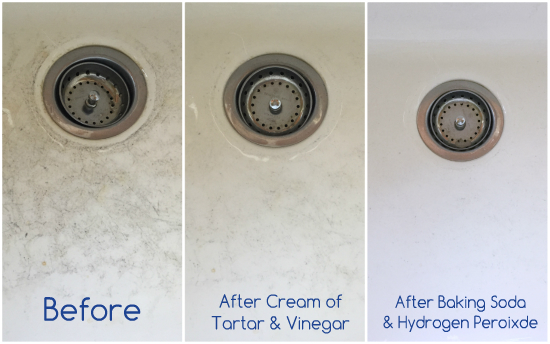
To avoid recurring drain-area stains, clean it weekly with a baking soda paste or vinegar soak. Pour half a cup of baking soda down the drain followed by half a cup of vinegar. Let it fizz for 15 minutes, then flush with hot water. This clears minor buildup and prevents gunk from hardening.
For surface cleaning, apply paste around the drain rim and scrub monthly. Keeping this area clean improves looks and maintains hygiene. Pair this habit with drying the sink after use to minimize moisture that encourages mold and mineral buildup.
Choose the Right Cleaning Tools
Use Non-Abrasive Sponges Only
Protect your porcelain sink by using only non-abrasive cleaning tools. Scotch-Brite Heavy Duty Scrubbing Sponges are specifically recommended because they’re tough on stains yet safe on surfaces. Avoid green Scotch-Brite pads or any sponge labeled heavy-duty if it feels scratchy.
Opt for soft sponges for daily wipe-downs and non-scratch brushes for textured areas. Microfiber cloths are perfect for drying and polishing. These tools remove grime without compromising the sink’s finish and reduce the need for aggressive cleaning later.
Replace Worn or Dirty Sponges
An old, dirty sponge can scratch and re-deposit grime instead of removing it. Replace sponges regularly, especially after deep cleaning sessions. A frayed or discolored sponge won’t clean effectively and may harbor bacteria.
Rinse sponges after each use and let them dry completely. For extra hygiene, microwave a wet sponge for one to two minutes weekly to kill germs (ensure it contains no metal). Clean tools ensure every session delivers maximum results without risking surface damage.
Prevent Future Stains
Dry Sink After Every Use
One of the simplest and most effective habits for stain prevention is drying the sink after each use. Use a microfiber cloth to wipe down the basin, edges, and faucet. This removes water droplets that lead to mineral deposits and water spots.
In bathrooms, this step alone can prevent most hard water staining. In kitchens, it stops food residue from drying and setting into stubborn stains. Make it part of your daily routine, just like washing your hands. Over time, this small action keeps your sink looking freshly cleaned.
Clean Stains Immediately
Don’t wait for stains to set. Address spills, splatters, and discoloration right away. A quick wipe with baking soda paste or a vinegar-soaked cloth can stop a minor mark from becoming a permanent eyesore.
For kitchen sinks, rinse after handling acidic foods like tomatoes or coffee, which can dull porcelain over time. In bathrooms, wipe the sink after shaving or applying skincare products. Immediate cleaning takes less effort and preserves the sink’s appearance for years.
Compare Cleaning Methods
Which Method Works Best?
| Method | Best For | Time | Cost | Safety |
|---|---|---|---|---|
| Bar Keepers Friend | Gray marks, overall dullness | 5–10 mins | $$ | Safe when used as directed |
| Bleach solution (1:5) | Hard water stains | 20 mins | $ | Ventilate; don’t mix with other cleaners |
| Baking soda + vinegar | General stains, DIY cleaning | 20 mins | $ | Non-toxic, safe for all |
| Baking soda paste | Light stains, daily care | 5 mins | $ | Gentle, no risk |
| White vinegar soak | Mineral deposits | 15 mins | $ | Natural, effective |
| Hydrogen peroxide (50/50) | Disinfection + shine | 10 mins | $ | Safe, no residue |
For kitchen sinks with cookware marks, Bar Keepers Friend delivers the fastest results. For bathroom sinks with limescale, the bleach solution or vinegar soak works best. Choose baking soda and vinegar for a natural all-purpose option.
When to Use Each Method
- Monthly deep clean: Bar Keepers Friend or bleach solution
- Weekly maintenance: Baking soda paste or vinegar wipe
- Daily upkeep: Dry with microfiber cloth
- Stain emergency: Hydrogen peroxide or vinegar soak
- Natural preference: Baking soda and vinegar combo
Rotate methods based on need. Use stronger treatments only when necessary to preserve the sink’s finish.
Frequently Asked Questions About Removing Stains from Porcelain Sinks
What is the best cleaner for a stained porcelain sink?
Bar Keepers Friend is widely considered the top choice for restoring stained porcelain sinks. Its concentrated formula lifts discoloration, gray marks, and grime without scratching the surface when paired with a non-abrasive sponge.
How do you remove hard water stains from a porcelain sink?
A diluted bleach solution (50ml concentrated bleach mixed with 300ml water) works well for hard water stains. Spray it on, let it sit for 15 minutes, then scrub gently and rinse. White vinegar is a natural alternative that dissolves calcium and lime over a 10–15 minute soak.
Is it safe to use baking soda and vinegar on porcelain?
Yes, baking soda and vinegar are safe and effective for porcelain sinks. The fizzing reaction helps break down organic matter and mineral deposits. Let the mixture sit for 15–20 minutes, then scrub with a soft sponge and rinse.
Can you use steel wool on a porcelain sink?
No. Steel wool scratches porcelain and damages the protective glaze, making the sink more prone to future staining. Use non-abrasive sponges, soft brushes, or microfiber cloths instead.
How often should you deep clean a porcelain sink?
Deep clean your porcelain sink once a month using Bar Keepers Friend or a bleach solution for hard water buildup. Weekly maintenance with baking soda paste or a vinegar wipe keeps light stains under control.
Does hydrogen peroxide whiten porcelain sinks?
Yes. A 50/50 mix of hydrogen peroxide and water disinfects the surface and restores shine. Spray it on, let it sit for 10 minutes, scrub lightly, and rinse for a brighter, hygienic finish.
Key Takeaways for Keeping Your Porcelain Sink Stain-Free
A porcelain sink can stay bright and spotless with the right cleaning strategy. Bar Keepers Friend remains the top choice for restoring heavily stained surfaces, while vinegar and baking soda offer safe, natural alternatives for routine care. Always avoid steel wool and harsh abrasives that damage the protective glaze.
Focus extra attention on high-buildup areas like the drain and faucet base, where mineral deposits and grime accumulate fastest. Most importantly, dry the sink after each use to prevent water spots and mineral deposits from forming in the first place. Start with a Bar Keepers Friend treatment today and establish a quick daily drying habit to keep your porcelain sink looking new for years.