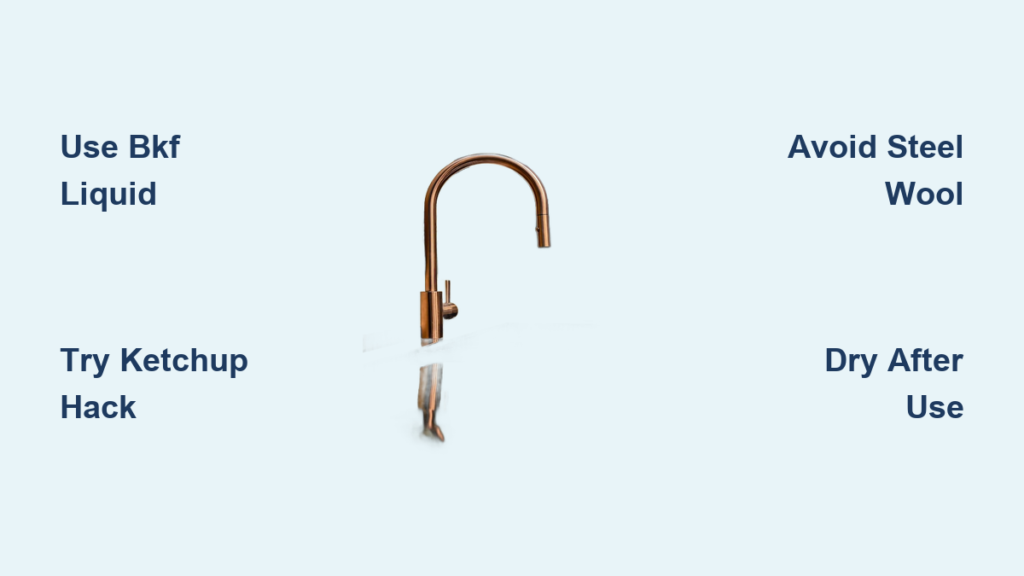
Copper sinks turn ordinary kitchens into warm, character-rich spaces, but that signature glow depends on the right care routine. The metal reacts to everything from coffee drips to lemon juice, which means stains and patina shifts happen fast. Skip the upkeep and your once-gorgeous sink can look tired within months.
This guide breaks down the two most effective methods for cleaning a copper sink, plus the daily habits that keep tarnish under control. You will learn how to remove grime safely, avoid costly mistakes, and decide between preserving a rich patina or restoring a polished shine.
Choose Your Cleaning Goal Before You Start
Every copper sink develops a patina, which is a living oxidation layer that changes over time. Your cleaning approach should match the finish you want.
Preserve the Natural Patina
If you love the aged, warm look, focus on gentle cleaning that lifts grime without stripping color. Skip aggressive polishes and stick with methods that clean without brightening.
Restore a Bright Polished Finish
Want that shiny, like-new copper look? You will need slightly stronger cleaning, followed by a copper sealer to slow re-darkening.
Pro Tip: Check your sink manufacturer’s care guide first. Brands like Sinkology or Elkay often list approved products and warn against specific cleaners.
Clean a Copper Sink with Bar Keepers Friend
Bar Keepers Friend (BKF) is the gold standard for sealed copper sinks. The liquid version is the safer pick because it is less abrasive than the powder and will not scratch the finish.
Apply a Generous Layer
Squeeze BKF Liquid Soft Cleanser across the entire sink. Cover stained, greasy, or discolored spots, but do not skip the corners and edges near the countertop. These zones often trap hidden grime.
Let the Cleaner Dwell 3 to 15 Minutes
Dwell time depends on buildup level.
• 3 to 5 minutes handles light grime
• Up to 15 minutes tackles stubborn grease or post-holiday residue
Reapply to any spots that still look dull after the first pass.
Scrub Gently with Soft Tools
Use a non-abrasive sponge for large flat areas and a soft-bristle toothbrush for crevices and corners. Move in small circles with light pressure. A Scrub Mommy sponge may turn black during use, which is completely normal.
Rinse and Dry Completely
Flush the sink with warm water using the faucet sprayer. Any streaks you see usually come from mineral deposits in tap water and fade as the sink dries. Wipe dry with a soft cloth to prevent water spots and help the patina return evenly.
Let the Patina Return Naturally
Within a few days, the warm copper tone will reappear as the patina reforms. This is exactly what you want for long-term beauty.
Try the Ketchup Cleaning Hack for No-Scrub Shine
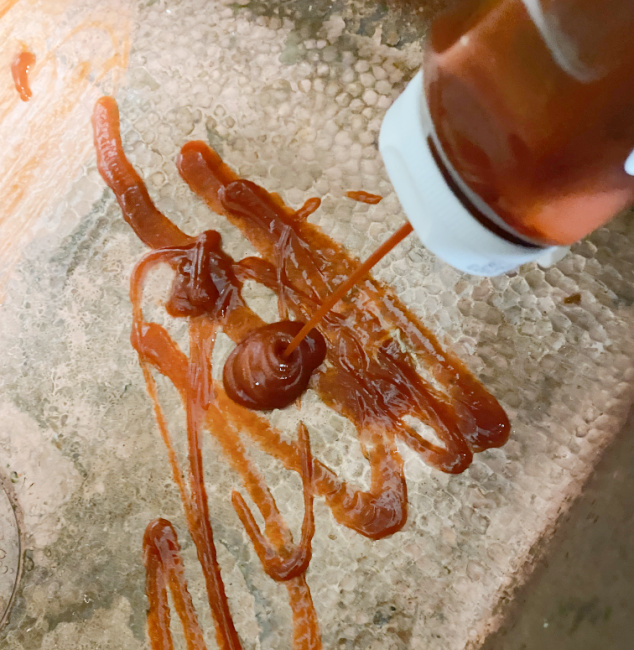
This method was discovered by accident after ketchup sat in a copper sink overnight. The result was a shiny, clean patch that has made it a fan favorite ever since.
Pre-Clean the Sink First
Wash with warm, soapy water to remove food particles and grease. The ketchup needs direct contact with the tarnish to work.
Spread a Thick Layer Over the Sink Bottom
Squirt or pour ketchup across the bottom of the sink, which is the area most prone to discoloration. Use your hand or a flat sponge to spread it evenly and cover every inch.
Why it works: The natural acids in tomatoes and vinegar gently dissolve copper oxide without harming the metal.
Wait 10 to 20 Minutes
Let the ketchup sit for 10 to 15 minutes. Test a small spot. If it looks shiny, rinse. If it still looks dull, wait 5 more minutes. No scrubbing is required.
Rinse and Wash Again
Spray off the ketchup with warm water, then wash the sink with dish soap to remove any sticky residue.
Dry, Buff, and Seal
Towel dry thoroughly and buff lightly for extra shine. Apply a copper sealer afterward to protect the freshly cleaned surface and slow future tarnish.
User Verdict: “Just squirt, spread, and walk away. Return to rinse and enjoy your shiny copper sink.”
Avoid These Common Copper Sink Cleaning Mistakes

Even with the right products, small errors can cause big damage.
Never Use Steel Wool or Harsh Scrubbers
Steel wool and rough pads will scratch copper permanently. Always use soft sponges and brushes.
Skip the DIY Acidic Cleaners
Vinegar and lemon juice seem like natural options, but they are less effective and risk etching the metal, especially with repeated use.
Skip Most Store-Bought Copper Polishes
Many Amazon copper cleaners are overpriced and underwhelming. BKF and ketchup deliver better results for less money.
Do Not Forget the Edges and Corners
Corners near the countertop are often only partially sealed. Buildup here spreads fast. Clean these zones with a toothbrush every session.
Build a Daily and Weekly Maintenance Routine
Long-term beauty comes from consistency, not intensity.
After Every Use
• Remove all food particles from the sink
• Towel dry to prevent mineral spots and acidic etching
Weekly Wash
Use mild dish soap and warm water once a week. This quick habit prevents heavy buildup and keeps the sink looking fresh.
Reapply Sealer on Schedule
Sealing protects against stains and slows patina change. Apply a manufacturer-approved copper sealer every few weeks or as directed.
Fix Common Copper Sink Problems Fast

Copper reacts to its environment, so quick fixes prevent permanent marks.
Dull Spots or White Marks
Reactive substances like coffee, citrus, or stainless steel utensils cause these. Clean with BKF or ketchup and let the patina return naturally.
Grease and Residue Buildup
Heavy cooking creates stubborn grease. Deep clean with Bar Keepers Friend and let it dwell 10 to 15 minutes.
Streaks After Cleaning
Tap water minerals are the usual culprit. Let the sink dry and the streaks fade as re-patination happens.
Discoloration on the Sink Sides
Sides get less traffic, so they stay cleaner. Focus deep cleaning on the bottom and wipe the sides weekly with soapy water.
Know When to Call the Manufacturer
Most copper sink care is DIY-friendly, but contact the pros if you notice pitting, flaking, or unusual corrosion. Elkay offers customer support at 1-800-323-5259 or support@elkay.com for product-specific questions.
Frequently Asked Questions About Cleaning a Copper Sink
What is the best cleaner for a copper sink?
Bar Keepers Friend Liquid Soft Cleanser is widely considered the best commercial option. Ketchup is the best household alternative for no-scrub cleaning.
Is vinegar safe to clean a copper sink?
Vinegar is acidic and can etch copper if used often. Stick with BKF or ketchup for regular cleaning and save vinegar for one-time, manufacturer-approved uses.
How do you remove tarnish from a copper sink?
Spread ketchup across the tarnished area, wait 10 to 20 minutes, then rinse and wash with dish soap. For heavier tarnish, use Bar Keepers Friend with a 10 to 15 minute dwell time.
Can you use Bar Keepers Friend on copper sinks?
Yes. The liquid version is safe for sealed copper sinks and effective for both routine and deep cleaning. Avoid the powder form on copper since it is more abrasive.
How often should you clean a copper sink?
Wipe it down after every use, wash with mild dish soap weekly, and deep clean with BKF or ketchup as needed. Reapply sealer every few weeks.
Will a copper sink turn green over time?
Copper can develop a green verdigris patina in certain conditions, but sealed copper kitchen sinks usually develop a warm brown tone instead. Regular cleaning and sealing keep green oxidation at bay.
Key Takeaways for Cleaning Your Copper Sink the Right Way
A beautiful copper sink is not high maintenance. It just needs the right routine. Use Bar Keepers Friend Liquid for deeper cleaning sessions, reach for ketchup when you want a no-scrub refresh, and stick with mild dish soap for weekly upkeep. Avoid steel wool, acidic DIY cleaners, and overpriced polishes. Dry the sink after every use and reseal on a regular schedule.
The patina is part of what makes copper special, so embrace the living finish rather than fighting it. Pick your cleaning method, build a simple weekly habit, and your copper sink can stay stunning for decades.