If your shower suddenly loses water pressure the moment you switch from the tub spout to the showerhead, or if your kitchen sprayer fails to engage, you are likely dealing with a faucet diverter issue. This small but critical plumbing component redirects water flow between outlets, allowing a single water source to serve multiple fixtures without requiring separate plumbing lines. Understanding how a faucet diverter works helps you diagnose problems, perform basic maintenance, and avoid unnecessary repairs. In this guide, you will learn exactly how diverters function, where they are located, and what to do when they fail.
Diverter Valve Basics
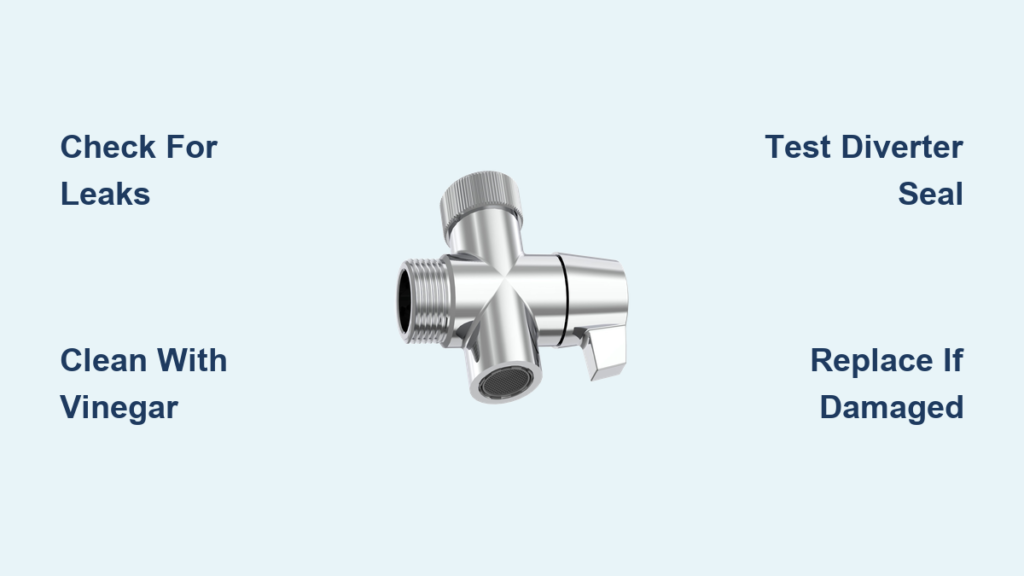
A faucet diverter is a valve that redirects water from one outlet to another. It does not stop the water supply. Instead, it changes the water’s path, allowing a single faucet to serve both a tub spout and a showerhead, or a kitchen faucet and a pull-out sprayer.
What a Diverter Controls
In a bathroom, a diverter sends water either to the tub spout or to the showerhead. In the kitchen, it switches flow from the main faucet spout to the side sprayer. Without a diverter, both outlets would run simultaneously, reducing pressure and wasting water.
Where Diverter Valves Are Located
In tub and shower setups, the diverter is typically built into the spout or the wall valve. For kitchen faucets, it is usually housed inside the spout or at the sprayer connection. You will not see it from the outside because it is hidden within the faucet assembly.
How a Tub Spout Diverter Works

When you activate the shower, the diverter blocks water from exiting through the tub spout and forces it upward through the shower pipe. This simple mechanical action relies on basic physics rather than electronics or pumps.
Triggering the Diverter Mechanism
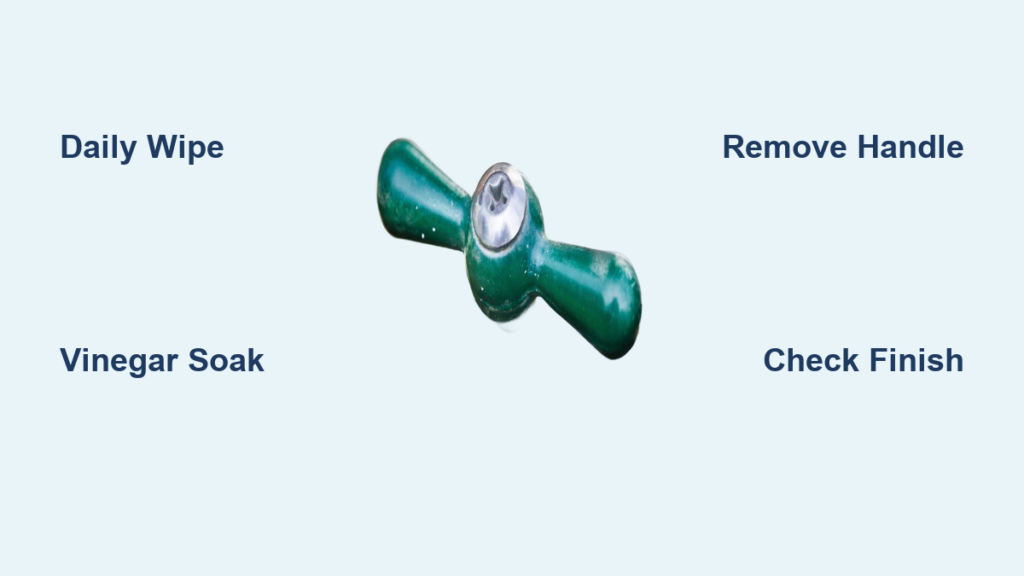
Most tub diverters are activated by a lever, knob, or push-pull stem on the spout. When you lift the lever or pull the knob, a rubber stopper or plunger inside the diverter rises, sealing off the spout’s outlet. Water can no longer flow down, so it is redirected up the riser pipe to the showerhead.
Water Flow Path During Diversion
Under normal conditions, water flows straight through the spout. Once the diverter is engaged, pressure builds slightly, and the sealed path forces water to take the only available route: up and out through the showerhead. This happens instantly and relies on simple physics. No pumps or electronics are involved.
How a Kitchen Faucet Diverter Operates
Kitchen diverters work differently than tub spout models. They are typically activated by pressing a button on the sprayer or pulling the spray hose. The mechanism responds to pressure changes rather than mechanical levers.
Activating the Sprayer Function
When you press the sprayer trigger, you reduce water pressure at the sprayer end. This pressure drop signals the diverter to shift flow from the main spout to the sprayer hose. Release the trigger, and flow reverts to the main faucet.
Internal Valve Action
Inside the spout, a small diaphragm or piston moves to block the primary outlet. This seals off the main flow and opens a channel to the sprayer line. Because kitchen diverters cycle frequently, they are prone to wear and mineral buildup over time.
Common Diverter Problems

Even simple mechanical parts can fail. Diverter issues often mimic larger plumbing problems, but the fix is usually straightforward.
Low Shower Pressure
If your shower starts weakly or sputters when the diverter is engaged, the valve may not be sealing properly. This allows water to leak back into the tub spout, reducing flow to the showerhead.
Water Leaks From Spout During Shower
This is a classic sign of a failing diverter. If water continues to drip or flow from the tub spout while the shower is on, the internal seal is likely worn or obstructed.
Sprayer Won’t Engage
In the kitchen, if pressing the sprayer button does nothing, the diverter might be clogged or stuck. Check for debris or corrosion in the diverter chamber.
Diagnosing Diverter Issues
Before replacing any parts, confirm the diverter is the source of the problem. Simple tests can save you time and money.
Testing the Diverter Seal
For tub spouts: Turn on the water and engage the diverter. Watch the tub spout. If water continues to flow, the diverter is not sealing properly. For kitchen faucets: Turn on the water and press the sprayer trigger. If no water comes out but the main spout still runs, the diverter is not shifting.
Checking for Obstructions
Mineral deposits and debris are common culprits. Hard water leaves behind calcium and lime that can jam the diverter’s moving parts. A simple cleaning often restores function.
How to Clean a Diverter Valve
A clogged diverter can frequently be restored with cleaning. No replacement is needed in many cases.
Removing the Diverter Assembly
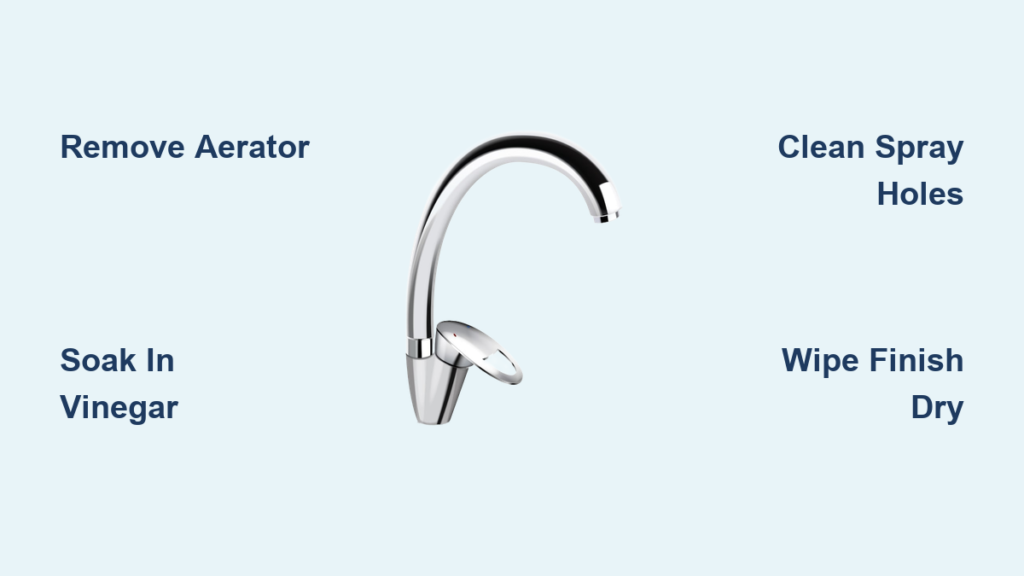
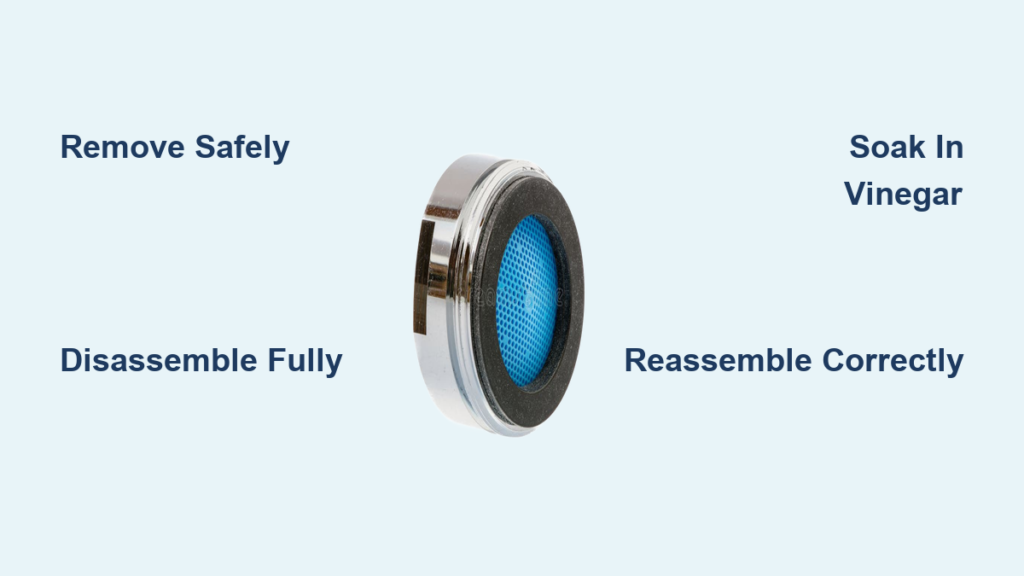
For tub spouts: Shut off the water supply. Use a wrench to loosen the set screw under the spout. Slide the spout off the pipe to access the diverter. For kitchen faucets: Unscrew the aerator and use pliers to gently pull out the diverter sleeve. Be careful not to scratch chrome surfaces.
Soaking and Flushing the Valve
Soak the diverter in white vinegar for 30 to 60 minutes to dissolve mineral buildup. Use an old toothbrush to scrub away residue from small channels and openings. Rinse thoroughly with water before reinstalling.
Quick Cleaning Without Removal
For minor clogs, try spraying a lubricant with a precision straw directly into the spout near the diverter. Repeat several times and test the function. This can dislodge light debris without disassembly.
When to Replace the Diverter
If cleaning does not restore performance, replacement is the next step. Knowing when to replace saves you from repeated troubleshooting.
Signs of Irreparable Damage
Cracks in the valve body, warped seals, or a plunger that does not move freely indicate the diverter must be replaced. Rubber components degrade over time, especially in hot water environments.
Choosing the Right Replacement
Always match the new diverter to your faucet model. Take the old part to a hardware store or note the brand and model number. Using an incompatible diverter can lead to leaks or improper function.
Preventing Diverter Problems
Regular maintenance extends the life of your diverter and keeps water flowing smoothly. A few simple habits go a long way.
Flushing the System Periodically
Once every few months, run hot water through the faucet and activate the diverter several times. This helps clear minor buildup before it becomes a blockage.
Installing a Water Softener
If you have hard water, consider a water softener. It reduces mineral content, preventing scale buildup in diverters, aerators, and other small plumbing components.
Avoiding Excessive Force
Never force a diverter lever or sprayer trigger. If it is stiff, do not yank it. Clean it first. Forcing a stuck diverter can damage internal seals or break the actuator.
Key Takeaways for Understanding and Maintaining Faucet Diverters
A faucet diverter works by redirecting water from one outlet to another using a simple mechanical valve. Whether in your shower or kitchen, it ensures water flows where you need it without requiring multiple fixtures. When problems arise, start with cleaning. Soak the diverter in vinegar, scrub away deposits, and test performance. If that fails, replace it with an exact match. With proper care, a diverter can last for years, keeping your plumbing efficient and hassle-free. If you notice persistent low pressure, leaks from the tub spout during shower use, or a sprayer that will not engage, inspect the diverter first before calling a plumber.
Frequently Asked Questions About Faucet Diverters
What is the purpose of a faucet diverter?
A faucet diverter redirects water flow between two outlets, such as from a bathtub spout to a showerhead or from a kitchen faucet to a pull-out sprayer. It allows a single water source to serve multiple fixtures.
How do I know if my diverter is failing?
Common signs include water leaking from the tub spout while the shower is running, low shower pressure, or a kitchen sprayer that will not activate. These symptoms indicate the diverter is not sealing properly.
Can I clean a diverter without removing it?
Yes. For minor clogs, spray a lubricant with a precision straw directly into the spout near the diverter. Repeat several times and test the function. This method can dislodge light debris without full disassembly.
Where is the diverter located on my faucet?
In tub and shower setups, the diverter is typically built into the spout or wall valve. For kitchen faucets, it is usually housed inside the spout or at the sprayer connection. It is hidden within the faucet assembly.
How often should I clean my faucet diverter?
Cleaning every three to six months is sufficient for most households. If you have hard water, more frequent cleaning may be necessary to prevent mineral buildup.
Do I need to hire a plumber to replace a faucet diverter?
No. Replacing a diverter is a straightforward DIY task. Simply remove the old part, take it to a hardware store to find an exact match, and install the new diverter following manufacturer instructions.