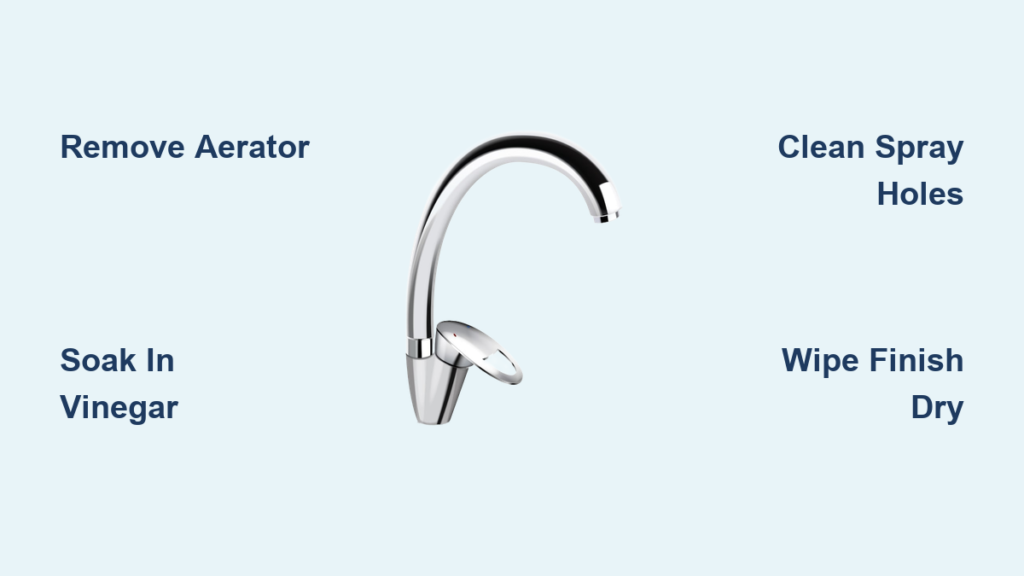
If your kitchen or bathroom faucet turns on with just one lever, you are using a single handle faucet, a modern plumbing innovation that simplifies water control. These fixtures let you adjust both water flow and temperature with a single motion, offering speed, precision, and a clean look. But how does a single handle faucet work under the surface? The answer lies in its internal valve system, which blends hot and cold water on demand and delivers a smooth, controlled stream.
From the handle movement to the ceramic discs inside, every part plays a role in delivering the right water at the right time. This guide covers how single handle faucets manage flow and temperature, explores the three main valve types, and provides practical maintenance insights.
Handle Movement Controls Flow and Temperature
The single handle is more than a stylish upgrade. It is an intuitive control system designed for one handed use. Unlike traditional two handle faucets, this design combines two functions into one lever.
Vertical Motion Controls Water Flow
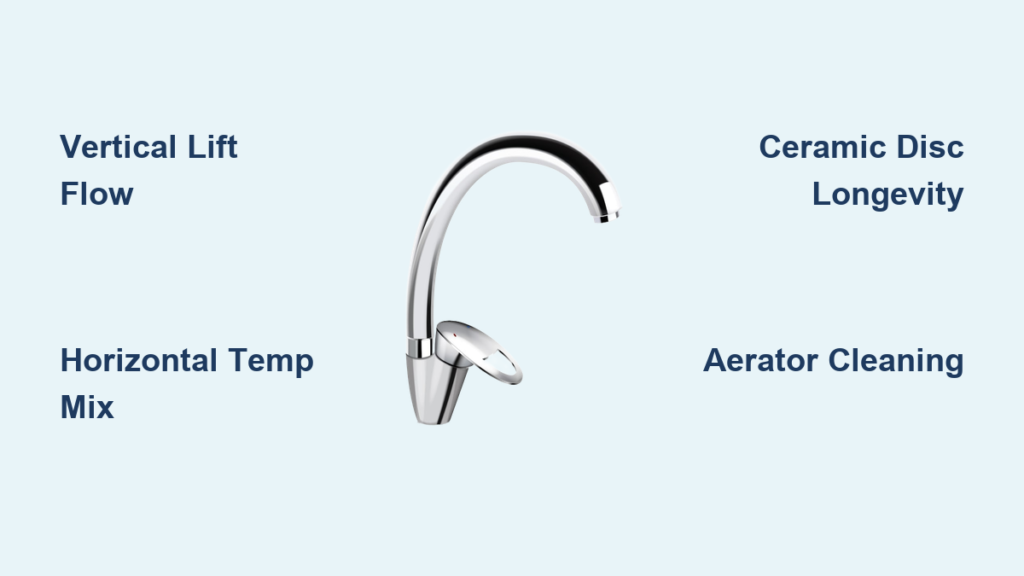
Lifting the handle upward opens the internal valve, allowing water to pass through. The higher you lift, the wider the valve opens, increasing the flow. Lowering the handle reduces the flow until it fully closes, stopping the water. This motion works consistently across all modern single handle designs.
Horizontal Motion Adjusts Temperature
Moving the handle side to side shifts the internal mechanism to mix hot and cold water. Moving the handle left increases hot water. Moving it right increases cold water. The center position blends both for lukewarm output. This dual axis control allows precise adjustments without removing your hand.
Internal Valve Types: Cartridge, Disc, and Ball
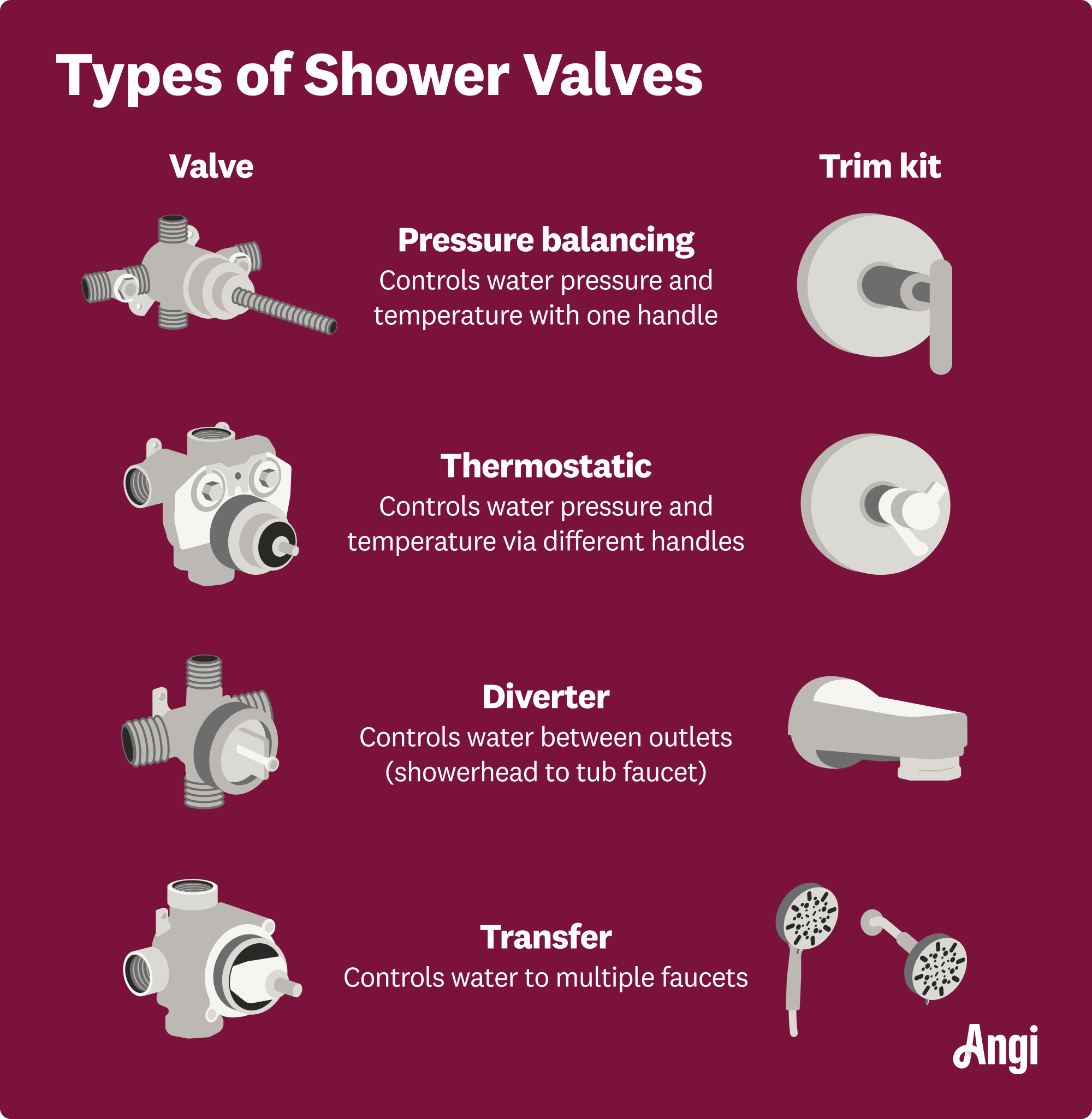
The real magic happens inside the faucet body, where the handle connects to a valve mechanism. There are three main types: cartridge, ceramic disc, and rotating ball. Each operates differently and varies in durability, repairability, and resistance to wear.
Cartridge Valves: Reliable and Replaceable
Cartridge faucets use a plastic or brass cartridge that moves vertically and rotates to control water. The cartridge contains internal channels that align with hot and cold water inlets based on handle position.
Common Brands and Lifespan
Moen is known for its brass cartridge system, widely used in single handle models. With regular maintenance, cartridge faucets can last 10 to 15 years.
Signs of Failure
Watch for these indicators that your cartridge needs attention. Dripping from the spout or leaking around the handle. Stiff or wobbly handle movement. Inconsistent temperature when adjusting the lever.
Repair Tips
Replace worn O-rings or the entire cartridge. Cartridge replacement takes 20 to 40 minutes with basic tools. Replacement kits are inexpensive and widely available at hardware stores.
Ceramic Disc Valves: Durable and Smooth
Ceramic disc faucets are among the most reliable, using two precision engineered discs to control water. A stationary bottom disc has ports for hot and cold water. A movable top disc slides over it when you turn the handle.
Why Ceramic Disc Valves Last Longer
Ceramic resists heat, corrosion, and mineral buildup. There are no rubber washers to degrade over time. The operation remains smooth for years, even with heavy daily use.
Advanced Models
Delta uses diamond reinforced ceramic discs for extra durability. These can last 15 to 20 years or longer and handle millions of operational cycles. They are ideal for high traffic kitchens and bathrooms.
Maintenance Needs
Clean inlet screens if flow drops. Replace the entire disc unit if cracked or seals fail. Most problems involve clogged ports rather than disc damage.
Rotating Ball Valves: Older Design with More Maintenance
Once common in brands like Price Pfister, rotating ball faucets use a small slotted ball under the handle to control water. The ball rotates and tilts to align internal channels with hot or cold inlets.
Common Problems
Spout leaks are caused by worn rubber seats. Handle leaks come from degraded O-rings around the ball. Wobbly handles result from loose adjusting rings. These issues require disassembly to repair.
Repair Process
Disassemble the top assembly. Replace springs, seats, and O-rings. Reassemble and retest for proper operation. This design requires more maintenance than disc or cartridge systems.
Lifespan and Modern Use
Rotating ball valves typically last 8 to 12 years. Most newer models have phased out ball valves in favor of more durable disc designs.
Water Flow and Mixing Process

Once you move the handle, water travels through a precise path from supply lines to spout. Understanding this path helps with troubleshooting.
Step by Step Water Path
Hot and cold water enter through separate supply lines beneath the sink. These lines connect to inlet ports on the faucet base. Water flows into the valve chamber, where mixing begins. The internal mechanism blends the streams based on handle position. Mixed water rises through the faucet body. Water exits through the spout and aerator.
This internal mixing ensures consistent temperature and eliminates sudden hot or cold bursts.
Spout Design and Spray Functions
The spout is not just a pipe. It is engineered for reach, flexibility, and performance.
Fixed vs. Swivel Spouts
Fixed spouts are common in bathroom sinks. Swivel spouts are standard in kitchens, allowing rotation over double bowls. Kitchen faucets benefit most from swivel functionality.
Pull Down and Pull Out Sprayers
Many kitchen faucets include a pull down or pull out spray head for better cleaning access. These feature a flexible hose inside the spout and a detachable spray head with multiple modes.
Spray Mode Options
Aerated stream provides a gentle flow with no splash. Waterfall mode offers a wide, smooth flow for filling pots. Boost or spray mode delivers a high pressure jet for scrubbing stubborn food residue.
Control Features
A button on the spray head lets you switch modes instantly. Magnetic docking pulls the head back into place securely. Self cleaning nozzles resist mineral buildup. Flush the hose every few months to clear debris and maintain flow.
Aerator: The Unsung Hero of Water Control
Located at the spout tip, the aerator shapes the water stream and improves efficiency.
What the Aerator Does
It mixes air with water for a soft, non splashing flow. It limits flow rate to 1.8 to 2.2 gallons per minute. It filters debris to prevent clogs. It saves water without reducing perceived pressure.
Flow Boost Technology
Some high end models offer a temporary 30 percent flow increase when needed. This is perfect for quickly filling pots or cleaning sinks.
Maintenance Requirements
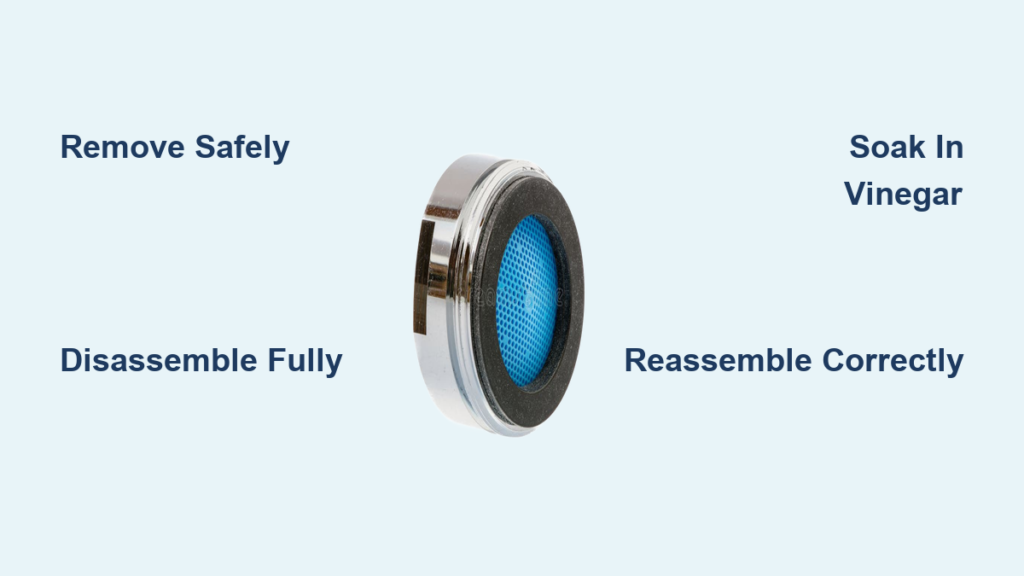
Unscrew the aerator every 3 to 6 months. Soak in vinegar to dissolve mineral deposits. Replace if cracked or clogged. In hard water areas, buildup can reduce flow significantly, making regular cleaning essential.
Advanced Features in Modern Models
Todays single handle faucets go beyond basic operation with smart, hands free, and safety enhancing technology.
Real Time Temperature Display
High end models include a digital display that shows water temperature instantly. This prevents scalding and detects sudden temperature shifts. The display is powered by water flow, requiring no batteries. It turns on automatically when water runs. This feature is ideal for homes with children or elderly users.
Touchless and Touch Activate Models
Some faucets use motion sensors or touch technology to turn on or off with a wave or tap. The internal valve still uses disc or cartridge system. Electronics control a solenoid to open or close water flow. These are powered by batteries or an AC adapter.
Pros and Cons
Hands free operation is great for messy cooking and reduces germ spread. However, these models cost more and require battery changes or wiring.
Installation Basics
Installing a single handle faucet is straightforward if you follow the steps carefully.
Compatibility Check
Your faucet must fit your sinks mounting configuration. Single hole faucets install through one hole. Three or four hole setups use the center hole with a cover plate for others. Check deck thickness, as some models include adjustable hardware.
Step by Step Installation
Turn off water supply under the sink. Disconnect the old faucet and remove it. Insert the new faucet through the sink hole. Connect hot and cold lines using compression fittings. Seal the base with plumber is putty or silicone. Secure from below with mounting nuts. Turn the water on and test for leaks.
Time required is 30 to 60 minutes. Tools needed include a wrench, pliers, bucket, and putty.
Maintenance and Troubleshooting
Most faucet problems are fixable with basic maintenance.
Routine Care
Clean the aerator every 3 to 6 months. Wipe the exterior to protect the finish. Inspect supply lines annually for cracks. Flush the pull down hose if flow slows.
Common Issues and Fixes
| Symptom | Likely Cause | Fix |
|---|---|---|
| Spout drip | Worn cartridge, disc, or ball seats | Replace internal valve |
| Handle leak | Degraded O-rings or loose ring | Replace O-rings or tighten |
| Low pressure | Clogged aerator or inlet screen | Clean or replace |
| Stiff handle | Mineral buildup or worn parts | Disassemble and clean |
| Sudden temp shift | Misaligned cartridge or faulty valve | Adjust or replace |
Label hot and cold lines during repair to avoid mix-ups.
Lifespan and Durability
With proper care, single handle faucets last 10 to 20 years.
Longest Lasting Components
Ceramic discs resist heat and wear. Brass bodies are corrosion resistant and strong. Stainless steel spouts handle heavy use well.
Shorter Lasting Parts
Plastic cartridges in budget models wear faster. Rubber seals and O-rings degrade over time.
Warranty Coverage
Most quality brands offer limited lifetime warranties covering leaks from manufacturing defects, finish deterioration, and cartridge or disc failure.
Performance Comparison by Valve Type

| Feature | Cartridge | Ceramic Disc | Rotating Ball |
|---|---|---|---|
| Durability | High | Very High | Moderate |
| Leak Resistance | Good | Excellent | Fair |
| Repairability | Easy | Easy | Moderate |
| Smooth Operation | Smooth | Very Smooth | Smooth when new |
| Mineral Resistance | Moderate | High | Low |
| Lifespan | 10-15 years | 15-20+ years | 8-12 years |
| Best For | Everyday use | High traffic areas | Older models |
Frequently Asked Questions About Single Handle Faucets
How does a single handle faucet control temperature?
The handle moves horizontally to adjust temperature. Moving left increases hot water while moving right increases cold water. The center position blends both for lukewarm output. This movement shifts the internal valve mechanism to mix hot and cold water streams.
What is the most durable type of single handle faucet?
Ceramic disc faucets are the most durable. They use two precision engineered ceramic discs that resist wear, corrosion, and mineral buildup. They can last 15 to 20 years or longer with proper maintenance. Delta and Kohler are known for their ceramic disc designs.
Can I repair a dripping single handle faucet myself?
Yes, most dripping faucets are fixable by homeowners. The solution depends on your valve type. Cartridge faucets need cartridge or O-ring replacement. Ceramic disc faucets may need disc unit replacement. Ball faucets require replacing springs, seats, and O-rings. Most repairs take 20 to 40 minutes with basic tools.
Why is my single handle faucet running slowly?
Slow water flow usually means a clogged aerator or inlet screen. Unscrew the aerator and soak it in vinegar to dissolve mineral deposits. If cleaning does not help, check the inlet screens inside the faucet body. In hard water areas, clean the aerator every 3 to 6 months.
Do single handle faucets use more water than two handle faucets?
No, water usage depends on the aerator, not the handle type. Single handle faucets typically use 1.8 to 2.2 gallons per minute. Both single and two handle faucets can have the same flow rates. The advantage of single handle faucets is precise temperature control, which can actually reduce water waste while finding the right temperature.
What causes a stiff or hard to move faucet handle?
A stiff handle usually results from mineral buildup inside the valve. Hard water deposits can accumulate on moving parts, making operation difficult. Sometimes the cartridge or disc mechanism has worn out. Disassemble and clean the internal parts, or replace the cartridge if cleaning does not restore smooth operation.
Key Takeaways for Understanding Single Handle Faucets
Single handle faucets combine flow and temperature control into one intuitive lever. Vertical handle movement controls water flow while horizontal movement adjusts temperature. The internal valve system mixes hot and cold water based on handle position.
The three main valve types each have distinct characteristics. Cartridge valves are reliable and easy to replace, lasting 10 to 15 years. Ceramic disc valves offer the best durability at 15 to 20 years or longer. Rotating ball valves require more maintenance and typically last 8 to 12 years.
Most faucet problems do not require full replacement. Whether it is a drip, stiff handle, or low flow, the fix often involves replacing a cartridge, disc, or O-ring. Knowing your faucet is valve type makes troubleshooting faster and cheaper.
For persistent problems, consult the manufacturer is manual or a licensed plumber. With the right tools and knowledge, most homeowners can handle common repairs in under an hour. Understanding how your single handle faucet works helps you maintain it properly and enjoy consistent, comfortable water control every day.