You turn on the tap expecting clean water, but a foul stench hits your nose instead. Whether it is a rotten egg smell, musty odor, or something chemical-like, smelly water from faucet is more than just unpleasant. It can signal real water quality issues in your home. The good news is most causes are fixable with targeted steps, often without costly replacements.
This guide provides a clear, step-by-step plan to diagnose and eliminate smelly faucet water. From cleaning an aerator to whole-house solutions for hydrogen sulfide, you will learn how to restore fresh-smelling water fast. You will also learn how to tell if the problem is your water heater, well, or drain, and which action to take based on the smell, temperature, and affected fixtures.
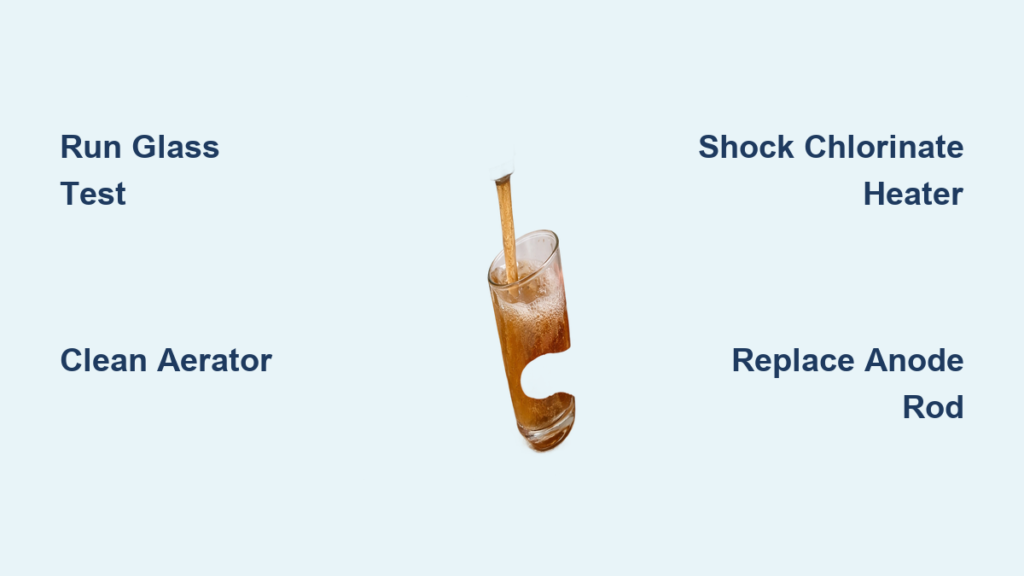
Run the Glass Test to Confirm the Source
Before assuming your water supply is contaminated, confirm where the smell originates. Many people mistake drain odors for bad water, especially when the stench only appears when running the faucet.
How to Perform the Glass Test
- Fill a clean glass with water from the smelly faucet.
- Step away from the sink into another room if possible.
- Swirl the water and take a sniff.
• No odor in the glass? The problem is your drain, not your water supply.
• Smell still present? The issue is in your plumbing or water source.
This simple test saves time and money. Drain smells are usually caused by bacteria feeding on organic buildup in the P-trap or overflow. A quick pour of bleach or vinegar down the drain often solves it.
Pro Tip: Run this test before investing in filters or calling a plumber. Over 60% of smelly water complaints are actually smelly drains.
Identify the Smell Type and Source
The character of the odor tells you what you are dealing with. Match your smell to these common profiles.
Rotten Egg or Sulfur Smell
• Likely Cause: Hydrogen sulfide gas, also called H₂S.
• Hot water only? The problem is your water heater and anode rod reaction.
• Cold water affected? Likely well water contamination or sulfate-reducing bacteria in pipes.
• All faucets or just one? Isolate to determine the scope.
H₂S is common in private wells and is rarely harmful at household levels below 10 ppm, but it corrodes pipes and ruins water usability.
Musty, Earthy, or Moldy Smell
• Likely Cause: Geosmin or MIB from algal blooms in surface water.
• Common in municipal systems during warm months.
• Water is safe to drink, confirmed by routine testing.
• Most noticeable in cold water.
Chemical, Gasoline, or Detergent Smell
• Danger Alert: Could indicate fuel leaks, VOCs, or septic backflow.
• Stop drinking the water immediately.
• Test for benzene, MTBE, or surfactants.
• Contact your health department. This is not a DIY fix.
Bleach or Chlorine Smell
• Normal after municipal chlorination or shock treatment.
• Should fade within days.
• If persistent, install a carbon filter at point of entry.
Fix Hot Water Smells in All Faucets
If only your hot water stinks, especially with a sulfur odor, the culprit is almost always your water heater. Sulfate-reducing bacteria thrive in warm, anaerobic environments and react with the anode rod to produce hydrogen sulfide.
Clean the Water Heater with Shock Chlorination
This kills bacteria feeding on sediment and reacting with the anode rod.
Step-by-Step Shock Chlorination
- Turn off power or set gas valve to Pilot.
- Shut off cold water supply to the heater.
- Drain 5 to 10 gallons from the tank to reduce volume.
- Remove the pressure relief valve or hot water outlet cap.
- Pour in 1 to 1.5 cups of household bleach for a 40 to 80 gallon tank.
- Turn on all hot water faucets until you smell chlorine.
- Let the solution sit for 3 to 6 hours or overnight.
- Flush the system until water runs clear and chlorine-free.
- Refill the tank and restore power.
Repeat if needed: If the smell returns in weeks, bacteria may be re-entering from a contaminated well.
Replace the Anode Rod

The magnesium anode rod in your water heater protects the tank from rust, but it also reacts with sulfates to produce hydrogen sulfide.
Upgrade the Anode Rod
• Replace with aluminum-zinc alloy rod: Less reactive, reduces H₂S production.
• Install a powered anode rod: Uses electric current to prevent corrosion without chemical reaction. Brands like Corro-Protec work well.
• Avoid removing the rod entirely: This voids warranties and shortens tank life.
Note: Aluminum rods may not be suitable for very soft water. Consult manufacturer guidelines.
Boost Water Heater Temperature Safely
Bacteria thrive below 120°F. Raising the temperature kills them but increases scalding risk.
Install a Tempering Valve for Safe Hot Water
- Set heater to 160°F to sterilize the tank.
- Install a mixing valve on the hot water outlet.
- The valve blends hot water with cold to deliver safe 120°F water to fixtures.
This method prevents bacterial regrowth and increases usable hot water volume. Some heaters require a performance kit for sustained high-temperature operation.
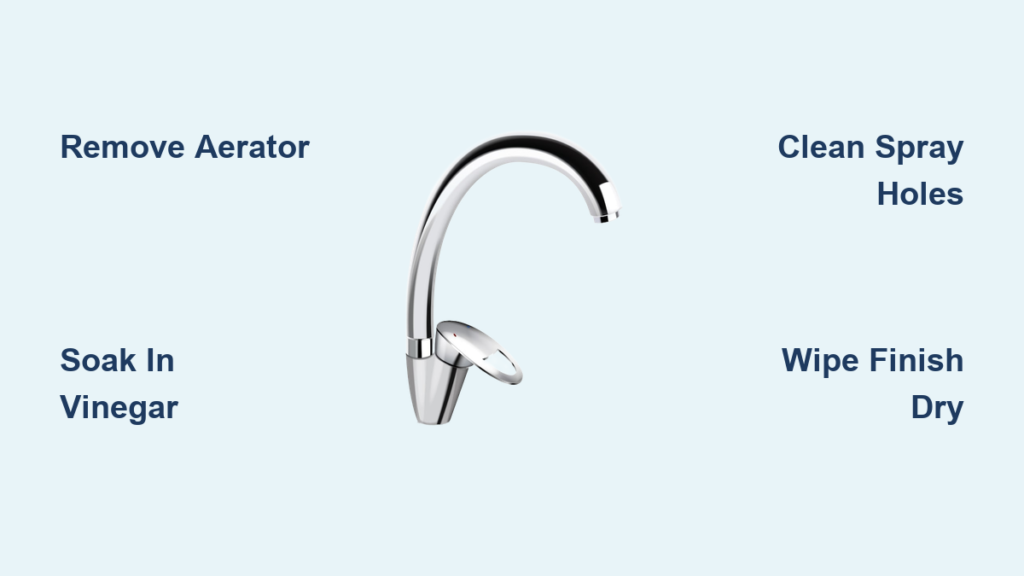
Clean or Replace Faucet Aerator
If only one faucet smells, especially after sitting unused, the aerator is likely clogged with biofilm and debris.
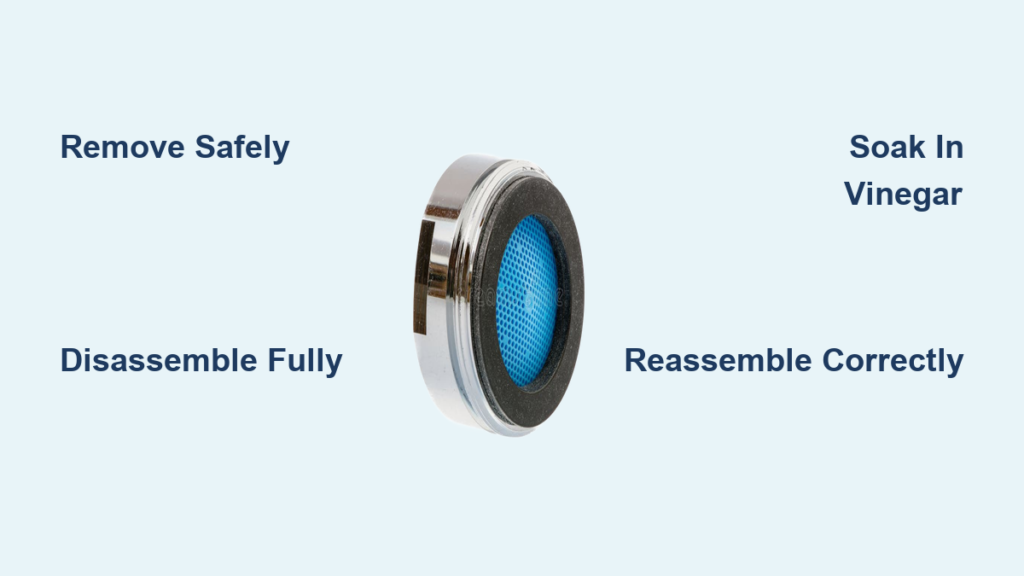
How to Clean the Aerator
- Turn off water at the shutoff valves.
- Unscrew the aerator. Use pliers if needed and protect the finish with a cloth.
- Soak in vinegar for 30 minutes or use a 1:10 bleach solution for stubborn buildup.
- Scrub with a toothbrush and rinse thoroughly.
- Reinstall and test.
Pro Tip: While the aerator is off, run water briefly to see if the smell persists. If it does not, the aerator was the source.
Replace Rubber Supply Lines
Rubber hoses under sinks can harbor bacteria and degrade over time, especially in infrequently used bathrooms.
Upgrade to Stainless Steel Braided Lines
- Shut off water to the faucet.
- Disconnect the old rubber line.
- Flush both ends with diluted bleach, 1 tablespoon per gallon.
- Install a new stainless steel braided hose.
- Turn water back on and check for leaks.
Stainless steel resists biofilm, lasts longer, and will not leach odors. Homeowners report immediate odor elimination after replacing 5-year-old rubber lines.
Flush Stagnant Water from Pipes
If the smell disappears after running water for 10 to 30 seconds, stagnation is the issue.
Prevent Stagnant Water Buildup
• Run infrequently used faucets weekly for 1 to 2 minutes.
• Flush showerheads and aerators monthly.
• This is especially important for guest bathrooms, vacation homes, or new constructions where water sits for days.
New homes often have smelly water at move-in due to plumbing stagnation during construction.
Treat Whole-House Smelly Water for Well Owners
If all faucets smell, hot and cold, you likely have hydrogen sulfide in your well water.
Install a Whole-House Filtration System
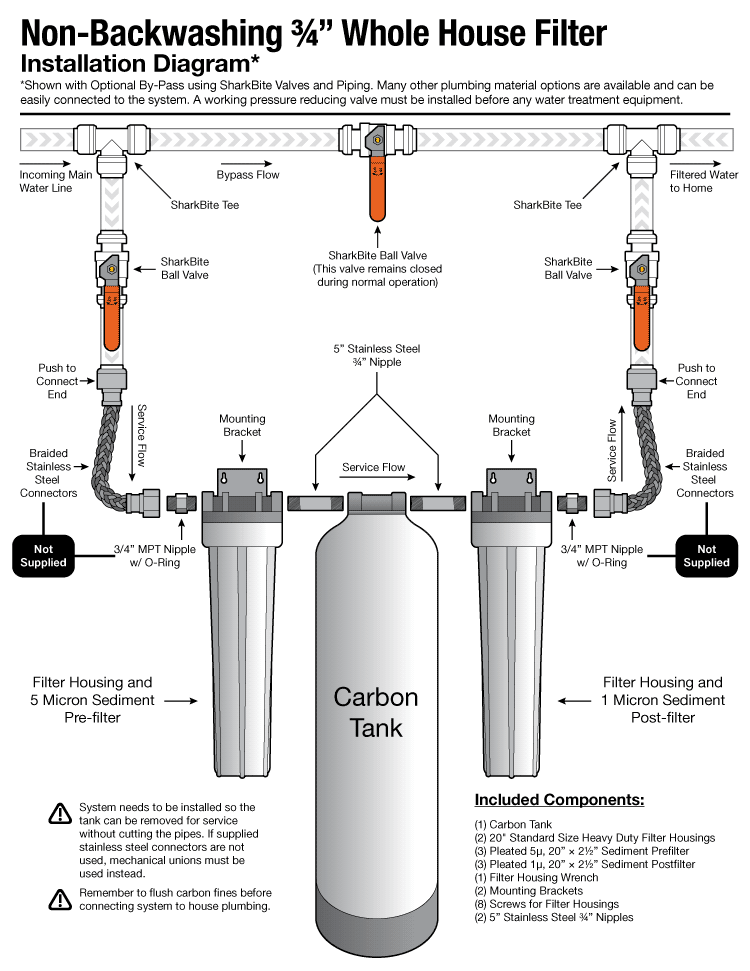
Aeration System
• Injects air to strip H₂S gas from water.
• Effective for levels up to 2 ppm.
• Requires no chemicals and has low maintenance.
Oxidizing Filter
• Uses manganese greensand, Birm, or pyrolox.
• Converts H₂S to solid sulfur, which is filtered out.
• Best for moderate levels.
• Needs backwashing and periodic regeneration.
Granular Activated Carbon Filter
• Adsorbs low levels of H₂S below 0.3 ppm.
• Replace every 6 to 12 months. Saturated carbon can become a bacterial breeding ground.
Point-of-use alternative: Install a reverse osmosis system under the sink for clean drinking water.
Address Musty Smells in Municipal Water
If your water has an earthy or musty smell and you are on city supply, it is likely geosmin or MIB from algal blooms.
No Treatment Needed. Water Is Safe
• These compounds are harmless but highly odor-sensitive.
• Municipal systems monitor and report via Consumer Confidence Reports.
• Smell often peaks in summer and early fall.
Temporary Relief Options
• Chill water in the fridge. Cold reduces odor perception.
• Add lemon, cucumber, or mint to drinking water.
• Use a carbon pitcher filter to reduce smell.
Cities like Houston report seasonal algae-related odors confirmed safe by public works testing.
When to Test Your Water
Do not guess. Test your water if the smell is chemical, gasoline-like, or sewage-like. Also test if you have a private well or if multiple family members report nausea or irritation.
What to Test For
| Water Source | Recommended Tests |
|---|---|
| Private Well | Coliform, nitrates, pH, H₂S, iron, VOCs, methane |
| Municipal | Confirm via CCR. Test if odor is unusual or persistent |
Use a certified lab or a reputable home test kit like WaterCheck.
Prevent Smelly Water Long-Term
Prevention beats repair. Follow this maintenance routine.
Maintenance Schedule
• Clean aerators every 3 to 6 months.
• Flush water heater every 6 to 12 months.
• Replace carbon filters every 6 to 12 months.
• Inspect anode rod every 3 to 5 years.
• Run unused faucets weekly for 1 to 2 minutes.
Preventive Upgrades
• Stainless steel supply lines instead of rubber.
• Backflow preventers to block septic intrusion.
• Tempering valve with high-temp setting to inhibit bacteria.
• Point-of-entry carbon filter for whole-house odor control.
When to Call a Professional
Seek expert help if the smell returns after cleaning and flushing. Also call if you suspect fuel, chemical, or methane contamination. Multiple affected fixtures with no clear cause or the need for whole-house treatment also warrant professional help.
Who to Contact
• Plumber for faucet, drain, or piping issues.
• Well contractor for shock chlorination, sealing, or venting.
• Health department for contamination reporting.
• University extension office for free technical guidance for well owners.
Never ignore a gas-like odor. Methane is odorless but explosive. If suspected, ventilate the area and call a professional immediately.
Frequently Asked Questions About Smelly Water from Faucet
Why does my hot water smell like rotten eggs but cold water does not?
This is a classic sign of bacterial growth in your water heater. Sulfate-reducing bacteria thrive in the warm, oxygen-poor environment of a water heater tank. They react with the magnesium anode rod to produce hydrogen sulfide, which creates the rotten egg smell. Cold water is unaffected because the bacteria do not live in cold supply lines.
Can I fix smelly water myself or do I need a plumber?
Many causes of smelly water are DIY-fixable. Cleaning an aerator, replacing rubber supply lines, and performing shock chlorination on a water heater are all manageable tasks for homeowners. However, if the smell is chemical or gasoline-like, or if whole-house filtration is needed, call a professional.
How do I know if my well water is contaminated with hydrogen sulfide?
Hydrogen sulfide produces a distinct rotten egg smell, especially noticeable in hot water. A certified water test can confirm H₂S levels. Tests are recommended annually for private well owners. Levels below 10 ppm are typically not harmful but are unpleasant.
Why does my faucet smell only in the morning?
Morning smells usually indicate stagnant water that has sat in pipes overnight. Run the faucet for 10 to 30 seconds before using it. If the smell persists, the issue may be in your water heater or supply.
Are musty smells in tap water dangerous?
Musty or earthy smells in municipal water are usually caused by geosmin or MIB from algal blooms. These compounds are harmless. Municipal water suppliers confirm safety through routine testing. If you are concerned, check your Consumer Confidence Report or use a carbon filter.
How often should I clean my faucet aerator?
Clean faucet aerators every 3 to 6 months, or sooner if you notice reduced water flow or odor. Vinegar soaks work well for routine cleaning. Use a bleach solution only for stubborn buildup.
Key Takeaways for Fixing Smelly Water from Faucet

Most smelly faucet water is fixable with low-cost, targeted actions. Start with the glass test to isolate whether the problem is your drain or your water supply. For hot water smells across all faucets, shock chlorinate the water heater and consider replacing the anode rod. For single-faucet issues, clean or replace the aerator and upgrade rubber supply lines to stainless steel.
For well owners with persistent hydrogen sulfide, install a whole-house aeration or oxidizing filter system. Municipal water users experiencing musty smells can rest assured the water is safe. Chilling water or adding lemon provides temporary relief.
For city users, know your Consumer Confidence Report and act fast on unusual odors. Never ignore chemical or fuel-like smells. Contact your health department immediately if suspected. Stay safe, stay informed, and keep your tap water fresh.