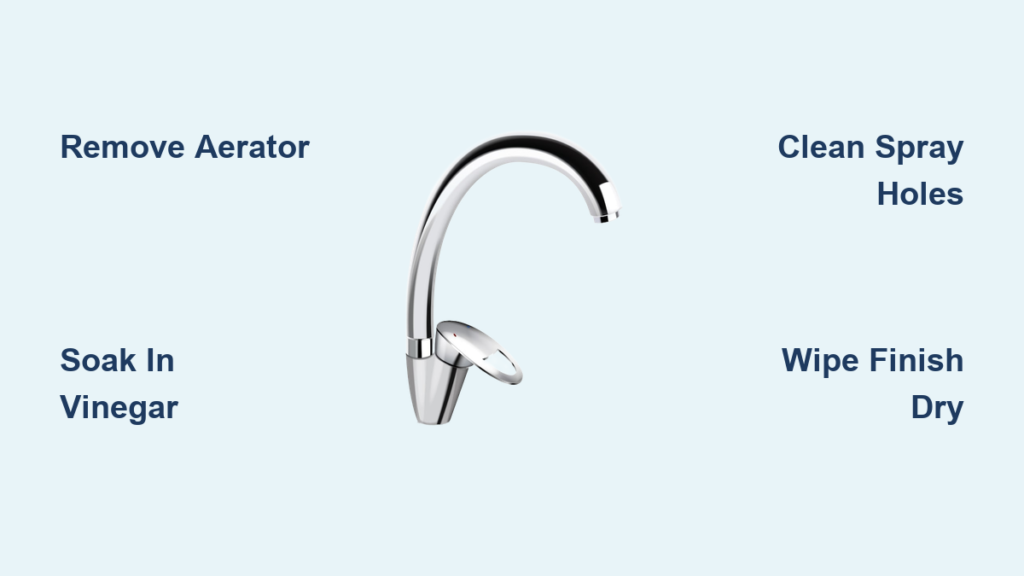
Is your kitchen or bathroom faucet dribbling instead of flowing? A slow-flowing faucet is one of the most common household plumbing frustrations, especially when you’re trying to rinse dishes, fill a pot, or wash your hands quickly. The good news: in over 90% of cases, the fix is simple, fast, and costs nothing. The culprit is usually a clogged aerator, but other issues like partially closed valves, blocked supply lines, or worn internal parts can also restrict water flow. This guide walks you through every possible cause and step-by-step solutions so you can restore strong, steady water pressure in under an hour.
Clean the Aerator First

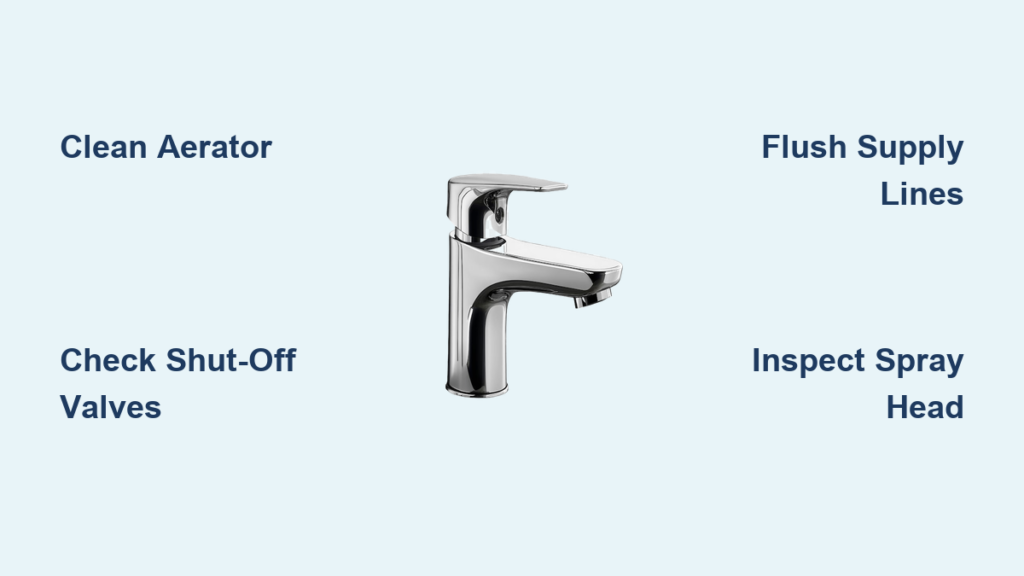
The aerator is the small screw-on tip at the end of your faucet, and it is the number one cause of slow water flow. This component mixes air into the water to reduce splashing, but over time, sediment, rust, and mineral deposits from hard water clog its fine mesh screen and internal channels. Both hot and cold water are usually affected equally when the aerator is the problem.
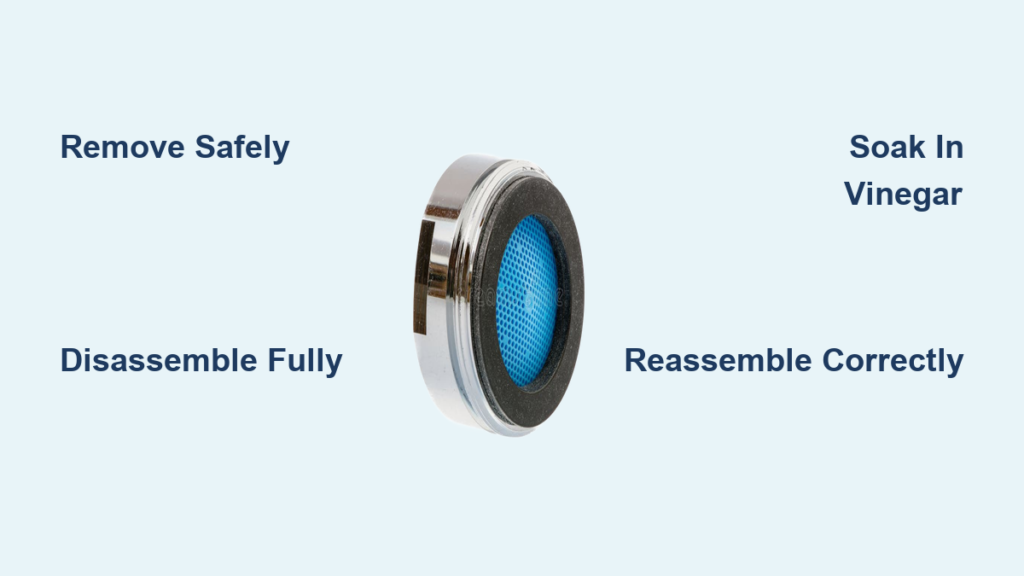
Remove and Disassemble the Aerator
- Turn off the water supply under the sink to prevent debris from falling into the plumbing.
- Unscrew the aerator by hand. Use a rubber gripper or silicone oven mitt for better traction if it feels stuck.
- If it still won’t budge, wrap it in a soft cloth and use an adjustable wrench gently to avoid cracking the metal.
- Once removed, unscrew the internal components: the retaining ring, mesh screens, flow restrictor, washer, and flow straightener.
- Lay all parts out in order on a towel so you can reassemble them easily.
Soak and Scrub the Components
For light mineral buildup, soak all parts in white vinegar for 30 to 60 minutes. For heavy scale deposits, use CLR (calcium, lime, rust remover) and soak for up to 48 hours. After soaking, scrub each part with an old toothbrush to remove residue, then rinse thoroughly with clean water. If you cannot remove the aerator, try the balloon trick: fill a small balloon with 3 to 4 squirts of CLR using a glue syringe, stretch it over the faucet tip so the liquid surrounds the aerator, and let it sit for 24 hours before trying to unscrew again.
Reinstall and Test Flow
Reassemble all cleaned parts in reverse order and hand-tighten the aerator onto the faucet. Turn the water back on and test the flow. If the water flows strongly, the problem is solved. If flow is weak with the aerator installed but strong without it, the aerator is still clogged or damaged and should be replaced. Replacement aerators cost between $2 and $15 at most hardware stores.
Check the Shut-Off Valves
Even slightly closed valves can drastically reduce water pressure. This is especially common after plumbing repairs, appliance installations, or DIY projects. If only one faucet is affected and the pressure dropped after someone worked under the sink, check the valves first.
Fully Open Both Valves
Locate the hot and cold shut-off valves under the sink. Turn both handles fully counter-clockwise to ensure they are completely open. Open the faucet to test the flow. If the pressure improves instantly, the valves were the issue.
Fix Stiff or Stuck Valves
If a valve won’t turn, apply penetrating oil like WD-40 and wait 10 minutes before trying again. Turn gently to avoid cracking. If the valve is corroded or leaks after moving, replace it entirely. Never force a valve, as this can crack it and cause leaks.
Flush the Supply Lines
If the aerator is clean but flow is still weak, debris may be stuck in the supply lines, quick-connect fittings, or inlet filters. This is common after plumbing work or in homes with older pipes.
Perform a Bucket Flush
- Shut off water at the valves under the sink.
- Place a towel in the sink cabinet to catch drips.
- Disconnect the supply lines from the faucet using a wrench if needed.
- Hold the lines over a bucket and briefly turn on the water to flush out sediment.
- Reconnect the lines and test the faucet.
If the flow improves, the blockage was in the supply line. After any plumbing work or new construction, flush all faucets for 2 to 3 minutes to clear construction debris.
Inspect the Spray Head and Hose
For kitchen faucets with pull-down or pull-out sprayers, clogged spray heads or kinked hoses are frequent causes of weak flow. This is especially common in kitchens where the sprayer is used heavily.
Clean the Spray Head
- Unscrew the spray head from the hose.
- Soak it in vinegar for 30 minutes to dissolve mineral deposits.
- Use a toothpick or pin to clear each clogged nozzle.
- Rinse thoroughly and reattach to the hose.
Check the Hose for Kinks
Pull out the spray head fully and look under the sink. Check whether the hose is twisted, pinched, or caught on a cabinet shelf. Ensure it moves freely without any resistance. A kinked hose can restrict flow significantly even when the sprayer looks fine.
Test the Diverter Valve
Turn on the faucet in stream mode, then switch to spray mode. If the flow drops sharply or water leaks from the spout, the diverter valve may be failing. The diverter is responsible for switching water between the spout and spray head. If it is faulty, replace either the spray head or the diverter assembly.
Diagnose Cartridge or Valve Issues

Worn cartridges, O-rings, or washers can restrict flow, especially in older faucets. Internal component wear is a common cause of gradual flow reduction over time.
When to Suspect Internal Damage
Watch for these signs: flow decreases gradually over months or years, the handle feels stiff or wobbly, one side (hot or cold) is weaker than the other, or the faucet drips from the spout or handle. These symptoms indicate that the internal seals or cartridge are wearing out.
Replace the Cartridge
- Shut off water and plug the drain to avoid losing small parts.
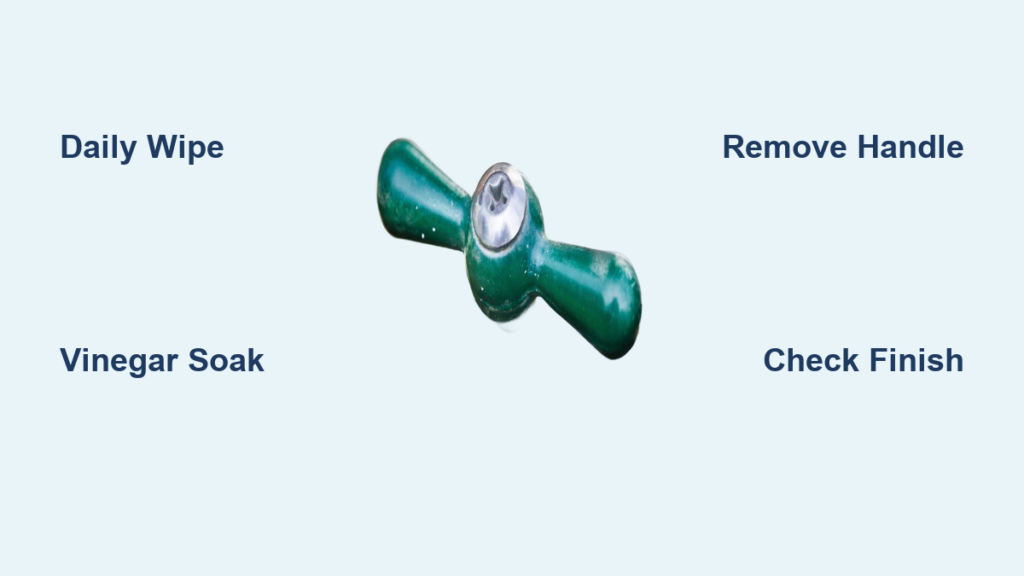
- Remove the handle by prying off the decorative cap and unscrewing the set screw.
- Take off the escutcheon to access the cartridge.
- Remove the retaining nut and pull out the cartridge.
- Take the old cartridge to a hardware store to find an exact match.
- Install the new cartridge and reassemble all parts in reverse order.
Ceramic cartridges last longer than rubber washers and resist wear from hard water better. If your faucet is older and uses rubber components, upgrading to a ceramic cartridge can extend the life of your faucet significantly.
Address the Flow Restrictor
Many modern faucets have a built-in flow restrictor, usually inside the aerator, to meet EPA WaterSense standards. These restrict flow to 1.5 gallons per minute or less. While eco-friendly, the restrictor can become clogged with sediment and reduce flow beyond intended levels.
Locate and Clean It
The flow restrictor is a small white or blue plastic disc inside the aerator assembly. Remove it during aerator cleaning, soak it in vinegar, and scrub gently with a toothbrush. Reinstall it rather than removing it entirely unless absolutely necessary.
Risks of Removing the Restrictor
Removing the flow restrictor can lead to higher water bills, excessive splashing, temperature fluctuations during use, and potential violation of local plumbing codes or warranty voiding. Instead of removing it, consider upgrading to a high-efficiency aerator that maintains strong flow while conserving water.
Test for Hidden Leaks
Leaks in supply lines or joints steal water pressure before it reaches the faucet. Even small leaks can cause noticeable pressure drops at the faucet.
Use the Water Meter Test
- Turn off all water-using appliances and fixtures.
- Note the water meter reading exactly.
- Wait 2 to 3 hours without using any water.
- Check the meter again.
If the reading has changed, you have a leak somewhere in your plumbing system.
Inspect Common Leak Points
Check under all sinks for dampness, mold, or corrosion. Inspect valve connections and compression fittings. Look around the water heater for pooling water or rust. For hidden leaks behind walls or under floors, call a plumber with acoustic leak detection equipment.
Troubleshoot Water Heater Problems
If only hot water flow is slow while cold water flows normally, the issue may start at the water heater rather than the faucet itself.
Check Water Heater Valves
Ensure both the inlet and outlet valves on the water heater are fully open. Partially closed heater valves can significantly reduce hot water pressure.
Flush the Water Heater
Sediment buildup in the tank reduces hot water volume and pressure. To flush: shut off power or gas and the water supply, attach a hose to the drain valve and run it to a floor drain, open the valve and let the tank drain completely, then refill and restore power. Flush the water heater annually to prevent sediment-related issues.
Inspect the Dip Tube
In older water heaters manufactured before 2000, the dip tube can break apart. Fragments travel into hot water lines and clog faucets and aerators. If you see white plastic bits in your aerator, the dip tube may be failing. Replacement requires a professional plumber.
Prevent Future Flow Problems
A little maintenance goes a long way in keeping your faucet flowing strong for years.
Clean Aerator Every 3 to 6 Months
In hard water areas, clean the aerator monthly. Remove it, soak in vinegar for one hour, rinse thoroughly, and reinstall. This simple step prevents most slow-flow problems before they start.
Install a Water Softener
If you live in an area with hard water, a whole-house water softener prevents scale buildup in pipes, faucets, and appliances. This investment protects your entire plumbing system.
Rinse Spray Head After Use
After washing greasy dishes, run clean water through the spray head for a few seconds to prevent residue from building up in the nozzles.
Replace Old Faucets Strategically
When replacing your faucet, choose models with easy-access aerators, ceramic cartridges, self-cleaning spray nozzles, and high-performance flow rates of 1.8 to 2.2 gallons per minute. These features make future maintenance easier and extend the faucet’s lifespan.
When to Call a Plumber
DIY fixes work in most cases, but call a professional if multiple faucets have low pressure (indicating a system-wide issue), you suspect a main line clog or pressure regulator failure, there is visible water damage, mold, or pooling, or your DIY attempts fail after cleaning the aerator, valves, cartridge, and supply lines. A licensed plumber can diagnose hidden leaks, replace corroded supply lines, test water pressure (ideal range is 40 to 60 psi), and perform code-compliant repairs.
Frequently Asked Questions About Slow Flowing Faucets
Why does my faucet have low water pressure only sometimes?
Low pressure that comes and goes often indicates intermittent debris flow from the water supply. This is common after water main work or when sediment shifts in the pipes. Running the water for a few minutes usually clears it. If it persists, check the aerator and supply lines for buildup.
Can hard water really cause slow faucet flow?
Yes, hard water contains high concentrations of calcium and magnesium, which accumulate as scale inside aerators, cartridges, and supply lines. This scale narrows the pathways water flows through. Regular aerator cleaning or installing a water softener prevents this buildup.
Should I replace my aerator or just clean it?
If the aerator is heavily corroded, damaged, or cracked, replace it. Cleaning works well for mineral deposits and sediment. Most aerators cost only $2 to $15, so replacement is inexpensive and often more effective than cleaning severely clogged units.
Does a flow restrictor reduce water pressure?
The flow restrictor is designed to limit water output to 1.5 gallons per minute for conservation. However, when it becomes clogged with sediment, it can restrict flow more than intended. Cleaning the restrictor restores proper function without removing the conservation benefit.
Why is only the hot water side weak?
If cold water flows normally but hot water is weak, the issue is likely at the water heater. Check that both inlet and outlet valves are fully open. Sediment buildup in the heater tank or a failing dip tube can restrict hot water flow. Flushing the heater annually helps prevent this.
Key Takeaways for Fixing Your Slow Flowing Faucet
A slow-flowing faucet is rarely a serious plumbing problem, but it is a daily annoyance that affects your routine. Start with the simplest fix: remove and clean the aerator. This single step resolves the issue in over 90% of cases. If that does not work, check the shut-off valves, flush the supply lines, and inspect the spray head and hose for kinks or clogs. For persistent issues, the cartridge, flow restrictor, or hidden leaks may be to blame. Regular maintenance, including cleaning the aerator every few months and flushing the water heater annually, prevents most slow-flow problems from returning. With the right approach, you can restore full water pressure in under an hour without calling a professional.