Seeing black water emerge from your faucet is alarming and unsettling. This discoloration signals underlying plumbing problems such as mineral buildup, pipe corrosion, or microbial growth. While black water is not always dangerous, it should never be ignored, as it may indicate deteriorating components that could compromise your water quality and plumbing integrity. In this guide, you will learn how to diagnose the exact cause, fix the problem safely, and prevent future recurrence using proven troubleshooting steps.
This article covers seven major solution areas, from simple faucet flushing to complete pipe replacement. Whether the issue affects a single fixture or your entire home, the step-by-step diagnostics and remedies below will help you restore clean, safe water quickly and effectively.
Identify the Source of Discoloration
Before attempting repairs, you must determine where the black water originates. The right solution depends entirely on accurate diagnosis, so take time to observe the patterns carefully.
Check Hot vs Cold Water First
Run both hot and cold taps separately and observe the results carefully. If only hot water appears black, the problem likely lies within your water heater, specifically the anode rod or accumulated sediment. When only cold water is discolored, the issue probably stems from pipe corrosion, municipal supply problems, or faucet-specific components. If both hot and cold water are affected, this points to system-wide problems such as main line sediment or aging plumbing throughout your home.
Start your investigation at the kitchen sink, as it is typically closest to the main water line and used most frequently. This gives you the clearest picture of your overall water quality.
Isolate Single Fixture vs Whole House Issues
Check whether the problem is localized or widespread. When only one faucet displays black water, focus on localized components such as the aerator, cartridge, supply hose, or shut-off valve beneath that specific sink. When multiple faucets or the entire house shows discoloration, you must investigate broader issues including the water heater, main pipes, or municipal supply.
Talk with your neighbors if you share a municipal water supply. If they also report discolored water, contact your local utility, as the problem may stem from water main flushing or pipe repairs in your area.
Analyze Water for Particles and Odors
Fill a clear glass with water from the affected faucet and let it sit for ten minutes. Watch what happens to the particles. If they settle at the bottom, you are likely dealing with rust, manganese, or sediment. If specks float or disperse throughout the water, deteriorating rubber parts may be the culprit. A slimy residue suggests bacterial or mold growth.
Smell the water carefully. A rotten egg smell indicates hydrogen sulfide from sulfate-reducing bacteria in the water heater. A musty odor points to organic growth in stagnant lines. These sensory clues help narrow down the cause and guide your next steps.
Flush Faucets and Plumbing System
Simple flushing often resolves temporary sediment issues caused by water line disturbances. This should be your first step before considering more invasive repairs.
Run Water Through Individual Faucets
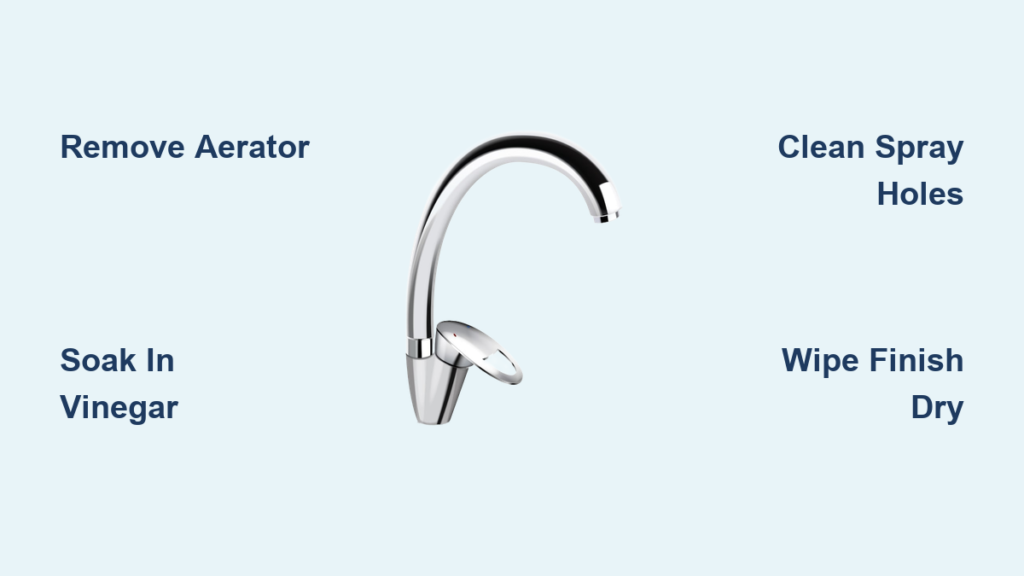
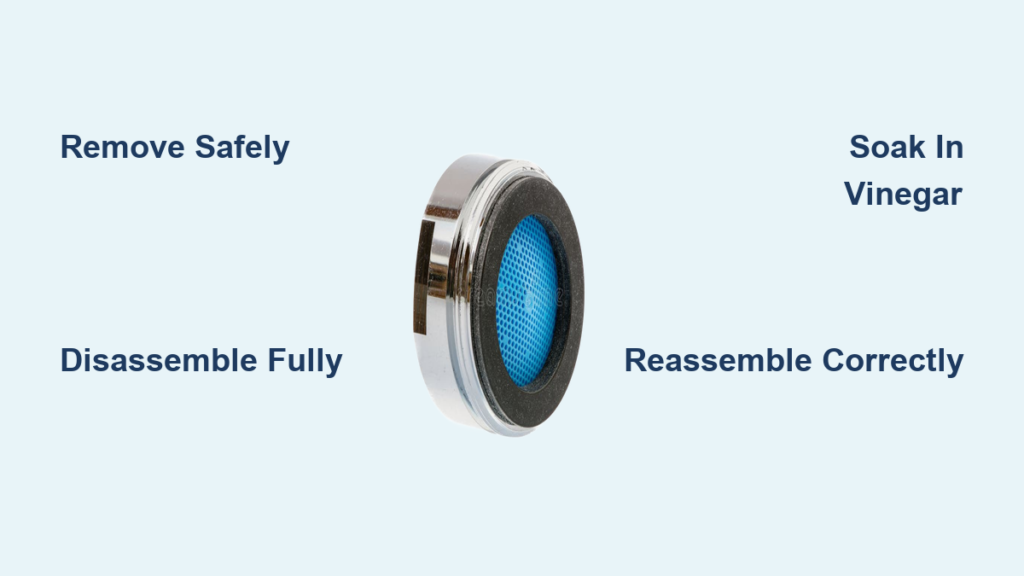
For a single affected faucet, start by removing the aerator found at the tip of the spout. Turn the water on fully and let it run for two to three minutes. Watch the water flow to see if it clears up. If the water runs clear, clean the aerator with vinegar to remove trapped debris, then reinstall it.
Always shut off water before disassembling any fixtures to avoid leaks and water damage.
Flush All Cold Water Lines
For whole-house cold water discoloration, begin at the lowest faucet in your home, such as a basement or outdoor spigot. Open all cold water taps throughout the house, including bathtubs, kitchen sinks, and bathroom sinks. Let the water run for fifteen to twenty minutes. When finished, shut off the faucets starting from the top floor down.
This process clears built-up sediment from main and branch lines throughout your plumbing system.
Flush Hot Water System Separately
If only hot water is discolored, you need to flush the hot water system. Turn off power to electric water heaters or set gas heaters to Pilot. Open all hot water faucets throughout the house. Let water run for ten to fifteen minutes. Close all taps and restore power to the heater.
If black particles persist after flushing, you will need to flush the water heater tank directly, as detailed in the next section.
Flush and Inspect the Water Heater
The water heater is a common culprit for black water, especially when the discoloration appears only in hot water and may be accompanied by a rotten egg smell.
Drain and Flush the Tank
Sediment and degraded anode rods cause dark particles to enter your water supply. Flushing the tank helps remove this buildup. First, turn off the power or gas and the cold water supply to the heater. Attach a garden hose to the drain valve, which is usually located at the base of the tank. Open the pressure relief valve to break the vacuum inside the tank. Open the drain valve and let the tank empty completely.
Reopen the cold water inlet briefly to stir any remaining sediment, then drain again. Repeat this process until the water runs clear. Close the drain valve, refill the tank, and restore power to the heater.
Perform this flushing annually to prevent sediment buildup and extend the life of your water heater.
Replace the Anode Rod
The anode rod inside your water heater sacrifices itself to protect the tank from corrosion. When this rod wears out, it produces black, soot-like debris that enters your water supply. To replace it, shut off the water supply and drain ten to twenty gallons from the tank. Use a socket wrench to remove the rod, which is located on the top or side of the tank.
Inspect the rod carefully. If less than half an inch of core wire remains or the rod shows heavy cracking, it needs replacement. Install a new aluminum-zinc rod if odor is an issue, and avoid magnesium rods in areas with soft water.
This repair takes approximately one hour and costs thirty to fifty dollars for the replacement rod. Many homeowners report immediate improvement in water color after anode rod replacement.
Replace Degraded Rubber Components

Black, soft, smudge-like particles often come from failing rubber parts inside your plumbing, not from rust or minerals. These components deteriorate over time due to heat, age, and chemical reactions.
Common Failure Points
Several rubber components commonly fail and cause black water. Faucet cartridges, especially in single-handle models, can degrade and release particles. O-rings and washers inside faucet stems or shut-off valves deteriorate over time. Flexible supply lines, the braided hoses found beneath sinks, can degrade internally and release black debris into your water.
Diagnose and Replace Single Faucet Issues
If only one faucet is affected, you can isolate the problem by testing the supply line. First, shut off the water at the valve beneath the sink. Disconnect the supply line from the faucet. Place the open end into a bucket. Briefly turn on the shut-off valve.
If black particles appear in the water flowing from the supply line, replace either the supply line or the shut-off valve. If the water is clear, the problem lies within the faucet body itself, and you should replace the cartridge.
Use stainless steel-braided lines with EPDM or PTFE liners when replacing supply lines. Avoid cheap rubber hoses, as they degrade more quickly.
Address Manganese and Iron in Water Supply
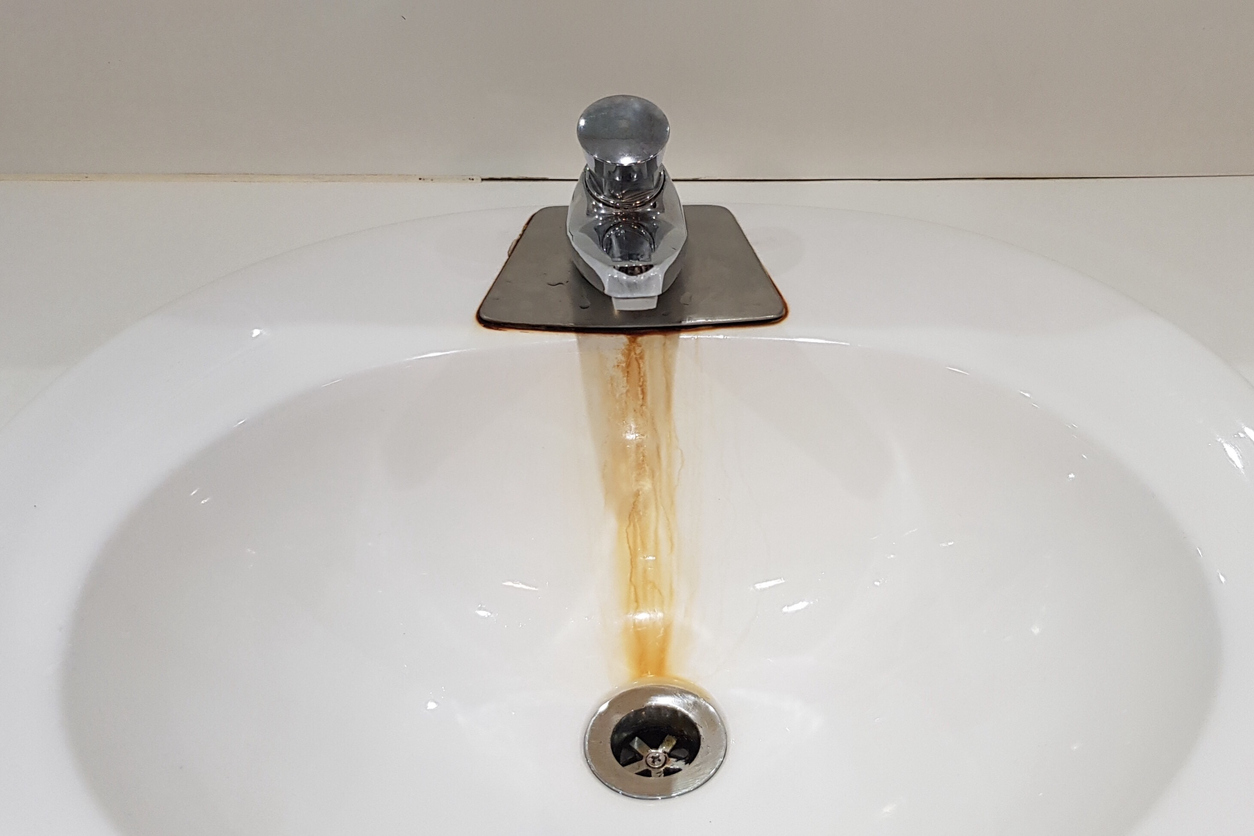
Naturally occurring manganese and iron are common in well water and some municipal supplies. When these minerals oxidize, they form black particles and cause staining.
Signs of Mineral Buildup
Watch for black or brown stains on sinks, tubs, and laundry. Check toilet tanks for slimy residue. Notice if aerators and appliance filters clog frequently. Observe whether discoloration appears after water sits overnight, which indicates mineral settling.
Test Your Water
Contact a certified laboratory to test your water for iron, manganese, pH, hardness, and bacteria. Iron levels above 0.3 mg/L cause staining, while manganese above 0.05 mg/L becomes noticeable. Test well water annually, and city water users can request municipal water quality reports.
Install Appropriate Filtration
For persistent mineral issues, several filtration options exist. A sediment pre-filter costs twenty to fifty dollars and removes large particles before they reach fixtures. Iron and manganese filters use air injection, greensand, or Birm media to oxidize and trap minerals. Whole-house filtration protects all plumbing and appliances and costs one thousand to three thousand dollars installed.
For mild cases, phosphate-feeding devices keep minerals in solution and prevent staining.
Disinfect for Mold and Bacteria
Black slime and foul odors suggest microbial growth, which is common in stagnant lines or water heaters.
Shock Chlorinate the System
Shock chlorination works well for wells and homes with bacterial contamination. Calculate your water heater volume, then mix one quart of bleach per one hundred gallons of water. For a forty-gallon tank, use half a quart of bleach. Pour the bleach into the cold water inlet or flush valve. Turn on all faucets until you smell bleach throughout the house. Let the solution sit for one to two hours. Flush all lines until the bleach odor disappears completely.
Ventilate well and wear gloves during this process. Never mix bleach with other cleaning products.
Use Hydrogen Peroxide as Alternative
Hydrogen peroxide offers a less corrosive alternative to chlorine. Inject three percent food-grade hydrogen peroxide into the system. Let it circulate for thirty to sixty minutes. Flush thoroughly afterward.
Install UV Purification for Ongoing Protection
UV light kills bacteria, viruses, and mold without chemicals. Install the UV system after the pressure tank or main line. This requires annual bulb replacement but provides continuous protection.
UV purification works best for well water systems, seasonal homes, or properties with recurring odor issues.
Replace Corroded Pipes
If black water persists and affects multiple fixtures throughout your home, aging pipes may be the root cause.
Recognize Pipe Corrosion
Corrosion commonly affects homes built before 1980 with galvanized steel pipes. Watch for gradual water discoloration that starts yellow, turns brown, and eventually becomes black. Reduced water pressure and frequent leaks or pinhole bursts also indicate corrosion. Black flakes become visible when pipes are exposed during repairs.
Upgrade to Modern Materials
Replace galvanized lines with modern alternatives. Copper is durable and long-lasting and resists corrosion. PEX, cross-linked polyethylene, is flexible, freeze-resistant, and easy to install. CPVC serves as a plastic alternative for both hot and cold lines.
Pipe replacement costs two to eight dollars per linear foot installed, depending on accessibility. This investment eliminates rust, improves water quality, and increases your home value.
Prevent Future Black Water Issues
Once you have fixed the problem, take preventive steps to keep your water clean and your plumbing healthy.
Maintain Your Water Heater Annually
Flush the tank every twelve months to remove sediment. Inspect the anode rod every three to five years. Check the temperature and pressure relief valve regularly. Set your water heater temperature to 120 degrees Fahrenheit to reduce scale and bacterial growth without scalding risk.
Clean Aerators Regularly
Remove and clean aerators every three to six months. Unscrew the aerator from the faucet tip. Soak it in white vinegar for thirty minutes. Scrub with an old toothbrush. Rinse thoroughly and reinstall.
This routine removes mineral deposits and catches early signs of debris before they become major problems.
Install Preventive Filtration Systems
Consider point-of-entry filters for whole-house protection against sediment and minerals. Install acid neutralizers if your water pH is below 6.5 to prevent pipe corrosion. Add pre-filters to washing machines to catch particles before they stain clothing.
Change filter cartridges every six to twelve months as the manufacturer recommends.
Monitor Water Quality Regularly
Test your water every year if you have well water, older plumbing, or recurring discoloration. Early detection prevents costly repairs and protects your health.
When to Call a Professional
Some issues require expert help. Contact a professional if black water returns after flushing, you notice leaks or low pressure, multiple fixtures remain affected, testing reveals high manganese or bacteria, or you feel uncomfortable working with plumbing systems.
A licensed plumber handles pipe inspection, replacement, and faucet repairs. A water treatment specialist designs and installs filtration systems. A certified lab technician performs accurate water testing. A home inspector provides comprehensive diagnostics, especially before purchasing a home.
In complex cases, a plumber and water specialist may collaborate to develop a full solution.
Frequently Asked Questions About Black Water from Faucets
Is black water from my faucet dangerous to drink?
Black water is not always immediately dangerous, but you should avoid drinking it until you identify the cause. Sediment and mineral particles are generally harmless in small amounts, but bacterial contamination poses health risks. Use bottled water for drinking and cooking until the issue resolves.
How long does it take to fix black water from a faucet?
Simple fixes like flushing faucets or cleaning aerators take thirty minutes to an hour. Water heater anode rod replacement takes about one hour. Whole-house pipe replacement requires several days, depending on your home size and accessibility.
Why does black water only appear in hot water?
Black water appearing only in hot water typically indicates a water heater problem. The anode rod inside the heater may be degrading, or sediment has accumulated in the tank. Both produce black particles that enter your hot water supply.
Can I fix black water myself, or do I need a plumber?
You can handle many black water issues yourself, including flushing lines, cleaning aerators, replacing faucet cartridges, and changing anode rods. Call a plumber for pipe replacement, extensive diagnostics, or if you lack the necessary tools and experience.
Will a water filter fix black water?
A water filter helps with manganese, iron, and sediment but cannot fix black water caused by pipe corrosion or deteriorating rubber components. Identify the root cause first, then choose the appropriate filtration system. A sediment filter costs twenty to fifty dollars, while whole-house systems run one thousand to three thousand dollars.
How often should I flush my water heater?
Flush your water heater annually to prevent sediment buildup. If you have hard water or notice decreased hot water quality, flush it twice per year. Regular flushing extends the heater lifespan and maintains water quality.
Key Takeaways for Fixing Black Water from Faucets
Black water from your faucet is fixable, but you must act promptly and systematically. Start with simple steps: flush the lines, clean aerators, and check whether the problem affects hot water, cold water, or both. Use visual and sensory clues to isolate the cause. Most issues resolve with basic maintenance, part replacements, or filtration improvements.
If corrosion or contamination affects your entire plumbing system, invest in pipe upgrades or professional water treatment for long-term safety. Replace galvanized steel pipes with copper or PEX to eliminate rust permanently. Install appropriate filtration for manganese or iron problems.
With regular care and maintenance, you can enjoy clear, clean water for years to come. Test your water annually, maintain your water heater, and address problems immediately when they appear.