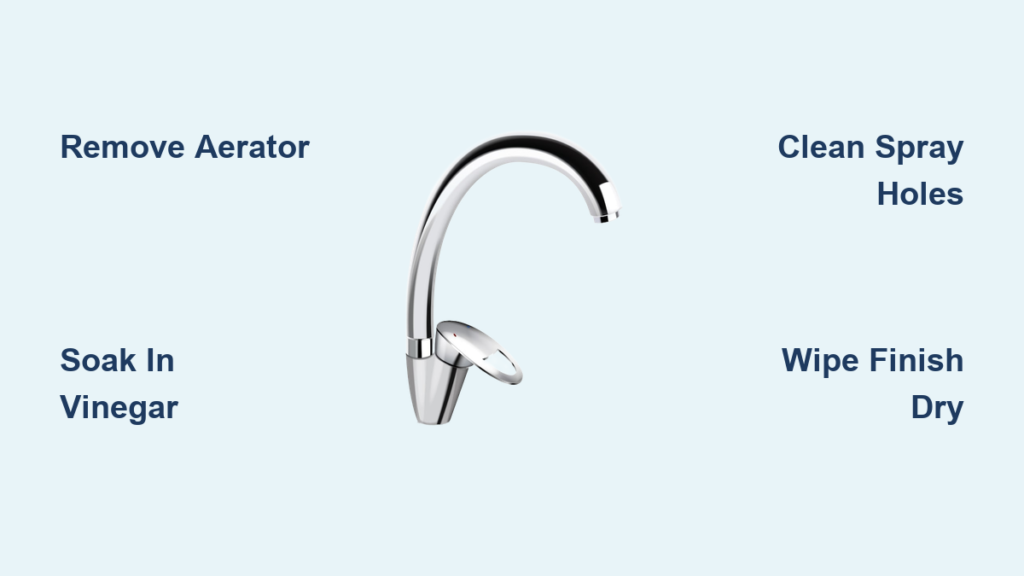
White stains on your faucet are almost always hard water deposits, which are calcium and magnesium minerals left behind when water evaporates. These chalky buildup spots dull chrome and stainless steel finishes, and they can clog your aerator, reducing water flow. The good news: you can dissolve these mineral deposits safely at home for under $2 using common household items.
This guide covers exactly how to remove white stains from faucet surfaces using vinegar, baking soda, and other proven methods. You’ll learn which cleaning approach works best for your stain severity, how to protect sensitive finishes, and simple habits to keep stains from returning.
Confirm You’re Dealing with Hard Water Deposits
Before cleaning, verify the white stain is actually mineral buildup and not another type of residue.
Hard Water vs. Soap Scum and Mold
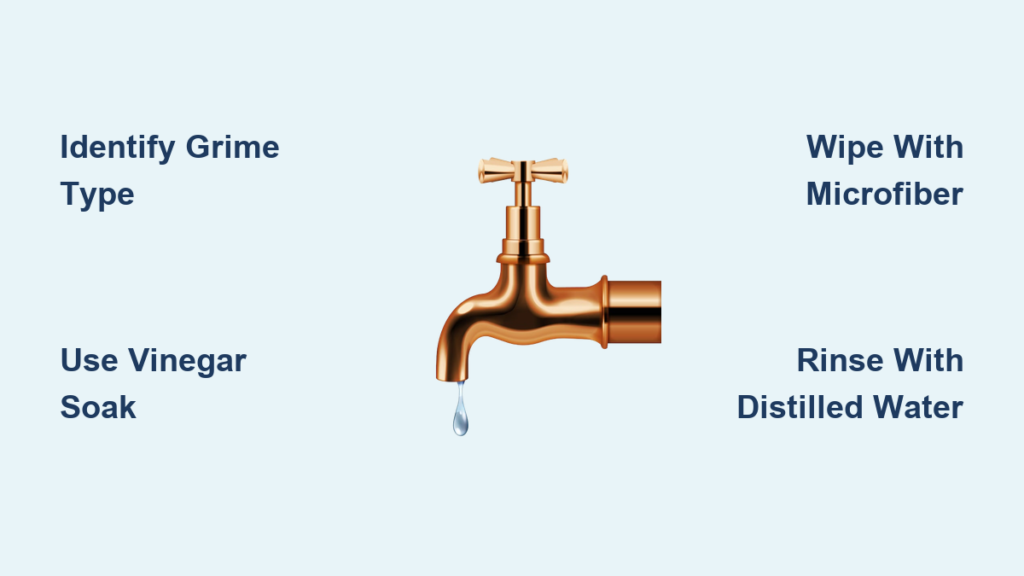
Hard water stains feel chalky or gritty and reappear quickly after you wipe them away. They resist soap and water but dissolve when exposed to mild acid. Soap scum feels slick or filmy and often appears gray or beige. Mold looks fuzzy and is typically black or green, usually hiding in grout lines or crevices. Paint overspray is smooth, hard, and may peel.
Quick Vinegar Test
Dab a drop of distilled white vinegar onto the stain. If it fizzes and dissolves within a few minutes, you have mineral deposits. This test confirms vinegar or other acidic cleaners will work effectively on your faucet.
Check Your Water Hardness
The harder your water, the faster white stains return. About 85% of U.S. households have hard water exceeding 1 grain per gallon of calcium carbonate. If your area exceeds 7 to 10 gpg, expect frequent buildup and may need a water softener for long-term relief. You can test your water with a home hardness kit costing $10 to $15, or check your local utility’s water quality report.
Vinegar Soak Method for Maximum Results
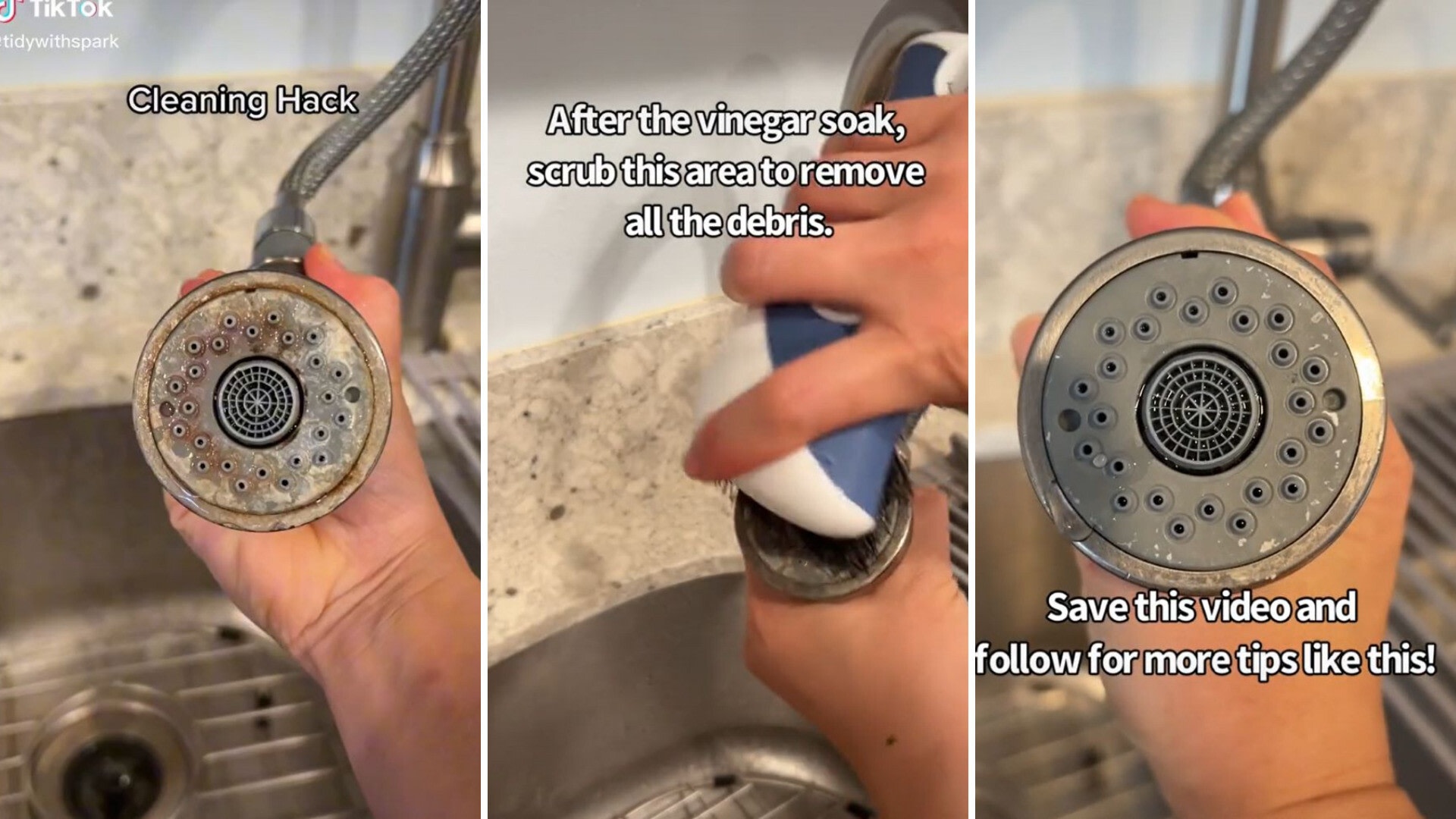
Vinegar is the most recommended solution for removing white stains from faucet surfaces. It works safely, costs under $2, and dissolves mineral deposits effectively.
Why Vinegar Dissolves Mineral Deposits
Distilled white vinegar contains 5% to 8% acetic acid, which reacts with calcium carbonate to form soluble compounds. The reaction dissolves the hard water deposit completely. Vinegar is non-toxic, widely available, and safe on most faucet finishes when used correctly. Heinz vinegar often tests slightly higher in acidity, making it marginally more effective.
Soak Fixed Faucet Parts
Follow these steps for spouts, handles, and bases:
- Dry the faucet surface thoroughly to prevent diluting the vinegar.
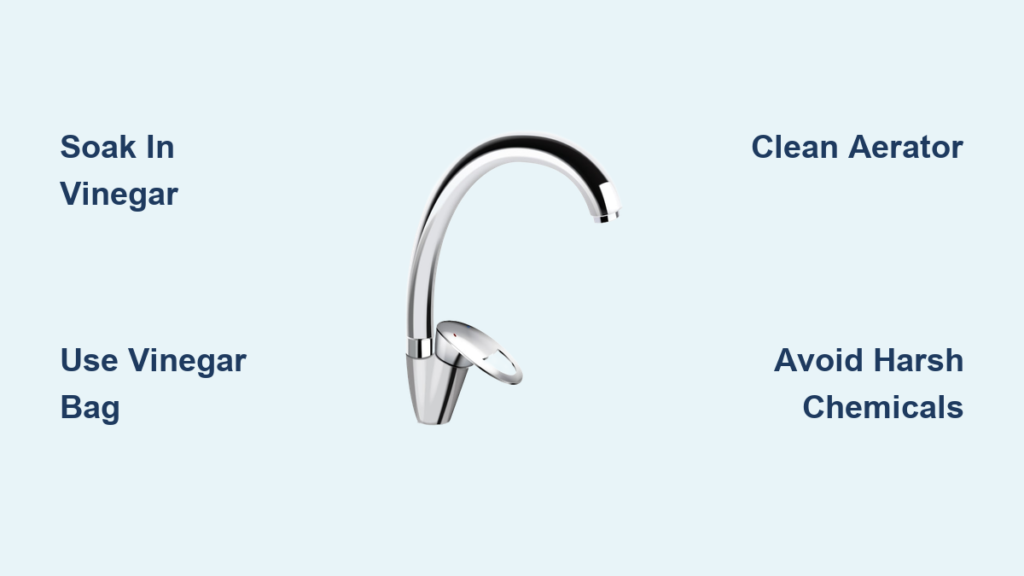
- Soak a soft cloth or paper towel in undiluted white vinegar until dripping wet.
- Wrap the cloth around all stained areas, covering joints, collars, and set-screw holes.
- Secure with a rubber band or string to maintain contact.
- Wait 15 to 60 minutes. Light buildup needs 15 to 30 minutes. Heavy crust needs a full hour. Optionally warm the vinegar slightly to speed up the reaction.
- Scrub gently with a soft toothbrush or worn green sponge pad.
- Wipe away residue, rinse with clean water, and buff dry with a microfiber cloth.
Pro Tip: Insert vinegar-soaked string or dental floss into the spout opening to draw acid into internal passages where deposits also accumulate.
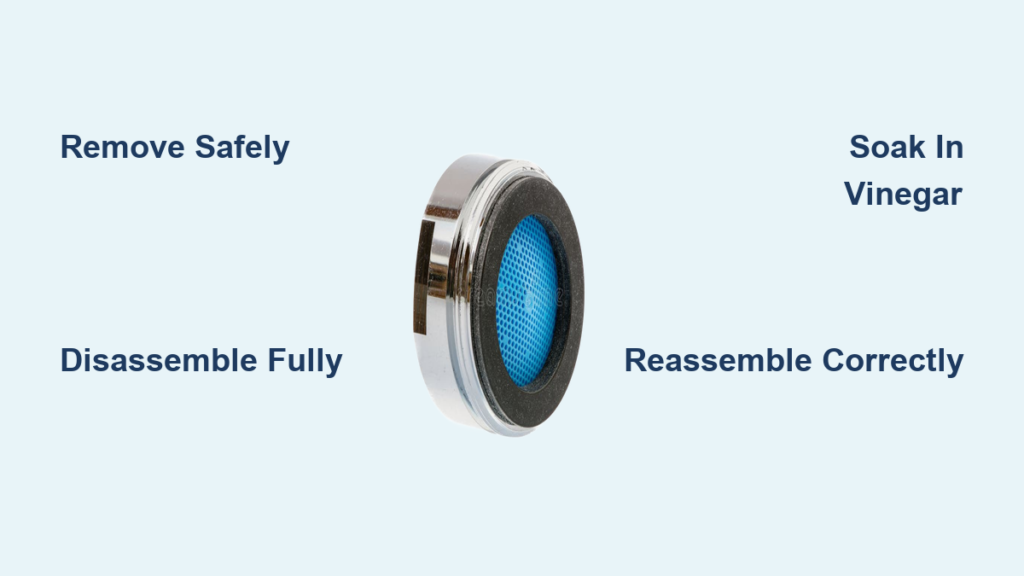
Clean the Aerator
A clogged aerator causes poor water flow and uneven spray. Here’s how to clean it:
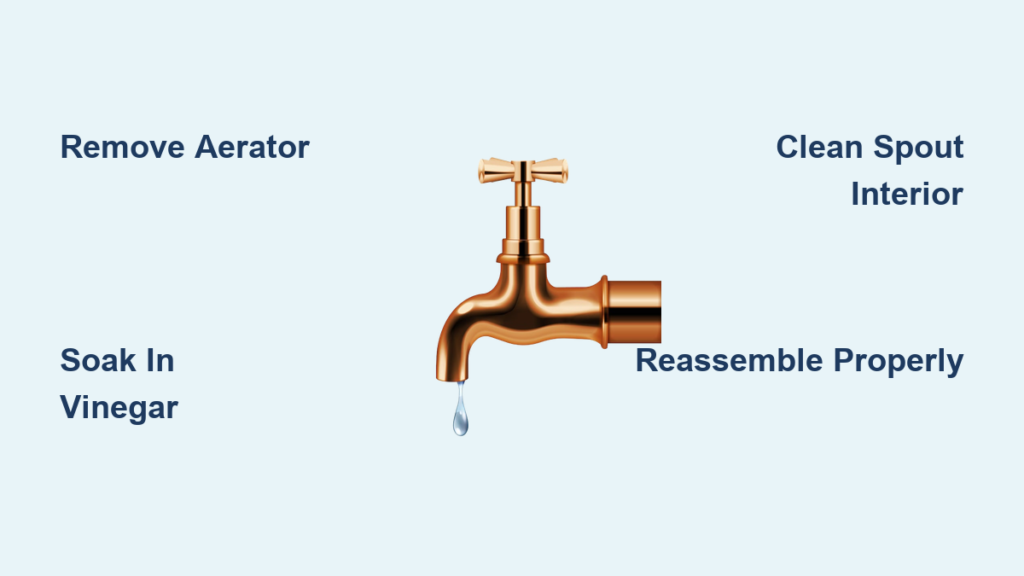
- Unscrew the aerator by hand turning counter-clockwise. Use pliers wrapped in cloth if stuck, never bare metal.
- Soak in a bowl of undiluted vinegar. Light buildup needs 10 to 15 minutes. Moderate buildup needs 30 minutes. Severe clogs need overnight.
- Scrub the mesh screen, washer, and internal parts with a soft toothbrush.
- Rinse thoroughly under running water.
- Reinstall hand-tighten only. Overtightening can strip threads.
Many users report restored water pressure after aerator cleaning.
Vinegar and Alcohol Solution for Faster Cleaning

Need results in under 20 minutes? This enhanced formula cuts through mixed buildup faster.
Why the Combination Works
Vinegar dissolves minerals while isopropyl alcohol breaks down oils, soap scum, and biofilm. The alcohol also evaporates quickly, which reduces water spots from forming after cleaning. Together they deliver faster, more complete cleaning, especially on frequently used faucets.
Application Steps
- Mix equal parts vinegar and 70% isopropyl alcohol in a spray bottle.
- Spray onto the faucet or saturate a microfiber cloth and wrap around the fixture.
- Insert vinegar-soaked string into the spout for internal cleaning.
- Wait 15 minutes. Do not exceed 20 minutes to protect rubber seals.
- Wipe clean. Most residue lifts effortlessly.
- Polish stubborn spots with the edge of a five-cent coin, which provides safe, light abrasion on chrome.
- Buff dry with microfiber.
User Insight: “It’s really built up, so we’re going to have to give it a second go.” Repeat if needed, especially on neglected fixtures.
Baking Soda for Light Buildup
For routine maintenance or thin film, baking soda offers gentle, non-acidic cleaning.
Make the Paste
Mix 3 parts baking soda with 1 part water into a thick paste. Add a drop of dish soap for extra cleaning power.
Apply and Scrub
- Spread the paste directly on stained areas.
- Wait 10 to 15 minutes.
- Scrub gently with a microfiber pad or soft brush.
- Rinse thoroughly and dry.
Baking soda works best for weekly upkeep on chrome or stainless steel. Avoid on sensitive finishes like unlacquered brass.
Lemon Juice Natural Cleaning Method
Lemon juice contains citric acid, which dissolves minerals and leaves a fresh scent.
How to Apply
Rub a cut lemon directly on the stain, or soak a cloth in bottled lemon juice and wrap the faucet. Wait 5 to 10 minutes, then rinse and dry thoroughly.
Boost with Salt
For stubborn spots, sprinkle coarse salt on the lemon half before scrubbing. The salt adds mild abrasion for better deposit removal.
Caution: Limit lemon juice exposure on oil-rubbed bronze, copper, or gold-plated finishes. Acids can etch or tarnish these sensitive surfaces.
Commercial Descalers for Tough Cases

When DIY methods fail, store-bought descalers offer stronger cleaning power.
What to Look For
Choose products with phosphoric acid, sulfamic acid, citric acid, or chelating agents like EDTA. Look for foaming formulas that cling to vertical surfaces. Verify the label states “safe for chrome, stainless steel, sealed brass.”
Application Tips
- Spot test first. Apply to a hidden area, wait 5 minutes, check for damage.
- Follow dwell time exactly. Overexposure risks finish erosion.
- Wear gloves and ventilate the room if fumes are strong.
- Rinse thoroughly. Residual cleaner attracts new deposits.
Warning: Not all bathroom cleaners remove hard water stains. Check the label before purchasing.
Protect Sensitive Faucet Finishes
Not all faucets can handle vinegar or acid. Always test first on a hidden spot.
Safe for Acid Cleaning
Chrome is the most durable and handles vinegar and gentle scrubbing well. Stainless steel resists acid but rinse thoroughly. Sealed brass tolerates vinegar if exposure stays under 1 hour. Brushed nickel needs diluted vinegar and immediate rinsing.
Avoid Acid On
Unsealed brass risks etching and tarnish from vinegar. Copper accelerates oxidation from acid exposure. Gold plating may strip completely. Marble or stone surrounds etch badly since acid reacts with calcite.
When in doubt, use baking soda paste or a commercial cleaner specifically labeled for your finish.
Essential Tools for Faucet Cleaning
Use the correct tools to avoid scratches and maximize efficiency.
What You Need
Distilled white vinegar serves as your primary descaler. Soft cloth or paper towel works for wrapping. A worn green sponge pad provides gentle scrubbing. A soft-bristled toothbrush handles detail cleaning in crevices. Microfiber towel ensures streak-free drying. String or dental floss pulls solution into the spout. A five-cent coin provides safe polishing edge for chrome. Baking soda acts as a mild abrasive. Lemon juice offers natural acid alternative. Isopropyl alcohol at 70% serves as degreaser and drying aid.
Avoid steel wool, abrasive pads, bleach, or undiluted ammonia.
Prevent White Stains from Returning
Cleaning once isn’t enough. Stop buildup with simple daily habits.
Daily Wipe After Use
Keep a microfiber towel near the sink. After each use, dry the faucet to stop water from evaporating and leaving minerals behind.
Weekly Vinegar Wipe-Down
Dampen a cloth with vinegar, wipe all surfaces, rinse, and dry. This takes less than a minute and prevents accumulation.
Monthly Aerator Cleaning
Remove, soak in vinegar for 30 minutes, scrub, and reinstall. This ensures consistent water flow and catches early clogs.
When to Consider a Water Softener
:max_bytes(150000):strip_icc()/installing-a-water-softener-2718669-FINAL-1-ee8de137dcf84b5db1e28f84a7dec11b.png)
If white stains return weekly, your water is likely very hard exceeding 10 gpg.
Whole-House Water Softener
A water softener uses ion exchange to replace calcium and magnesium with sodium or potassium. Benefits include eliminating hard water at the source, protecting plumbing and appliances, and reducing soap usage. Costs range from $500 to $2,500 or more. Professional installation is recommended.
Point-of-Use Filters
These install at the faucet or under the sink. Cost ranges from $50 to $200 with easier DIY installation. Best for single sink protection.
Recommendation: Install a softener if hardness exceeds 7 gpg. It pays off in appliance lifespan and cleaning time.
Fix Persistent Stains That Won’t Budge
If white stains remain after treatment, try these steps:
- Repeat the vinegar soak. Some deposits need multiple rounds.
- Extend soak time. Aerator can soak overnight safely.
- Combine methods. Apply baking soda paste after vinegar for mechanical removal.
- Check for rust. Orange tint indicates iron. Use CLR (Calcium, Lime & Rust Remover).
- Inspect internal parts. Disassemble faucet if possible. Clean cartridge or valve seats.
- Never mix vinegar and bleach. Toxic fumes result.
The same techniques work on showerheads, sink drains, porcelain, and tile grout.
Maintain Your Faucet Long-Term
How Long Will Results Last
With low hardness, results last 2 to 3 months. With high hardness, expect 2 to 4 weeks. Daily drying and weekly wipes extend results significantly.
Reapplication Schedule
Light buildup needs cleaning every 2 to 3 months. Heavy buildup needs monthly or biweekly treatment.
Final Polish: Buffing with microfiber enhances shine and adds a short-term protective layer.
Frequently Asked Questions About Removing White Stains from Faucets
Does vinegar damage faucet finishes?
Vinegar is safe on chrome, stainless steel, and sealed brass when used correctly. Avoid prolonged exposure on unsealed brass, copper, gold plating, or marble. Always rinse thoroughly after cleaning.
How long should I soak my faucet in vinegar?
Light buildup needs 15 to 30 minutes. Moderate to heavy buildup needs 1 hour. Severely clogged aerators can soak overnight safely.
Can I use lemon juice instead of vinegar?
Yes, lemon juice works due to citric acid content. It smells better but may be less effective on heavy deposits. Use caution on sensitive finishes.
Why do white stains keep coming back?
White stains return because of hard water. The minerals in your water deposit every time the faucet gets wet. Installing a water softener or using a point-of-use filter solves this permanently.
What’s the fastest way to remove white stains?
Vinegar plus isopropyl alcohol in equal parts cleans most faucets in 15 to 20 minutes. This combination handles mixed residue faster than vinegar alone.
Can I leave vinegar on my faucet overnight?
For fixed faucet parts, limit vinegar exposure to 1 hour maximum. Aerators and removable parts can soak overnight safely. Longer exposure risks damaging sensitive finishes.
Key Takeaways for Removing White Stains from Faucets
White stains on faucets are hard water deposits that dissolve easily with acetic acid from vinegar. The vinegar soak method works best for stubborn buildup, while the vinegar and alcohol combo delivers faster results on mixed residue. Always test cleaning solutions on hidden areas first, and protect sensitive finishes like unsealed brass and gold plating.
For long-term relief, install a water softener if your hardness exceeds 7 gpg. In the meantime, dry your faucet after each use and perform weekly vinegar wipe-downs to prevent minerals from bonding to the surface. With these habits, your faucet stays clean for months at a time, and cleaning becomes quicker and easier each round.