A bronze faucet brings warmth and elegance to any kitchen or bathroom, but its rich, dark finish requires gentle care. Hard water stains, mineral buildup, and green corrosion (verdigris) can quickly dull its beauty if you use the wrong cleaning methods. The good news? You can safely clean and protect your bronze fixture without damaging its finish by using the right tools and techniques.
This guide covers proven methods for removing tough deposits, preventing damage, and applying protective wax. Whether your faucet has oil-rubbed, lacquered, or living finish, you will learn exactly what to do and what to avoid to keep it looking beautiful for years.
Daily Care That Prevents Damage
The most effective way to keep your bronze faucet looking great is simple: dry it after every use. Water droplets left behind leave behind mineral deposits that form chalky white spots, especially on dark finishes where they stand out most.
Wipe your faucet with a dry microfiber cloth after each use. Focus on the spout, handle joints, and base where water pools. Make this part of your routine, like turning off the tap. Keeping a microfiber cloth in a drawer under the sink makes it easy to remember.
For light cleaning during the week, dampen a soft cloth with warm water mixed with a few drops of mild dish soap. Gently wipe all surfaces, rinse with warm water, and dry immediately with a clean microfiber towel.
Safe Tools and Materials for Bronze Faucets

Scratches are permanent on bronze, so choosing the right tools matters more than you might think. Anything abrasive can permanently damage the finish, even products marketed as gentle.
Use only soft materials on your bronze faucet. Approved tools include microfiber cloths, soft-bristled toothbrushes for crevices, non-abrasive sponges, and cotton fabric for vinegar wraps. Never use steel wool, scouring pads, stiff brushes, or paper towels, which can scratch or leave lint behind.
If the tool feels rough on your hand, it is too harsh for bronze. Test any new cleaner on a hidden spot first, such as the underside of the handle. Wait 15 minutes, rinse, and check for color or gloss changes before using it on visible areas.
DIY Cleaning Solutions That Work
Avoid commercial cleaners that contain ammonia, bleach, or alcohol, as these strip protective coatings and react with the copper in bronze. Stick to natural, pH-safe options that you can mix at home.
For daily cleaning, mix two drops of dish soap in one cup of warm water. Use a 1:1 mixture of white vinegar and water for light mineral buildup. For stubborn hard water stains, use undiluted white vinegar. For green corrosion (verdigris), mix one tablespoon baking soda with one tablespoon fresh lemon juice to form a thick paste.
Never use Windex, Lysol, bathroom sprays, or drain cleaners on your bronze faucet. These products can void your warranty and cause irreversible damage to the finish.
Removing Hard Water Stains Without Scratching
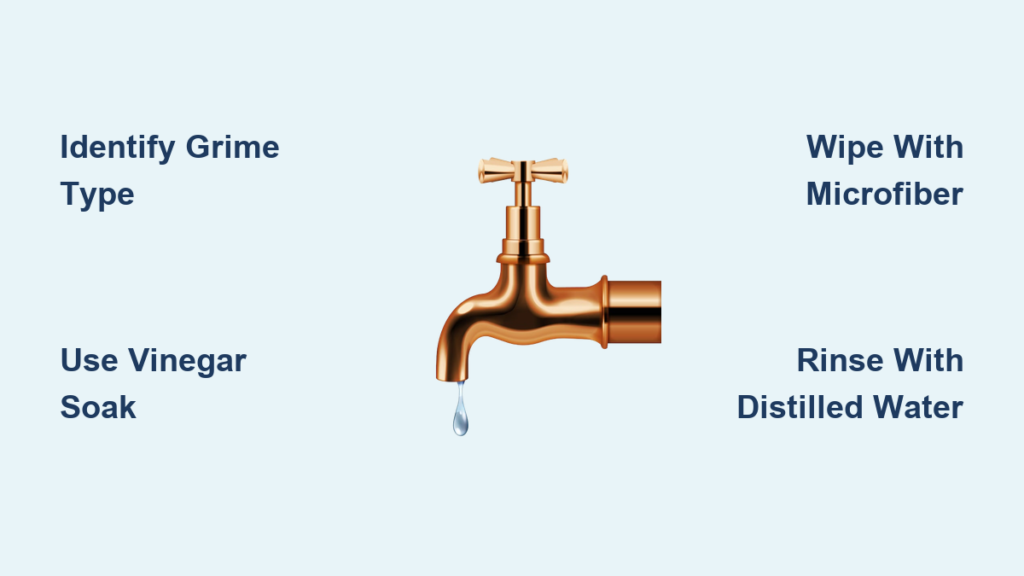
White, chalky spots on your faucet are calcium and magnesium deposits from hard water. Vinegar dissolves these minerals safely without scratching the finish.
Cut a piece from an old cotton t-shirt and soak it in undiluted white vinegar. Cotton holds vinegar evenly and will not scratch like plastic wrap. Wrap the soaked fabric around the spout or handles, covering all stained areas.
Let the vinegar work for 15 to 30 minutes. Most users see visible improvement within 15 minutes. Remove the cloth, gently scrub with a soft toothbrush, and rinse with distilled water to prevent new mineral deposits from forming. Dry completely with a microfiber cloth.
Do not exceed 30 minutes of vinegar exposure, as prolonged acidic contact can degrade protective coatings or accelerate oxidation.
Treating Green Corrosion (Verdigris) Safely

Bluish-green spots mean oxidation, which is common in humid areas or after exposure to acidic substances. This paste lifts corrosion gently without damaging the surrounding finish.
Mix one tablespoon baking soda with one tablespoon fresh lemon juice until you have a thick paste. Apply only to affected areas and wait 20 minutes. Gently scrub with a soft toothbrush, then wipe off with a paper towel.
Rinse thoroughly with distilled water and dry completely. Stubborn verdigris may require two to three treatments. An alternative paste using equal parts flour, salt, and white vinegar works similarly.
Cleaning Hard-to-Reach Areas and Joints
Dirt and mineral buildup collect in places you cannot easily see, such as set screws, base rings, handle grooves, and textured surfaces. These areas need targeted attention during cleaning.
Dampen a soft toothbrush with a 1:1 vinegar-water solution. Gently brush in circular motions to lift buildup from crevices and joints. Wipe clean with a damp microfiber cloth, then dry thoroughly.
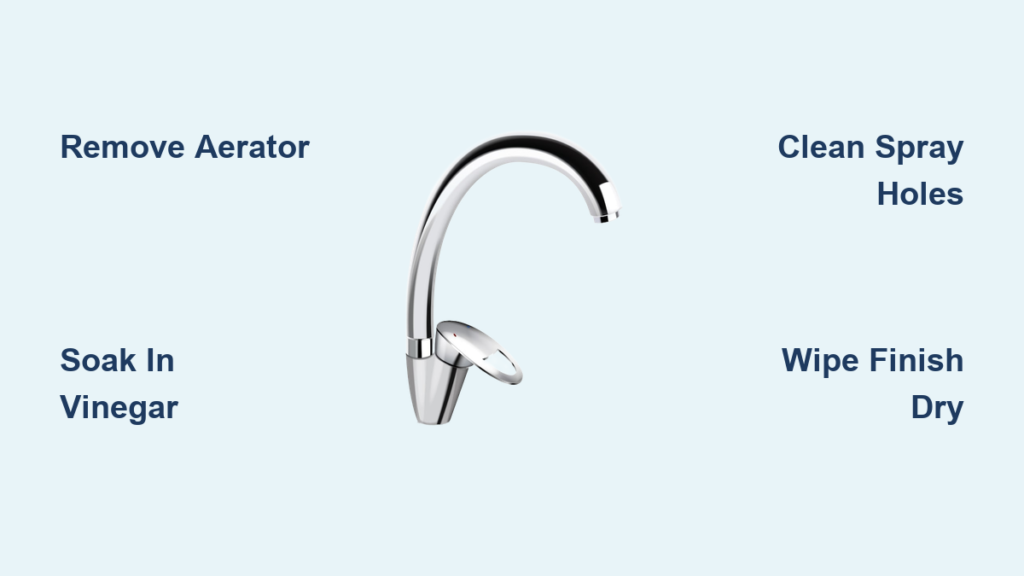
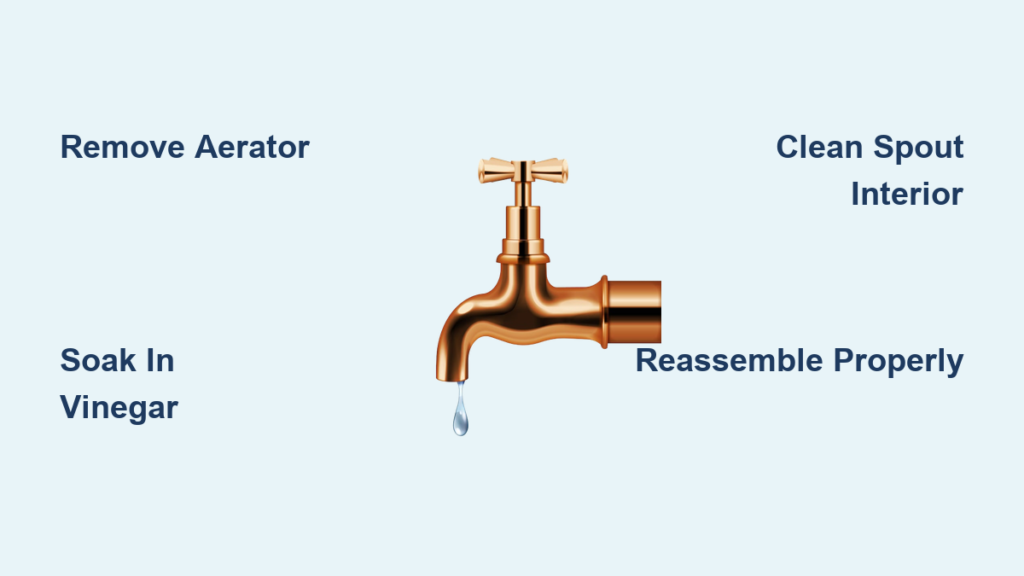
Shine a flashlight at an angle to spot hidden residue. If water flow slows, the aerator may be clogged. Unscrew it and soak in vinegar for 30 minutes, then rinse and reinstall.
Protecting Bronze With Paste Wax
Applying wax creates a protective barrier that reduces cleaning frequency and enhances the natural shine. Use a clear paste wax designed for household fixtures, such as Trewax.
Clean and dry the faucet completely before applying wax. Dab a small amount on a soft cloth and rub in circular motions over the entire surface. Wait 5 to 10 minutes for absorption, then buff to a soft glow with a clean microfiber cloth.
Apply wax every three to six months, depending on how often the faucet is used. Some manufacturers advise against waxing, so check your product manual first.
Matching Care to Your Faucet Type

Not all bronze finishes require the same care. Tailor your cleaning method to the specific finish of your faucet for the best results.
Oil-rubbed bronze is the most common finish. It has a protective coating but benefits from soap and vinegar cleaning (short-term) and wax application every three to six months. Lacquered or sealed bronze has a factory coating to resist tarnish. Avoid acids like vinegar and lemon unless absolutely necessary. Living finish bronze is designed to age naturally. Clean only with distilled water and a soft cloth, and never use pastes or waxes that could remove the natural patina.
Check your model number on the manufacturer website for exact care instructions specific to your faucet.
Preventing Damage With Smart Habits
One wrong cleaner can permanently ruin an expensive faucet. Knowing what to avoid is just as important as knowing what to do.
Never soak your faucet in vinegar or any cleaner. Avoid steel wool, scouring pads, and abrasive sponges. Never use bleach, ammonia, or chlorine products. Do not let vinegar sit longer than 30 minutes. Avoid undiluted lemon juice or commercial lime removers unless labeled safe for bronze.
Always test any new cleaner on an inconspicuous area first. Major brands like Moen, Kohler, and Delta void warranties if harsh chemicals are used.
When to Stop Cleaning and Preserve the Patina
Bronze is meant to age, and a slight sheen or mottled tone adds character rather than detracts from beauty. The goal is preservation, not restoration to brand-new condition.
If a cleaning method requires hard scrubbing or strong chemicals, stop and reassess. Trying to remove all signs of aging can damage the finish permanently. A well-cared-for patina enhances the value and beauty of your fixture.
Expert users confirm that daily drying is the single most effective preventive measure, reducing the need for deep cleaning by up to 80 percent over time.
Frequently Asked Questions About Cleaning Bronze Faucets
Can I use vinegar on my bronze faucet?
Yes, white vinegar is safe for removing hard water stains when used correctly. Apply with a soaked cotton cloth and limit exposure to 15 to 30 minutes maximum. Longer exposure can damage protective coatings.
How often should I clean my bronze faucet?
Wipe dry after every use for daily maintenance. Perform routine cleaning with dish soap weekly. Deep clean with vinegar or paste treatments only when buildup or stains appear, typically monthly or less frequently.
What is the best way to remove green corrosion from bronze?
Use a paste made from baking soda and fresh lemon juice. Apply to affected areas, wait 20 minutes, scrub gently, and rinse with distilled water. Repeat two to three times for stubborn verdigris.
Can I use a bronze touch-up marker to fix scratches?
Yes, bronze touch-up markers match oil-rubbed bronze finishes and work well for small chips or scuffs. Apply with light strokes, let dry, and buff gently. This is a cosmetic fix only and does not restore protection.
Should I wax my bronze faucet?
Applying clear paste wax every three to six months creates a protective barrier and enhances shine. However, check your manufacturer guidelines first, as some brands advise against waxing certain finishes.
How do I clean the aerator on my bronze faucet?
Unscrew the aerator from the spout and soak it in undiluted white vinegar for 30 minutes. Rinse thoroughly with distilled water and reinstall. This restores water flow if mineral deposits have caused clogging.
Key Takeaways for Maintaining Your Bronze Faucet
Your bronze faucet can last for decades with consistent, gentle care. The most important habit is drying the fixture after every use to prevent water spots and mineral buildup before they start.
Use only soft tools and safe cleaning solutions. Avoid harsh chemicals, abrasives, and prolonged vinegar exposure. Match your cleaning method to your specific finish type, whether oil-rubbed, lacquered, or living finish.
Apply protective paste wax every three to six months to reduce cleaning frequency and maintain shine. Test any new product in an inconspicuous area first, and stop immediately if a method requires aggressive scrubbing. Prevention beats correction every time, and a little attention goes a long way toward preserving the beauty of your bronze fixture.