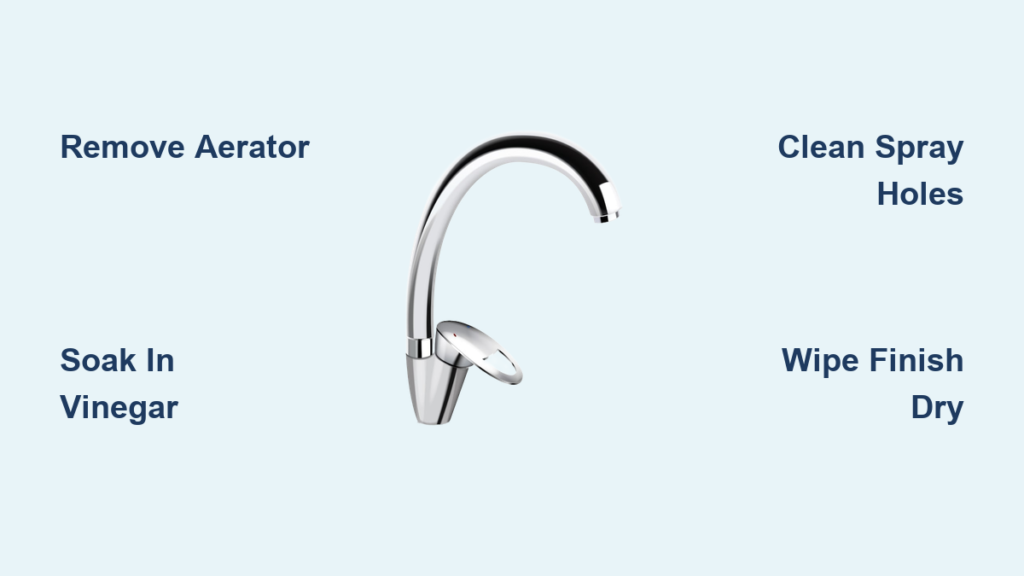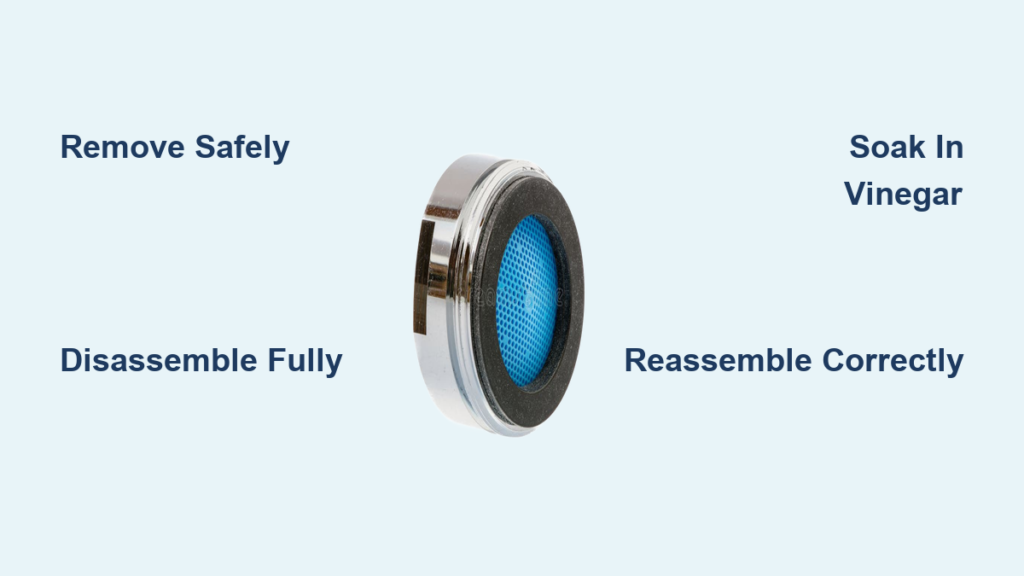
A brushed nickel faucet adds a sleek, modern touch to any kitchen or bathroom. But over time, it can accumulate fingerprints, water spots, soap scum, and hard water stains that dull its elegant, matte finish. The good news is that with the right techniques, you can keep your faucet looking pristine for years. The key is using gentle, non-abrasive methods that protect the delicate protective coating, because once damaged, the finish cannot be repaired.
Improper cleaning is the most common cause of brushed nickel damage. Harsh chemicals like vinegar, bleach, or ammonia may seem effective, but they can strip the protective layer, leading to etching, discoloration, or a cloudy appearance. This guide reveals safe, step-by-step cleaning methods tailored to your faucet finish, plus expert tips for long-term protection.
Daily and Weekly Cleaning Routine
Wipe With Damp Microfiber Cloth
For light fingerprints and water marks, start with the simplest method. A damp microfiber cloth with warm (not hot) water gently wipes away daily grime. Always wipe in the direction of the grain to preserve the brushed texture and prevent swirl marks. Never use circular motions.
If needed, add a drop of mild dish soap like Dawn to the cloth. Avoid soaking the faucet. Rinse the cloth frequently to prevent reapplying grime. After wiping, dry immediately with a second clean, dry microfiber towel to prevent water spots and mineral buildup.
Pro Tip: Make it a habit to dry the faucet after each use. A quick wipe takes seconds but dramatically reduces long-term staining.
Avoid Common Cleaning Mistakes
Even daily cleaning can go wrong if you are not careful. Never use paper towels because they can scratch the surface and leave lint. Skip abrasive cleaners, even if labeled safe for stainless steel, because most contain solvents or micro-abrasives that degrade brushed nickel over time.
Also avoid all-purpose sprays like Windex or disinfectants with alcohol. These may cloud the finish or break down the protective sealant. Stick to water and mild soap only for routine cleaning. When in doubt, test any new product on a hidden area first.
Remove Soap Scum and Grease Buildup
Use Mild Soap and Soft Brush
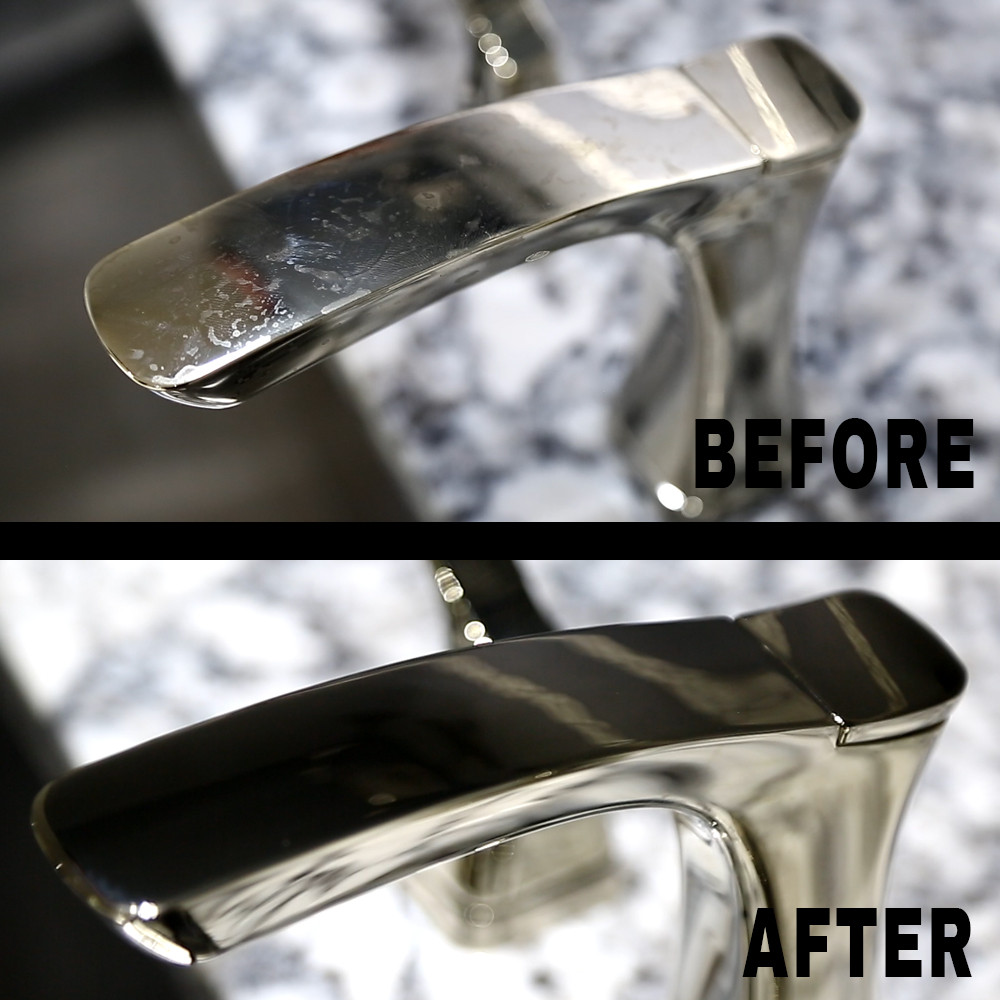
For moderate buildup like toothpaste, body oils, or kitchen grease, mix two to three drops of dish soap in warm water. Dampen a microfiber cloth or non-abrasive sponge and gently wipe the affected areas, following the grain.
For tight spots around the base, handle joints, or aerator, use a soft-bristled toothbrush. Scrub lightly, then wipe clean with a damp cloth. Rinse thoroughly and dry completely. This method safely cuts through grime without harming the finish.
User Insight: Regular bi-weekly deep cleaning prevents stubborn buildup and keeps the faucet looking new.
Try Simple Green for Heavy Residue
If soap is not enough, Simple Green Pro HD can tackle tough grease. Spray it directly on the faucet, then scrub with a soft toothbrush. Wipe or rinse thoroughly with water. Do not soak the faucet because prolonged exposure to alkaline cleaners can dull the finish.
After cleaning, dry with a microfiber cloth. Note that Simple Green does not polish, so you may need to apply wax afterward for shine restoration.
Caution: Not all Simple Green formulas are safe. Use only Pro HD and avoid generic versions with harsher chemicals.
Tackle Hard Water Stains Safely
Try Warm Compress First
Hard water leaves behind white, chalky deposits that dull the finish. Start with the safest method: a warm compress. Soak a microfiber cloth in hot (not boiling) water and drape it over stained areas for 10 to 15 minutes. The heat softens the minerals, making them easier to wipe away.
Gently rub the area with light pressure. Rinse and dry thoroughly. This method is safe for all brushed nickel finishes and should be your first step before considering vinegar.
Expert Note: In many cases, this alone removes light to moderate buildup. No acid is needed.
Use Diluted Vinegar Sparingly
If the warm compress fails, a 50/50 mix of white vinegar and water can help. But use it cautiously. Apply only with a soft cloth. Never spray or soak. Rub gently for no more than one to two minutes, then rinse immediately with clean water.
Dry thoroughly. Vinegar is acidic and can etch the protective coating if left too long. Frequent use leads to permanent dullness or grey discoloration.
Moen Guidance: This method is acceptable for limited use on non-LifeShine and LifeShine finishes, but never soak the faucet.
Emergency Deep Clean for Severe Buildup
For extreme mineral deposits, try a baking soda paste with vinegar.
Procedure:
- Spray 10% vinegar on the faucet.
- Mix one part vinegar to three parts baking soda into a paste.
- Apply with a soft toothbrush and scrub gently.
- Dampen a microfiber towel in vinegar and drape over the faucet.
- Let sit for up to four hours. Re-spray to keep moist.
- Rinse thoroughly and dry.
Warning: This is a last-resort method. Use only occasionally, never as routine maintenance.
Handle Tough Stains and Discoloration
Use 0000-Grade Steel Wool Carefully
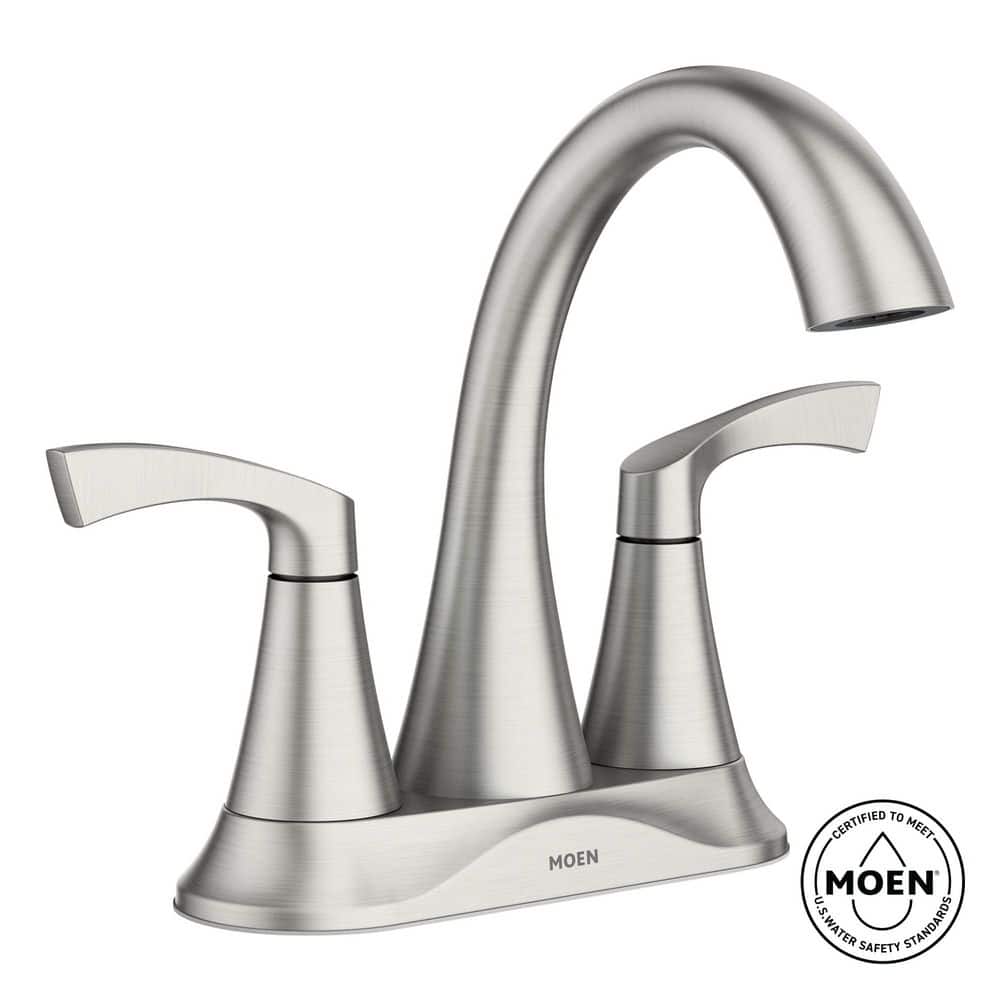
When mineral deposits resist all other methods, 0000-grade steel wool (the finest available) can help. Moen approves this for spot treatment on durable finishes like LifeShine.
Use very lightly, always moving in the direction of the grain. Never press hard because this can scratch the surface. After use, rinse and dry immediately. Buff with a microfiber cloth to restore smoothness.
Critical: Only use 0000-grade. Regular steel wool will destroy the finish.
Avoid Bar Keepers Friend Unless Necessary
Bar Keepers Friend contains oxalic acid and mild abrasives. One user reported success removing smudges post-installation, but it is not recommended for routine use.
If you try it, apply to a damp cloth, not directly on the faucet. Test on a hidden area first. Wipe clean immediately and buff dry.
Risk: Overuse can etch or dull the finish. Reserve for stubborn initial smudges only.
Restore Shine With Protective Waxing
Choose the Right Wax
To enhance luster and repel water, apply a non-abrasive wax every one to three months. Options include automotive wax like Meguiars, furniture wax like Howard Feed-N-Wax, or nickel-specific polish for best long-term protection. Avoid waxes with silicone or petroleum distillates unless labeled safe for brushed metal.
Apply Wax Correctly
- Clean and dry the faucet completely.
- Put a small amount of wax on a soft cloth.
- Buff onto the surface in the direction of the grain.
- Let dry for one to two minutes.
- Buff off with a clean microfiber cloth.
The result is a hydrophobic barrier that reduces water spots and makes cleaning easier.
User Feedback: Monthly waxing in hard water areas cuts cleaning time by up to 70%.
Moen Endorsement: Waxing is recommended for all matte finishes, including brushed nickel and brushed gold.
Know What to Avoid
Harsh Chemicals to Never Use
Avoid these substances:
- Vinegar (undiluted or soaked) strips protective coating and causes etching.
- Lemon juice and citric acid are acidic with the same risks as vinegar.
- Bleach and chlorine are corrosive and damage metal and sealant.
- Ammonia (like Windex) causes clouding and tarnish.
- Alcohol-based cleaners degrade topcoat over time.
- Tarnish or rust removers contain strong acids like hydrofluoric acid.
Tools That Damage the Finish
- Green scrub pads are too abrasive even when labeled non-scratch.
- Hard-bristled brushes cause visible scratches.
- Circular scrubbing disrupts the grain pattern and accelerates wear.
- Soaking in any solution degrades the finish over time.
User Caution: Several users reported grey discoloration after overnight vinegar soaks. Never do this.
Match Care to Your Finish Type
Moen LifeShine PVD Finish
This high-end finish uses Physical Vapor Deposition for superior durability. It resists corrosion, tarnish, and wear better than standard finishes.
- Cleaning: Safe with mild soap and limited 50/50 vinegar.
- Waxing: Recommended every one to three months.
- Emergency use: 0000 steel wool allowed with care.
- Avoid: Still vulnerable to harsh chemicals and abrasives.
Electroplated Brushed Nickel
This finish is less durable than PVD and more prone to chemical damage.
- Cleaning: Use only mild dish soap and water.
- Vinegar: Acceptable in 50/50 mix for one to two minutes. Rinse immediately.
- Waxing: Strongly recommended to protect the finish.
Powder-Coated (Spot Resist)
This finish is scratch-resistant but sensitive to solvents.
- Cleaning: Mild soap only.
- Prohibited: No ammonia, bleach, alcohol, or abrasives.
- Vinegar: Allowed in 50/50 dilution for short contact.
Key Tip: Always check your faucet model number or label to confirm the finish type.
Prevent Future Stains and Damage
Establish a Maintenance Schedule
- Daily: Wipe with dry microfiber cloth after use.
- Bi-weekly: Clean with mild soap and water.
- Monthly: Apply protective wax (more often in hard water areas).
- Quarterly: Inspect for leaks, loose parts, or early signs of tarnish.
Control Your Environment
- Ventilate using exhaust fans in bathrooms and kitchens to reduce humidity.
- Dry air by installing a dehumidifier in damp climates to prevent condensation.
- Water softener is the best long-term solution. It removes calcium and magnesium at the source, preventing scale buildup and reducing cleaning frequency.
Expert Consensus: A whole-house water softener extends the life of all plumbing fixtures.
Inspect and Protect Your Faucet
Check for Early Damage
Inspect monthly for loose handles or spouts, leaks at the base or connections, and discoloration, pitting, or cloudiness. Tighten fittings as needed. Replace worn washers promptly. Address leaks immediately because standing water accelerates staining and corrosion.
Handle Tarnish or Corrosion
If tarnishing appears, clean gently with a nickel-safe product. Do not use acid or abrasives unless absolutely necessary. If cleaning fails, the protective layer may be compromised. Consult a professional.
Note: Most damage comes from improper cleaning, not product defects.
Frequently Asked Questions About Cleaning Brushed Nickel Faucets
Can I use vinegar to clean my brushed nickel faucet?
You can use a 50/50 vinegar-water solution sparingly, but only for one to two minutes maximum. Always rinse immediately and dry thoroughly. Frequent or prolonged vinegar use can cause permanent dullness, discoloration, or pitting. Never soak the faucet in vinegar.
What is the best way to remove hard water stains from brushed nickel?
Start with a warm compress (soak a cloth in hot water and apply for 10 to 15 minutes). This often removes light to moderate buildup safely. If needed, use diluted vinegar briefly. For severe deposits, try the baking soda paste method as a last resort, but only occasionally.
How often should I wax my brushed nickel faucet?
Apply protective wax every one to three months. Waxing creates a hydrophobic barrier that repels water and reduces spotting. Users in hard water areas report that monthly waxing cuts cleaning time significantly.
Can I use stainless steel cleaner on brushed nickel?
Most stainless steel cleaners contain oils, waxes, or solvents that may leave residues or degrade brushed nickel finishes. They are not recommended unless explicitly labeled safe for nickel or non-abrasive metal surfaces.
What tools should I avoid when cleaning brushed nickel?
Avoid green scrub pads, hard-bristled brushes, regular steel wool, and abrasive sponges. Also avoid circular scrubbing motions, which disrupt the grain pattern. Never soak the faucet in any cleaning solution.
How do I identify my faucet finish type?
Check your faucet model number, product label, or manufacturer documentation. Moen categorizes finishes as LifeShine PVD, electroplated, or powder-coated. Each has specific care requirements. The finish type is usually printed on the original packaging or can be found on the manufacturer website.
Key Takeaways for Cleaning Brushed Nickel Faucets
Brushed nickel faucets stay beautiful with gentle, consistent care. Stick to soft cloths like microfiber, mild cleaners like dish soap, and regular waxing applications every one to three months. Avoid vinegar (unless diluted and used briefly), bleach, ammonia, and all abrasive tools including green scrub pads and regular steel wool.
Identifying your specific finish type (LifeShine PVD, electroplated, or powder-coated) is essential because each has different durability levels and care requirements. Always follow manufacturer guidelines and test new products on hidden areas first.
For long-term protection, establish a daily drying routine, improve ventilation in bathrooms and kitchens, and consider installing a water softener if you live in a hard water area. With the right routine, your brushed nickel faucet will maintain its elegant, fingerprint-resistant look for years.