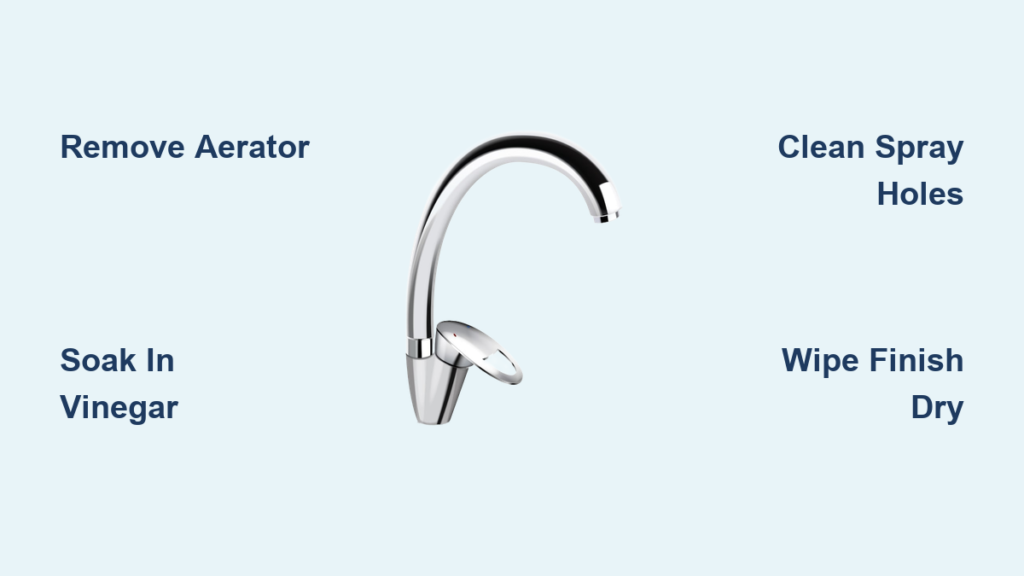
Low water pressure, uneven spray, or visible buildup on your faucet? You’re not alone. A clogged or dirty faucet head is a common household issue, especially in hard water areas. While vinegar is often recommended for descaling, many people avoid it due to its strong smell, potential damage to finishes like brass or bronze, or risk of etching natural stone countertops. The good news: you don’t need vinegar to restore your faucet’s performance.
There are multiple effective, safe, and accessible alternatives that clean mineral deposits, remove biofilm, and improve water flow without risking damage or unpleasant odors. In this guide, you’ll learn step-by-step methods using household items like baking soda, lemon juice, and denture tablets, as well as commercial options that work fast and safely.
Baking Soda Paste Method for Gentle Cleaning
Baking soda is a mild yet effective cleaner that lifts grime and neutralizes acidic mineral deposits without scratching surfaces.
Apply the Paste
Mix two to three tablespoons of baking soda with a few drops of water or dish soap to form a thick paste. Using a soft cloth or toothbrush, apply the paste directly to the faucet head, focusing on nozzle openings and crevices where buildup hides. Let it sit for five to ten minutes to loosen deposits.
Scrub and Rinse
Gently scrub the surface with a soft-bristle brush or old toothbrush. For stubborn clogs, use a toothpick to clear individual spray holes. Rinse thoroughly with warm water and dry with a microfiber towel to prevent spotting.
Pro Tip: For enhanced cleaning, follow up with a hydrogen peroxide soak to sanitize and brighten the finish.
Lemon Juice for Natural Descaling
Lemon juice contains citric acid, which breaks down limescale effectively without the harsh fumes of vinegar.
Rub with Fresh Lemon
Cut a lemon in half and rub the cut side directly onto the faucet head. Let the juice sit for five to ten minutes to dissolve light to moderate buildup. Avoid prolonged contact over fifteen minutes to prevent finish dulling, especially on brass or bronze.
Soak Removable Aerator
If your faucet has a removable aerator, unscrew it and soak in pure lemon juice for thirty to sixty minutes. After soaking, scrub gently with a brush, rinse well, and reattach. This method leaves a fresh scent and restores smooth water flow.
Caution: Always rinse thoroughly after use. Test on a small area first if you have a delicate finish.
Hydrogen Peroxide for Sanitizing
Hydrogen peroxide (3%) is a powerful disinfectant that kills mold, mildew, and bacteria hiding in your faucet head.
Wrap with Soaked Cloth
Soak a paper towel or cloth in hydrogen peroxide and wrap it around the faucet head. Secure with a rubber band and let it sit for twenty to thirty minutes. This method targets organic buildup and biofilm, common causes of musty-smelling water.
Scrub and Flush
After soaking, gently scrub with a soft brush, then turn on the water to flush out loosened debris. Hydrogen peroxide is safe for all finishes, but avoid letting it sit on porous materials like grout or wood.
Expert Note: Pair with baking soda for a dual-action clean. First sanitize with hydrogen peroxide, then scrub away minerals with baking soda.
Denture Tablets for Quick Descaling
Denture tablets are an unexpected but highly effective solution for descaling faucet components.
Soak Aerator in Tablet Solution
Remove the aerator and place it in a bowl of warm water with one denture tablet. Let it fizz and soak for thirty to sixty minutes. The effervescent action dissolves mineral deposits and clears clogs without damaging metal or plastic parts.
Rinse and Reassemble
After soaking, rinse each component under running water, check alignment, and reattach by hand. Many users report like-new performance after just one treatment.
User Favorite: Frequently praised on home maintenance forums as a quick, odorless, and safe method.
Commercial Lime Removers for Heavy Buildup
For heavy buildup, commercial descalers like CLR or Lime-A-Way deliver fast results without vinegar.
Apply According to Instructions
Spray or soak the faucet head or removed aerator following label directions. Most require only one to five minutes of contact time. Do not exceed recommended dwell time, especially on sensitive finishes.
Rinse Thoroughly
After treatment, flush with plenty of water to remove all residue. Wear gloves and ensure good ventilation during use.
Warning: Avoid on brass, bronze, or oil-rubbed finishes. These can be damaged or discolored by strong acids.
Dish Soap for Routine Maintenance
For routine maintenance, dish soap and warm water are all you need.
Wipe Down Weekly
Mix a few drops of dish soap with warm water. Dip a microfiber cloth or soft brush and wipe the entire faucet head. This removes surface grime, soap scum, and grease, especially important in kitchens.
Prevent Buildup Early
Rinse and dry with a clean towel after cleaning. Regular wiping prevents mineral deposits from hardening and reduces the need for deep cleaning.
Best Practice: Use this method weekly to extend time between deep cleans.
Cola for Emergency Cleaning
No cleaners on hand? Cola can help in a pinch.
Soak Aerator in Cola
Remove the aerator and submerge it in a cup of cola like Coca-Cola. The phosphoric acid slowly dissolves limescale. Soak for one to two hours, or overnight for severe buildup.
Scrub and Rinse Well
After soaking, lightly scrub and rinse thoroughly to remove sugary residue. While not ideal for frequent use, this method works when nothing else is available.
Shortcut Use Only: Best reserved for emergencies due to sugar content and slower action.
Clean Non-Removable Faucet Heads
Cannot unscrew the aerator? No problem. You can still clean effectively.
Wrap and Soak in Place
Use a plastic bag or cloth soaked in lemon juice, hydrogen peroxide, or denture solution. Wrap it around the faucet head and secure with a rubber band. Let sit for thirty minutes, then scrub and rinse.
Focus on Spray Holes
Use a toothpick or pin to carefully unclog individual nozzles. Avoid metal tools that could scratch or deform plastic inserts.
Visual Cue: Look for white or greenish crust around openings. This indicates mineral or copper buildup.
Remove and Clean Aerator Step-by-Step

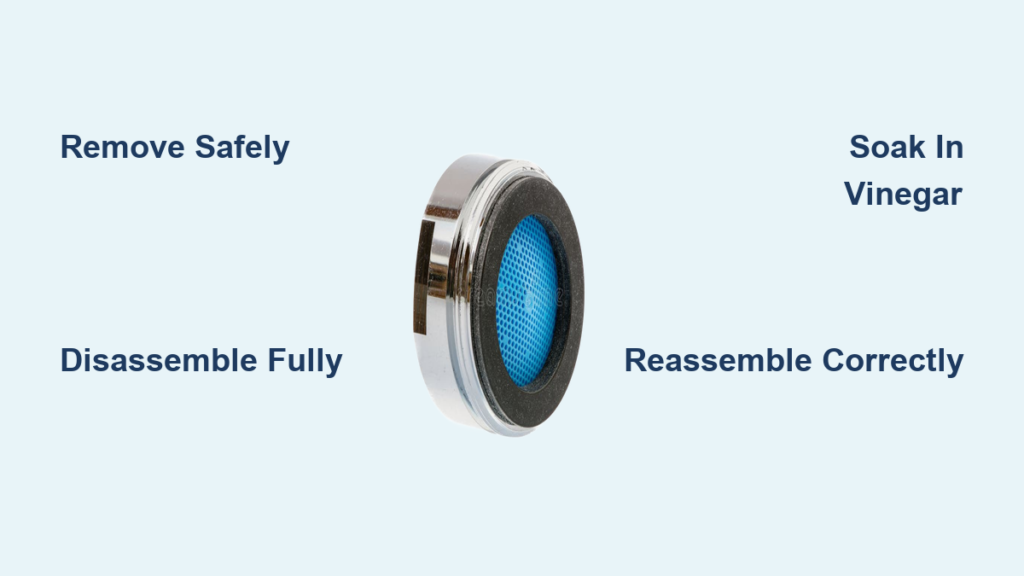
For best results, remove the aerator for deep cleaning.
Unscrew with Protection
Use pliers wrapped in a cloth or a soft-jaw wrench to avoid scratching. Turn counterclockwise to loosen. If hand-tight, twist off gently.
Disassemble and Inspect
Take apart the washer, screen, and housing. Check for cracks, wear, or trapped debris. Replace damaged parts to prevent leaks.
Soak and Reassemble
Choose a non-vinegar soak: denture tablet, lemon juice, or commercial remover. After cleaning, rinse all parts, reassemble in correct order, and hand-tighten.
Avoid Over-Tightening: This can crack the fixture or damage internal threads.
Prevent Future Buildup
Keep your faucet flowing smoothly with simple habits.
Wipe After Each Use
Drying the faucet with a microfiber towel after use prevents water spots and mineral accumulation.
Install a Water Softener
If you live in a hard water area, a water softener reduces limescale at the source, extending the life of all plumbing fixtures.
Check Aerator Monthly
Remove and inspect every four to six weeks. Early cleaning prevents clogs and maintains optimal pressure.
Pro Tip: Set a reminder on your phone to clean every two months, or more often in hard water zones.
Match Cleaner to Your Faucet Finish

Not all cleaners work on all finishes. Choose wisely to avoid damage.
Safe for Chrome and Plastic
Baking soda, dish soap, denture tablets, and hydrogen peroxide are safe for chrome and plastic. CLR can be used cautiously. Rinse well and follow instructions.
Avoid on Brass and Bronze
Skip lemon juice, vinegar, and commercial acids on oil-rubbed bronze or brass. These finishes can tarnish or lose their protective coating. Stick to baking soda paste and mild soap.
Always Test First
Apply any cleaner to a small, hidden area before full use. When in doubt, consult your faucet’s manual or manufacturer website.
Manufacturer Advice: Delta and Moen warn against acidic cleaners and note that vinegar use may void warranties.
Troubleshoot Common Issues
Cleaning did not fix the problem? Here is what to check.
Low Pressure After Cleaning
Recheck aerator assembly. Parts may be misaligned or missing. Flush the open faucet for ten seconds to clear any debris from the line.
Uneven Spray Pattern
Use a pin to clear clogged nozzles. Ensure the spray plate is seated correctly during reassembly.
Leaking at Base
Over-tightening or a damaged washer causes leaks. Replace the washer and hand-tighten only.
Discoloration
Caused by harsh or prolonged chemical exposure. Switch to gentler methods. For safe finishes, use metal polish to restore luster.
Choose the Right Method for Your Needs
Pick the best approach based on your situation.
For Weekly Maintenance
Use dish soap and warm water. It is quick, safe, and effective for daily grime.
Light to Moderate Buildup
Try baking soda paste or lemon juice. These are natural, low-cost, and easy to use.
Heavy Limescale
Go with CLR or denture tablet soak. These are fast and powerful for clogged aerators.
Sanitizing
Use hydrogen peroxide. It is ideal for removing bacteria and mold.
Delicate Finishes
Stick to baking soda and manufacturer-approved cleaners. These are gentle and protective.
Hard Water Tip: Soak aerator monthly in denture solution and consider installing a water softener.
Key Takeaways for Cleaning Faucet Heads Without Vinegar

Maintaining a clean faucet head is not just about looks. It is about performance and hygiene. By using non-vinegar methods like baking soda, lemon juice, denture tablets, or safe commercial products, you can keep your faucet working like new without risking damage or enduring strong odors.
Clean every four to eight weeks depending on water hardness and usage. Store tools separately. Keep an old toothbrush dedicated to faucet cleaning. Avoid abrasive pads like steel wool or harsh sponges that scratch finishes. Always read labels. Even natural cleaners can damage certain metals.
With regular care, your faucet will deliver strong, even flow for years to come. Pick the method that matches your faucet finish, your water conditions, and your cleaning preferences.
Frequently Asked Questions About Cleaning Faucet Heads Without Vinegar
Does lemon juice damage faucet finishes?
Lemon juice can dull metallic finishes if left on too long. Limit exposure to ten minutes or less, and always rinse thoroughly. Test on a small area first for delicate finishes like brass or bronze.
How often should I clean my faucet head?
Clean every four to eight weeks, depending on water hardness and usage. In hard water areas, clean every four to six weeks. Weekly wipedowns with dish soap can extend time between deep cleans.
Can I use hydrogen peroxide on all faucet types?
Hydrogen peroxide is safe for chrome, plastic, brass, and bronze. It is an excellent sanitizer but not a strong descaler. Use it for killing bacteria and mold, then follow with baking soda for mineral removal.
Are denture tablets safe for kitchen faucets?
Yes. Denture tablets are safe for all faucet materials. They are odorless, non-corrosive, and highly effective at dissolving mineral deposits. They work especially well on removable aerators.
What is the fastest way to clean a heavily clogged aerator?
Commercial lime removers like CLR work fastest, often in one to five minutes. Denture tablet soaks take thirty to sixty minutes but are gentler. Both methods are more effective than vinegar on heavy buildup.
Can I use Coca-Cola to clean my faucet head?
Yes, but it is not ideal. Cola contains phosphoric acid that dissolves limescale slowly. Soak the aerator for one to two hours, then rinse thoroughly to remove sugary residue. Use only as an emergency method.