A stainless steel sink is a kitchen workhorse, but daily use can leave it looking dull and spotted. Hard water deposits, soap residue, grease splatter, and mineral buildup all conspire to rob your sink of its original shine. If your basin looks cloudy, streaky, or grimy no matter how often you wipe it, the problem isn’t your effort. It’s your method. The good news? Removing stains from a stainless steel sink is faster and easier than you think when you know the right techniques. This guide breaks down how to identify your stain type, choose the best cleaning approach, and keep your sink looking brand new for years to come.
Identify Your Stain Type Before You Clean

Hard Water Stains and Mineral Buildup
White, chalky residue around the faucet or across the basin is a telltale sign of hard water. Calcium and lime in your water supply dry on the surface and create a cloudy film over time. If your faucet looks crusty or the spray feels weak, mineral buildup is almost certainly the cause.
Grease and Food Residue
Dark, slick patches near the drain or garbage disposal point to grease accumulation. Rinsing oily pans or using heavy dish soaps leaves a film that attracts dirt and dulls the finish. Even after wiping, the sink may look dingy.
Soap Scum and Discoloration
A hazy, filmy layer that resists regular wiping is usually soap scum. It forms when soap ingredients react with minerals in water. Over time, this creates a yellowish or dull appearance, especially if the sink isn’t dried after each use.
Water Spots and Streaks
Tiny droplets left behind after washing dishes dry into mineral rings. These small white dots and streaks make the sink look poorly maintained, even when it’s technically clean.
The 5-Step Professional Cleaning Method
Degrease with Dawn Powerwash
Clear all items from the sink and rinse the surface with warm water. Apply Dawn Powerwash liberally across the entire basin. Use a non-scratch sponge like Scrub Daddy to scrub every surface, paying extra attention to the drain lip and garbage disposal area. This degreaser cuts through grease and food residue on contact, so no immediate rinsing is needed.
Treat Hard Water with Bar Keepers Friend
Apply Bar Keepers Friend Soft Cleanser directly to stained areas. The oxalic acid in the formula breaks down calcium and lime deposits. Watch for the cleanser to turn brown or dark gray. This color change means it’s actively lifting grime. Do not let it sit longer than one minute, as overexposure can damage the finish. Rinse thoroughly when done.
Clean the Faucet with CLR
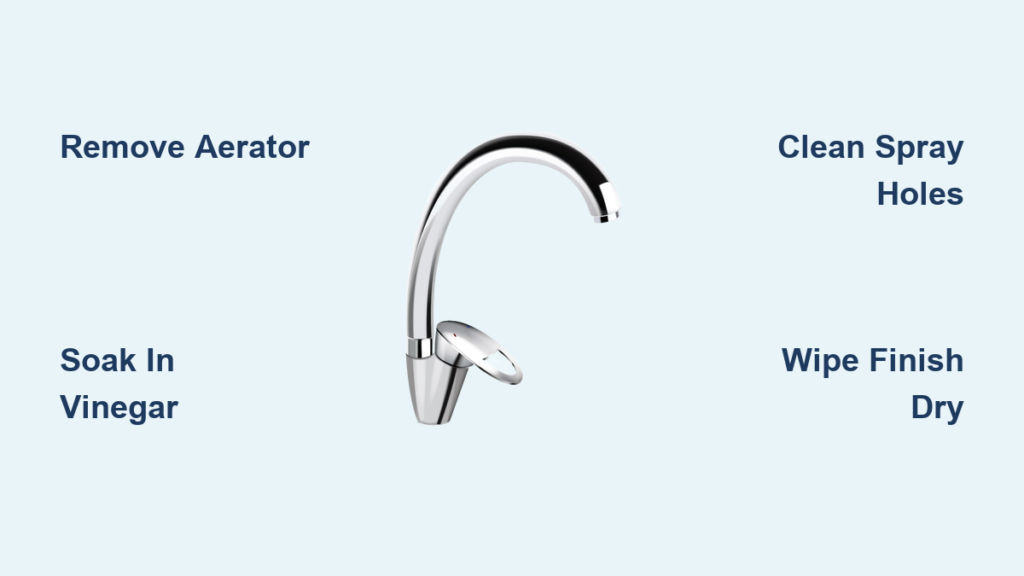
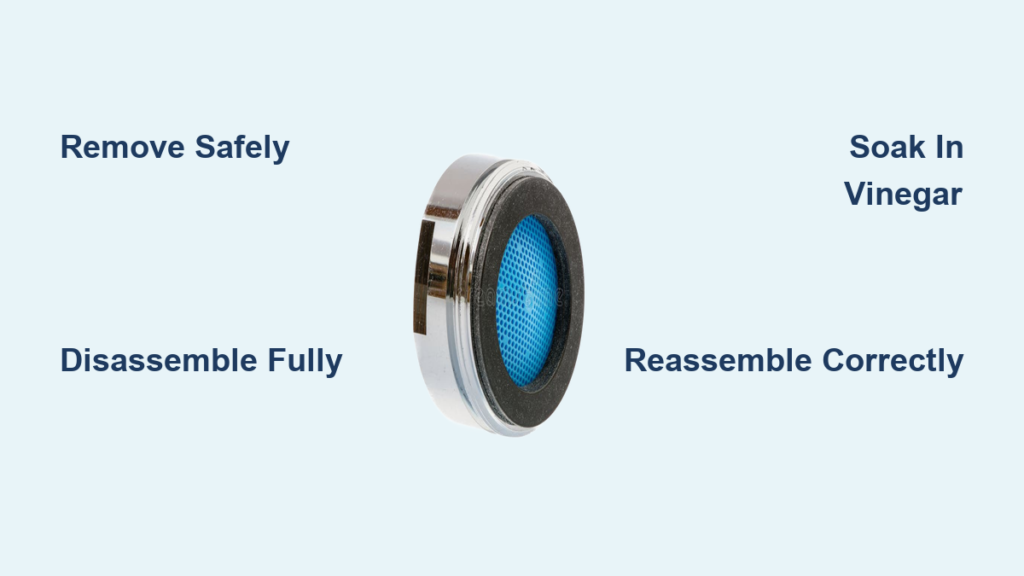
Mineral deposits often clog faucet spray heads. Dip an old toothbrush into CLR and apply it to the faucet. Let it sit for two to three minutes, then scrub gently. This clears buildup and restores full water pressure. Rinse well to remove all residue.
Scrub Splash Guards and Crevices
Don’t overlook the rubber splash guard. If it’s removable, take it out and clean it separately. For fixed guards, use a toothbrush to scrub every crevice, including the underside where food particles hide. This step prevents odor and hidden buildup.
Buff to a Shine with Microfiber
Finish by drying the entire sink with a microfiber towel. Buff in the direction of the grain to reveal the natural shine. Skipping this step invites water spots and long-term corrosion, so don’t underestimate its importance.
Try the Natural Baking Soda and Vinegar Method
Make a Baking Soda Paste
For a non-toxic, budget-friendly approach, baking soda and vinegar work wonders. Start by rinsing and drying the sink. Sprinkle baking soda generously over stained areas, then add a few drops of water to form a thick paste. Scrub with a soft sponge, always moving in the direction of the grain. Circular motions can cause scratches.
Activate with White Vinegar
Pour white vinegar over the paste and watch it fizz. This reaction helps break down grime and mineral deposits. Let it sit for five to ten minutes. For larger areas, mix equal parts vinegar and water in a spray bottle and apply evenly.
Rinse and Polish
Wipe away the residue with a damp microfiber cloth. For stubborn spots, gently re-scrub with a non-abrasive pad. Rinse thoroughly with clean water, then dry and buff completely. This method works well for weekly maintenance and light stains.
Tackle Stubborn Stains with Deep Treatment
Extend the Baking Soda Dwell Time
For stains that resist regular cleaning, let the baking soda paste sit for 15 to 30 minutes. This extended time allows it to penetrate deep into soap scum and grime. Scrub gently afterward and rinse well.
Apply Vinegar for Mineral Dissolving
After the baking soda step, pour vinegar directly onto stained areas. Let it sit for 10 to 15 minutes to further break down mineral deposits. Wipe with a cloth and rinse. Repeating this method weekly helps prevent hard water buildup.
Use a Commercial Stainless Steel Cleaner
If stains persist, try a stainless steel-specific cleaner like Weiman. These products enhance shine and protect the surface. Apply with a soft cloth, then buff dry with a microfiber towel. Always avoid cleaners with ammonia, bleach, or abrasive particles.
Spot-Treat with 0000 Steel Wool (If Needed)
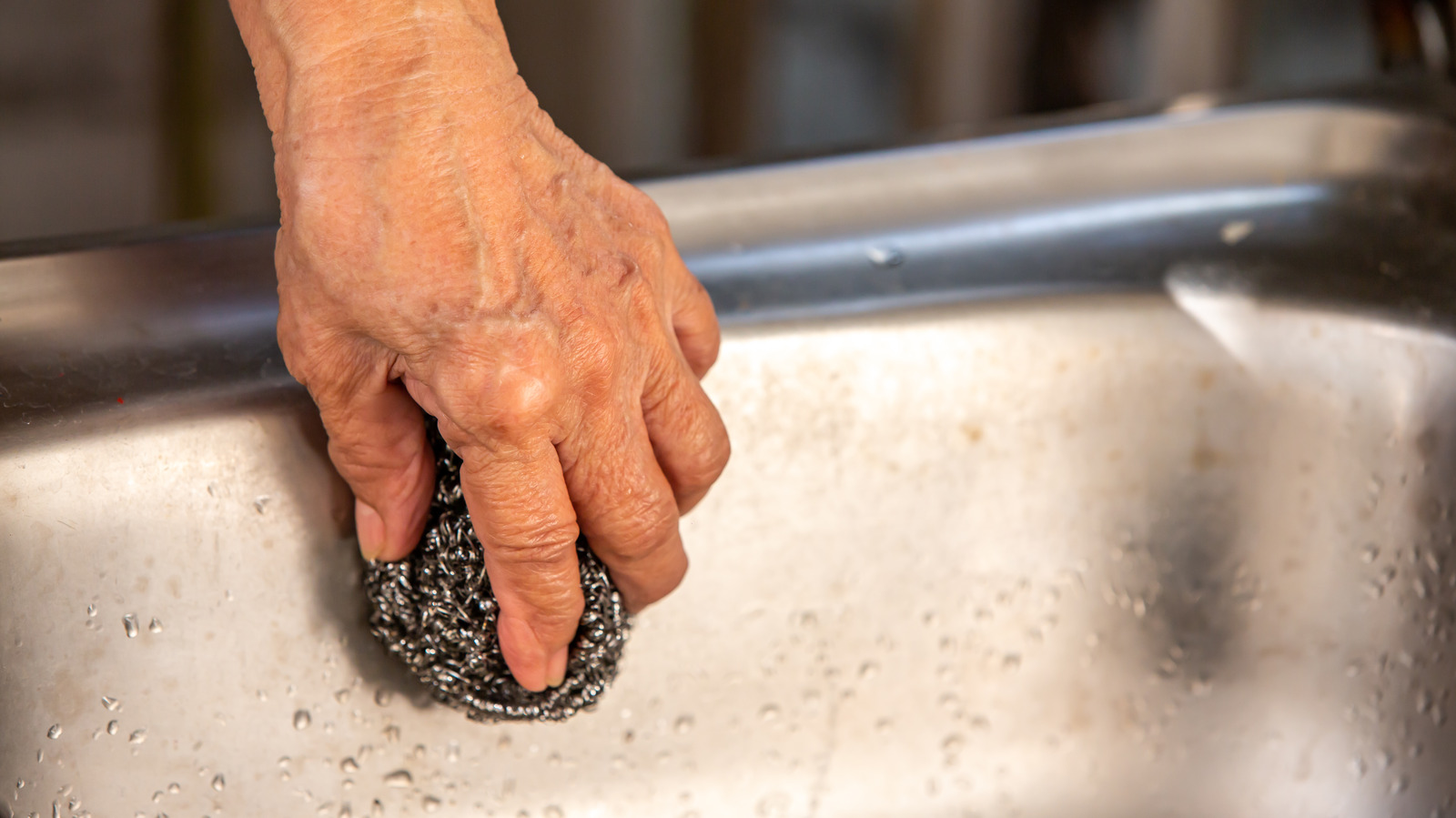
For deep, set-in stains, use 0000-grade steel wool, the finest available. Test it on a small, hidden area first. Work only in the direction of the grain to avoid scratches. Use sparingly, rinse immediately, and dry thoroughly. Never combine steel wool with baking soda.
Prevent Future Stains and Buildup
Dry After Every Use
The single most effective prevention habit is drying your sink after each use. A quick wipe with a microfiber towel stops water spots, mineral deposits, and soap scum before they form.
Avoid Harsh Soaps and Tools
Skip dish soaps with heavy fragrances or additives. They leave behind residue that contributes to buildup. Never use steel wool (except 0000 grade for deep stains), harsh scrubbers, or abrasive cleaners. These scratch the surface and make staining worse.
Clean in the Direction of the Grain
Stainless steel has a visible grain pattern. Always clean with the grain, not against it. This preserves the finish and prevents fine scratches that dull the surface over time.
Rinse and Wipe Daily
Even if you skip a full clean, rinse the sink after heavy use and wipe it down. This removes food particles, grease, and soap before they harden into stubborn stains.
Recommended Products and Tools
Top Cleaning Products
• Dawn Powerwash: Best for degreasing and quick cleanups
• Bar Keepers Friend: Ideal for hard water stains and shine restoration
• CLR: Essential for cleaning clogged faucet heads
• White Vinegar: Natural and effective for mineral deposits
• Baking Soda: Safe abrasive for general stain removal
• Weiman Stainless Steel Cleaner: Adds shine and surface protection
Essential Tools
• Non-scratch sponge (like Scrub Daddy): For safe scrubbing
• Microfiber towels: For drying, buffing, and streak-free results
• Toothbrush: Reaches crevices, splash guards, and faucet bases
• Spray bottle: For vinegar-water solutions
• 0000 steel wool: For deep stains, use sparingly and with caution
Avoid These Common Cleaning Mistakes

Don’t Use Abrasive Cleaners
Products with bleach, ammonia, or gritty particles can corrode or scratch stainless steel. This leads to permanent damage and faster staining down the road.
Never Let Bar Keepers Friend Sit Too Long
Bar Keepers Friend is powerful, but it must not sit longer than one minute. Overexposure can etch the surface, especially on lower-grade stainless steel.
Skip Circular Scrubbing
Always scrub in straight lines with the grain. Circular motions create swirl marks that dull the finish and trap grime in microscopic scratches.
Don’t Leave Wet Sponges in the Sink
A wet sponge left overnight promotes staining, odor, and bacterial growth. Store sponges outside the sink to keep the surface dry and hygienic.
Choose the Right Method for Your Needs
Quick Clean: 5 to 10 Minutes
Use the professional method when you need fast, restaurant-quality results. It’s perfect for weekly deep cleans or before guests arrive.
Natural Routine: 15 to 25 Minutes
The baking soda and vinegar method is ideal for eco-conscious users or those with mild stains. It’s safe, affordable, and great for regular maintenance.
Deep Rescue: 30 to 60 Minutes
For sinks with years of buildup, use the stubborn stain method. Extended dwell times and optional steel wool treatment deliver a full restoration.
Frequently Asked Questions About Stainless Steel Sink Stains
What causes white spots on a stainless steel sink?
White spots are usually hard water stains caused by calcium and lime deposits. When water droplets dry on the surface, minerals are left behind. Removing them requires an acid-based cleaner like Bar Keepers Friend or white vinegar.
Is Bar Keepers Friend safe for stainless steel sinks?
Yes, Bar Keepers Friend is safe when used correctly. Apply it, scrub gently, and rinse within one minute. Letting it sit too long can damage the finish, so always follow the time guidelines.
Can I use vinegar to clean my stainless steel sink?
White vinegar is excellent for stainless steel. It dissolves mineral deposits and soap scum without scratching. For best results, let it sit for 5 to 15 minutes before wiping and rinsing.
How often should I deep clean my stainless steel sink?
A weekly deep clean keeps buildup under control. If you have hard water, you may need to treat stains more frequently. Daily rinsing and drying prevents most problems before they start.
Will steel wool scratch a stainless steel sink?
Regular steel wool will scratch and damage the surface. Only use 0000-grade steel wool for deep stains, and always work in the direction of the grain. Test on a hidden area first.
Why does my stainless steel sink look dull even after cleaning?
Dullness usually means leftover residue or moisture. Make sure to rinse thoroughly after every cleaning product and buff dry with a microfiber towel. Cleaning with the grain also helps restore the natural luster.
Key Takeaways for a Spotless Stainless Steel Sink
A clean stainless steel sink transforms your entire kitchen. Start by identifying the stain type, then choose the method that matches your time and preferences. The professional method delivers fast results, while baking soda and vinegar offer a natural, affordable alternative for regular maintenance. For stubborn buildup, extended dwell times and careful use of 0000 steel wool can restore even the most neglected sinks.
Consistency matters more than intensity. Dry your sink after every use, clean with the grain, and avoid harsh tools. In just minutes a week, you can keep your stainless steel sink looking polished and new. Combine Dawn Powerwash for degreasing, Bar Keepers Friend for hard water, and a microfiber buff for finishing touches. Your sink is the centerpiece of your kitchen. Treat it right, and it will shine for years to come.