A running faucet isn’t just an annoying drip in the silence of your kitchen. It’s a hidden drain on your wallet and the environment. Left untreated, a single leaky faucet can waste over 3,000 gallons of water per year and increase your utility bills by up to $100. The good news? Most running faucets can be fixed in under an hour with basic tools and a few replacement parts. Whether your faucet drips constantly, trickles after shutdown, or won’t shut off completely, this guide gives you the exact steps to diagnose and repair it.
Inside, you’ll learn how to identify your faucet type, inspect internal components for wear, replace faulty parts, and prevent future leaks. We’ll walk through every step from shutting off the water to testing the final fix so you can stop the drip for good.
Identify Your Faucet Type
:max_bytes(150000):strip_icc()/Types-of-faucets-1824889_color_rev_02-83ac08e1289d4e01b09216cd586fa7bc.jpg)
Knowing your faucet’s internal mechanism is the first step to fixing it correctly. Each type has unique components and failure points. Take a moment to determine which design you have before purchasing parts or disassembling anything.
Compression Faucets: Two-Handle Design
Compression faucets are common in older homes. They use separate hot and cold handles. Turning the handle pushes a rubber washer against a valve seat to stop water flow. When the washer wears out, the faucet drips.
Signs You Have a Compression Faucet:
• Two handles for hot and cold water
• Requires multiple turns to shut off completely
• Drip comes from the spout when the faucet is off
• Often found in vintage or budget fixtures
Common Failures:
• Worn rubber washer at the base of the stem
• Pitted or corroded valve seat
• Leaking O-ring on the stem
• Stiff or sticky handle
These are the easiest faucets to repair, making them ideal for first-time fixers.
Cartridge Faucets: One or Two Handles
Cartridge faucets are used by major brands like Moen and Kohler. They control water with a removable plastic or brass cartridge that slides or rotates to open and close flow paths.
How to Spot One:
• Single or dual handles
• Quarter- to half-turn shutoff
• No visible washers during disassembly
• Often labeled with the brand name
Failure Signs:
• Persistent drip after turning the handle off
• Handle feels loose or wobbly
• Cartridge is cracked or clogged with mineral deposits
Always replace the entire cartridge rather than attempting to repair it.
Ball Faucets: Single Handle with Dome Cap
Ball faucets are typical in older Moen models. They use a rotating ball with slots inside a cap to mix hot and cold water.
Identification Clues:
• Rounded dome-shaped handle cap
• Single lever controls both temperature and flow
• Handle moves in multiple directions
Wear Points:
• O-rings cause leaks at the base
• Springs and valve seats degrade over time
• The brass or plastic ball develops worn grooves
Replace both seats and springs even if only one side leaks. They wear together, and doing both prevents future repairs.
Ceramic-Disc Faucets: Smooth Quarter-Turn Operation
High-end models from Delta, Grohe, and Kohler use ceramic discs for long-lasting, smooth operation.
Key Features:
• Single handle with minimal resistance
• Can last 10 or more years under normal use
• No rubber washers are involved
Failure Causes:
• Chipped or cracked ceramic discs
• Debris trapped between discs
• Failed cylinder seals
Never attempt to repair individual discs. Replace the entire cylinder assembly if problems occur.
Gather Tools and Replacement Parts
Before opening any fittings, assemble the right tools and supplies to avoid mid-repair delays. Having everything ready makes the job go faster and prevents frustration.
Essential Tools Checklist
• Adjustable wrench for loosening packing nuts and supply lines
• Screwdrivers flat and Phillips for removing handle caps and screws
• 1/8-inch Allen wrench for extracting set screws and internal parts
• Needle-nose pliers for removing C-clips and small components
• Tongue-and-groove pliers for gripping dome caps without scratching
• Seat wrench hex or square for replacing valve seats in compression faucets
• Flashlight for seeing into tight spaces under the sink
Wrap pliers with tape or cloth to protect chrome finishes.
Must-Have Replacement Parts
• Rubber washers when flattened, cracked, or brittle
• O-rings when brittle, torn, or misshapen
• Valve seat when pitted, grooved, or corroded
• Cartridge when cracked, stiff, or leaking internally
• Ceramic cylinder when chips or cracks appear
• Aerator when clogged, noisy, or non-removable
Buy a brand-specific repair kit. It includes all common wear items and saves guesswork.
Shut Off Water and Prepare Workspace
Skipping preparation risks flooding your kitchen. Take these steps first before disassembling anything.
Shut Off Supply Valves
- Locate hot and cold shutoff valves under the sink
- Turn both clockwise until tight
- If valves do not close fully or leak, shut off the main water supply
Never disassemble a faucet while water is still under pressure.
Drain Remaining Water
• Open the faucet fully to release trapped water
• Let it run for 10 to 15 seconds to relieve pressure
Protect the Sink and Organize Parts
• Place a soft towel in the sink to prevent scratches
• Plug the drain to avoid losing small screws
• Use a labeled container or tray to store disassembled parts in order
• Take photos at each step to guide reassembly
Disassemble the Faucet
Now you are ready to open the faucet and inspect the internal parts. Work slowly and document everything.
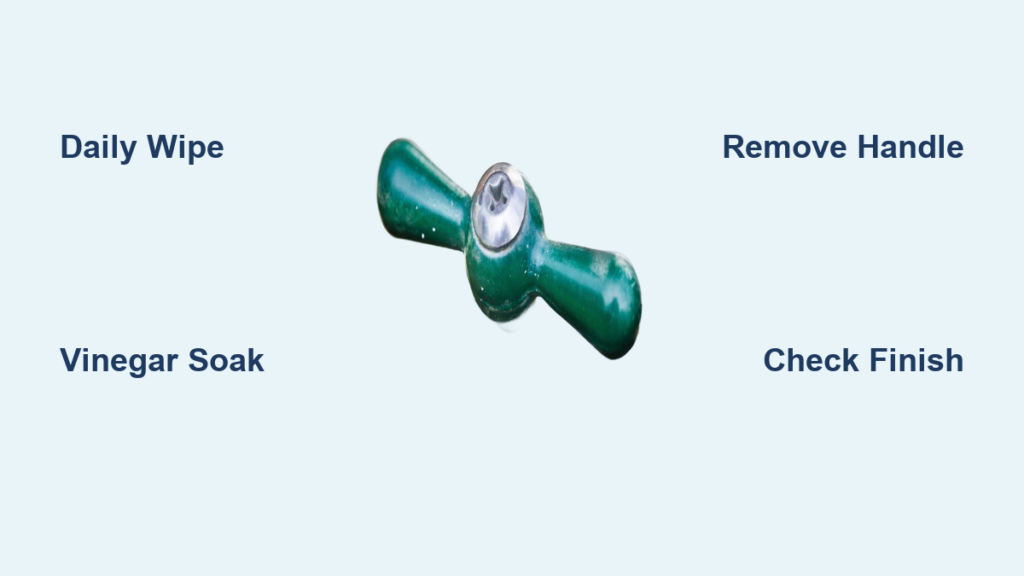
Remove the Handle
- Pry off the decorative cap on the handle with a flathead screwdriver
- Expose the set screw beneath
- Use an Allen wrench or screwdriver to remove the screw
- Pull the handle straight off
If the handle is stuck, soak the base with white vinegar for 15 minutes and tap gently with a rubber mallet. Avoid prying, which can crack plastic parts.
Expose the Internal Mechanism
For Cartridge Faucets: Use needle-nose pliers to remove the C-clip holding the cartridge. Set it aside carefully because these are easy to lose.
For Ball Faucets: Remove the adjusting ring with pliers. Lift off the dome cap to access the ball.
For Ceramic-Disc Faucets: Unscrew the retainer nut with an adjustable wrench. Lift out the cylinder.
For Compression Faucets: Unscrew the packing nut with a wrench. Pull out the valve stem.
Snap a picture before removing any component. Orientation matters during reassembly.
Inspect and Replace Faulty Components
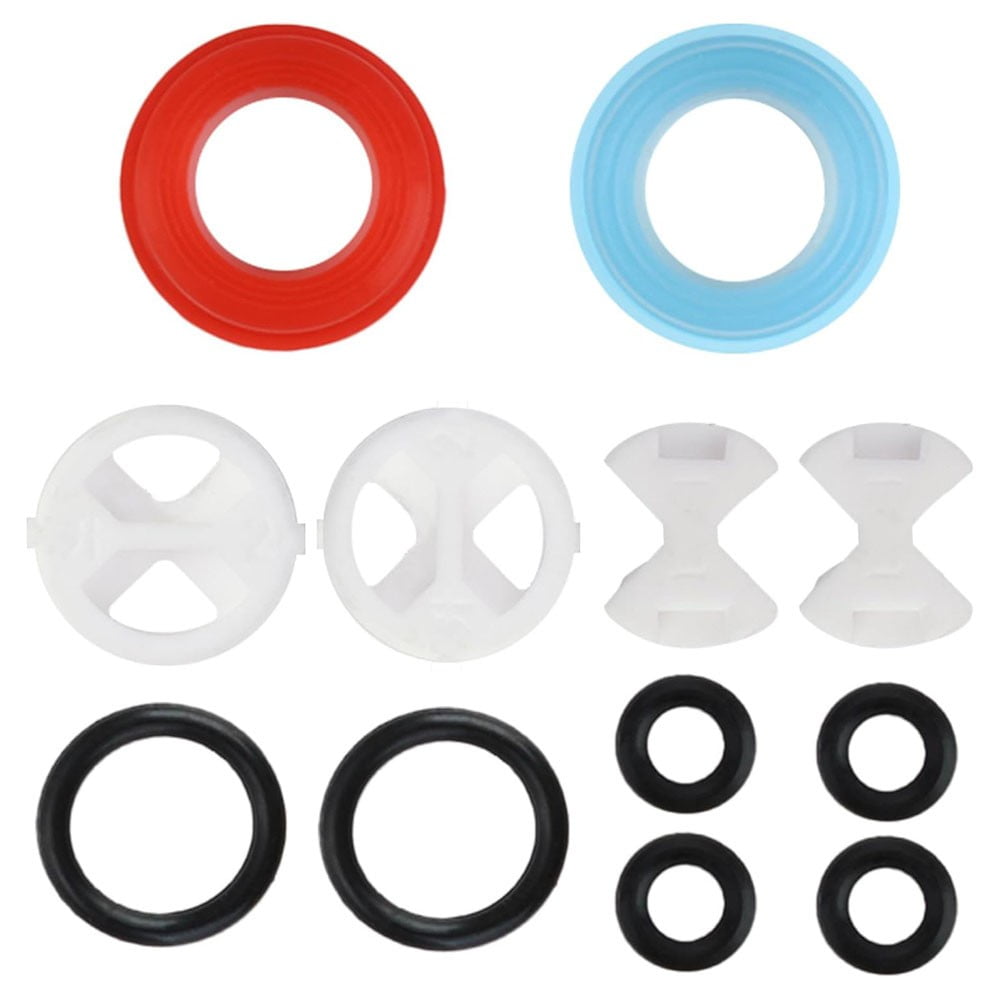
Now examine each part for wear and replace what is damaged. This is where you solve the actual problem causing your running faucet.
Replace Worn Washers Compression Faucets
- Unscrew the brass screw at the bottom of the valve stem
- Remove the old rubber washer
- Install a new washer of identical size and material
- Reattach with the screw without overtightening
Use neoprene or silicone washers. They last longer than standard rubber.
Fix Valve Seat Issues
A pitted seat prevents the washer from sealing properly. You have two options.
Option 1: Resurface the seat using a valve seat dresser. Insert the cone-shaped tool and rotate clockwise to smooth the surface.
Option 2: Replace the seat. Use a seat wrench to unscrew the old one. Screw in a new seat of matching size.
Shine a flashlight into the faucet body and look for grooves or corrosion.
Swap Out O-Rings
O-rings are found on stems or handle bases. They prevent leaks around moving parts.
- Slide off the old O-ring
- Lubricate the new one with plumber’s grease
- Install it in the same groove
- Ensure it sits flat without twisting
Replace all O-rings while you are in there, even if they look fine.
Install a New Cartridge
Cartridges fail due to cracks or mineral buildup.
- Match the new cartridge to the old one. Brand and model must match exactly.
- Align tabs, color codes, or grooves exactly
- Insert gently without forcing it
- Reinstall the C-clip to secure
Installing the cartridge backwards causes immediate leaks.
Replace the Ceramic Cylinder
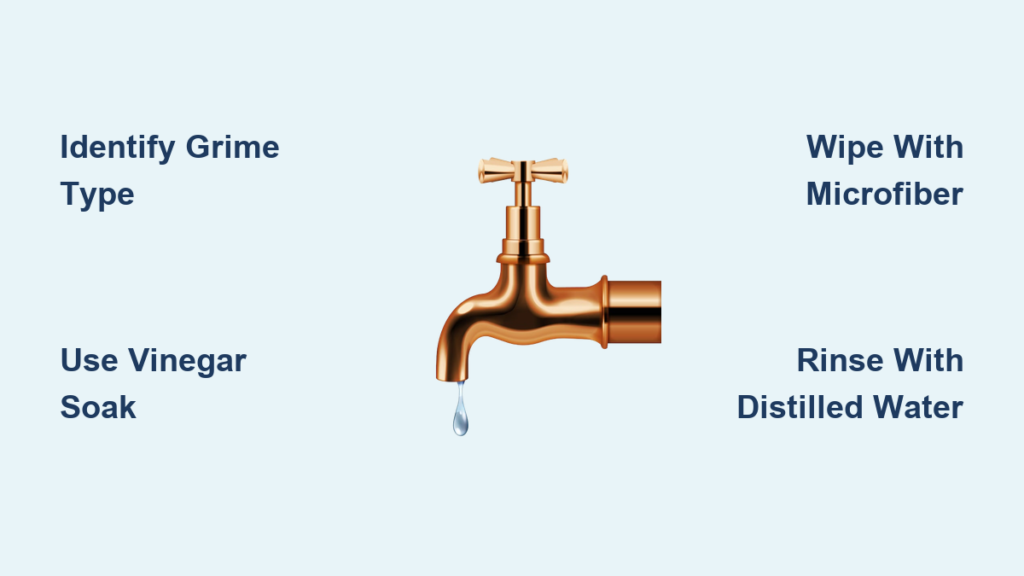
- Clean the housing with a vinegar-soaked cloth
- Insert the new cylinder. Align any notch or mark with the faucet body.
- Hand-start the retainer nut before tightening with a wrench
Do not overtighten. This can crack the housing.
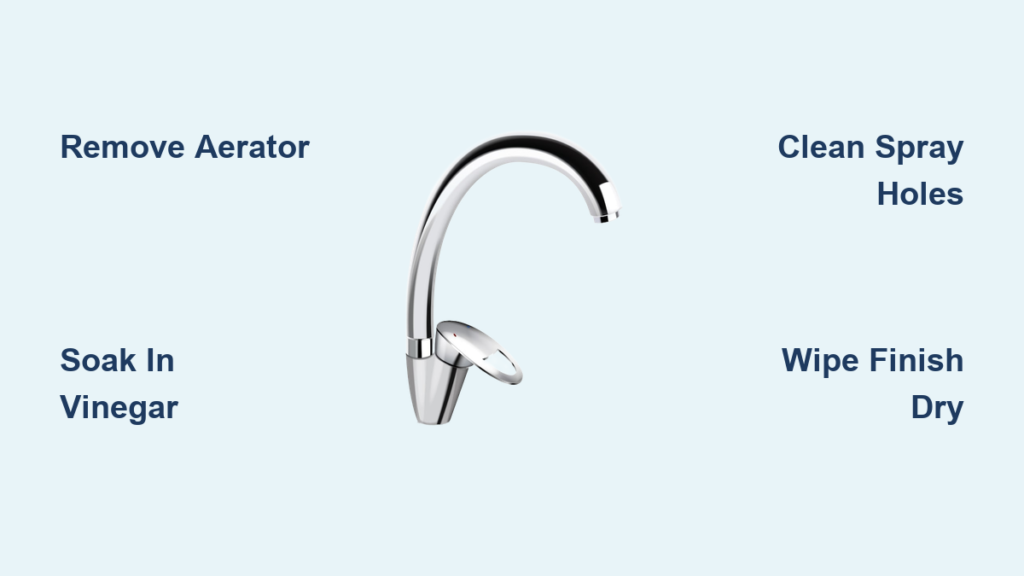
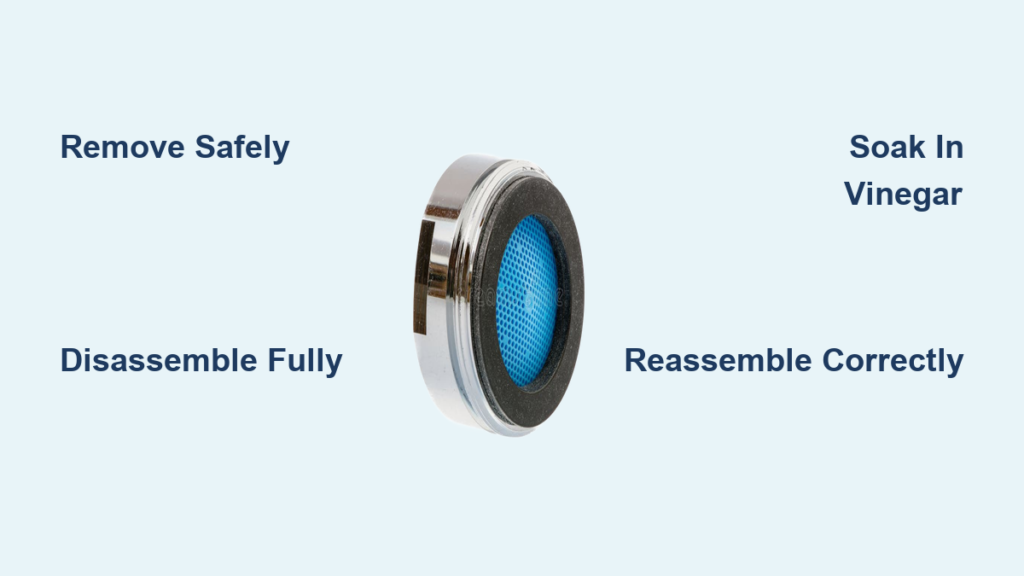
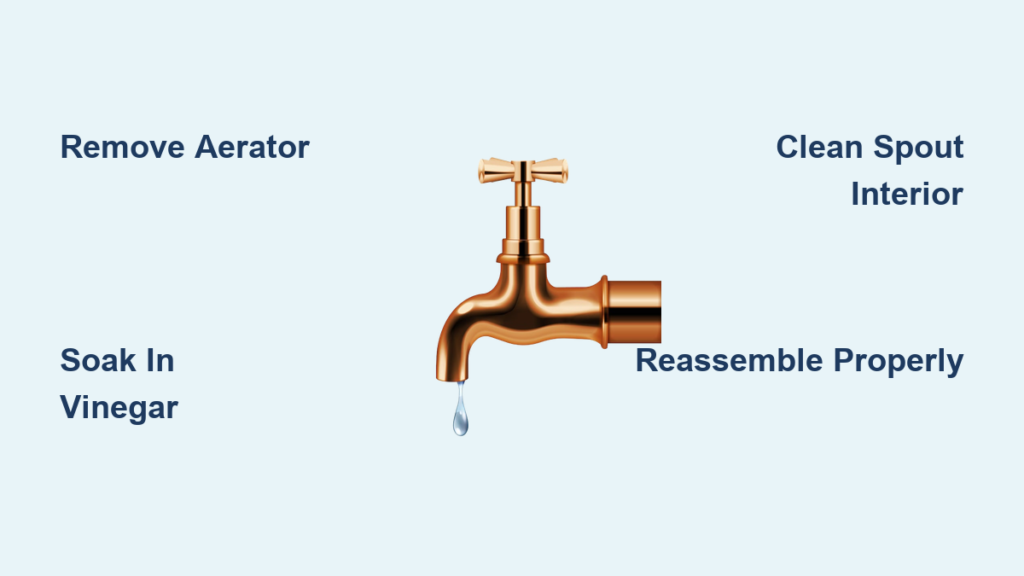
Clean or Replace the Aerator
Even a clean faucet can drip if the aerator is clogged.
- Unscrew the aerator from the spout tip
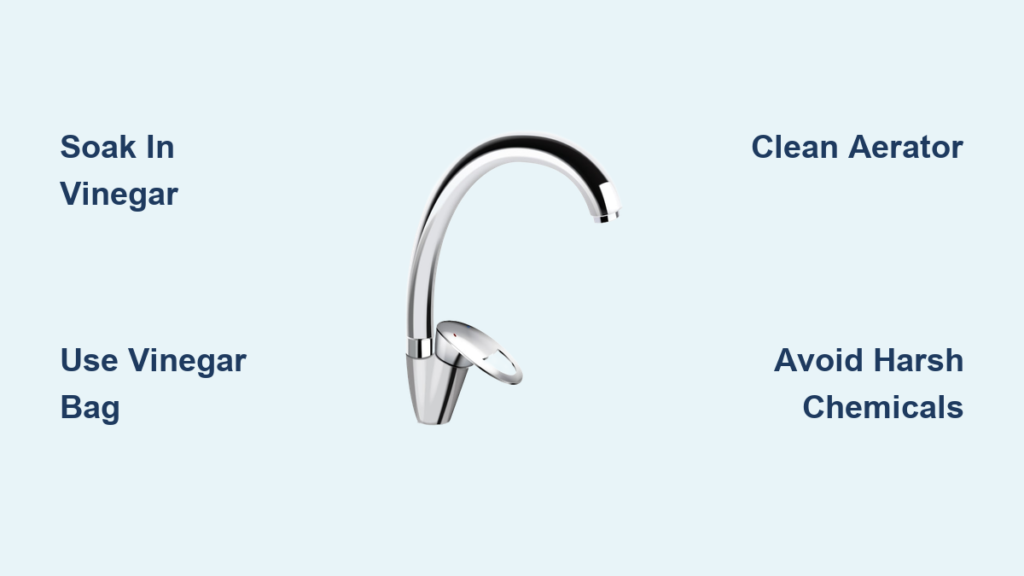
- Soak in white vinegar for 30 to 60 minutes
- Scrub with an old toothbrush
- Rinse and reassemble
Replace the aerator if the screen is cracked, internal parts will not come apart, or flow remains restricted after cleaning. Clean every 6 months in hard water areas.
Reassemble the Faucet
Now put everything back together in reverse order.
- Reinsert the repaired or replaced component stem, cartridge, ball, or cylinder
- Reinstall the retaining clip, packing nut, or retainer nut
- Slide the handle back on
- Secure with the set screw
- Replace the decorative cap
Hand-tighten first, then use tools gently. Over-tightening strips threads and damages seals.
Restore Water and Test the Fix
The final test determines if your repair worked. Take your time with this step.
Turn On Water Supply
- Open hot and cold shutoff valves slowly to prevent water hammer
- Open the faucet and let water run for 2 to 3 minutes to flush debris
Check for Leaks
Inspect these points:
• Spout: Any drip after shutoff?
• Handle base: Wetness around the stem?
• Connections: Under the sink?
If leaking persists, shut off the water again and verify correct part orientation, proper seating of cartridge or cylinder, and use of plumber’s grease on seals. Consider replacing the valve seat or O-ring if not done already.
Temporary Fixes Until You Can Repair
Cannot fix it right now? Use these short-term solutions to stop the noise and water waste.
Use the String Method
- Tie a thin cotton string to the spout
- Let the other end hang into the drain
- Water will travel down the string instead of dripping
This stops noise and splashing, making it ideal for overnight use.
Shut Off Under-Sink Valves
Close both hot and cold valves under the sink. This prevents all flow to the faucet and is safe for days or weeks while you wait for parts.
When to Replace the Entire Faucet
Sometimes repair is not worth it. Consider full replacement if the faucet is 15 or more years old, the body is corroded or cracked, you have repaired it multiple times, parts are no longer available, the handle wobbles excessively, or mounting hardware is stripped.
A new faucet costing $80 to $200 often costs less than repeated repairs and offers better performance and warranty.
Prevent Future Leaks
Stop drips before they start with simple maintenance.
Annual Maintenance Routine
• Inspect O-rings and washers. Replace them proactively.
• Tighten loose handles to prevent misalignment.
• Clean the aerator every 6 months.
• Flush lines after any plumbing work.
Combat Hard Water
• Install a water softener if scale builds up quickly
• Soak parts in vinegar during repairs
• Choose faucets with anti-scale aerators
Know When to Call a Plumber
Some situations demand expert help. Call a professional if shut-off valves are broken or seized, pipes are leaking or corroded, the faucet has touchless, smart, or proprietary tech, you cannot identify the faucet type, multiple repairs fail, or you lack tools or confidence.
Plumbers ensure long-term fixes, code compliance, and can teach you how to maintain the faucet.
Final Checklist: Did You Fix It Right?
Water shut off at source
Residual water drained
Sink protected, drain plugged
Disassembly documented with photos
Faucet type correctly identified
Worn parts replaced including washer and seat for compression, cartridge for cartridge, O-rings, springs, seats for ball, cylinder for ceramic-disc, and aerator if clogged
Lines flushed before reassembly
Seals lubricated with plumber’s grease
Reassembled in reverse order
Water turned on slowly
No leaks at spout, base, or connections
Frequently Asked Questions About Fixing a Running Faucet
Why does my faucet keep running even after I turn the handle off?
A running faucet after shutoff usually means a worn internal seal. In compression faucets, the rubber washer is likely worn. In cartridge faucets, the cartridge itself may be cracked. Ball faucets often have worn O-rings or springs. Ceramic-disc faucets may have a cracked cylinder. You need to disassemble the faucet to identify the exact component causing the leak.
How much does it cost to fix a running faucet yourself?
DIY repair costs between $5 and $20 for parts. A faucet repair kit with washers, O-rings, and seats runs about $10 to $15. A replacement cartridge costs $15 to $30. This is significantly less than professional plumbing service, which ranges from $150 to $300.
Can I fix a running faucet without turning off the water?
No. You must shut off the water supply before disassembling any faucet. Water pressure will make the repair impossible and will likely cause flooding. Always locate the shutoff valves under the sink and close them before starting any repair.
How long does it take to fix a running faucet?
Most running faucet repairs take 30 to 60 minutes for experienced DIYers. First-time repairs may take 1 to 2 hours. Compression faucets are the quickest to repair. Ceramic-disc and cartridge faucets may take longer due to more complex internal mechanisms.
What is the most common cause of a running faucet?
The most common cause is a worn rubber washer in compression faucets. These washers degrade over time from constant compression. In newer faucet types, failed O-rings are the most frequent culprit. Both are inexpensive and easy to replace.
Key Takeaways for Fixing Your Running Faucet
Fixing a running faucet is one of the most cost-effective DIY repairs you can make. For less than $20 and under an hour of effort, you will save thousands of gallons of water and stop a nagging drip for good.
The most critical step is identifying your faucet type before purchasing parts. Compression, cartridge, ball, and ceramic-disc faucets each require different replacement components. Using the wrong parts wastes money and time.
Always shut off the water supply before disassembly, document your progress with photos, and use plumber’s grease on all seals and O-rings during reassembly. These three practices prevent most common DIY mistakes.
Use this guide as your go-to reference whether you are repairing a vintage compression faucet or a modern ceramic-disc model. You now have the knowledge to do it right.