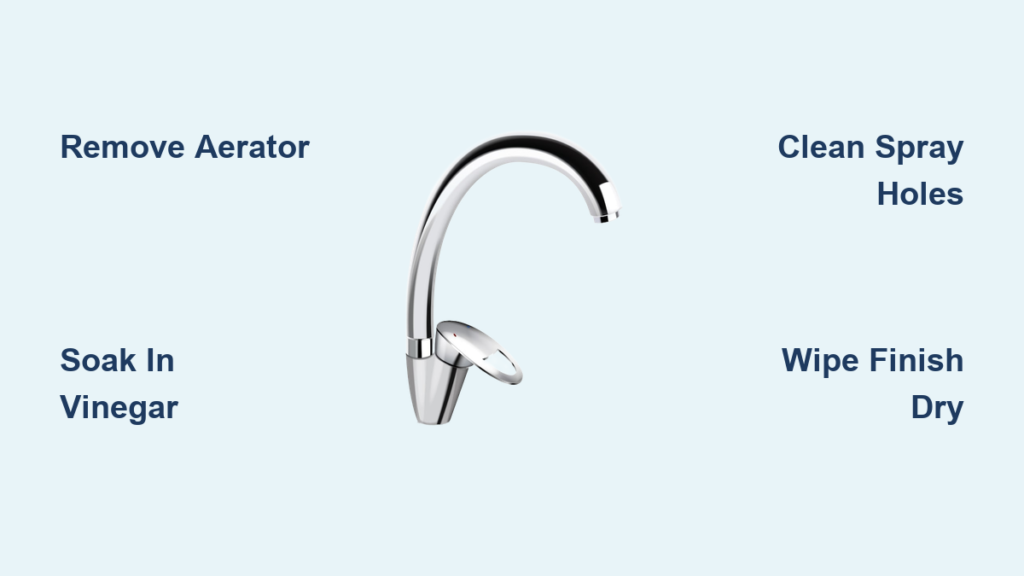
Hard water buildup on your faucet head isn’t just an eyesore. It silently reduces water flow, causes sputtering, and can permanently damage your fixtures if ignored. Those chalky white deposits form when calcium and magnesium minerals in your water evaporate and stick to metal surfaces, creating limescale that clogs spray holes and dulls finishes.
The good news? You don’t need expensive chemicals or professional help. With white distilled vinegar and a few household items, you can dissolve hard water deposits safely and restore full water pressure in under an hour. This guide covers proven cleaning methods for both removable aerators and fixed faucet heads, highlights what to avoid, and shares long-term prevention strategies that plumbers recommend for hard water areas.
Remove and Soak the Aerator
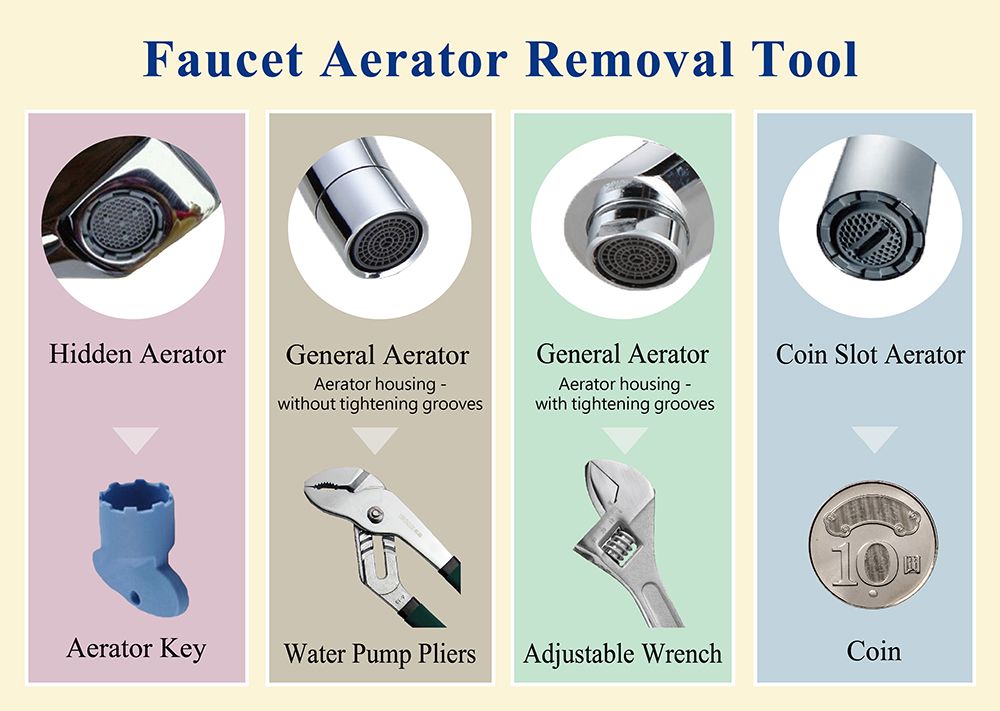
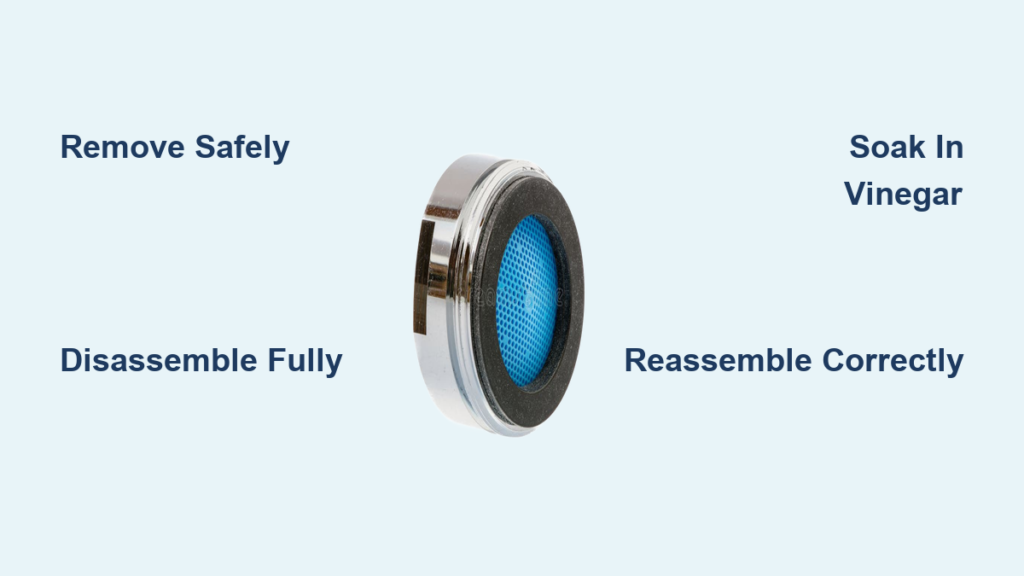
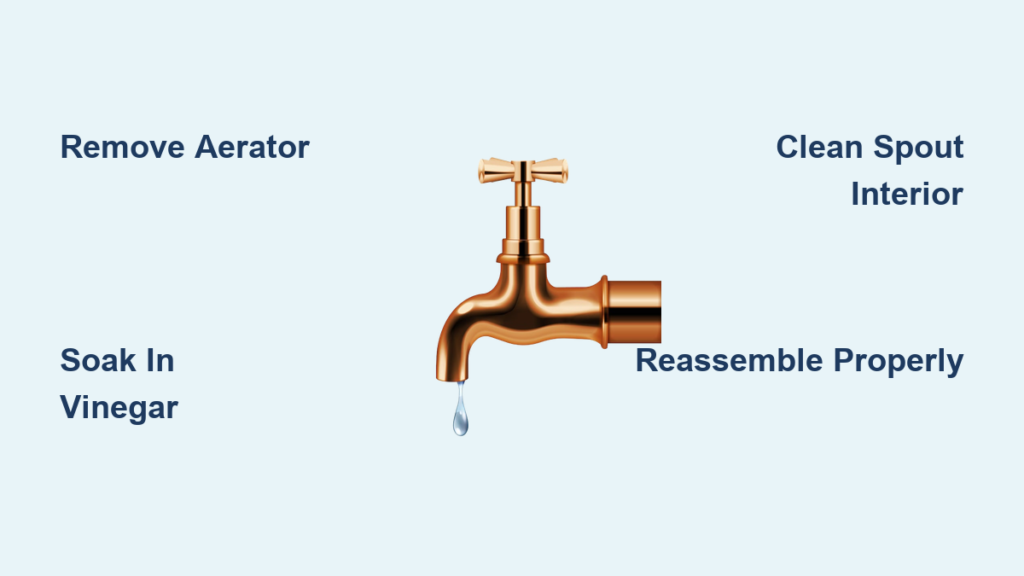
The aerator is the small screen at your faucet’s tip, and it’s the most common culprit behind reduced water flow. Removing and soaking it in vinegar is the fastest way to restore performance.
Unscrew the Aerator Safely
Turn off the water and dry the spout completely. Grip the aerator firmly and twist counter-clockwise to remove it. If it’s stuck, wrap a microfiber cloth around it and use pliers gently to prevent scratching the finish. Keep all parts in a small tray aerators contain O-rings, washers, and internal filters that can easily get lost.
Soak in White Vinegar
Place the aerator in a bowl filled with undiluted white distilled vinegar. Let it soak for 10 to 30 minutes for light buildup, or 1 to 2 hours for heavy deposits. Do not exceed 2 hours, as prolonged exposure can weaken rubber seals and damage plastic components.
Vinegar’s acetic acid chemically reacts with calcium carbonate to break down limescale safely without harming metal surfaces.
Scrub and Reinstall
Remove the aerator from the vinegar and use an old toothbrush to scrub the mesh screen and threads thoroughly. Clear clogged holes with a toothpick or fine wire, never using metal picks that can gouge plastic. Rinse under running water to flush all debris, then screw the aerator back on clockwise until snug. Do not overtighten.
This method typically restores immediate improvement in water pressure and spray pattern. Clean every 1 to 3 months if your water exceeds 7 gpg.
Clean Non-Removable Faucet Heads
If your faucet has a fixed spray head with no removable aerator, use the vinegar bag method to dissolve both exterior and internal buildup.
Apply Vinegar with a Bag
Fill a plastic sandwich bag with undiluted white vinegar. Place it over the faucet head, ensuring full coverage of all stained areas. Secure the bag with a rubber band or twist tie. For pull-down sprayers, position the bag so the spray face stays submerged in vinegar.
Soak for 30 Minutes
Leave the bag in place for 15 to 30 minutes. For severe crusty buildup, you can extend this to 60 minutes, but never longer than that to protect chrome or brass finishes. Check periodically for leaks or drips during the soaking time.
Scrub and Flush
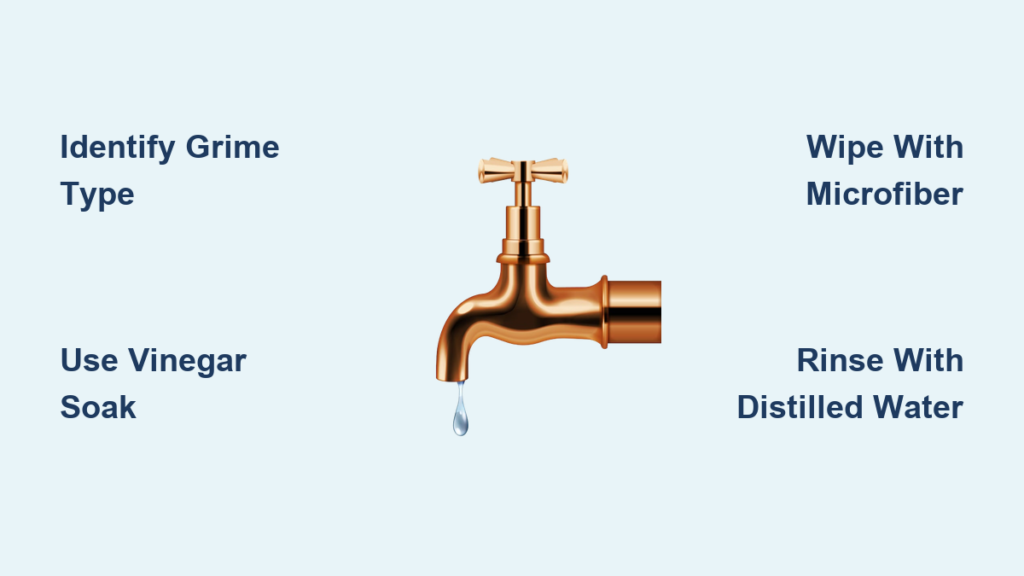
Remove the bag and wipe away loosened residue with a soft cloth. Use a toothbrush to clean around the base, swivel joints, and spray nozzles. Turn on the water briefly to flush internal channels, then dry with a microfiber cloth to prevent new water spots from forming.
Users report this method restores over 90% of flow in non-removable heads, particularly effective on kitchen faucets.
Alternative Cleaning Methods
While vinegar works best, these alternatives can help in specific situations. Use them carefully to avoid damaging your faucet.
Try Lemon Juice for Light Buildup
Lemon juice contains citric acid that can dissolve mild deposits. Soak a cloth in lemon juice and wrap it around the faucet for 20 to 30 minutes. Scrub gently and rinse thoroughly. Be aware that lemon juice is less effective than vinegar and may leave a sticky film that requires additional cleaning.
Use Baking Soda Paste for Polishing
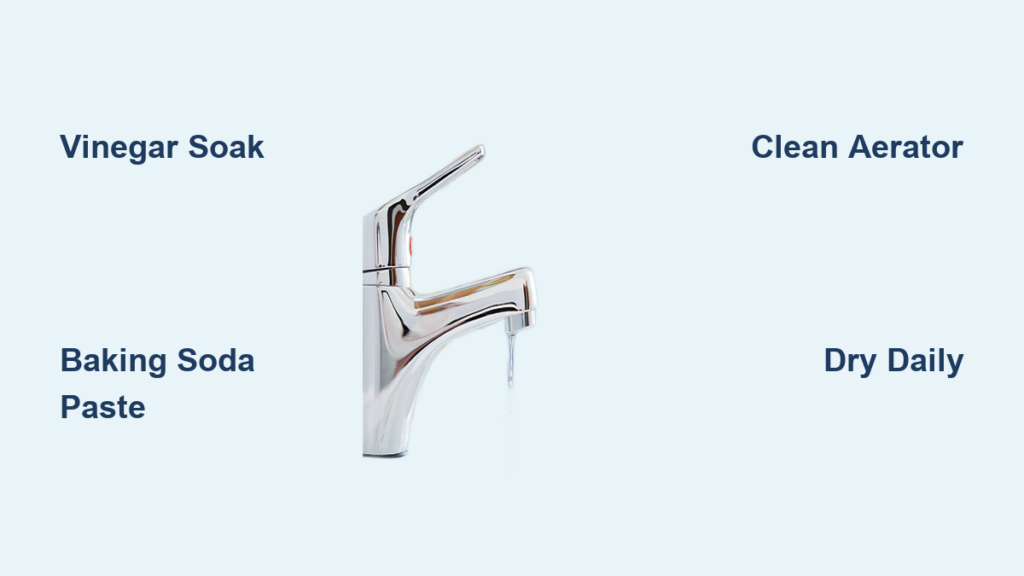
Mix one tablespoon of baking soda with enough water to form a paste. Apply this after vinegar cleaning to polish the surface and remove residual film. Gently rub with a soft cloth, then rinse completely. Note that baking soda does not dissolve internal scale, so use it only for surface shine.
Consider CLR With Caution
CLR is stronger than vinegar and works faster on heavy deposits. Apply it only to metal parts and avoid plastic or rubber components entirely. Leave CLR on for no more than 2 minutes, then rinse thoroughly. Never use CLR on Delta Brilliance or SpotShield finishes, as it can dull or corrode them.
Never mix vinegar or CLR with bleach or ammonia, as toxic chlorine gas will form.
Innovative Faucet Technologies That Reduce Buildup

Modern faucets include built-in features designed specifically for hard water areas. If you’re tired of constant cleaning, these innovations can help significantly.
Use Delta Touch-Clean Spray Holes
Delta Touch-Clean spray nozzles are made of soft rubber instead of rigid metal. Simply wipe with your finger to push out mineral deposits. This eliminates the need for soaking entirely, making maintenance quick and easy. This feature is ideal for high-mineral areas and significantly reduces cleaning time.
Choose SpotShield Finish
SpotShield technology resists water spots, fingerprints, and limescale buildup. It maintains a clean appearance with minimal wiping and can reduce cleaning frequency by up to 50% in hard water homes. This finish is available on many Delta kitchen and bathroom models.
Opt for Brilliance Finish
Brilliance finishes are engineered for corrosion and tarnish resistance. They withstand testing against over 100 cleaners and abrasives and come with a lifetime warranty for residential use. These finishes are safe for vinegar cleaning and won’t dull or pit even with regular maintenance.
Users in Arizona and Texas report fewer clogs and easier maintenance with Touch-Clean and SpotShield models.
Safe Cleaners for All Faucet Finishes
Using the wrong cleaner can void your warranty. Stick to these manufacturer-approved products.
Formula 409 is safe for chrome, stainless steel, and plastic for general disinfecting. Fantastik works well on chrome, brass, and stainless for surface grime removal. Windex is effective on chrome, glass, and finishes for removing water spots. Dish soap and water is safe for all finishes and recommended for daily wiping and rinsing.
Always check your faucet’s manual before using any new cleaner.
What to Avoid: Prevent Damage
Even with good intentions, using the wrong tools or chemicals can permanently ruin your faucet.
Avoid toilet bowl cleaners because they’re too acidic and will damage finishes. Skip bleach or ammonia-based sprays entirely. Never use Scrubbing Bubbles or Soft Scrub with bleach or abrasives. Avoid undiluted CLR on sensitive finishes.
Never use steel wool pads because they scratch all finishes. Avoid green Scotch-Brite sponges as they’re too abrasive. Skip metal brushes or razor blades.
Using these damaging products results in dull, pitted surfaces and voided warranties, especially on Delta and Moen faucets.
Prevent Hard Water Buildup Long-Term
Cleaning helps, but prevention saves time and protects your faucet for years to come.
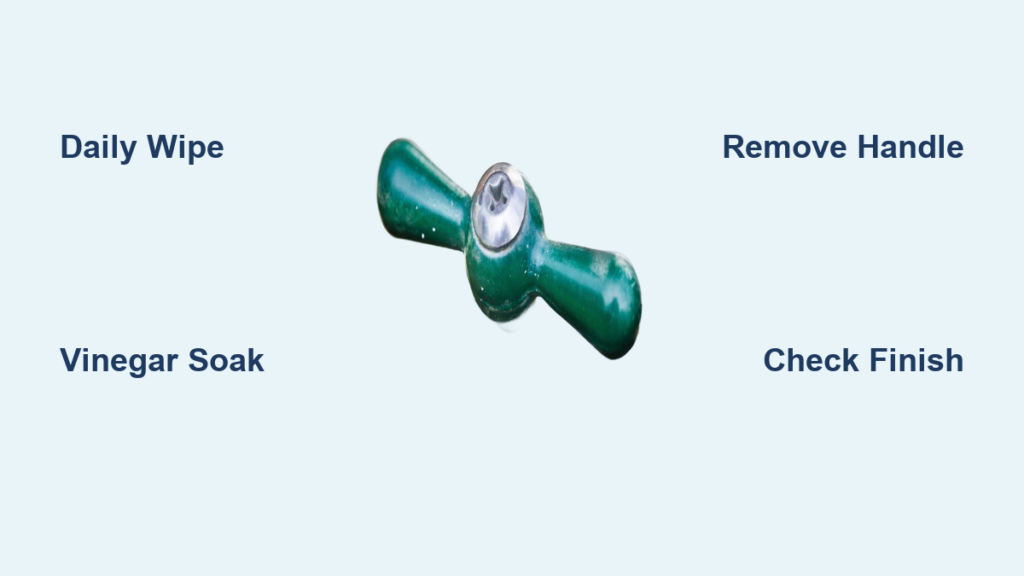
Dry Faucet After Every Use
Wipe the spout and handles with a dry microfiber cloth after each use. This prevents evaporation that leaves mineral rings and reduces visible spots by up to 70% with daily use.
Clean Aerator Every 3 Months
Set a calendar reminder for January, April, July, and October. A quick 30-minute vinegar soak keeps flow optimal. Replace aerators every 1 to 2 years since they’re inexpensive and easy to swap.
Install a Water Softener
Whole-house softeners remove calcium and magnesium through ion exchange, stopping limescale at the source. Under-sink units protect kitchen faucets specifically. Benefits include extended life for appliances and pipes, improved soap efficiency, and reduced cleaning needs.
Rinse with Distilled Water
After cleaning, use distilled or filtered water for the final rinse. This prevents new mineral deposits from forming and leaves a streak-free shine.
Signs Your Cleaning Worked
After treatment, look for these indicators of success.
Smooth, steady water flow means clogs are cleared and pressure is restored. No sputtering or spraying indicates even distribution through all nozzles. A shiny, spot-free finish confirms limescale is removed from the surface. A free-moving spout means swivel joints are clear of buildup. A clear aerator screen shows no blockages are visible under light.
Vinegar restores up to 95% of original flow, which is enough to avoid replacement in most cases.
Final Tips and Recommendations
Always start with the aerator since it’s the number one cause of clogged flow. Vinegar is your best friend because it’s cheap, effective, and safe for most materials. Upgrade to Touch-Clean or SpotShield if you live in a hard water area. Replace damaged aerators since they cost only $5 to $15 and snap in easily.
Never skip the final rinse because residual vinegar can attract dust or dull finishes. When buying a new faucet, prioritize durable finishes and easy-maintenance designs.
By combining regular vinegar soaks, gentle wiping, and smart faucet choices, you can keep hard water deposits under control with no scrubbing, no damage, and no frustration.
Frequently Asked Questions About Removing Hard Water from Faucet Head
Does vinegar damage faucet finishes?
White distilled vinegar is safe for most faucet finishes including chrome, stainless steel, brass, and plastic. Short soaks of 30 minutes to 2 hours won’t damage these materials. Just avoid leaving vinegar on for more than 2 hours and always rinse thoroughly afterward.
How often should I clean my faucet aerator?
Clean your aerator every 1 to 3 months, depending on your water hardness. If your water exceeds 7 gpg, clean monthly. In areas with moderate hardness, every 3 months is sufficient. Regular cleaning prevents buildup from becoming severe.
Can I use vinegar on Delta Brilliance or SpotShield finishes?
Yes, vinegar is safe for Delta Brilliance and SpotShield finishes. These finishes are engineered to resist corrosion and maintain their shine even with vinegar cleaning. Just don’t use CLR on these finishes as it can dull or damage them.
Why is my faucet still dripping after cleaning the aerator?
If dripping persists after cleaning, the O-ring inside the aerator may be worn or damaged. Inspect the O-ring for cracks or flattening. Replacement O-rings are inexpensive and often included with new aerators. If the problem continues, the valve seat may need attention.
What is the fastest way to remove hard water from a fixed faucet head?
The vinegar bag method is fastest for fixed heads. Fill a bag with vinegar, secure it over the faucet head, and let it soak for 15 to 30 minutes. Remove, scrub with a toothbrush, and rinse. This method dissolves exterior and interior deposits without disassembling anything.
Key Takeaways for Removing Hard Water from Faucet Head
Removing hard water from your faucet head is a straightforward process that requires only household items. Start by removing and soaking the aerator in white vinegar for 10 minutes to 2 hours depending on buildup severity. For fixed faucet heads, the vinegar bag method works similarly well. Always avoid abrasive tools and harsh chemicals that damage finishes, and consider upgrading to Touch-Clean or SpotShield faucets if you deal with hard water regularly. Clean your aerator every 1 to 3 months, dry your faucet after each use, and consider a water softener for permanent protection. With consistent maintenance, you can restore full water pressure and keep your faucet looking new for years.