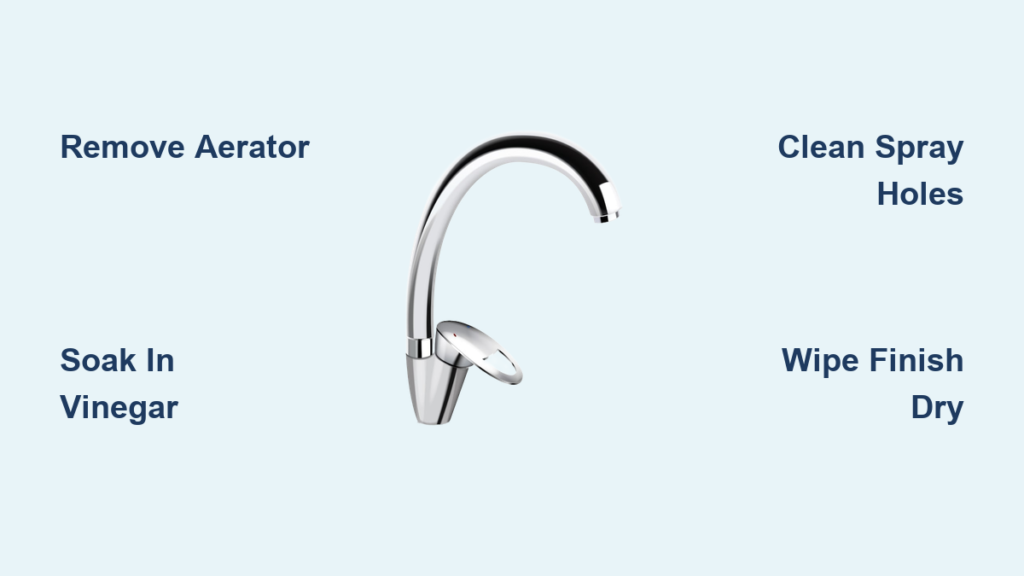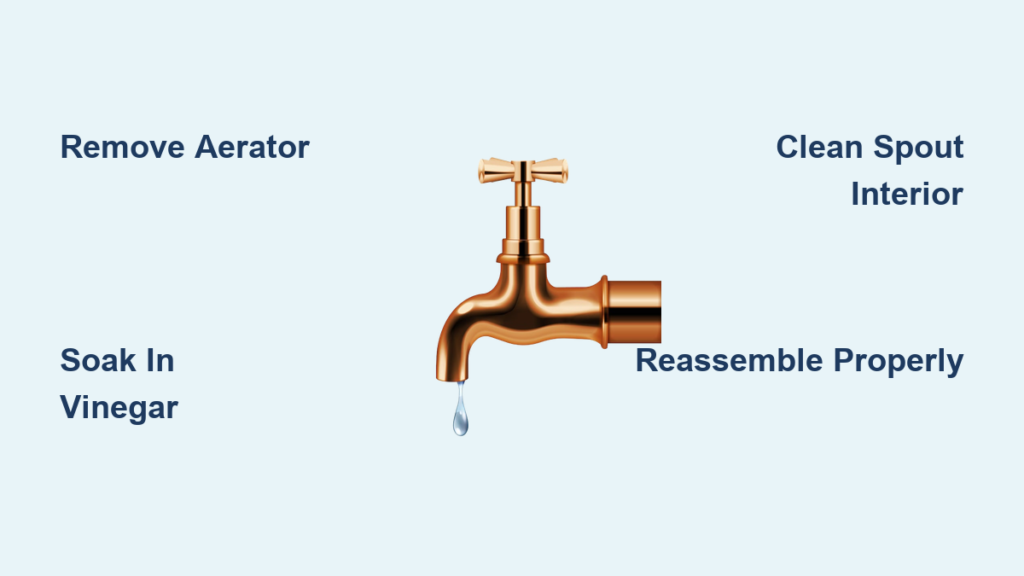
Low water pressure, sputtering flow, or gritty particles shooting from your faucet? The culprit is likely a clogged faucet aerator—a small device at the tip of your spout that mixes air with water to create a smooth stream. Over time, mineral buildup from hard water, rust, and sediment block its tiny internal components, degrading performance and potentially affecting water quality. The good news: cleaning it takes less than 30 minutes, requires only common household items, and can restore full flow instantly.
This guide walks you through every step of how to clean a faucet aerator properly, whether it screws on externally or hides inside the spout. You’ll learn how to remove, disassemble, descale with vinegar, scrub, reassemble, and reinstall like a pro. We cover when to replace instead of clean, how often to maintain it, and key mistakes to avoid.
Identify Your Faucet Aerator Type
Before attempting removal, determine what kind of aerator you’re dealing with. This prevents damage and ensures you use the right tools.
Screw-On External Aerators
These are the most common variety. The aerator threads onto the outside of the faucet spout and appears as a small cylindrical cap. You can often unscrew it by hand using only your fingers.
Visual cues to identify this type:
– Visible threading on the exterior
– May have small notches or ridges for grip
– Often labeled with flow rate like 1.5 GPM
Recessed Hidden Aerators
Located inside the spout opening, these require an aerator key to remove. Common in modern faucets where designers want a clean, streamlined look.
How to identify recessed aerators:
– No external threading visible
– Small hexagonal or star-shaped hole inside the spout
– May come with a matching key tucked in the original faucet box
Pro Tip: If you don’t have the original key, universal aerator removal tools are available online for under $5 and fit most models.
Remove the Aerator Safely
Improper removal can scratch finishes or strip threads. Follow these steps carefully to avoid damaging your faucet.
Unscrew by Hand When Possible
Always start by turning the aerator counterclockwise, which is the “lefty-loosey” direction. Many aerators are designed for finger-tight removal.
Follow these steps:
– Wrap your fingers in a rubber glove or use a rubber band for extra grip
– If the aerator is loose but stuck from grime, twist back and forth slightly to break mineral bonds
– Never force it if resistance is strong
Use Padded Tools for Stubborn Units
If hand removal fails, use these steps:
- Wrap the aerator with a soft cloth, electrical tape, or masking tape
- Use adjustable pliers or a wrench over the padding
- Apply steady, gentle pressure moving slowly
- Do not jerk or force the tool
Warning: Bare metal tools will scratch chrome, brass, or nickel finishes. Always pad contact points.
Remove Recessed Models with an Aerator Key
For hidden aerators, insert the key into the hexagonal socket inside the spout. Turn counterclockwise until the aerator loosens, then finish unscrewing by hand.
Note: Some keys are plastic and may break under pressure. Use a metal version for frequent maintenance.
Disassemble the Aerator Completely
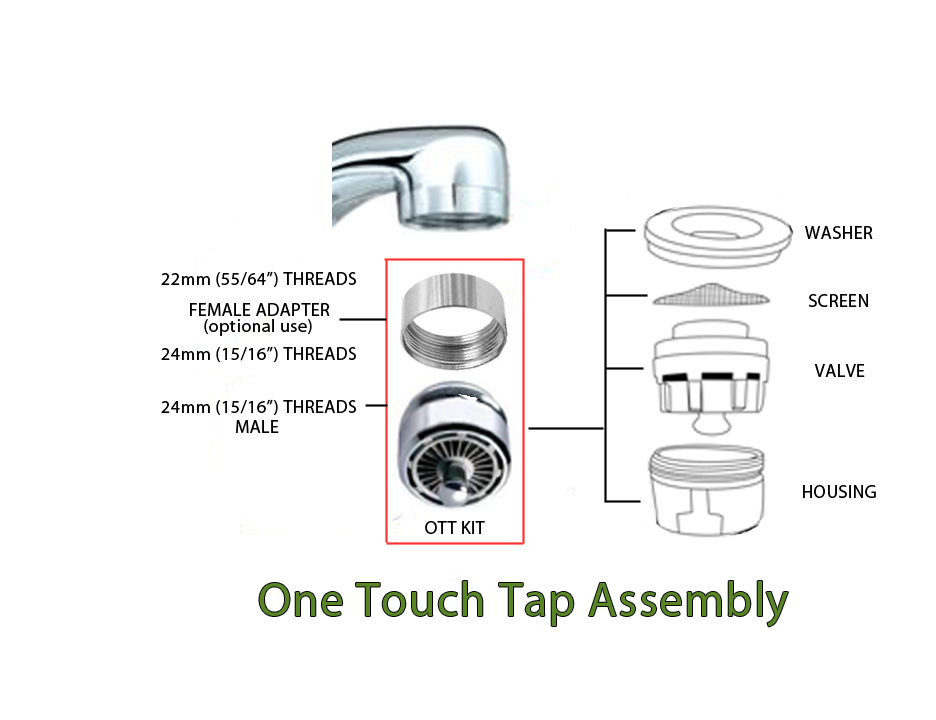
Cleaning works best when you take it all apart. Most aerators contain multiple internal layers that can trap debris.
Lay Out Parts in Order
Place components on a clean towel or white paper so nothing gets lost. Take a photo with your phone to remember the sequence for reassembly.
Typical aerator components include:
– Outer housing (metal or plastic shell)
– Inlet screen (first mesh layer facing the faucet)
– Flow straightener (plastic grid that organizes water)
– Outlet screen (final mesh layer)
– Rubber or silicone washer (seals against leaks)
Remove Stuck Components Gently
If parts won’t slide out easily, use a toothpick, paperclip, or sewing needle to nudge them gently. Avoid metal tweezers as they can scratch or distort delicate screens.
Expert Note: Never boil plastic aerators or expose them to harsh chemicals unless specified. Damage can occur quickly and ruin the component.
Soak Parts in White Vinegar
Vinegar is the gold standard for dissolving mineral deposits without harming components. The acetic acid reacts with calcium carbonate, breaking it down into soluble compounds that rinse away.
Prepare the Vinegar Bath
Fill a small bowl or cup with undiluted white vinegar (5% acetic acid). Submerge all metal and plastic pieces completely.
Soak Based on Buildup Level
| Buildup Type | Recommended Soak Time |
|---|---|
| Light film or minor scale | 5 to 30 minutes |
| Moderate limescale or rust | 2 to 4 hours |
| Heavy crusty deposits (hard water areas) | Up to 12 to 24 hours |
Fact: Acetic acid effectively dissolves calcium carbonate, which is the primary component of limescale in most hard water.
Alternative Cleaning Solutions
While white vinegar is recommended, these alternatives can work in a pinch:
- Apple cider vinegar: Slightly less effective due to lower acidity
- Lemon juice: Natural but inconsistent; may leave residue
- CLR or descaling products: Stronger but follow instructions carefully as some can damage rubber washers or plastic
Safety Warning: Never mix vinegar with bleach or ammonia. Toxic fumes result from this combination.
Scrub Away Stubborn Deposits
Soaking loosens grime, but physical cleaning ensures full flow restoration. This step is essential for removing particles that vinegar alone cannot dislodge.
Use a Soft Toothbrush
Grab an old toothbrush (dedicated to cleaning, not teeth) and scrub all components thoroughly.
Focus on these areas:
– Both sides of inlet and outlet screens
– Interior walls of the housing
– Openings in the flow straightener
– Any areas with visible discoloration or clogs
Clear Blocked Holes with a Paperclip
Insert a straightened paperclip or sewing needle into each hole in the screens and diffuser. Push gently to clear debris, but avoid enlarging the openings.
Pro Tip: Hold the screen up to light after cleaning. If you can see through every hole clearly, it’s ready for reassembly.
Rinse Thoroughly Under Running Water
Flush all parts under warm water, checking that no debris remains trapped and water passes freely through the screen in both directions. Ensure the vinegar odor is completely gone before reassembly.
MSU Extension: Run water through the aerator screen, holding it right side up and upside down. This ensures no loosened particles enter your drinking water.
Reassemble the Aerator Correctly

Reversing the disassembly process is key. Incorrect order leads to poor flow, noise, or leaks.
Follow Your Photo or Sketch
Rebuild the aerator layer by layer in this sequence:
- Outlet screen
- Flow straightener
- Inlet screen
- Washer (ensure it sits flat and isn’t twisted)
- Cap with outer housing
Checklist: Are all parts present? Is the washer seated properly? Do screens face the correct direction? Even one flipped component can disrupt performance.
Reattach and Test Water Flow
Now secure the aerator back onto the faucet and verify everything works properly.
Hand-Tighten First
Screw the aerator on clockwise (righty-tighty) using only your fingers. This prevents cross-threading and damage to the components.
Finish with Padded Pliers If Needed
If there’s a slight leak after hand-tightening, wrap pliers in tape or cloth and gently tighten a quarter turn maximum.
Warning: Over-tightening cracks plastic housings, strips threads, or compresses washers too much, leading to leaks.
For recessed models, use the aerator key to snug it securely without marring the finish.
What Success Looks Like
Run water for 10 to 15 seconds to flush any residual vinegar or debris, then check for these success indicators:
- Smooth, even stream with no sputtering
- Full pressure restored
- No leaks at the base of the aerator
- Clear water with no particles
Troubleshooting Post-Cleaning Issues
| Problem | Likely Cause | Fix |
|---|---|---|
| Still low pressure | Blockage in faucet body | Remove aerator and flush spout again |
| Leaking at base | Damaged washer or cross-threading | Replace washer or reinstall carefully |
| Sputtering | Air trapped or incomplete reassembly | Disassemble and recheck screen order |
When to Replace Instead of Clean

Some aerators cannot be saved and require replacement. Replace your aerator if the housing is cracked or broken, screens are warped or permanently clogged, rubber washer is hard torn or missing, threads are stripped, or it’s over 5 years old with poor performance.
Replacement aerators cost under $10 and are available at hardware stores, home improvement centers, and online retailers. Choose based on thread size (most U.S. faucets use 55/64-27), flow rate (1.0 to 1.5 GPM for water-saving), and type (laminar for kitchen, aerating for bathroom).
EPA WaterSense Tip: Upgrading to a 1.5 GPM model saves up to 30% more water than older 2.2 GPM versions.
How Often to Clean Your Aerator
Prevention beats repair. Stick to a cleaning schedule based on your water conditions and household situation.
Recommended Cleaning Frequency
| Situation | Cleaning Interval |
|---|---|
| Average home | Every 6 months |
| Hard water area | Every 1 to 3 months |
| After plumbing work | Immediately |
| In older homes with lead pipes | Every 3 to 6 months |
Denver Water: Aerators should be cleaned about every six months and after any construction work that impacts your water service.
Set a calendar reminder. Your future self will thank you.
Avoid These Common Mistakes
Even experienced DIYers make errors. Steer clear of these pitfalls to ensure successful cleaning.
Using Bare Metal Tools
Consequence: Scratched finish, damaged threads
Fix: Always wrap pliers with tape or use rubber-coated tools
Skipping Disassembly
Consequence: Incomplete cleaning because vinegar cannot reach inner layers
Fix: Take it all apart. No shortcuts.
Not Flushing the Spout
Consequence: Re-clogging within days
Fix: Rinse the faucet opening before reinstalling the aerator
Over-Tightening
Consequence: Cracked housing, leaks, stripped threads
Fix: Hand-tighten first. Use tools only if essential.
Reassembling Out of Order
Consequence: Noisy flow, reduced pressure, leaks
Fix: Use your photo. Double-check each layer.
Why Aerator Maintenance Matters Beyond Water Pressure
Cleaning your aerator isn’t just about performance. It serves important safety and sustainability purposes.
Traps Particulate Lead
In homes with aging plumbing, aerators capture lead particles dislodged during water main breaks or service line replacements.
EPA: Cleaning aerators is a key step in reducing exposure after lead pipe replacement projects.
Supports Water Conservation
A clean, low-flow aerator (1.0 to 1.5 GPM) reduces water use significantly. This saves thousands of gallons per year, lowers utility bills, and reduces strain on municipal water systems.
Extends Faucet Life
By filtering out sediment and debris, a well-maintained aerator protects internal valves and cartridges from wear, extending the life of your faucet.
Frequently Asked Questions About Cleaning Faucet Aerators
How do I know if my faucet aerator needs cleaning?
Signs that your aerator needs cleaning include reduced water pressure despite normal supply, sputtering or pulsating water, uneven spray patterns, visible mineral crusts or rust around the spout, discolored water (brown, yellow, or cloudy), and gritty particles coming from the faucet.
Can I clean my aerator without removing it?
Yes, you can try the vinegar bag method. Fill a plastic bag with white vinegar, place it over the faucet so the aerator is submerged, secure with a rubber band, soak for 1 to 2 hours, then remove and scrub. However, this method is less effective because vinegar cannot penetrate internal components, and it works best only for light maintenance rather than serious clogs.
What is the best way to remove a stuck aerator?
Soak the aerator in vinegar for 30 minutes to dissolve mineral buildup, then wrap it with a soft cloth or tape and use padded pliers to turn counterclockwise. Apply steady, gentle pressure without forcing. For recessed aerators, use an aerator key inserted into the hexagonal socket.
How long should I soak aerator parts in vinegar?
Soak time depends on buildup level. Light film requires 5 to 30 minutes. Moderate limescale or rust needs 2 to 4 hours. Heavy crusty deposits in hard water areas may require up to 12 to 24 hours for best results.
Why is my water still low after cleaning the aerator?
If water pressure remains low after cleaning, the blockage may be in the faucet body itself rather than the aerator. Remove the aerator and flush the spout directly. If problems persist, inspect the faucet cartridge or consider that the aerator may need replacement.
How often should I clean my faucet aerator?
Clean your aerator every 6 months as standard practice. In hard water areas, clean every 1 to 3 months. Clean immediately after water main breaks, service line replacements, indoor plumbing repairs, or construction work that impacts your water service.
Key Takeaways for Cleaning Faucet Aerators
Cleaning a faucet aerator is one of the easiest, most impactful home maintenance tasks you can perform. With just vinegar, a toothbrush, and about 30 minutes, you can restore water pressure, improve water quality, and extend the life of your faucet.
The process involves identifying your aerator type, removing it safely with padded tools, disassembling all components, soaking in white vinegar (5 minutes to 24 hours depending on buildup), scrubbing with a toothbrush, rinsing thoroughly, reassembling correctly, and testing for leaks. Clean every 6 months as a standard practice, or more frequently in hard water areas or after plumbing work.
Whether you’re dealing with hard water, old pipes, or just a finicky faucet, this simple fix delivers fast results and keeps your water flowing cleanly for months to come. Set a calendar reminder today to stay on top of this essential maintenance task.