You turn on the faucet expecting fresh water, but a rotten-egg stench hits you instead. A sewer smell coming from your sink is more than unpleasant. It signals a plumbing problem that needs attention. The cause might be trapped organic waste, a dry P-trap, or something deeper like a blocked vent or damaged pipe.
Most causes are fixable. Some need only a quick pour of water, while others call for a professional. This guide explains exactly why your sink smells like sewage, how to pinpoint the real culprit, and what to do right now to eliminate the odor for good.
Identify the Source of the Smell
Before reaching for cleaning products or calling a plumber, figure out where the odor originates. Treating the wrong cause wastes time and often makes things worse.
Check for Rotten Egg or Sewage Odor
A rotten egg smell means hydrogen sulfide gas is present. Bacteria produce this gas when they break down organic matter in your drain, or it escapes into your home when the P-trap seal fails. If the odor is sharp and sewer-like, especially after weeks of no use, suspect a dry P-trap.
A musty or mildew-like smell points to biofilm buildup inside the drain. This is common in bathroom sinks where toothpaste, hair, and soap scum collect over time.
Test One Sink at a Time
Run water in each sink and sniff closely. If only one sink smells, the problem is localized, likely buildup or a dry trap. If multiple drains stink and you hear gurgling, the issue may be a blocked sewer vent or a main line problem.
Note When the Smell Occurs
- After hot water use? Heat activates bacteria in biofilm.
- Only in unused sinks? Classic sign of a dry P-trap.
- Worse after rain or wind? Points to a vent blockage.
- Constant odor despite cleaning? Likely corrugated pipe or deep biofilm.
Dry P-Trap: The Simple Fix

A dry P-trap is one of the most common and easiest causes of sewer smell to fix.
Why Water Evaporates in the Trap
The P-trap is the U-shaped pipe under your sink that holds water to block sewer gases. If a sink goes unused for 2–3 weeks, that water evaporates, breaking the seal and letting sewer gas rise into your home.
Most affected sinks: Guest bathrooms, basement sinks, or seasonal homes.
Refill the Trap in Seconds
Fix: Run the faucet for 10–60 seconds. This refills the trap and restores the seal.
Result: If the smell disappears and doesn’t return, you’ve solved the problem.
Prevent Future Dry-Outs
For sinks used infrequently:
– Run water once a week to keep the trap full.
– Pour 1 cup of water down the drain if you’ll be away for more than 10 days.
If the Smell Returns Quickly
A P-trap that dries out fast, even with regular use, means:
– A crack in the pipe
– A venting issue pulling water out
– A loose connection leaking
Action: Call a plumber to inspect and replace the trap if needed.
Clogged Drains and Stagnant Water
When water can’t drain properly, it sits and rots. This creates the perfect breeding ground for odor-causing bacteria.
Signs of a Clogged Trap
- Slow drainage
- Gurgling sounds
- Water pooling in the sink after use
Kitchen sinks: Grease, coffee grounds, and food scraps cool and solidify, trapping debris.
Bathroom sinks: Hair, toothpaste, and soap scum build up over time.
Clear Minor Clogs Yourself
Try this non-chemical method first:
1. Boil water (avoid if pipes are cold, see warning below)
2. Pour slowly down the drain to melt surface grease
3. Follow with baking soda and vinegar (1 cup each)
4. Cover and wait 30 minutes, then flush with hot water
Note: This helps with light buildup but won’t fix deep clogs or biofilm.
Avoid Boiling Water in Winter
Danger: Pouring boiling water into cold PVC pipes, especially in unheated areas, can crack the pipe. The sudden temperature change causes stress fractures.
Safer alternative: Use very hot tap water instead, or wait until warmer weather for aggressive flushing.
Corrugated Pipes: Hidden Smell Traps

This is the #1 cause of persistent sewer smells in many homes, especially those with DIY plumbing.
Why Corrugated Pipes Cause Odors
These ribbed, accordion-style pipes are often used under sinks because they’re flexible and cheap. But their ridges trap food, grease, and hair in tiny pockets where they decompose and stink.
Unlike smooth PVC, corrugated pipes never fully drain, creating a constant source of odor.
How to Spot Them
Look under your sink. If the pipe looks ribbed or flexible, not smooth and rigid, it’s likely corrugated.
Common in: Rental units, older homes, quick fixes.
Replace with Smooth PVC
Solution: Swap the corrugated pipe for a smooth P-trap assembly. This allows waste to flow freely and prevents buildup.
Can you DIY? Technically yes, but plumbers recommend professional installation. Cutting and fitting pipes requires precision to avoid leaks.
Cost: Minimal compared to ongoing smells. In Dallas, full drain service starts at $299 and includes pipe replacement if needed.
Biofilm Buildup: The Slimy Culprit
Even with regular use, sinks can develop a slimy biofilm inside the drain. This living layer of bacteria smells like sewage when activated.
Where Biofilm Forms
- Kitchen: Grease and food particles coat pipe walls
- Bathroom: Soap scum, toothpaste, and hair create a sticky base
Hot water makes it worse by releasing trapped gases.
Why Baking Soda and Vinegar Fails
Despite its popularity, the fizzing reaction is too weak to remove biofilm. It may push debris deeper into the line without cleaning the pipe walls.
Expert verdict: Safe for prevention, but not a real fix for existing buildup.
Effective Biofilm Removal
Professional methods only:
– Drain snake: Scrapes biofilm off pipe interiors
– Hydro jetting: High-pressure water flush removes grease and slime
– Enzyme cleaners (maintenance only): Endure by American Formula breaks down organic matter over time
DIY tip: Use enzyme cleaner monthly after professional cleaning to prevent regrowth.
Blocked Sewer Vent: A Serious Issue

If multiple drains smell, gurgle, or act up during weather changes, the problem may be above your roof.
How Vents Work
The sewer vent pipe runs from your plumbing system up through the roof. It lets sewer gases escape and maintains air pressure for smooth drainage.
What Blocks the Vent
- Leaves and debris
- Bird nests
- Ice dams in winter
- Cracks or breaks in the pipe
Consequences of a Blocked Vent
- Sewer gas backs up into your home
- Drains gurgle or bubble
- Slow drainage in multiple fixtures
- Smell worsens after rain or wind
Why You Can’t Fix This Yourself
Clearing a vent requires:
– Roof access
– Specialized tools
– Knowledge of internal pipe layout
Risk: Falling, damaging the roof, or making the blockage worse.
Solution: Call a licensed plumber for vent inspection and clearing.
Bathroom vs. Kitchen: Different Smells, Different Fixes
The type of sink matters. Each has unique causes and solutions.
Bathroom Sink Smells
Most common causes:
– Pop-up stopper gunk: Hair and slime wrap around the mechanism
– Biofilm from low water flow
– Soap scum and toothpaste buildup
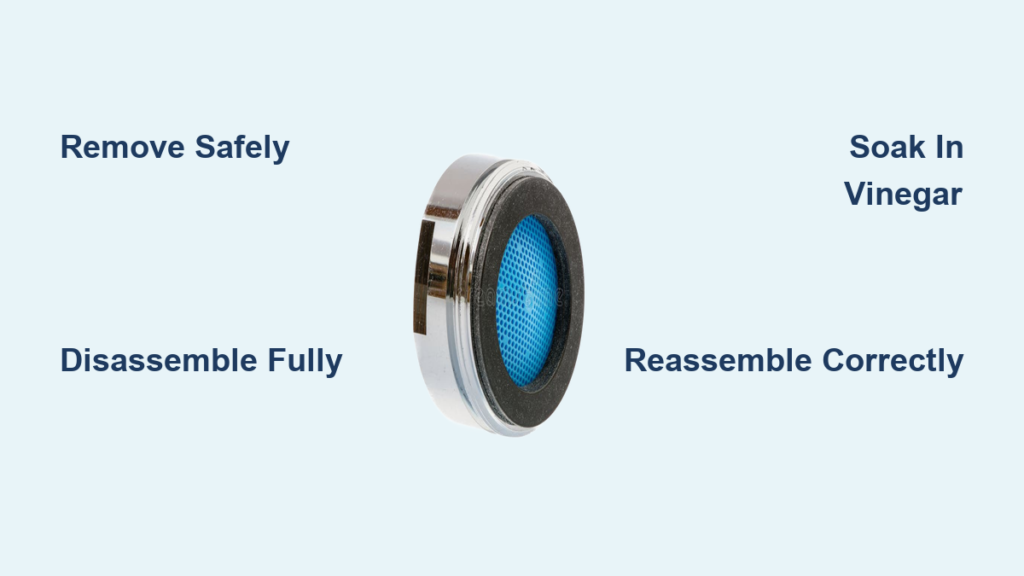
Quick fix: Remove the pop-up stopper and scrub it with a brush. Soak in vinegar if needed.
Prevention: Clean the stopper monthly and run hot water weekly.
Kitchen Sink Smells
Main culprits:
– Grease buildup that solidifies in pipes
– Garbage disposal debris stuck in blades or baffle
Disposal fix: Grind ice cubes and citrus peels to clean blades and freshen the unit.
Limitation: This only cleans the disposal, not the drain line. If smell persists, the problem is deeper.
For grease: Only hydro jetting or snaking removes solidified coating.
What NOT to Do: Common Mistakes
Avoid these actions. They can make the problem worse.
Don’t Use Chemical Drain Cleaners
Products like Drano are corrosive, can damage pipes, and release toxic fumes. They may clear a clog but won’t fix odor sources like biofilm or vent issues.
Better choice: Enzyme-based cleaners or professional service.
Don’t Ignore Persistent Smells
A lingering odor means an ongoing plumbing issue. It’s not just unpleasant. It could expose you to sewer gas (methane), which causes headaches, nausea, and long-term health risks.
Don’t Pour Boiling Water in Cold Pipes
As mentioned, this can crack PVC, leading to leaks and costly repairs. Stick to hot tap water unless you’re certain the pipes are warm.
Don’t Assume It’s Just “Dirty”
If the smell returns after cleaning, it’s not a hygiene issue. It’s a plumbing defect. Corrugated pipes, dry traps, or vent blocks need real fixes, not scrubbing.
When to Call a Plumber
Some problems require expert eyes and tools.
Call Immediately If:
- Smell persists after refilling the trap and cleaning the drain
- Multiple drains are affected
- You hear gurgling in pipes
- Slow drainage accompanies the odor
- You suspect a blocked vent or corrugated pipe
What a Pro Will Do
- Inspect with a sewer camera to see inside pipes
- Test the P-trap for cracks or dryness
- Check the vent stack for blockages
- Snake or hydro jet the line to remove buildup
- Replace corrugated pipes with smooth PVC
- Confirm the fix with a post-service test
Cost: Around $299 in Dallas, including camera inspection and a free bottle of Endure enzyme cleaner.
Bonus: Pipeline members get a $300 annual coupon for drain cleaning.
Prevent Smells Before They Start
Stop sewer odors before they happen with simple habits.
Daily Habits
- Rinse the sink after each use
- Wipe down surfaces with a microfiber cloth
- Empty strainers daily
- Clean sponges weekly (dishwasher or vinegar soak)
Weekly Routine
- Run water in unused sinks
- Deep clean the sink with baking soda and dish soap
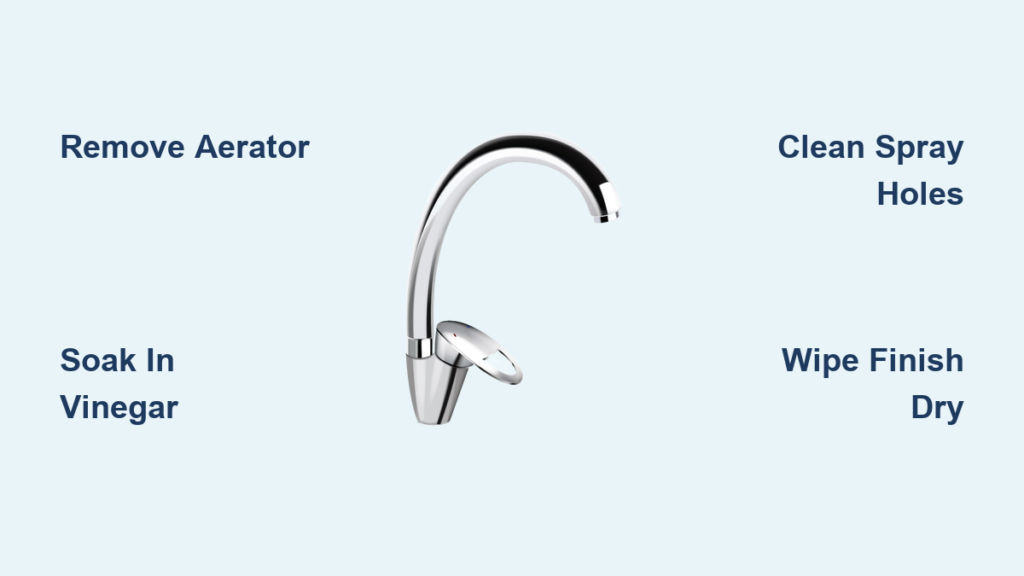
- Scrub around the drain and faucet base
Monthly Maintenance
- Pour enzyme cleaner down the drain
- Check for slow drainage
- Inspect under-sink pipes for damage
Every 1–2 Months
- Clean the P-trap:
1. Place a bucket underneath
2. Unscrew slip nuts
3. Remove and empty the trap
4. Rinse and scrub
5. Reinstall and tighten
Long-Term Solutions for a Permanent Fix
For a permanent end to sewer smells, upgrade your system.
Replace Corrugated Pipes
Switch to smooth PVC, the standard in professional plumbing. It prevents buildup and ensures clean drainage.
Install Quality P-Traps
Use chrome or PVC traps with tight seals. Avoid cheap, thin materials that crack easily.
Schedule Annual Inspections
Have a plumber perform a sewer camera inspection once a year, especially if you’ve had issues before.
Use Enzyme Cleaners Regularly
Endure by American Formula is a plumber-recommended product that breaks down organic matter without harming pipes.
Frequently Asked Questions About Sewer Smells From Sinks
Why does my sink smell like rotten eggs?
A rotten egg smell means hydrogen sulfide gas is present. Bacteria produce this gas when they break down organic matter in the drain. Common sources include biofilm buildup, food debris trapped in corrugated pipes, or a dry P-trap allowing sewer gas to enter your home.
How do I know if I have a dry P-trap?
If the sink hasn’t been used for several weeks and suddenly smells like sewage, a dry P-trap is the most likely cause. Run water for 10–60 seconds. If the smell disappears, the trap was dry.
Is sewer gas dangerous?
Yes. Prolonged exposure to methane in sewer gas causes headaches, nausea, and other health issues. It also indicates a breach in your plumbing system that needs professional attention.
Why does my sink smell worse after rain?
This pattern suggests a blocked sewer vent. Rain can worsen vent blockages or push water into the vent system, forcing sewer gases back into your home.
Can baking soda and vinegar clear a smelly drain?
Baking soda and vinegar may help with light deodorizing but cannot remove biofilm or dissolve heavy buildup. For persistent odors, professional drain snaking or hydro jetting is more effective.
How much does professional drain cleaning cost?
In Dallas, standard drain cleaning starts at $299 and includes a video camera inspection and a free bottle of Endure enzyme cleaner. Pipeline members receive a $300 annual coupon for drain cleaning services.
Key Takeaways for Eliminating Sink Sewer Smells
A sewer smell coming from your sink is never normal. The most common causes include dry P-traps, biofilm buildup, clogged drains, corrugated pipes, and blocked sewer vents. Start with the simplest fix: run water for 10–60 seconds to refill a dry trap. If the smell persists, inspect for corrugated pipes under the sink or biofilm deep in the drain line.
For persistent odors, especially when multiple drains are affected, call a licensed plumber. Ignoring the problem risks health issues from sewer gas exposure and costly water damage from cracked or leaking pipes. Use the diagnostic tips in this guide to identify the cause, apply the right solution, and establish a simple maintenance routine to keep your sinks fresh and odor-free.