A pedestal sink isn’t just a nostalgic nod to vintage charm. It’s a smart, stylish choice for modern bathrooms where every inch matters. Whether you’re remodeling a powder room under the stairs or refreshing a narrow hallway half-bath, these sinks deliver a sleek silhouette that opens up floor space and draws the eye upward. With no bulky cabinetry in the way, even the smallest bathroom feels intentional, airy, and elegant.
Simplicity does not mean limitation. A well-designed pedestal sink bathroom can feel bold, luxurious, and full of personality. From dramatic wallpaper to sculptural lighting and curated accessories, every detail becomes a design statement when the sink takes center stage. The key is balancing minimalism with thoughtful choices, selecting finishes, colors, and storage solutions that elevate function without sacrificing form.
In this guide, you’ll discover how to style a pedestal sink bathroom for maximum impact. From DIY makeovers and tile pairings to lighting tricks and storage hacks, you’ll learn how to keep essentials within reach without cluttering your clean aesthetic.
Maximize Small Bathrooms With Pedestal Sinks

Pedestal sinks truly shine in compact spaces where every inch counts. Their slim footprint leaves more floor visible, instantly making small bathrooms feel larger and less confined. Unlike vanities that crowd the room, pedestal sinks open up sightlines and allow easier movement. This makes them ideal for powder rooms tucked under stairs or squeezed into narrow hallways.
Because these sinks are wall-mounted, they create a floating effect that enhances the sense of airiness. No cabinets block light or collect dust, which makes cleaning easier and keeps the room feeling brighter. For best results, pair the sink with light-colored walls and large-format tiles to amplify the spacious illusion. Keep fixtures minimal and finishes cohesive to maintain visual flow throughout the room.
Choose the Right Sink Size
Not all pedestal sinks are created equal. Measure your space before selecting a model, since standard widths range from 18 to 24 inches. A sink that’s too wide will dominate the room, while one that’s too narrow may look out of proportion. Opt for a compact model (18 to 20 inches) in ultra-tight spaces.
Ensure at least 30 inches of clearance on all sides for comfortable use. If plumbing lines up perfectly, consider a corner pedestal sink to save even more space in your small bathroom layout.
Avoid Common Layout Mistakes
Placing the sink too close to the door or toilet disrupts flow. Maintain at least 21 inches from the sink’s centerline to any adjacent fixture or wall. Avoid deep recesses behind the sink, and since pedestal units require wall support, ensure studs align with mounting brackets.
Remember that while pedestal sinks save floor space, they offer zero storage. Plan for alternative solutions early, such as wall niches or floating shelves, so you don’t end up with toiletries cluttering the floor.
Refresh With a DIY Pedestal Sink Makeover
Give an old pedestal sink new life with a simple paint or epoxy transformation. Instead of replacing it, a well-executed refresh can match your current decor, whether you’re going for modern minimalist, vintage glam, or rustic charm. This approach saves money, reduces waste, and delivers results that can look professionally installed for years to come.
Prep the Surface Properly
Start by removing the sink if possible, or masking off surrounding areas. Clean thoroughly with soap and water to remove soap scum and grime, then let dry completely. Lightly sand the porcelain or ceramic surface with medium-grit (150 to 220) sandpaper to create texture for the primer to grip. Wipe away dust with a tack cloth. Never skip this step, since smooth, glossy surfaces repel paint without proper abrasion.
Apply Primer and Paint
Use a high-adhesion bonding primer designed for slick surfaces like porcelain or tile. Apply thin, even coats and let dry as directed, usually 2 to 4 hours. For the topcoat, choose a bathroom-safe epoxy or ceramic paint. Apply 2 to 3 thin layers with a high-quality brush or mini roller, allowing full drying time between coats. Avoid thick applications to prevent drips and bubbles.
Seal for Durability
Once painted, protect your work with a clear, water-resistant sealant. A matte or satin polyurethane formulated for wet areas will guard against moisture and cleaning products. Reinstall the sink only after the final coat has cured, typically 48 to 72 hours. Test with a damp cloth first to ensure proper adhesion.
Style Your Pedestal Sink by Design Theme
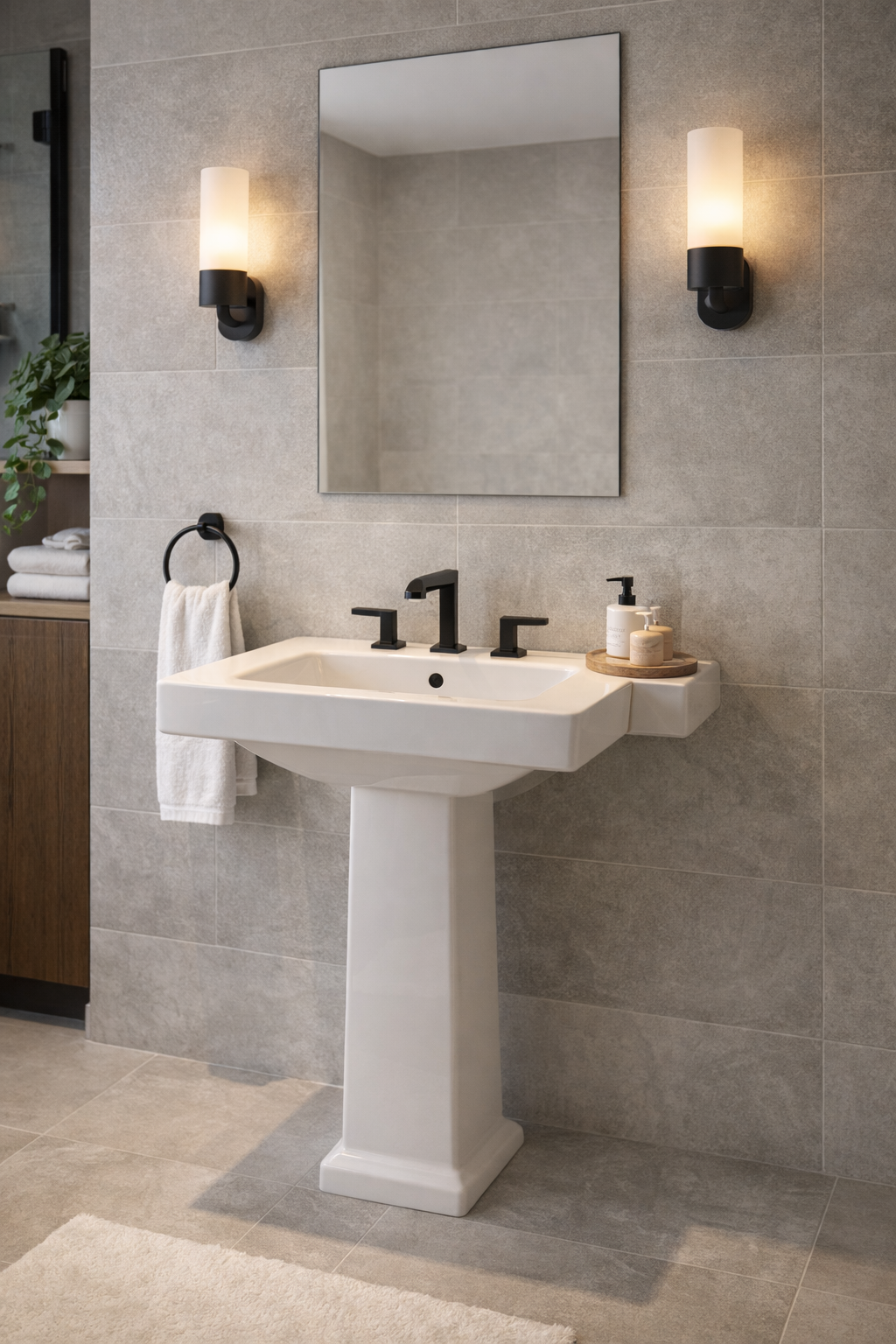
Pedestal sinks are design chameleons. With the right finishes and accessories, they can anchor a range of aesthetics from sleek modern to vintage elegance. Choose a theme that reflects your home’s character and your personal taste. Because the sink is exposed, its color and shape become focal points. Pair it with complementary hardware, mirrors, and wall treatments to create a cohesive look.
Modern Minimalist Look
Go monochrome with a white or light gray sink, chrome or matte black fixtures, and clean-lined hardware. Keep the area uncluttered and focus on symmetry and negative space. Use recessed lighting, frameless mirrors, and large-format tiles in neutral tones. The result is a calm retreat that feels both contemporary and timeless.
Vintage Glamour Vibe
Choose a soft pastel sink like blush pink, sage green, or powder blue, and pair it with a retro-inspired faucet in brushed brass or nickel. Add a round mirror with a delicate metal frame and sconces with fabric shades. Wallpaper with floral or damask patterns enhances the nostalgic feel. A small rug, crystal soap dispenser, and framed art complete the look.
Rustic Charm Approach
Opt for a distressed paint finish on the pedestal, such as whitewashed wood or weathered gray. Pair with a hammered metal faucet and a natural wood shelf above. Use stone-look tiles or terracotta flooring. Add a woven basket for towel storage and a potted herb or dried eucalyptus for organic texture.
Add Smart Storage Solutions

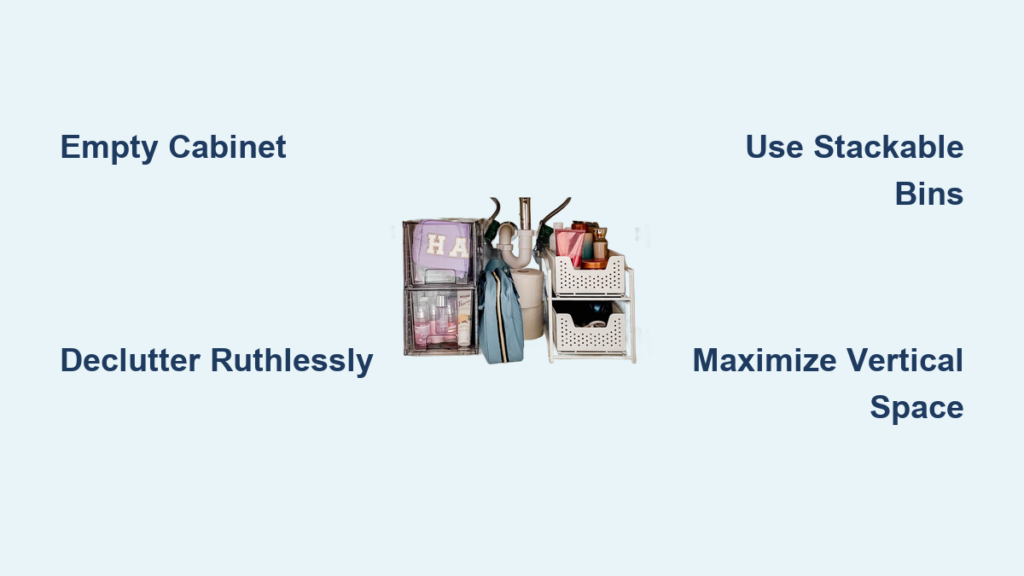
No countertop or cabinet? No problem. The absence of storage in pedestal sink bathrooms demands creativity, but it also encourages a clutter-free, curated space. Focus on vertical storage and hidden organization. Every item should have a designated home, and only essentials should be visible.
Install Wall-Mounted Shelves
Floating shelves in wood, metal, or glass provide display and storage without blocking light. Mount one above or beside the sink for hand soap, a small plant, or folded towels. Keep shelves narrow (6 to 8 inches deep) to avoid crowding, and style with just 2 to 3 items to maintain minimalism.
Use Recessed Niches
Cut a shallow niche into the wall beside or behind the mirror for storing toothbrushes, cotton balls, or perfume. Frame it with tile for a built-in look. Niches use wall depth instead of floor space, making them great for tight spaces. Add LED strip lighting inside for a luxurious touch.
Choose Slim Floating Cabinets
If you need more storage, install a narrow floating cabinet above the toilet or on an adjacent wall. Look for models with concealed hinges and soft-close doors. Keep finishes consistent with your faucet and mirror frame. A single drawer or two shelves are often enough for a powder room.
Elevate With Bold Walls

With the sink as a minimalist anchor, your walls become the canvas. This is where you can take risks with dark paint, bold patterns, or textured finishes that would overwhelm a room with a bulky vanity. A dramatic backdrop turns a utilitarian space into a design moment.
Pick High-Impact Wallpaper
Go for abstract geometrics, botanical prints, or black-and-white photography murals. Even a single accent wall behind the sink makes a statement. Choose vinyl or washable paper for durability, and avoid overly busy patterns. Large-scale designs work best in small spaces.
Try Deep Paint Colors
Charcoal, navy, moss green, or deep plum create instant sophistication. These tones contrast beautifully with a white sink and bright fixtures. Use matte or eggshell finishes to reduce glare and add depth. Pair with warm lighting (2700K to 3000K) to keep the space feeling cozy rather than cave-like.
Explore Textured Finishes
Limewash paint adds subtle variation and movement to walls, giving them an organic, handcrafted feel. It works especially well in vintage or Mediterranean-inspired designs. Concrete-look or tadelakt finishes also add tactile interest for high-end results.
Upgrade Tile and Flooring Choices
Tile is a powerhouse in pedestal sink bathrooms. With more floor and wall space exposed, your choice of tile sets the tone for the entire room. Large tiles reduce grout lines, making the space feel larger and easier to clean.
Use Large-Format Tiles
Choose 12×24 inch or larger porcelain or ceramic tiles for both floor and walls. A seamless look where wall and floor tiles match or coordinate creates continuity and elegance. Lay tiles vertically to make ceilings appear higher, or horizontally to widen narrow rooms. Avoid busy patterns that compete with bold walls.
Select Modern Tile Materials
Concrete-look, terrazzo, and stone-veined porcelain tiles are excellent choices for their durability and style. Terrazzo adds subtle speckled texture, while concrete offers industrial cool. For warmth, try matte-finish tiles in warm gray or beige. Avoid high-gloss floors that show water spots and scratches.
Keep Flooring Simple
Light-colored floors reflect more light and enhance openness. If you prefer dark floors, use area rugs or a runner to define the space and add softness. Ensure flooring is slip-resistant, especially in homes with kids or elderly visitors.
Illuminate Your Bathroom With Purpose
Lighting is both functional and decorative in pedestal sink bathrooms. With no vanity to hide fixtures, every sconce or pendant is on display. Strategic lighting enhances usability and ambiance, making the space welcoming day or night.
Install Flattering Sconces
Place wall sconces at eye level on either side of the mirror to eliminate facial shadows. This setup is ideal for grooming and creates a spa-like glow. Choose fixtures with adjustable arms or diffused shades for even light distribution, and match the finish to your faucet and hardware.
Add a Statement Pendant
If ceiling height allows, hang a single pendant above the sink. Opt for clean, sculptural shapes in glass, metal, or ceramic. A dimmable pendant lets you shift from bright task lighting to soft mood lighting, creating a hotel bathroom vibe.
Control With Dimmers
Install a dimmer switch to adjust brightness throughout the day. Start with 100% for morning routines, then dial down to 30% for relaxation. Use warm white bulbs (2700K to 3000K) for comfort, or cool white (3500K to 4000K) if you prefer a crisp, modern feel.
Make the Mirror a Focal Point

In a pedestal sink bathroom, the mirror is the centerpiece. Without a countertop, it becomes the main horizontal element, so its size, shape, and frame matter. A well-chosen mirror reflects light, enhances space, and ties the design together.
Choose Oversized or Frameless Options
A large, frameless mirror maximizes reflection and makes the room feel twice as big. This works perfectly for minimalist and modern spaces. Extend the mirror from countertop to ceiling for dramatic effect, and mount it directly to the wall for a seamless look.
Pick Stylish Frames
A thin metal frame in matte black, brushed brass, or chrome adds subtle detail without overwhelming. Round or oval mirrors soften angular rooms. For vintage flair, choose an ornate frame in gold or distressed wood, ensuring it doesn’t clash with other finishes.
Hang at the Right Height
Center the mirror so the top is 78 to 80 inches from the floor. The bottom should sit 4 to 6 inches above the sink rim. If using sconces, align the mirror edges with the fixture bases for visual balance.
Match Hardware and Finishes
Cohesion is key in a small bathroom, where mismatched metals look chaotic. Stick to one finish across all fixtures and accessories to unify the space and make it feel intentional.
Select a Unified Finish
Choose one metal, such as matte black, brushed brass, polished chrome, or oil-rubbed bronze, and use it on every element:
– Faucet
– Towel ring
– Toilet paper holder
– Light fixtures
– Cabinet pulls (if present)
Even small items like switch plates should match or be painted to coordinate.
Avoid Mixing Metals
While mixing metals is trendy in larger spaces, it’s risky in small bathrooms. One dominant finish keeps the eye moving smoothly. If you must mix, keep one metal at 80% dominance. For example, use brushed brass for lights and faucet, and chrome only in mirror accents.
Curate Minimal Accessories
With no counter space, every accessory must earn its place. This forces you to edit so that only the most beautiful or useful items stay. Think of it as capsule styling: fewer pieces, higher impact.
Display Only Essentials
Keep it to three items maximum:
– A soap dispenser in glass, ceramic, or metal
– A small dish for rings or keys
– A neatly folded hand towel on a ring or hook
Choose items that match your color scheme and material palette, such as stone, glass, linen, or matte metal.
Use Hooks and Rings
Install a single towel hook or ring on the wall or side of the pedestal. Hang one plush hand towel in a soft, textured fabric. Avoid multiple towels that create clutter, and use a basket or shelf nearby for spares.
Bring in Art and Greenery
Plants and art add warmth and personality to an otherwise hard-surfaced room. They soften edges and introduce organic contrast. Even a small piece can transform the space from sterile to inviting.
Hang One Bold Art Piece
Choose a single large artwork, such as black-and-white photography, abstract line drawing, or a vintage print. Frame it simply in thin metal or wood. Hang it at eye level on the wall opposite or beside the sink, and avoid gallery walls that overwhelm small spaces.
Add Low-Maintenance Plants
Snake plants, pothos, or ZZ plants thrive in low light and need little water. Place one in a ceramic pot on a shelf, or hang a trailing plant in a macramé holder. If natural light is poor, use high-quality faux greenery with realistic textures and avoid plastic-looking leaves.
Create Contrast and Balance
Contrast prevents a minimalist bathroom from feeling flat. Play with light and dark, smooth and textured, hard and soft. The goal is visual interest without clutter.
Pair Light Sinks With Dark Walls
A white pedestal sink pops against charcoal or navy walls. This classic combination feels modern and sophisticated. Balance with light flooring or a large mirror to prevent the room from feeling too heavy.
Mix Fixture Finishes Strategically
While sticking to one metal is safest, you can introduce contrast through shape and texture. For example, pair a sleek chrome faucet with a matte black mirror frame if both are minimalist in design. Ensure shapes are consistent (all geometric or all rounded) to maintain harmony.
Ensure Long-Term Style
A pedestal sink bathroom can stay fresh for years with small updates. The sink itself is timeless, so focus on changeable elements to keep the space current. This approach saves money and reduces renovation fatigue.
Refresh With Paint or Wallpaper
Change the wall color or paper every 5 to 7 years to modernize the look. Swap out a dark wall for a light textured finish, or vice versa. Update the mirror or lighting for an instant facelift.
Replace Fixtures and Textiles
Swap the faucet, towel ring, or soap dispenser for a new finish. Update towels, rugs, and art seasonally for a fresh feel. Even new hardware can make an old sink look brand new.
Frequently Asked Questions About Pedestal Sink Bathrooms
Are pedestal sinks good for small bathrooms?
Yes, pedestal sinks are excellent for small bathrooms because their slim footprint exposes more floor space and creates a floating effect. They make even tiny powder rooms feel less confined and more open compared to bulky vanities.
How do you add storage to a bathroom with a pedestal sink?
Since pedestal sinks offer no built-in storage, consider wall-mounted floating shelves, recessed niches in the wall, or slim floating cabinets on adjacent walls. These vertical solutions keep essentials accessible without cluttering the floor or breaking up the clean aesthetic.
Can you paint a pedestal sink?
Yes, you can paint a pedestal sink using high-adhesion bonding primer and bathroom-safe epoxy or ceramic paint. Proper surface preparation with sanding is essential, and a clear water-resistant sealant protects the finish for long-lasting results.
What style of faucet works best with a pedestal sink?
The best faucet style depends on your overall design theme. Chrome and matte black complement modern minimalist looks, while brushed brass or nickel pairs well with vintage glamour. Most importantly, choose a finish that coordinates with your other hardware for a cohesive appearance.
How much clearance do you need around a pedestal sink?
You need at least 30 inches of clearance on all sides of a pedestal sink for comfortable use. Additionally, maintain at least 21 inches from the sink’s centerline to any adjacent fixture or wall to ensure proper flow and functionality.
Do pedestal sinks work in modern bathrooms?
Absolutely. Pedestal sinks fit seamlessly into contemporary interiors when styled with intention. They age gracefully and don’t date like trend-driven vanities, making them a timeless foundation for modern powder rooms, guest bathrooms, and primary suites alike.
Key Takeaways for Pedestal Sink Bathroom Design
A pedestal sink bathroom is more than a space-saving solution. It’s a design opportunity waiting to be unlocked. By embracing minimalism, focusing on strategic lighting, and curating every detail, you can transform a small powder room into a high-impact, timeless retreat.
The three most important principles to remember: first, prioritize cohesion by selecting one finish for all metal elements throughout the space. Second, make storage intentional with vertical solutions like floating shelves and recessed niches that preserve your clean aesthetic. Third, let your walls do the talking since the sink is intentionally minimalist, giving you freedom to experiment with bold wallpaper, deep paint colors, or textured finishes.
Ready to begin? Start by measuring your space and choosing a sink size that fits your proportions. From there, select your design theme, source your hardware in one unified finish, and build outward with lighting, mirrors, and accessories. Your pedestal sink will remain the elegant heart of the room for years to come.