A stripped faucet handle is one of the most frustrating yet common household plumbing issues. You turn the handle, but it spins uselessly, refusing to control water flow or temperature. This failure does not mean the faucet is broken. Often the valve beneath still works perfectly. The problem lies in the mechanical connection between the handle and the stem. When splines wear down, set screws loosen, or internal threads deform, the handle loses grip. Whether it is a sink or shower faucet, this issue can develop over time due to age, hard water, over-tightening, or poor-quality parts. The good news? Most stripped faucet handle repairs are DIY-friendly and require only basic tools. In this guide, you will learn how to diagnose the exact cause, choose the best repair method for your model, and apply long-term fixes that prevent recurrence without damaging finishes or creating future headaches.
Replace the Faucet Cartridge or Stem
When your handle spins freely but the valve still functions, the stem or cartridge is likely worn. Replacing it restores full engagement and is the most durable fix for both sinks and showers.
Diagnose Stem vs. Handle Failure
Before disassembling, determine whether the stem or handle is at fault. Remove the handle and inspect the end of the stem. Look for flattened splines, rounded grooves, or corrosion. If the ridges appear shallow or smooth, the stem is stripped. Test the handle on the opposite valve. If it grips securely, the original stem is the issue. Also, manually rotate the exposed stem with pliers. If it turns smoothly and shuts off water completely, the valve is functional. Only the handle interface has failed.
Shut Off Water and Remove Handle
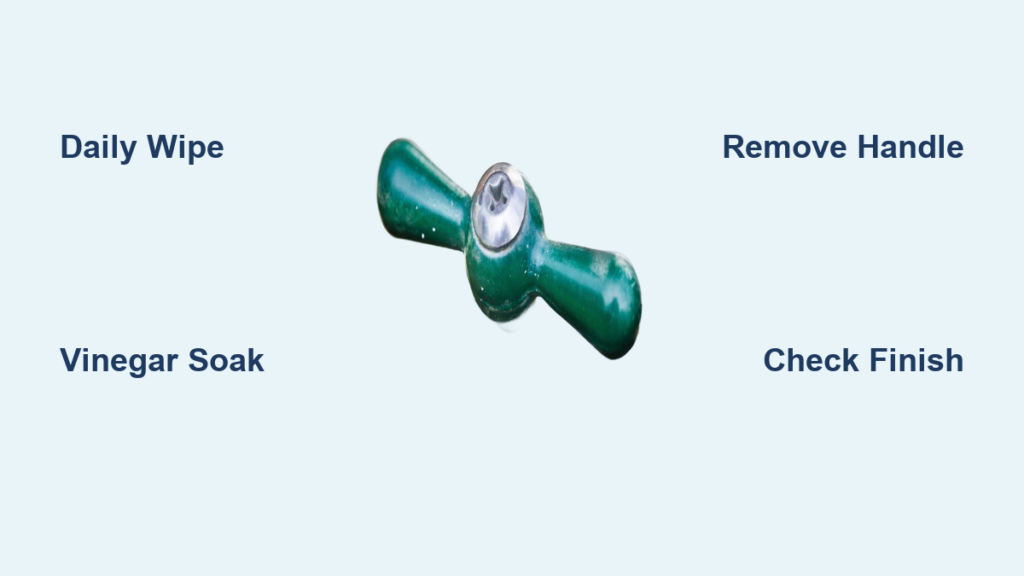
Turn off the water supply under the sink or main shutoff for showers. Open the faucet to drain residual pressure. Cover the drain to avoid losing small parts. Use a flathead screwdriver to pry off the decorative cap, which is often red for hot and blue for cold. Expose the set screw, which is usually a 1/8″ or 5/32″ Allen screw, and remove it with the correct key. Gently pull the handle straight off. If stuck, wiggle it slightly or use a handle puller. Never force it, as this can damage internal components.
Extract and Replace the Cartridge
Loosen the locking nut with an adjustable wrench. Some models have a small brass screw on top of the cartridge. Remove it and keep it safe. Lift the old cartridge straight out. Inspect it for worn splines, damaged O-rings, or deformed washers. Take the old unit to a hardware store to match length, spline count, thread pitch, and O-ring placement. Brands like Moen, Delta, and Sayco have model-specific cartridges. Exact matching is critical for proper function.
Install New Cartridge and Reassemble
Insert the new cartridge with proper orientation. Some have alignment tabs that must fit into corresponding slots. Reinstall the brass screw if your model uses one. Hand-start the locking nut, then tighten firmly without over-torquing. Slide the handle back on, insert the set screw, and tighten securely. Replace the decorative cap. Turn water back on slowly and test operation. Confirm full shutoff and smooth rotation. Check for leaks at the base.
Pro Tip: Aftermarket cartridges vary in quality. If the new stem does not seal, try a different brand. Even if splines match, internal washers may be subpar and cause leaking.
Replace the Handle Only If Stem Is Intact
If the stem is in good condition but the handle internal teeth are worn, replacing just the handle is faster and avoids plumbing disassembly.
Confirm Handle Is the Problem
After removing the handle, inspect its interior hub. If the splines or teeth are rounded or cracked, the handle is stripped. Test-fit it on a known-good stem if possible. If it slips, replacement is needed. This method works best on modern faucets from Moen, Delta, Kohler, and Pfister, especially those under lifetime warranty.
Source Exact Replacement Handle
Contact the manufacturer with your model number. Moen, for example, often provides free replacement parts for faucets under their lifetime warranty. Ensure the new handle matches the finish, such as chrome or brushed nickel, and includes a matching decorative cap. Some handles come with a thin rubber gasket. This prevents loosening over time and should always be installed.
Install With Thread Locking and Grip Protection
Slide the rubber gasket onto the stem before attaching the new handle. Hand-start the handle, then use blue Loctite Quick Tape on the set screw threads. This PTFE-based tape provides medium-strength locking, resists vibration, and allows future removal without heat. Tighten the set screw firmly. To avoid scratching chrome, place an extreme-durability Post-It note over the handle surface and use your fingers or a soft-jawed tool to grip it during tightening.
User Insight: This method restored full function without accessing plumbing. It is ideal for renters or quick fixes where modifying plumbing is not desirable.
Use a Custom Reinforcement Nut for Obsolete Models
When replacement handles are unavailable, which is common with older shower valves, a custom reinforcement nut can mechanically secure a stripped handle.
Identify When This Fix Is Needed
If your faucet model is discontinued or no compatible parts exist, and the handle spins despite tightening, a reinforcement nut offers a temporary but functional solution. It is especially useful in apartments or historic homes where full valve replacement is not feasible.
Install the Reinforcement Nut

Loosen the stripped handle so it rotates freely on the stem. Slide the custom-fabricated metal nut onto the stem. It must match the stem diameter precisely. The nut has two opposing threaded holes for Allen-head screws, typically M3 to M5 stainless steel. Position the handle, then insert and gradually tighten the side screws. They press against the handle outer surface, transferring torque even if internal splines are damaged.
Test and Monitor Performance
Turn the handle to confirm water flow and temperature control. While this restores basic operability, it is not a permanent fix. Users report inconsistent temperature control and the need for re-tightening every 6 to 12 months. The nut does not address underlying valve issues, so plan for eventual full replacement.
Community Note: Some users offer to fabricate these nuts for others. Search online forums or plumbing communities for support if you need a custom solution.
Try Temporary Fixes With Caution
When immediate repair is not possible, stopgap solutions can restore limited function, but they come with risks.
Wrap Stem With Teflon Tape
Clean the stem splines and wrap 1 to 2 layers of plumber tape around them before reinstalling the handle. This adds slight thickness and may improve grip. However, tape compresses under pressure and rarely provides lasting hold. Use this only as a short-term measure while you source proper parts.
Shim With Metal Strip
Cut a thin strip of brass or stainless steel shim stock and wrap it around the stem. This creates a tighter fit inside the handle hub. For added security, apply a drop of removable epoxy. This method is more durable than tape but still temporary. Avoid over-tightening to prevent cracking plastic handles.
Avoid Permanent Adhesives
Some suggest using Gorilla Glue or super glue to bond the handle to the stem. Do not do this. These adhesives create irreversible bonds, making future repairs nearly impossible. Glue can also seep into the valve, causing blockages or seizing. Thermal expansion weakens the bond over time, leading to sudden failure.
Expert Warning: Adhesives mask problems and complicate professional repair. Use them only in true emergencies when no other option exists.
Prevent Future Handle Stripping
A repaired handle should not fail again. Apply these preventive measures during reassembly to extend service life.
Use Thread Locking Agents
Apply blue Loctite Quick Tape or Loctite 242 liquid to set screw threads. The tape is cleaner, reusable, and provides just enough resistance to prevent loosening from vibration or thermal cycling. It allows future disassembly without tools or heat.
Install Anti-Backout Gaskets
Place a thin rubber gasket, approximately 1/8 inch thick, between the handle base and fixture. This acts like a lock washer, preventing the handle from backing out over time. It is often included with replacement handles. Always install it if present.
Lubricate Splines and O-Rings
Apply silicone-based grease to the stem splines and O-rings before reassembly. This reduces friction, prevents corrosion, and extends component life. Never use petroleum-based lubricants. They degrade rubber seals and cause long-term damage.
Tighten Properly Without Damage
Avoid metal pliers that scratch chrome or damage finishes. Instead, use an extreme-durability Post-It note as a grip enhancer. Its high-tack adhesive provides traction without marring surfaces. Tighten the set screw firmly, but do not over-torque. This can strip threads or crack plastic components.
Inspect Annually
Once a year, check for handle wobble. If it moves side-to-side, remove the cap and tighten the set screw. Clean mineral buildup from the base to maintain proper seating and prevent premature wear.
Fix Related Issues After Repair
Even a successful handle fix can reveal other problems. Address these common post-repair issues promptly.
Restore Full Water Flow
If flow drops to 30% after repair, debris may be blocking the system. Remove and clean the aerator. Check that the cartridge is fully seated and aligned. Inspect supply lines for kinks. Briefly flush the valve body with the cartridge removed to clear sediment.
Stop Base Leaks
Leakage from under the handle often means damaged O-rings or improper torque. Replace aged or shrunken O-rings. Ensure the locking nut is tight but not cross-threaded. While some debate the purpose of the O-ring near the stem tip, retaining it helps prevent water migration and aids alignment.
Ensure Complete Shutoff
If water continues to flow when the handle is closed, the issue is not the handle. It is the valve. The replacement stem washer may be low-quality or improperly seated. Try a neoprene or high-grade rubber washer. If the problem persists, the valve seat may be damaged. Use a flashlight to locate the hexagonal seat and replace it with a seat wrench.
Key Insight: Handle grip and valve sealing are independent issues. A worn stem can still seal perfectly, so do not assume replacement will fix leaks.
Choose the Right Method for Your Faucet
Not all fixes work for every model. Match the repair to your faucet type and parts availability.
Modern Faucets With Warranty Support
For Moen, Delta, or Kohler models under 15 years old, replace the handle using manufacturer-supplied parts. These brands often offer free replacements. Use Loctite tape and a gasket for long-term hold.
Older Shower Valves With No Parts
When no replacement exists, the custom reinforcement nut is the only viable option. It keeps the shower usable until full valve replacement is possible.
Hard Water Environments
In areas with high mineral content, annual maintenance is essential. Clean, lubricate, and inspect handles every year. Use stainless steel or brass components where possible. They resist corrosion better than plastic.
Renters Needing Non-Destructive Fixes
Avoid permanent modifications. Use shimming or grip aids instead of adhesives. These are removable and will not violate lease terms or damage fixtures.
Key Takeaways for Fixing Your Stripped Faucet Handle
Fixing a stripped faucet handle typically takes 30 to 60 minutes with the right tools and parts. While some claim it is a 10-minute job, real-world challenges like sourcing correct cartridges, dealing with seized screws, or fixing secondary leaks often extend the time. The most reliable long-term fix is replacing the cartridge or stem, especially when the internal components are worn. For modern faucets from major brands, simply replacing the handle with an OEM part plus thread locker and gasket usually solves the problem. Temporary measures like Teflon tape or shimming can buy time, but avoid permanent adhesives that create irreversible damage. By following this guide, you will not only restore function but also prevent future failures. Always bring the old part to the store for matching, inspect all components during disassembly, and apply thread-locking agents during reassembly. With proper care, your faucet can last decades.
Frequently Asked Questions About Fixing a Stripped Faucet Handle
How do I know if the faucet stem or handle is stripped?
Remove the handle and inspect the stem splines. If they appear flattened, rounded, or worn smooth, the stem is stripped. Test the handle on the opposite valve stem. If it grips securely there, the original stem is the problem. You can also manually rotate the stem with pliers. If it shuts off water completely, the valve works. Only the handle connection has failed.
Can I fix a stripped faucet handle without replacing parts?
Temporary fixes include wrapping Teflon tape around the stem splines or shimming with a thin metal strip. These methods may provide limited function for a short time. However, they are not permanent solutions. Permanent adhesives like Gorilla Glue are not recommended because they make future repairs impossible and can damage the valve.
How long does it take to fix a stripped faucet handle?
Most repairs take 30 to 60 minutes, including diagnosis and testing. Simple handle replacements may take less time if parts are readily available. Complex jobs involving seized components or hard water damage can take longer. Plan for extra time if you need to source specific replacement parts.
Should I call a plumber or fix it myself?
DIY is appropriate if the faucet has available replacement parts and you are comfortable with basic tools. Call a plumber if multiple replacement stems fail to seal, if water leaks persist after reassembly, if the valve seat is damaged, or if you are uncomfortable working under sinks. Professional repair typically costs $150 to $300 for labor plus parts.
How do I prevent my faucet handle from stripping again?
Apply blue Loctite Quick Tape to set screw threads during reassembly. Always install the rubber gasket that prevents backout. Use silicone grease on splines and O-rings. Avoid over-tightening with metal tools that damage finishes. Inspect annually for wobble and retighten as needed.