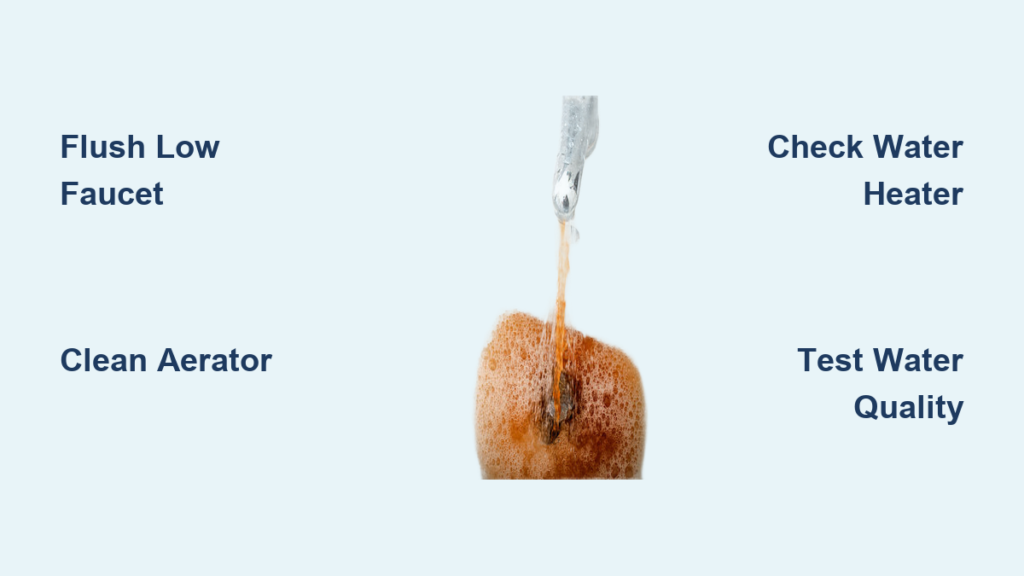
Brown water from your faucet can be alarming. Rusty, discolored water might make you wonder if it is safe to drink, shower, or even do laundry. While brown tap water is not always dangerous, it is a clear sign that something is off in your plumbing or water supply. The discoloration usually comes from rust, sediment, or mineral buildup, and the cause determines whether it is a quick fix or a long-term repair.
The good news is that most cases of brown water are fixable. Some resolve in minutes with simple cleaning, while others require professional help. Whether the problem affects only your hot water, a single fixture, or your whole house, this guide will help you diagnose the source, take immediate action, and implement lasting solutions.
Identify the Source Pattern
Check Hot vs. Cold Water
Start by testing each water type at the same faucet. Turn on cold water first and let it run for 30 seconds. Is it brown? Then switch to hot water and repeat.
Only hot water is brown typically indicates sediment or corrosion in your water heater. Only cold water is brown points to problems in your supply lines, possibly from galvanized pipes or service line corrosion. When both hot and cold are brown, this suggests a whole-house issue such as municipal disturbance, corroded main lines, or well contamination.
This simple test narrows down over 90% of causes and directs your next steps.
Test Multiple Fixtures
Go to different faucets around your home, such as the kitchen, bathroom, and basement, and check each one.
All fixtures affected means a system-wide issue involving your pipes, service line, or municipal supply. Only one fixture brown indicates a likely clogged aerator, localized pipe corrosion, or faulty valve.
If only your bathroom sink runs brown, do not panic. Clean the aerator first before assuming major plumbing failure.
Observe When It Occurs
Timing reveals a lot about the cause of brown water.
Brown water every morning for 5 to 10 seconds, then clears, suggests first-draw rust from stagnant water sitting in corroded pipes overnight. Sudden onset after construction or fire hydrant use likely indicates temporary sediment from municipal lines. After heavy rain, especially for well users, surface runoff may have contaminated your well.
Tracking patterns helps distinguish between temporary events and chronic problems needing repair.
Flush to Clear Discolored Water
Run Cold Water at Lowest Faucet
If brown water just appeared, start flushing by going to the lowest point in your home, such as a basement sink or outdoor spigot. Run cold water at full flow for 5 to 15 minutes.
Use cold water because hot water draws from the heater, which could worsen discoloration if sediment is present. Start at the lowest faucet because gravity pulls sediment downward, so starting low helps push it out efficiently.
If water clears within minutes, it was likely a temporary spike such as from a water main break or hydrant flushing.
Flush the Water Heater
If only hot water is brown, your water heater is the culprit.
Follow these steps to flush your water heater. Turn off the power or gas supply. Attach a garden hose to the drain valve at the bottom. Open the pressure relief valve to allow air in. Open the drain valve and let 3 to 5 gallons flow into a bucket. Watch the water closely, and once it runs clear, close the valve. Refill the tank before restoring power.
Perform this annual maintenance to prevent future buildup. If water stays brown after flushing, the anode rod may be depleted or the tank lining corroded, and both situations require replacement.
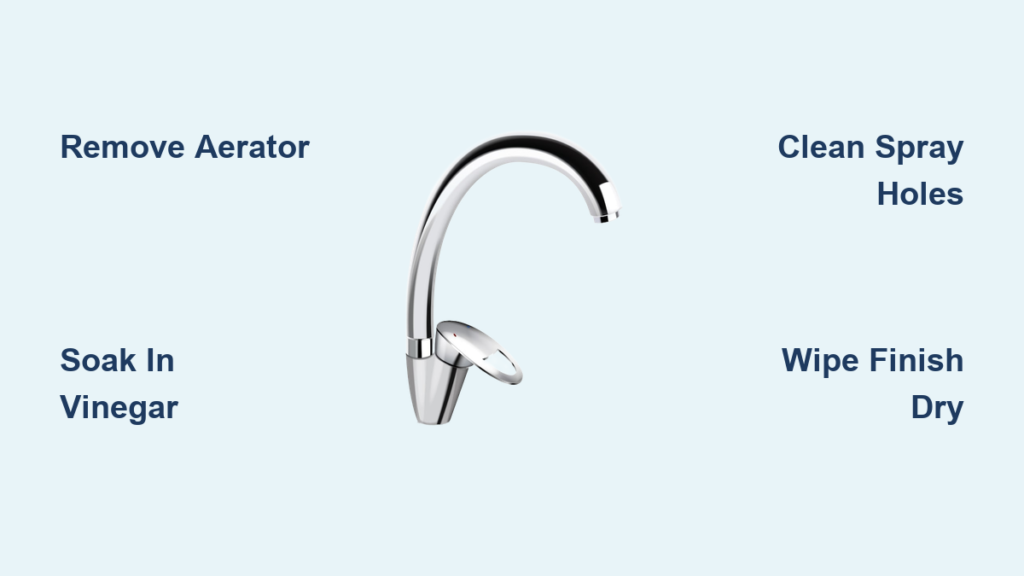
Clean Faucet Aerators
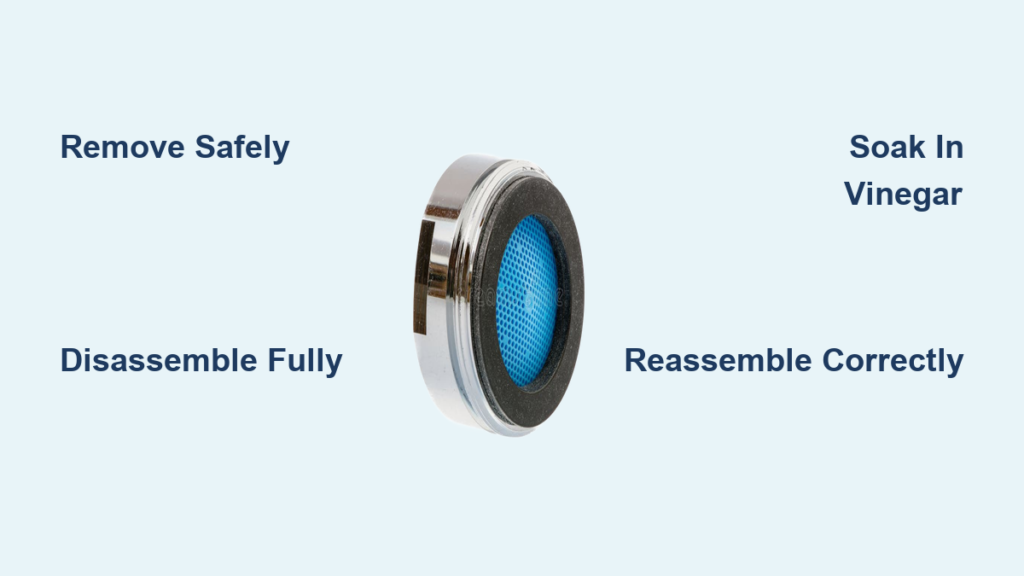
Aerator screens trap rust particles and can cause discoloration even if the main water line is clear.
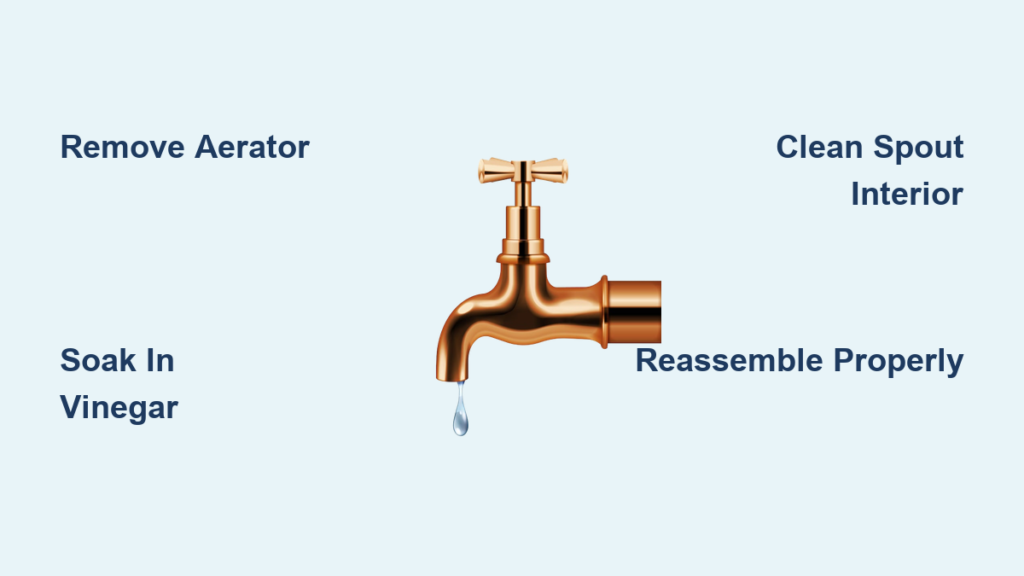
To clean an aerator, unscrew the faucet tip, using pliers if it is stuck. Remove the aerator and soak it in vinegar for 30 minutes. Scrub with a toothbrush to remove rust and debris. Reinstall and test the water flow.
This zero-cost fix resolves many single-fixture issues instantly.
Diagnose Common Causes

Water Heater Sediment Buildup
Over time, minerals settle in your tank. When heated, they stir up and turn hot water brown.
Signs of sediment buildup include brown water only in hot water, reduced heating efficiency, and popping sounds from the tank. The fix involves annual flushing and anode rod inspection. To prevent problems, replace the anode rod every 3 to 5 years to protect the tank lining.
Ignoring sediment buildup leads to permanent tank damage and costly replacements.
Corroded Galvanized Pipes
Homes built before 1985 often have galvanized steel pipes that rust internally.
Signs include brown water in both hot and cold water, low water pressure, and frequent clogs. The problem is worse in the morning or after high-flow use like showering. The risk is that pipes can fail completely, causing leaks.
If multiple fixtures are affected and flushing does not help, internal pipe corrosion is likely. Full repiping with PEX or copper may be needed.
Municipal Water Main Disturbance
City repairs, hydrant flushing, or fire use can stir up rust in old iron mains.
Signs include sudden onset, neighbors affected, and short duration of 2 to 4 hours. The action is to run cold water until clear and check local utility alerts. The prevention is to install a whole-house sediment filter.
There is no need to panic. This is temporary and common in older infrastructure areas.
Well Contamination After Rain
Private well owners face higher risks during heavy storms.
The cause is surface water seeping into the well, carrying clay, silt, iron, and bacteria. Signs include brown water after rain, a musty smell, and an oily film. The danger is possible coliform or nitrate contamination.
Stop using the water for drinking or cooking. Test it through a certified lab, especially after hurricanes or flooding.
Damaged Service Line
The underground pipe from the street to your house can corrode.
Signs include constant low-level discoloration that is worse at first draw. The difference from municipal issues is that it does not clear on its own. The fix requires excavating and replacing with HDPE or copper.
This is expensive but critical for permanent resolution.
Assess Safety and Health Risks
Is Brown Water Safe to Use
Most brown water from iron or manganese is not toxic but is unpleasant to use.
The water is safe for bathing, handwashing, and showering. Avoid drinking, cooking, or doing laundry until the water clears.
The EPA classifies iron and manganese under secondary standards focused on taste and staining, not health. But if the water smells foul, feels gritty, or comes from a flooded well, do not use it until tested.
When It Could Be Dangerous
Certain situations require immediate action. Well water after heavy rain may contain bacterial contamination. Lead service lines pose lead exposure risk, which is neurotoxic, especially in children. An oily sheen or sewage smell indicates sewage or chemical intrusion. Persistent brown water lasting more than 24 hours suggests undiagnosed contamination.
If any of these apply, stop using the water and get it tested immediately.
Can Brown Water Make You Sick
Brown water is rarely harmful from iron alone. But yes, it can cause illness if caused by bacteria from well flooding, lead from corroded pipes, or nitrates from agricultural runoff.
Symptoms like stomach upset or long-term developmental issues in children are possible. When in doubt, test the water.
Take Immediate Action
Stop Using Appliances
Do not run the dishwasher or washing machine while water is brown.
Iron and sediment can permanently stain clothes, clog appliance filters, and damage heating elements.
Wait until water runs clear for at least 10 minutes before resuming laundry or dishwashing.
Avoid Drinking or Cooking
Even if safe, avoid ingestion until you confirm the source.
Use bottled water or a point-of-use filter like reverse osmosis for drinking and cooking. Boiling does not remove iron or sediment and can actually concentrate them.
Notify Neighbors and Utility
If your neighbors have the same issue, it is likely municipal.
Call your local water department to confirm if there is a main break, check for boil advisories, and report ongoing problems. They may flush lines or advise on next steps.
Implement Long-Term Fixes
Replace Aging Pipes
If you have galvanized steel pipes and frequent brown water, replacement is the only permanent fix.
Options include PEX, which is flexible and affordable, copper, which is durable, or PVC for cold lines only. Costs range from $1,500 to $15,000 depending on home size and access. The benefit is eliminating rust, improving pressure, and preventing leaks.
Consider repiping if your home is over 40 years old and has not been updated.
Upgrade Your Water Heater
Old tanks accumulate sediment faster.
Replace water heaters every 8 to 12 years. Choose models with glass-lined tanks and powered anode rods for longer life. Install a sediment filter before the heater to reduce buildup.
Preventive maintenance extends life and keeps water clear.
Install Whole-House Filtration
A filter will not fix corroded pipes, but it protects your home.
A 5-micron sediment filter removes visible rust and particles. An iron-specific system like IronShield handles high iron levels up to 10 ppm. A ToxinShield or carbon block works for homes near industrial areas or with poor municipal treatment.
Filters require annual cartridge changes but prevent staining and appliance damage.
Seal and Maintain Your Well
For well owners, several steps help prevent contamination.
Elevate and seal the wellhead above ground level. Install a backflow preventer. Test water annually for coliform, nitrates, and iron. Flush after heavy rain events.
A well-maintained system prevents recurring contamination.
Know When to Call a Pro
Call a Plumber If
Certain situations require professional help.
Call a plumber if brown water lasts more than 24 hours, affects all fixtures and does not clear, you smell rotten eggs or notice low pressure, you suspect lead pipes or pipe failure, or you need camera inspection or water sampling.
A licensed plumber can inspect exposed pipes, flush lines under pressure, test water quality, and recommend repiping or filtration.
Do not delay. Ongoing corrosion can lead to leaks or flooding.
Get Water Tested If
Consider water testing if you rely on a private well, water turns brown after flooding or construction, you see slime, film, or particles, or family members have unexplained stomach issues.
Use a certified lab. Your local health department can recommend one.
Prevent Future Discoloration
Flush Annually
Make it a habit to flush your water heater every 12 months and your whole plumbing system after any municipal work or long absence.
This prevents sediment accumulation and extends appliance life.
Inspect the Anode Rod
This sacrificial rod protects your tank from rust.
Check it every 3 years and replace if less than half an inch thick or heavily coated. A fresh rod can add years to your water heater.
Monitor Seasonal Trends
Keep a log of when brown water appears.
Does it appear in fall? That is likely from hydrant flushing. After spring storms? Possible well infiltration. Following drought? Increased sediment in rivers.
Anticipating patterns helps you prepare by flushing early or testing after rain.
Install Preventive Filters
Even with good water, a filter adds protection.
A point-of-use RO system provides clean drinking water. A whole-house sediment filter serves as a first line of defense. An iron removal system is essential in high-mineral areas.
Think of filters as insurance for your plumbing and health.
Key Takeaways for Fixing Brown Water from Faucet
Brown water from a faucet is a warning sign. It is not always an emergency, but it should never be ignored. By diagnosing the pattern, you can quickly identify the cause, whether it is a sediment-filled water heater, corroded pipes, municipal disturbance, or well contamination.
Immediate flushing and aerator cleaning often resolve temporary issues. Long-term fixes like repiping or filtration prevent recurrence. Act fast to avoid staining clothes or damaging appliances. Test your water if the problem persists or involves a well. And when in doubt, call a licensed plumber.
With the right steps, you can restore clear, safe water and protect your home for years to come.
Frequently Asked Questions About Brown Water from Faucet
Can brown tap water make you sick?
Generally, no, if the brown color comes from iron or manganese. However, yes, if the water contains bacterial contamination, lead, or chemical pollutants. Testing is the only way to know for certain.
Why is my water brown in only one bathroom?
This indicates localized corrosion in the branch line feeding that specific bathroom. It is an isolated issue that does not affect other areas of your home. Start by cleaning the aerator on that fixture.
How long does brown water last after a water main break?
Typically 2 to 4 hours after repairs are complete. Running cold water at the lowest faucet in your home speeds up the clearance process significantly.
Does a water filter fix brown water?
Sediment filters with 5 microns or finer remove visible particles, which treats the symptoms. However, a filter does not fix corroded pipes. Structural repair is still needed to address the root cause.
Why does my water come out brown every morning for a few seconds?
This happens because stagnant water sits in corroded pipes overnight and absorbs iron oxide. The first flow pushes out the discolored water. Running the faucet for 15 to 30 seconds before use clears it each morning.
Can brown water stain clothes?
Yes, iron and sediment can cause permanent rust stains on laundry. Avoid running the washing machine until water runs clear to prevent damage to your clothes.