Is your faucet whistling, squealing, or banging every time you turn it on? A noisy faucet is one of the most common household plumbing issues, and it is often fixable without calling a plumber. The sound is not just annoying, it is a warning sign that something inside your faucet needs attention. Each noise type points to a specific problem, from clogged aerators to worn washers.
This guide walks you through exactly how to fix a noisy faucet, step by step. You will learn to identify the sound, diagnose the cause, and make the repair using simple tools. By the end, you will know how to silence your faucet and prevent future noise with proper maintenance.
Identify Your Faucet Noise Type
Before picking up a wrench, listen carefully to what your faucet is telling you. The type of sound tells you what is wrong and where to start your repair.
| Sound | When It Happens | Likely Cause |
|---|---|---|
| Hissing, sputtering | During flow | Clogged aerator |
| Whistling, squealing | Flow or handle turn | Worn washer or cartridge |
| Chattering, rattling | During flow | Loose parts or high pressure |
| Squealing (handle only) | Turning handle | Dry or corroded stem threads |
| Hammering, banging | At shut-off | Water hammer |
| Gurgling, knocking | On or after use | Trapped air |
| Constant hissing | On or off | Minor leak or loose seal |
Pro Tip: Do not assume the noise is in the faucet. Toilet fill valves or shut-off valves can mimic faucet noise. Test by turning off nearby fixtures to isolate the source.
Fix a Hissing or Sputtering Faucet

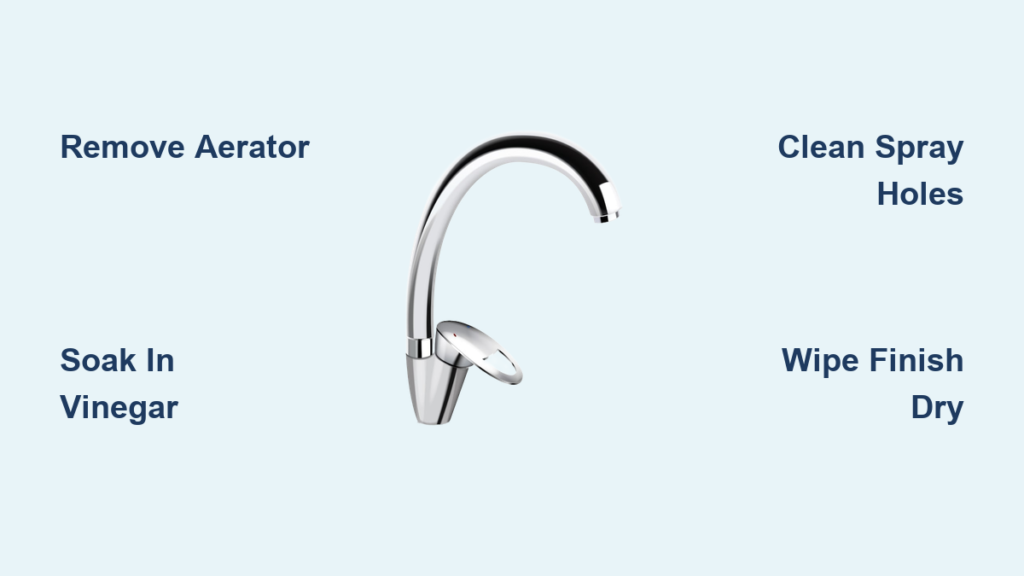
If your faucet sprays unevenly or hisses like a tea kettle, the aerator is almost certainly clogged. This is the most common cause of faucet noise, especially in kitchens.
Clean the Clogged Aerator
- Turn off the faucet and wrap a cloth around the aerator to protect the finish.
- Unscrew the aerator by hand or use an adjustable wrench.
- Run water without the aerator. If flow improves and noise stops, the aerator is the culprit.
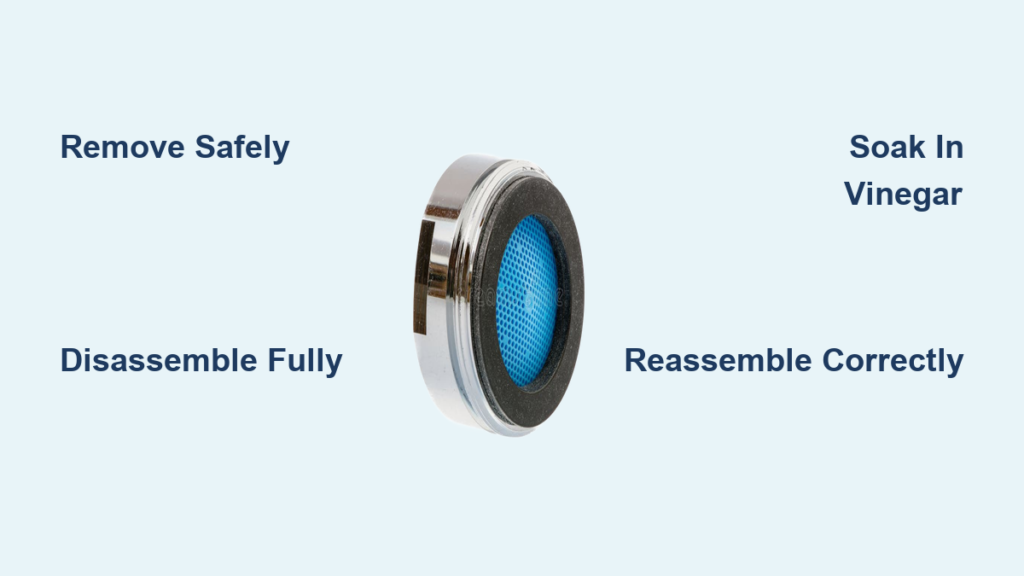
- Disassemble the aerator, which includes screens, a flow restrictor, and a washer.
- Soak all parts in white vinegar for 30 to 60 minutes to dissolve mineral deposits.
- Scrub gently with an old toothbrush and rinse thoroughly.
- Reassemble and screw back on the faucet.
- Test for smooth, quiet flow.
If you need a replacement, match the thread size, such as 13/16-27 male, and the flow rate, commonly 1.5 GPM.
Prevent Future Aerator Clogs
Clean your aerator every 6 to 12 months, or every 3 to 6 months if you live in a hard water area. Consider installing a whole-house water softener to reduce scale buildup.
Stop Whistling and Squealing Sounds
Whistling while water runs usually means restricted flow, often caused by worn internal parts or partially closed valves.
Check the Shut-Off Valves
A partially closed shut-off valve under the sink forces water through a narrow gap, creating a whistle.
- Turn both hot and cold valves fully open. Most stem-type valves require 3 to 4 full turns.
- Test the faucet. If noise stops, the valves were the issue.
Upgrade Tip: Replace old stem valves with quarter-turn ball valves. They last longer, do not vibrate, and ensure full flow.
Replace a Worn Washer
In older compression faucets, a worn rubber washer vibrates under pressure, causing whistling.
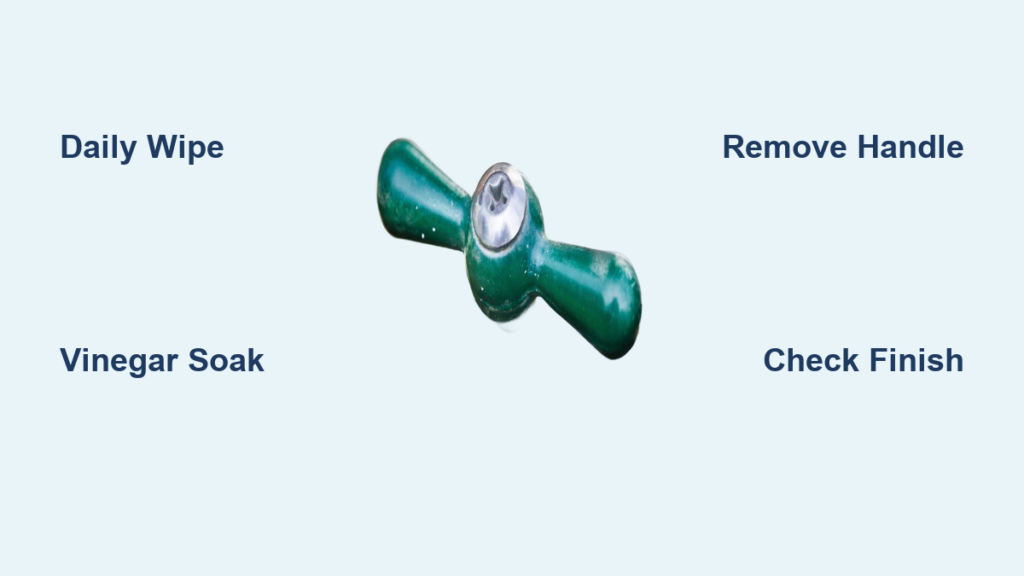
- Shut off water under the sink and remove the handle.
- Extract the stem with a wrench and remove the washer held by a screw.
- Inspect for cracks, warping, or incorrect size.
- Replace with an exact-match washer and reassemble.
- Test for quiet operation.
Critical: Use the manufacturer-recommended type. Some washers are designed for hot or cold only.
Repair a Damaged Washer Seat
If whistling continues after replacing the washer, the metal seat inside the faucet body may be pitted or corroded.
- After removing the stem, inspect the seat with a flashlight.
- Use a faucet seat wrench and reamer tool to remove mineral buildup and smooth rough surfaces.
- Reinstall the stem and washer, then test for noise.
If the seat is severely damaged, the faucet body may need replacement.
Silence a Squealing Handle
If the noise happens only when turning the handle, the problem is dry or corroded stem threads.
Lubricate the Stem Threads
- Shut off water and remove the stem assembly.
- Clean threads on the stem and inside the faucet body with a soft brush.
- Apply petroleum jelly for metal-on-metal contact, or food-grade silicone grease for longer-lasting lubrication.
- Reinstall the stem and test for smooth, silent operation.
If squealing persists, the stem may be worn or the faucet body damaged. Consider replacing the faucet.
Replace a Faulty Cartridge or Valve
Modern faucets use ceramic discs, ball valves, or cartridges. When these fail, they cause whistling, squealing, or uneven flow, often on just one side.
Install a New Cartridge
- Turn off water supply and remove the handle and cap.
- Take out the retaining clip or nut and pull out the cartridge.
- Match the model exactly. Take the old cartridge to the store for comparison.
- Lubricate O-rings with silicone grease before inserting the new cartridge.
- Reassemble and test.
Pro Tip: Misalignment is a common cause of post-repair noise. Double-check positioning before tightening.
Eliminate Chattering and Rattling
Chattering during flow often means loose internal parts or high water pressure.
Tighten or Replace Loose Components
- Inspect the washer and stem after disassembly.
- Ensure the washer screw is tight and not corroded.
- Replace any loose or worn parts.
- Use silicone grease to reduce vibration.
Test Water Pressure
High pressure above 80 psi can cause chattering, pulsing, and splashing.
- Screw a pressure gauge onto an outdoor spigot or washing machine valve.
- Turn on water with no other fixtures running.
- Read the gauge. Fifty to 60 psi is ideal. Over 80 psi requires a pressure-reducing valve.
A pressure-reducing valve not only reduces noise but also extends the life of your plumbing and appliances.
Fix Water Hammer Banging

A loud thud or bang when you close the faucet is water hammer, a shock wave from sudden flow stoppage.
Install a Water Hammer Arrester
- Turn off water supply and choose the right type.
- Install an under-sink model for a single faucet or a main line arrester for whole-house protection.
- Follow manufacturer instructions to install in-line with the water supply.
- Turn water back on slowly and test by opening and closing the faucet quickly.
Water hammer arresters eliminate banging noise in over 90 percent of installations.
Stop Gurgling from Trapped Air
After plumbing work or a water outage, air bubbles can get trapped, causing gurgling or knocking.
Bleed the Plumbing System
- Start at the highest faucet in your home, such as an upstairs bathroom.
- Open both hot and cold taps fully and work downward to the lowest point.
- Let water run for 3 to 5 minutes until flow is smooth and noise-free.
- Close all faucets.
Air is purged and noise should disappear after this process.
Secure Rattling Pipes
If the noise seems to come from inside the wall or cabinet, loose pipes may be vibrating.
Fasten Rattling Pipes
- Locate the noisy pipe under the sink or in the basement.
- Use pipe straps or clamps to secure it to the stud or joist.
- Add rubber gaskets or foam insulation between pipe and wood to dampen vibration.
- Test with high flow.
For pipes inside walls, access may require drywall removal. Call a plumber if you are unsure.
When Multiple Faucets Are Noisy
If multiple faucets throughout your home are noisy, the issue may be systemic.
Consider These Whole-House Fixes
- Install a pressure-reducing valve if pressure exceeds 80 psi.
- Upgrade to PEX or copper piping if old pipes are scaled or undersized.
- Replace all shut-off valves with quarter-turn ball valves.
- Add a whole-house water filter or softener to reduce mineral buildup.
In homes built before 1980, about 20 percent of noise issues stem from internal pipe scale.
When to Call a Plumber
DIY repair works for most cases, but call a licensed plumber if noise persists after replacing the aerator, washers, and cartridge. Also call if the faucet body or valve seat is cracked or severely damaged, pipes are corroded or leaking, water pressure remains high after pressure-reducing valve installation, or multiple fixtures are noisy indicating a systemic issue.
Persistent noise may signal deeper plumbing problems. Early intervention prevents costly damage.
Prevent Future Faucet Noise
Prevention is faster and cheaper than repair.
| Task | Frequency |
|---|---|
| Clean aerator | Every 3 to 12 months |
| Flush cartridge | Annually |
| Inspect shut-off valves | Annually |
| Lubricate seals | During repairs |
| Test water pressure | Every 1 to 2 years |
| Inspect under-sink pipes | Biannually |
| Replace washers and seals | Every 3 to 5 years |
Regular lubrication with silicone grease reduces future maintenance by 70 percent and extends faucet life by 5 to 10 years.
Frequently Asked Questions About Fixing a Noisy Faucet
Why does my faucet make a whistling sound when I turn it on?
Whistling usually indicates restricted water flow. The most common causes are a clogged aerator, a worn washer, or a partially closed shut-off valve under the sink. Start by cleaning the aerator and checking that valves are fully open.
Can a noisy faucet be fixed without replacing it?
Yes. Most noisy faucet issues are repairable. Simple fixes include cleaning the aerator, replacing washers, lubricating stem threads, or installing a water hammer arrester. Only severely damaged faucet bodies require full replacement.
What causes a banging sound when I turn off the faucet?
Banging, also called water hammer, occurs when flowing water stops suddenly, creating a shock wave through the pipes. Install a water hammer arrester to absorb the pressure spike and eliminate the noise.
How do I know if my water pressure is too high?
Screw a water pressure gauge onto an outdoor spigot or washing machine valve with no other fixtures running. Optimal pressure is 50 to 60 psi. Anything above 80 psi is too high and requires a pressure-reducing valve.
Why does my faucet squeal only when I turn the handle?
Squealing when turning the handle indicates dry or corroded stem threads. Remove the stem, clean the threads, and apply petroleum jelly or silicone grease for smooth, quiet operation.
Should I call a plumber if my DIY fixes do not work?
Yes. If noise persists after replacing the aerator, washers, and cartridge, or if you notice leaks, corrosion, or low water pressure, professional diagnosis is needed. Multiple noisy fixtures may indicate a whole-house plumbing issue.
Key Takeaways for Fixing a Noisy Faucet
A noisy faucet is a diagnostic signal, not just an annoyance. The sound tells you exactly what is wrong. Hissing means a clogged aerator. Whistling points to worn washers or restricted flow. Banging indicates water hammer. Squealing when turning the handle means dry stem threads.
Most fixes require basic tools and take under an hour. Start with the simplest solutions: clean the aerator, check that shut-off valves are fully open, and listen carefully to identify the noise type. Regular maintenance, including cleaning the aerator every 6 to 12 months and lubricating internal parts with silicone grease, prevents most noise from returning.
For persistent or whole-house noise issues, consider installing a pressure-reducing valve or calling a licensed plumber to assess deeper plumbing problems.