A clogged or smelly sink overflow is more common than you might think. That small hole near the top of your sink, known as the sink overflow, is designed to prevent flooding when water rises too high. Over time, it collects soap scum, hair, grime, and bacteria, which leads to slow drainage, foul odors, and discoloration. The good news? You don’t need a plumber to fix it. With simple household items like baking soda, vinegar, and a toothbrush, you can restore your overflow drain in minutes. This guide covers 7 proven methods, from quick fixes to deep cleans, so you can pick the best approach for your sink’s condition.
Baking Soda and Vinegar Flush
This is the most popular and eco-friendly way to clean a sink overflow. The chemical reaction between baking soda and vinegar creates a foaming action that breaks down buildup deep inside the pipe.
Pour Baking Soda First
Use a funnel to pour ½ to 1 cup of baking soda directly into the overflow hole. Work it in gently. Some will spill, and that is normal. Baking soda neutralizes odors and starts softening grime on contact.
Add White Vinegar
Slowly pour 1 cup of white vinegar into the hole using the same funnel. As the two mix, they create a fizzing reaction that pushes through the overflow pipe, loosening clogs and sanitizing the walls.
Let It Sit 15 Minutes
Cover the hole with a damp cloth to contain the fizz and boost cleaning power. Wait 10–15 minutes, or up to 30 minutes for heavy buildup. During this time, the foam penetrates deep into the curved sections where debris hides.
Flush With Hot Water
After the reaction stops, pour very hot, near-boiling water down the overflow. This flushes out loosened gunk and clears the line. Do this for 1–2 minutes to ensure full clearance.
Pro Tip: Repeat this method monthly to prevent odor and clogs.
Clear Debris With a Wire Hook
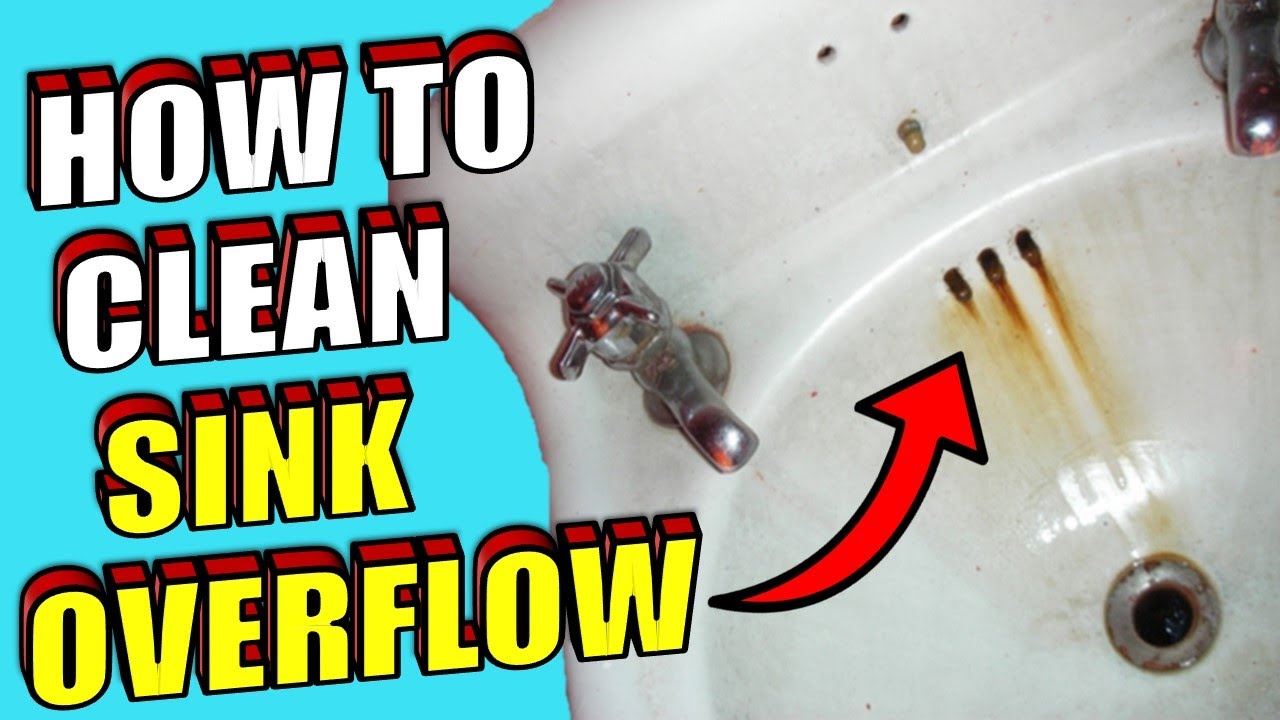
If your overflow drains slowly or smells musty, hair and debris may be trapped just inside the hole. A simple mechanical clean can fix it fast.
Remove the Cover Plate
Some overflow holes have a metal or plastic cover. Gently pry it off with a flathead screwdriver or your fingers. If it is secured with screws, remove them first and set them aside.
Make a DIY Cleaning Tool
Straighten a paperclip or bend a small section of a wire hanger into a hook. Slide it carefully into the hole. Do not force it. Rotate and push gently to catch hair and pull it out.
Warning: Avoid scratching porcelain or metal finishes. Use light pressure only.
Inspect With a Flashlight
Shine a flashlight into the hole to see how far the blockage goes. Look for dark buildup or tangled strands. If visible, continue hooking until the pipe feels clear.
Scrub With a Toothbrush
Use an old toothbrush or pipe cleaner to scrub the inside of the opening. Focus on the rim and upper curve where soap scum accumulates. Rinse with warm water when done.
Reinstall the Cover
Once clean, snap or screw the cover plate back into place. Make sure it is secure but not over-tightened.
Deep Clean With Magic Eraser

For stubborn film or yellowish buildup around the overflow rim, a Mr. Clean Magic Eraser works wonders without scratching the surface.
Cut and Dampen a Small Piece
Slice off a 1-inch cube of the Magic Eraser and wet it slightly. Squeeze out excess water, since too much moisture reduces its cleaning power.
Push and Scrub Gently
Insert the eraser into the hole and move it back and forth. The micro-abrasive foam lifts grime, lime scale, and stains from the interior walls. You will see immediate results.
Note: Do not force it deep. Use only for the first few inches where buildup is worst.
Wipe and Rinse
After scrubbing, wipe the area with a damp microfiber cloth. Run hot water through the overflow to rinse away residue.
Soak Away Discoloration With Vinegar
When the overflow hole looks dingy or stained, a long vinegar soak can restore its appearance naturally.
Prepare a Vinegar-Soaked Towel
Soak a paper towel in white vinegar and twist it into a thin rope. It should be saturated but not dripping.
Feed Into the Hole
Carefully push the vinegar-soaked towel into the overflow until it is mostly inside. Leave it for 2–4 hours to break down mineral deposits and discoloration.
Re-Saturate After an Hour
Spray more vinegar onto the exposed end after 60 minutes to keep it active. This boosts cleaning power and prevents drying.
Follow Up if Needed
If stains persist, repeat with mildew spray or diluted bleach. Always rinse thoroughly afterward.
Eliminate Odors With Pool Chlorine
Persistent stink? Try this powerful forum-tested method using pool chlorine. It sanitizes the entire overflow path quickly.
Fill Sink With Hot Water
Turn on the hot tap and fill the sink until water begins to rise toward the overflow hole.
Add Half a Gallon of Chlorine
Once the water level reaches the hole, pour in ½ gallon of pool chlorine. Let the mixture overflow naturally into the drain for 5 minutes.
Safety First: Open windows or turn on the fan. Never mix chlorine with other cleaners.
Drain and Rinse
Pull the stopper and let the water drain completely. Follow with a flush of clean hot water to remove any chemical residue.
Why It Works: The chlorine solution flows through the entire overflow pipe, killing bacteria and dissolving organic matter.
Try the 24-Hour Bleach Soak
For extreme buildup or lingering smells, a bleach soak delivers deep disinfection.
Block the Main Drain
Remove the sink stopper. Stuff a plastic bag filled with paper towels into the main drain, pushing it 2–3 inches down to seal it.
Fill Overflow With Bleach
Pour bleach directly into the overflow hole while running water. Continue until both the sink bowl and overflow pipe are full.
Let It Sit Overnight
Leave the solution for 24 hours. This gives bleach time to penetrate deep into the pipe and kill odor-causing bacteria.
Remove the Blockage
After soaking, use long needle-nose pliers to pull out the plastic bag. Reinstall the stopper.
Test Drainage
Run water to check flow and smell. If the stink remains, the issue might not be the overflow. Consider cleaning the P-trap or vent pipe.
User Tip: One forum member joked, “If it still stinks, wash your upper lip.” Sometimes the smell clings to skin or towels, not the drain.
Clear Clogs With an Air Compressor
For complete blockages, compressed air can blast through stubborn debris fast.
Close the Drain Stopper
Make sure the main drain is sealed by closing the plunger or stopper. This forces air pressure through the overflow path.
Attach Air Nozzle to Overflow
Use a small adapter or rubber tip on your air compressor. Press it firmly over the overflow hole.
Blast With Short Bursts
Release short bursts of air at 30–50 PSI. The pressure should force clogs down the drain line.
Caution: Use low pressure to avoid damaging pipes. Not recommended for older plumbing.
Prevent Buildup With Routine Care
Cleaning your sink overflow every 1–2 months keeps it functioning and odor-free, but prevention is even better.
Flush Weekly With Hot Water
After washing your hands or face, pour hot tap water down the overflow hole. This rinses away residue before it hardens.
Use a Drain Cover
Place a mesh screen or hair trap over the sink. It catches debris before it enters either the main drain or overflow.
Clean Both Holes in Double Sinks
If you have a double basin, clean both overflow holes. A clog in one can affect drainage in the other.
When to Call a Plumber
Most overflow issues can be fixed at home, but if problems persist after trying these methods, the clog may be deeper.
Signs of Serious Blockage
- Water backs up even after cleaning
- Foul smell persists despite bleach treatment
- Gurgling noises from the drain
- Slow drainage in multiple fixtures
These could indicate issues in the P-trap, vent pipe, or main sewer line. Call a licensed plumber for inspection.
Compare Cleaning Methods at a Glance
| Method | Time | Best For | Tools Needed |
|---|---|---|---|
| Baking Soda + Vinegar | 15 min | Routine cleaning, odor removal | Baking soda, vinegar, funnel |
| Wire Hook | 10 min | Hair and visible debris | Paperclip, screwdriver |
| Magic Eraser | 5 min | Scum and surface film | Magic Eraser, cloth |
| Vinegar Soak | 2–4 hrs | Discoloration and stains | Paper towel, vinegar |
| Pool Chlorine | 5 min | Strong odors | Pool chlorine, hot water |
| Bleach Soak | 24 hrs | Stubborn buildup | Bleach, plastic bag, pliers |
| Air Compressor | 5 min | Complete clogs | Air compressor, seal |
Final Checklist: Did You Finish?
After cleaning, verify your work:
- ✅ Run water and check for smooth drainage
- ✅ Sniff near the hole to confirm the smell is gone
- ✅ Look inside to confirm the opening is clear and clean
- ✅ Reinstall cover plate if removed
- ✅ Wipe down sink for a polished finish
Frequently Asked Questions About Sink Overflow Cleaning
How Often Should I Clean My Sink Overflow?
Clean the overflow hole every 1–2 months to prevent buildup. You can also clean whenever you notice slow drainage, lingering odors, or visible discoloration.
Can I Use Bleach in My Sink Overflow?
Yes, bleach is safe for occasional deep cleaning. Block the main drain, fill the overflow with bleach and water, and let it sit for up to 24 hours. Always ventilate the room and avoid mixing bleach with other cleaners.
What Causes Sink Overflow Odors?
Odors come from bacteria, soap scum, hair, and grime trapped in the curved sections of the overflow pipe. Warm, moist conditions allow bacteria to thrive, producing a musty or sour smell.
Will Baking Soda and Vinegar Damage My Pipes?
No. Baking soda and vinegar are safe for most plumbing, including PVC and metal pipes. This natural method is gentle and effective for routine maintenance.
How Do I Remove Stubborn Stains From the Overflow Rim?
Soak a paper towel in white vinegar and stuff it into the hole for 2–4 hours. Re-saturate after one hour. For tough stains, follow up with a Magic Eraser or diluted bleach.
When Should I Call a Plumber for an Overflow Issue?
Call a plumber if water still backs up, odors persist after bleach treatment, you hear gurgling, or multiple fixtures drain slowly. These signs point to deeper issues in the P-trap, vent pipe, or sewer line.
Key Takeaways for Keeping Your Sink Overflow Clean
Keep your sink overflow clean every 1–2 months using natural methods like baking soda and vinegar. It takes less than 20 minutes and prevents clogs, odors, and stains. For tough jobs, try chlorine or bleach soaks, but always prioritize safety and ventilation. With these simple steps, your sink will stay fresh, functional, and hygienic year-round.