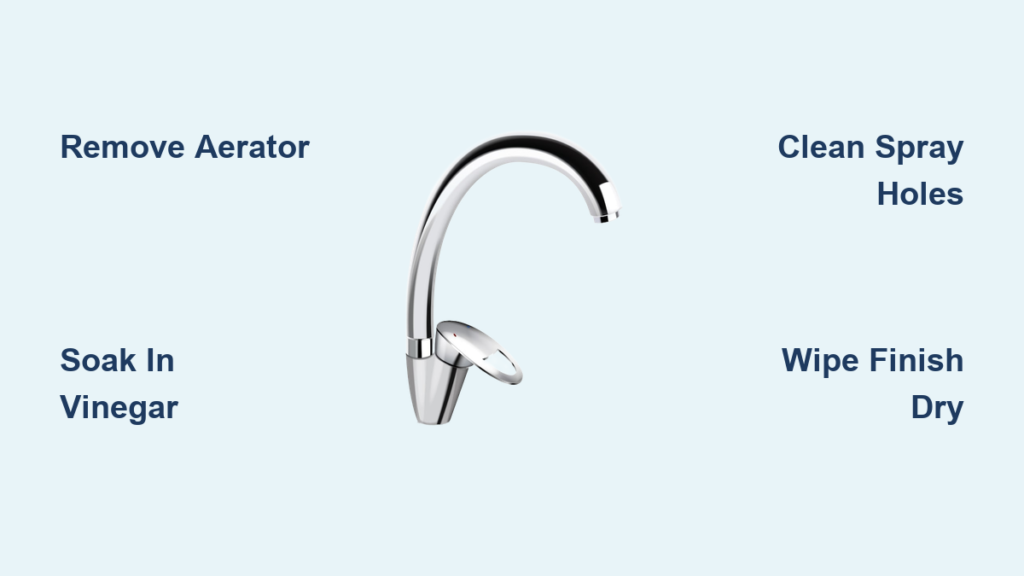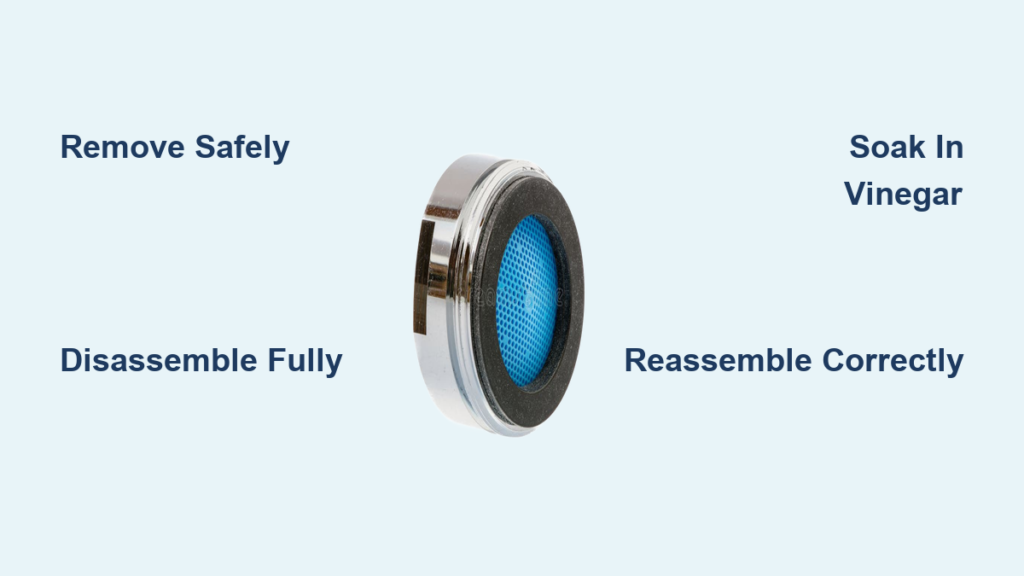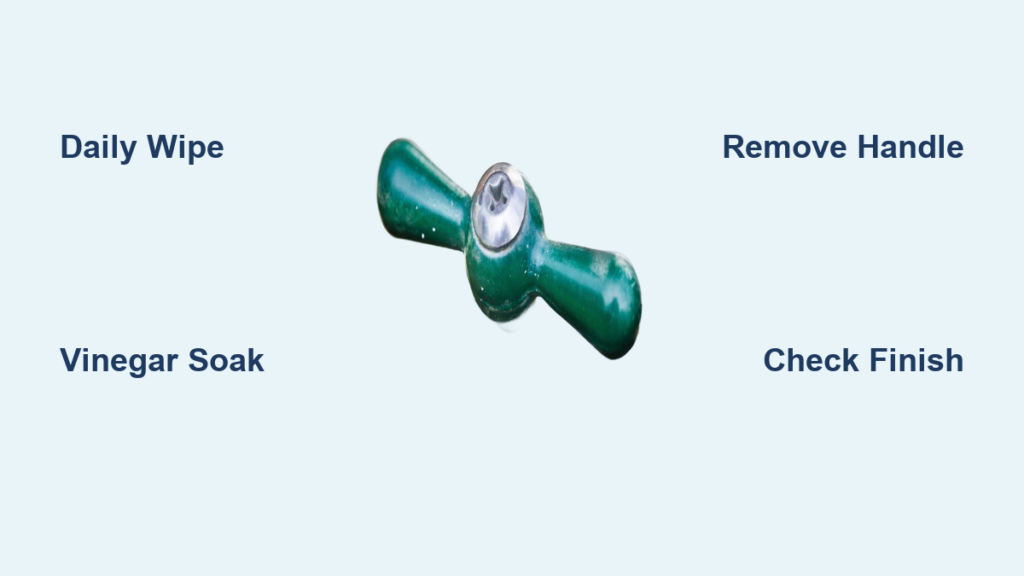
A stiff faucet handle is one of the most common plumbing frustrations, especially in kitchens and bathrooms where daily use exposes fixtures to mineral buildup, wear, and corrosion. The good news is that most stiff faucet issues can be fixed in under an hour with basic tools and household supplies. Whether your handle barely turns or sticks halfway, the root cause is usually internal: mineral deposits, dried seals, worn cartridges, or lack of lubrication.
This guide walks you through every step, from diagnosis to repair, and shows you exactly how to restore smooth operation without replacing the entire fixture. You will learn how to safely disassemble your faucet, clean and inspect critical components, apply the right lubricant, and reassemble everything correctly.
Identify Where the Stiffness Is Coming From
Before taking anything apart, determine where the resistance is coming from. A stiff handle does not always mean a damaged cartridge.
Test the Handle After Removing It
Remove the handle and move it by hand. If it feels stiff or gritty, clean the inside of the handle assembly with vinegar. If it moves freely, the problem lies inside the faucet body, likely involving the cartridge, O-rings, or splines.
Check for Common Symptoms
• Stiff but movable: Likely minor mineral buildup or dry seals
• Completely stuck: Severe scale, corrosion, or seized cartridge
• Stiff after reassembly: Misaligned parts or over-tightened screw
• Leaks at base: Worn O-ring or failing cartridge
Use these clues to guide your repair strategy.
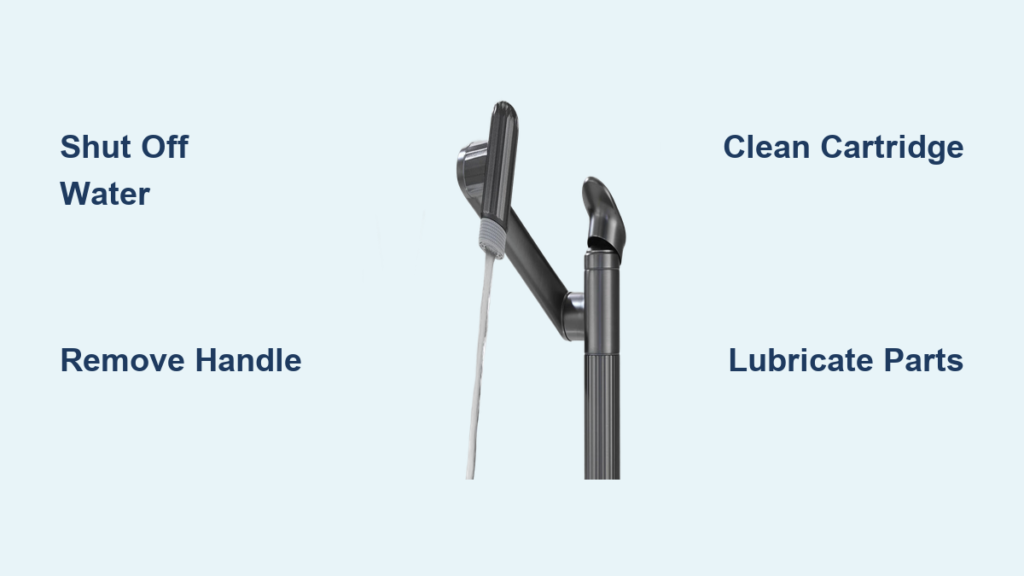
Shut Off Water Supply Before Starting
Never begin work without cutting off water to your faucet.
Locate the Under-Sink Valves
Find the hot and cold shut-off valves beneath your sink. Turn both clockwise until tight to close them.
Confirm Water Is Off
Open the faucet briefly to verify no water flows. If water still comes out, shut off the main water supply to your house.
Prevent Losing Small Parts
Place a towel in the sink drain to catch small screws or washers. Work in a well-lit, dry area to avoid accidents.
Remove the Faucet Handle
Most stiffness starts inside the faucet, but you cannot access the internals without removing the handle first.
Find and Access the Set Screw
Look for a small cap on top of the handle. Use a flat-head screwdriver to gently pry it off. Underneath, you will typically find a hex screw requiring a 3/32″ Allen wrench, a Phillips screw requiring a matching screwdriver, or a twist-off design (common in Pfister models) where the handle unscrews by turning counter-clockwise.
Loosen and Pull Off the Handle
Unscrew the set screw completely, then pull the handle straight off the stem. If the handle is stuck, wrap a cloth around it for better grip and apply penetrating oil like WD-40 only externally around the base. Wiggle gently rather than forcing it.
Never use pliers on the handle, as they can crack plastic or scratch chrome finishes.
Access and Remove the Cartridge
The cartridge controls water flow and temperature. When worn or scaled, it causes resistance in your faucet.
Expose the Retaining Nut
After removing the handle, you will see either a plastic retaining nut (common in Moen and Pfister faucets), a metal clip or cap, or a dome-shaped top that may unscrew or pop off.
Remove the Retaining Nut
Use a strap wrench for plastic nuts to avoid cracking. If it will not budge, soak the area with vinegar for 20 to 30 minutes, then reapply steady pressure with the strap wrench. Avoid using pliers unless they are taped to prevent damage.
Pull Out the Cartridge
Grasp the cartridge and pull it straight out, wiggling slightly if stuck. Inspect it for cracks, warping, discoloration, pitted ceramic discs, corroded stems, or stripped splines.
Take the old cartridge to a hardware store to ensure you get an exact replacement match.
Clean All Parts Thoroughly
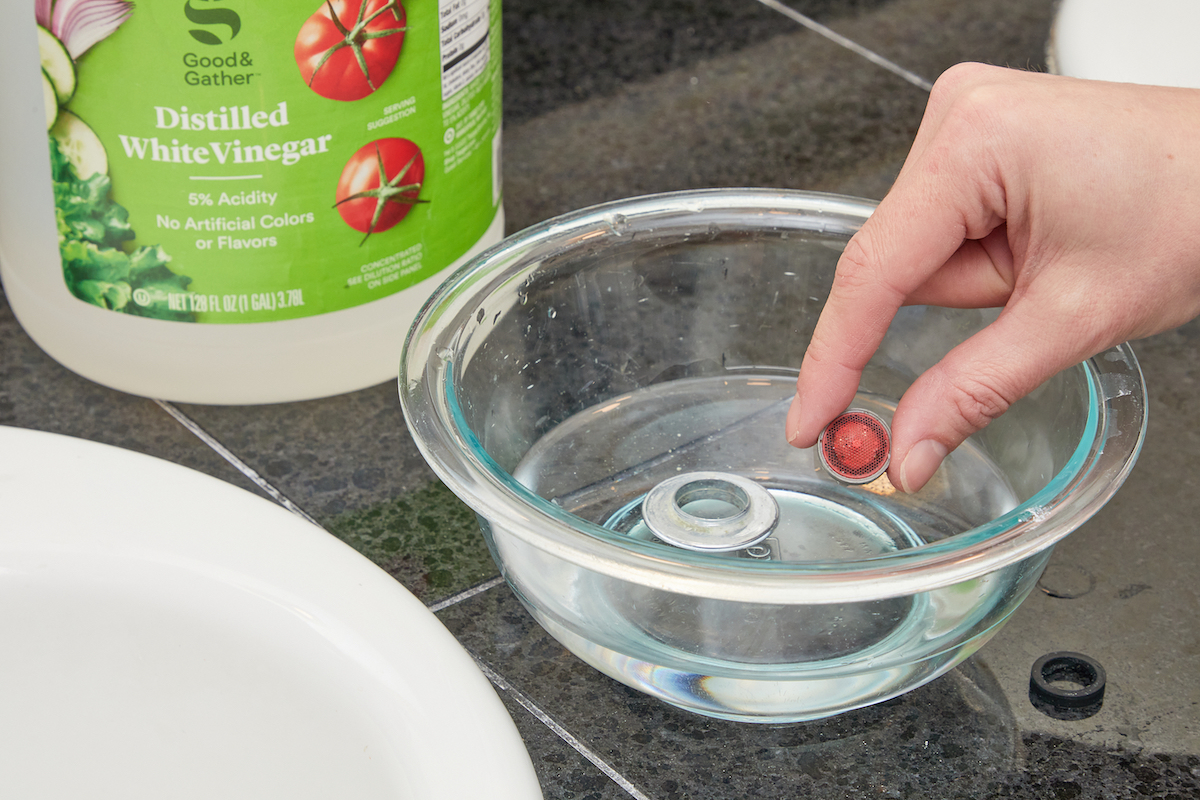
Mineral buildup is the number one cause of stiffness in faucet handles. Vinegar dissolves it safely without damaging components.
Prepare Your Cleaning Solution
For light buildup, mix equal parts vinegar and water. For heavy scale, use undiluted distilled white vinegar.
Soak Removable Parts
Submerge the cartridge (if reusable), O-rings, washers, and retaining nut in your cleaning solution. Soak them for 15 to 20 minutes for light deposits, or 30 to 60 minutes for heavy buildup.
Do not soak rubber O-rings too long, as vinegar can degrade them over time.
Clean Fixed Areas You Cannot Remove
For zones inside the bonnet or neck tube that you cannot remove, soak a rag in vinegar, wrap it around the area, wait 20 to 30 minutes, then scrub with a soft toothbrush or non-scratch pad. For stubborn residue under the bonnet, use Diamond Magic cleaner with a white pad.
Remove Crust from Tracks
Use a butter knife or plastic scraper to lift hard-water crust from O-ring grooves and friction zones. Never use steel wool, as it scratches surfaces.
Rinse and Dry Everything
Flush all parts with clean water, then dry with a lint-free cloth before reassembly.
Lubricate Moving Parts Properly

Lubrication reduces friction and prevents future stiffness from developing in your faucet.
Use the Right Grease
Use silicone-based plumber’s grease, preferably food-grade for kitchen faucets. Never use Vaseline or WD-40, as they degrade rubber seals over time.
Apply Grease to Key Zones
Use a finger or small brush to apply a thin, even layer of grease to the cartridge exterior, splines and guide pins, upper and lower O-rings, friction ring on both sides, neck glide zone for pull-out models, bushing fitting and retainer clip, stem extension contact points, and bonnet threads for easier future service.
Grease applied to the upper sealing area migrates down during use, naturally protecting hard-to-reach spots.
Reassemble the Faucet Carefully
One misaligned part can undo all your repair work.
Insert the Cartridge Correctly
Slide the cartridge back into the housing, ensuring alignment tabs match and splines line up with handle grooves. It must seat fully and evenly.
Reinstall Other Components
For pull-out models, slide the neck down and test the glide. Reattach the trim ring to the bonnet if applicable.
Reattach the Handle
Place the handle over the stem, insert the set screw, and hand-tighten only. Do not use wrenches or pliers on the handle, as over-tightening compresses seals and causes stiffness.
Verify Before Turning Water On
Test handle movement before restoring water. If it is still stiff, check for proper alignment, adequate lubrication, no trapped debris, and that the screw is not overtightened.
Restore Water and Test Operation
Now bring everything back online.
Turn Valves Back On
Slowly open both hot and cold shut-off valves beneath the sink.
Run the Faucet and Check for Issues
Check for smooth handle rotation, no leaks at base or spout, responsive temperature control, sprayer retraction if equipped, and no dripping after shut-off. Flush the system for 30 seconds to clear any loosened particles.
Brief black residue in the water is normal; it is worn washer material. Wipe it away and monitor for any issues.
When to Replace Parts
Cleaning and lubrication fix most cases, but some parts simply wear out.
Replace the Cartridge If You Notice
Cracks, warping, or erosion visible on the cartridge. Ceramic discs that are chipped or pitted. Stripped splines that will not engage the handle. Handle that is still stiff after proper repair. Leaks that persist after reassembly.
Replace O-Rings and Washers If They Are
Brittle, torn, swollen, or flattened. Causing leaks that continue after reassembly. Over 5 to 10 years old.
Choose the Right Replacement
Identify your faucet model number from the base or underside. Take the old cartridge to a store for an exact match. Match height, diameter, number and shape of splines, and seal type. For Pfister faucets, use their online catalog and enable “Show Discontinued” for older models. Moen offers universal kits; verify compatibility before purchasing.
Prevent Future Stiffness
A little maintenance goes a long way toward keeping your faucet operating smoothly.
Clean Your Faucet Regularly
Wipe the faucet daily with a soft cloth. Deep clean every 6 to 12 months. Wrap a vinegar-soaked rag around the base monthly in hard water areas.
Re-Lubricate Annually
Apply silicone grease to O-rings and moving parts every 1 to 2 years, more often in high-use or hard-water homes.
Combat Hard Water
Install a water softener if hardness exceeds 7 grains per gallon. Use descaling tablets in the aerator monthly for severe cases. Rinse with filtered water after cleaning.
Handle Your Faucet Gently
Turn the handle with moderate force only. Do not hang items on pull-down sprayers, as this misaligns internal parts.
Troubleshoot Common Post-Repair Issues
Even careful repairs can sometimes go wrong.
Handle Still Stiff After Repair
Likely causes include a worn cartridge, missing or incorrect lubrication, or misaligned parts. Replace the cartridge and double-check your grease application.
Faucet Leaks After Repair
Check that the washer is installed above the hole, not flush. Verify O-rings are properly seated. Inspect the cartridge for damage and replace seals if needed.
Handle Will Not Go Back On
The cartridge may not be seated correctly, or splines could be damaged or misaligned. Recheck positioning and inspect for wear.
Cannot Remove the Handle
The set screw may be stripped, or the handle could be corroded. Use a screw extractor or apply penetrating oil. If it remains stuck, consider professional help.
Retaining Nut Will Not Budge
Mineral buildup or stripped threads are the usual culprits. Soak with vinegar and use a strap wrench gently. Do not force it, as you risk breaking the nut.
Know When to Call a Plumber
DIY repairs work in over 80 percent of cases, but professionals are needed when your faucet is very old or rare with no available parts, screws are stripped, pipes are broken, or components are seized. Multiple repair attempts that fail are also a sign to call for help.
DIY repair costs under 20 dollars. A plumber may charge 100 to 200 dollars for the same job.
Consider Replacing the Faucet
Sometimes repair is not worth the effort.
Replace If Your Faucet Has
Repeated cartridge failures, a corroded valve body, an outdated finish or style, or incompatibility with modern plumbing.
Upgrade Options
For bathroom faucets, consider a Tall Brass Single Handle, Modern Knurled Design, or Solid Brass Vessel Faucet. For kitchen faucets, look at Pull-down Sprayer models, Matte Black High-Arch designs, or Swivel Spout options with dual spray.
Before buying, confirm your sink hole configuration (single-hole, 3-hole, etc.) for proper fit.
Frequently Asked Questions About Fixing a Stiff Faucet
Can I use WD-40 on a stiff faucet?
You can use WD-40 externally to loosen a stuck handle around the base. However, never use it internally, as it damages rubber seals. Use silicone grease only for internal lubrication.
How do I know if the problem is the cartridge or just dirt?
Remove the handle and test it by hand. If it moves freely, the problem is internal, likely the cartridge or seals. If it is still stiff, the handle assembly itself needs cleaning.
Why does my faucet drip after turning off?
This indicates a failing cartridge. The internal seals are not closing fully, so you need to replace the cartridge.
My handle is loose instead of stiff. What is wrong?
A loose handle typically means a loose set screw. Tighten the screw beneath the decorative cap. If it is still loose, internal parts may be worn, and you should consider replacing the cartridge.
Should I replace the whole faucet instead of repairing it?
Replace if your faucet is over 15 years old, parts are unavailable, or you want upgraded features like a pull-down sprayer. Otherwise, repair is usually the better choice.
Key Takeaways for Fixing a Stiff Faucet
Fixing a stiff faucet is a simple, cost-effective DIY job that saves time and money. With just vinegar, an Allen wrench, and silicone grease, you can eliminate resistance caused by mineral buildup, dry seals, or worn cartridges. The key is systematic disassembly, thorough cleaning, proper lubrication, and careful reassembly.
Most repairs take 30 to 60 minutes and cost under 20 dollars. Preventive care, like annual cleaning and greasing, can extend your faucet’s life to 10 to 15 years. If your model is beyond repair, upgrading gives you better performance and style.
Now that you know how to fix a stiff faucet and keep it smooth, you will never have to wrestle with a stubborn handle again.