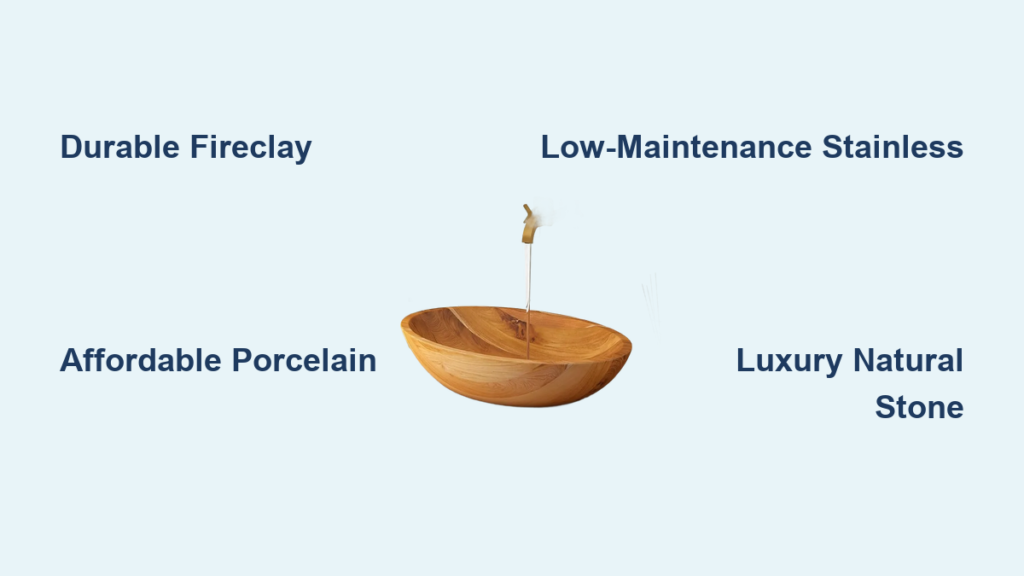
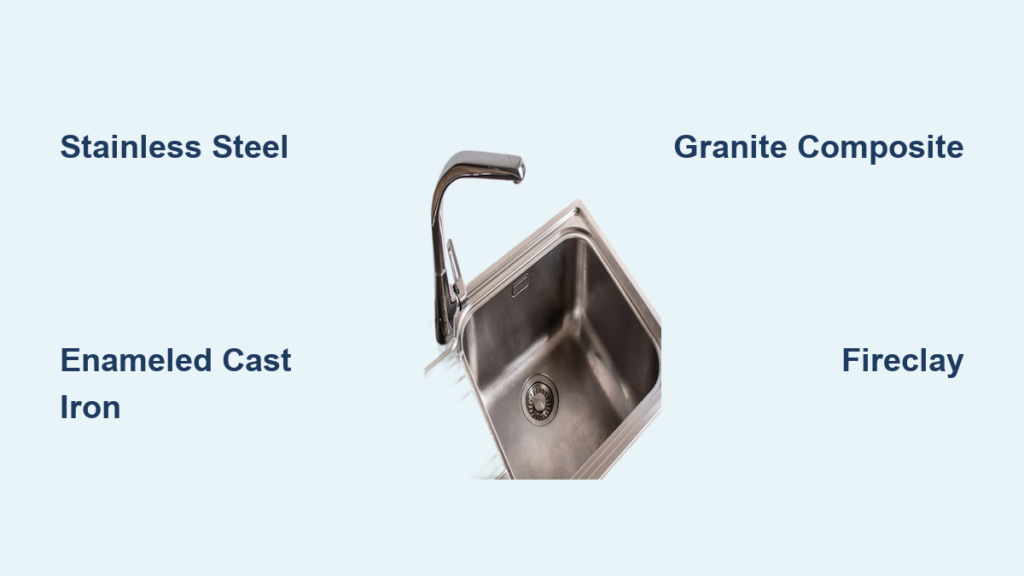
Your kitchen sink handles everything from boiling water to sharp knives and acidic sauces. Choosing the right material affects how your sink looks, performs, and holds up over time. With dozens of options available, picking one can feel overwhelming.
Understanding kitchen sink materials pros and cons helps you match the right sink to your cooking habits, design taste, and budget. This guide covers the most popular sink materials, their strengths, weaknesses, and long-term value. You’ll learn which ones resist scratches and stains, which need extra care, and which deliver the best balance of style and durability.
Stainless Steel Sinks

Stainless steel is the most common sink material in modern kitchens. It offers a clean, professional appearance and works well in both homes and commercial spaces.
Resists Heat and Impact
Stainless steel handles boiling water, hot pans, and heavy pots without cracking or warping. Most models use 16- to 18-gauge steel, and lower gauge numbers mean thicker, stronger material.
Easy to Clean and Maintain
A wipe with soapy water usually does the job. Fine scratches can be reduced with specialized cleaners or steel wool pads. Many sinks feature brushed or satin finishes that hide minor marks.
Affordable and Widely Available
Stainless steel costs less than premium materials and pairs with any countertop. Installation is straightforward, making it a practical choice for most kitchens.
Drawbacks:
– Shows water spots and fingerprints easily
– Can be noisy without sound-dampening pads
– Develops fine scratches over time
Best for: Families, renters, and high-traffic kitchens needing an affordable, durable option.
Enameled Cast Iron Sinks

Enameled cast iron brings a classic, glossy finish to traditional and farmhouse kitchens. It combines heavy-duty construction with timeless style.
Durable and Long-Lasting
The cast iron core offers excellent strength and heat retention. With proper care, these sinks can last for decades. The enamel coating resists stains and everyday corrosion.
Offers Rich Color Options
Unlike metal sinks, enameled cast iron comes in white, black, cream, and bold shades, giving you more design flexibility.
Quiet and Smooth Surface
The heavy base absorbs sound, so running water and clattering dishes are noticeably quieter.
Key concerns:
– Very heavy and requires strong cabinet support
– Enamel can chip from heavy impacts
– Chips expose iron underneath, which may rust if not sealed
Maintenance tip: Use non-scratch sponges and mild detergents. Avoid abrasive cleaners.
Best for: Homeowners who want a classic look and long-term durability, and who are willing to protect the surface from chips.
Solid Surface Sinks

Solid surface sinks are made from the same material as countertops, such as Corian. They create a seamless look that appeals to modern design lovers.
Seamless Design with Countertop
Because the sink and counter come from the same slab, there are no seams where dirt and bacteria can collect. This produces a minimalist, sleek appearance.
Repairable Surface
Minor scratches and burn marks can often be sanded out and polished. Damage isn’t always permanent.
Warm and Comfortable to Touch
The surface feels less cold and industrial than metal or stone, adding comfort during long prep sessions.
Limitations:
– Not heat-resistant and can scorch or melt from hot pans
– Prone to scratches and stains from oils or dyes
– Needs regular cleaning to keep its appearance
Avoid placing: Hot cookware directly in the basin.
Best for: Modern kitchens that value seamless design and light-to-moderate use.
Granite Composite Sinks

Granite composite sinks are made from crushed quartz mixed with resin. They rank among the toughest and most stylish options on the market.
Extremely Durable and Scratch-Resistant
These sinks resist chipping, scratching, and staining better than most materials. They hold up well in heavy-use kitchens.
Heat and UV Resistant
They handle hot pots easily and resist sun damage, making them great for sinks placed near windows.
Quiet and Non-Porous
The dense material dampens noise and prevents bacteria from settling into the surface, keeping the sink hygienic.
Downsides:
– Heavy and requires secure mounting
– Lower-quality composites may stain or fade
– Costs more than stainless steel
Cleaning tip: Use mild soap and water. Avoid bleach-based cleaners that can break down the material over time.
Best for: Homeowners who want a premium, low-maintenance sink with strong visual appeal.
Fireclay Sinks
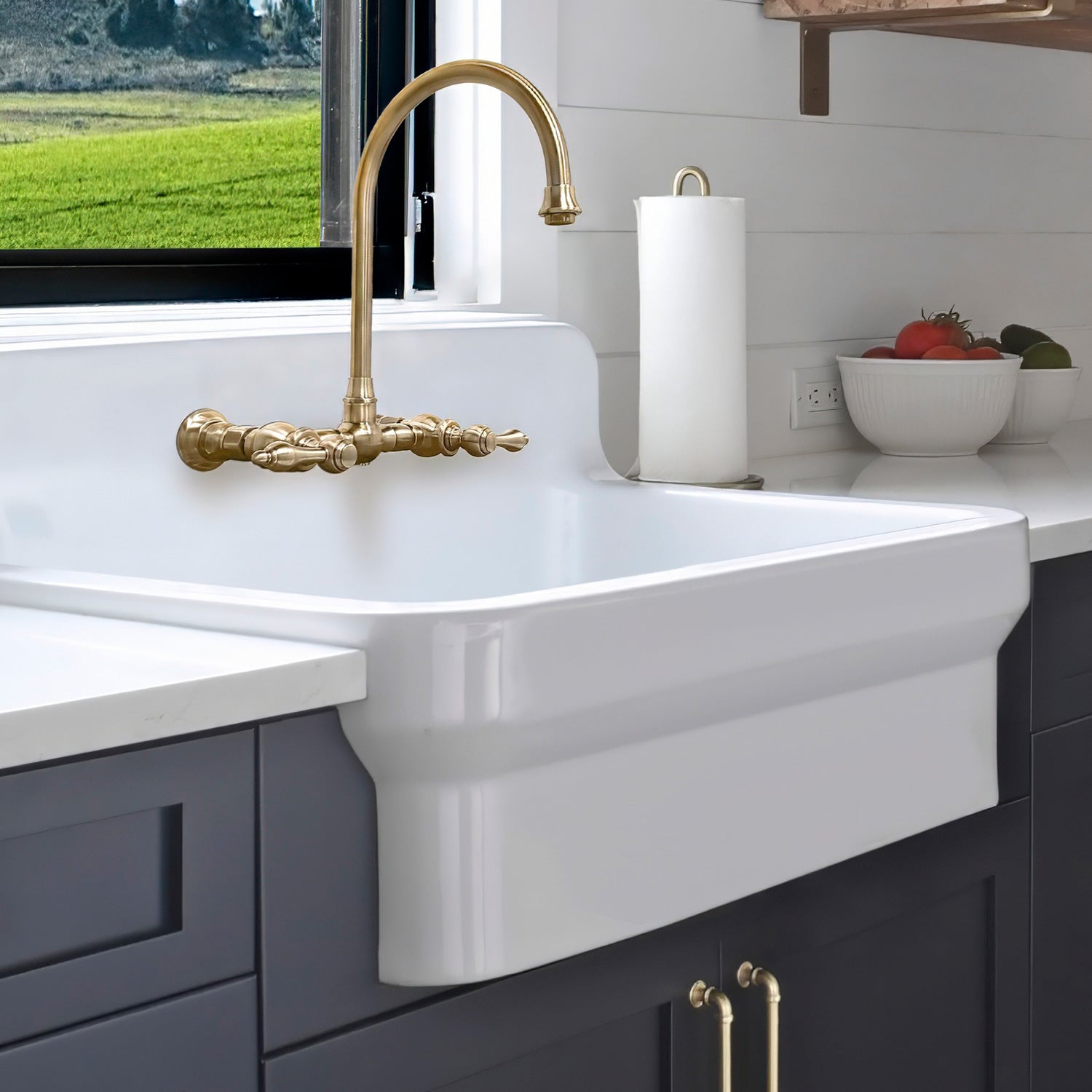
Fireclay sinks are handcrafted from clay fired at extremely high temperatures. They offer old-world charm and impressive durability.
Highly Resistant to Scratches and Stains
The glazed finish withstands cutting, scrubbing, and harsh detergents. It resists discoloration, even with long sun exposure.
Timeless Farmhouse Appeal
Often used in apron-front designs, fireclay sinks anchor rustic, country, and vintage kitchens beautifully.
Long Lifespan
With proper installation, these sinks can easily outlast the home itself.
Drawbacks:
– Very heavy and needs reinforced cabinetry
– Brittle and can crack under severe impact
– Higher cost due to skilled craftsmanship
Installation note: Must be supported from below because of the weight, often 150 lbs or more.
Best for: Design-focused kitchens where aesthetics and longevity matter most.
Copper Sinks
Hand-hammered copper sinks bring warmth, character, and a living finish to any kitchen. Each one develops its own unique look over time.
Naturally Antimicrobial
Copper naturally kills germs, making it a hygienic option for food prep areas.
Develops a Unique Patina
Copper oxidizes and darkens gradually, creating a one-of-a-kind finish. Some homeowners love this aging process, while others prefer to keep the original shine.
Handcrafted Beauty
Most copper sinks are artisan-made, offering distinctive textures and designs you won’t find in mass-produced options.
Maintenance needs:
– Requires regular polishing to maintain a bright finish
– Can dent from heavy impacts
– May react with acidic foods or cleaners
Care options:
– Polished finish: Needs frequent cleaning with copper-safe products
– Living finish: Left to age naturally, requiring minimal upkeep
Best for: Statement pieces in artisan or rustic kitchens where character matters more than perfection.
Acrylic Sinks
Acrylic sinks are made from molded plastic resins. They are lightweight and inexpensive, but they aren’t built for heavy daily use.
Inexpensive and Easy to Install
Low cost and light construction make these sinks accessible for DIY projects and temporary setups.
Can Mimic Other Materials
Available in colors and finishes that imitate stone or ceramic, giving you a custom look on a budget.
Major weaknesses:
– Scratches and gouges easily from sharp objects
– Not heat-resistant and can melt or warp under hot pans
– Degrades faster under UV light or harsh cleaners
Not recommended for primary kitchen sinks due to limited durability.
Best for: Utility sinks, rental properties, or temporary kitchens with light use.
Quick Comparison of Sink Materials
Use this table to compare key factors across all major sink types:
| Material | Durability | Heat Resistance | Maintenance | Cost | Best For |
|---|---|---|---|---|---|
| Stainless Steel | High | High | Low | $ | Everyday use, budget kitchens |
| Enameled Cast Iron | High | High | Medium | $$ | Traditional styles, long-term use |
| Solid Surface | Medium | Low | Medium | $$ | Seamless designs, modern looks |
| Granite Composite | Very High | High | Low | $$$ | Heavy-duty, stylish kitchens |
| Fireclay | Very High | High | Low | $$$ | Farmhouse sinks, design focus |
| Copper | Medium | High | High | $$$ | Decorative, artisan installations |
| Acrylic | Low | Low | Low | $ | Temporary or utility use |
Price key: $ = low, $$ = medium, $$$ = high
Choosing the Right Sink for Your Kitchen
Your cooking style, household size, and design preferences should guide your decision.
High-Traffic Kitchens Need Durability
If you wash large pots daily or run a busy household, granite composite and stainless steel are top choices. Both resist wear and need minimal maintenance.
Design Lovers Prioritize Aesthetics
For standout style, fireclay and copper sinks make bold statements. Expect higher costs and a need for careful handling.
Renters and Budget Shoppers Choose Practicality
Stainless steel and acrylic offer affordability and easy replacement. Stainless steel is far better for long-term daily use.
Want Low Maintenance?
Go with granite composite, fireclay, or enameled cast iron. These resist stains and only need basic cleaning to stay looking new.
Frequently Asked Questions About Kitchen Sink Materials
What is the most durable kitchen sink material?
Granite composite and fireclay are the most durable options. They resist scratches, stains, and heat better than most other materials and can last decades with proper care.
Are stainless steel sinks noisy?
Stainless steel can be noisy without sound-dampening pads. Many modern models include undercoating or rubber pads to reduce noise from running water and dropped dishes.
Which sink material is easiest to maintain?
Stainless steel, granite composite, and fireclay are the easiest to maintain. Routine wiping with mild soap and water keeps them clean, and they resist stains well.
Do copper sinks require a lot of upkeep?
Copper sinks need regular polishing if you want to keep the bright finish. If you prefer the natural patina, they require very little maintenance beyond basic cleaning.
Can I place hot pans directly in any sink?
Granite composite, fireclay, stainless steel, and copper can handle hot pans safely. Solid surface and acrylic sinks should never have hot cookware placed directly in them.
Which sink material is best for a budget kitchen?
Stainless steel offers the best balance of affordability, durability, and style for budget kitchens. Acrylic is cheaper but not suitable for heavy daily use.
Key Takeaways for Choosing the Best Kitchen Sink Material
The best sink material depends on how you use your kitchen. Stainless steel wins for versatility and value. Granite composite delivers top-tier durability with low maintenance. Fireclay offers timeless beauty and long life. Copper brings character and natural antimicrobial benefits. Enameled cast iron combines strength with classic style, while solid surface sinks excel in seamless modern designs. Acrylic works only for light or temporary use.
Before buying, evaluate your cooking habits, cleaning tolerance, and design vision. A quality sink can last 10 to 30 years, so choose one that fits both your lifestyle and your kitchen’s style. Once installed, proper care will keep it looking and performing like new for decades.