Choosing a new bathroom sink involves more than picking a shape or color. The material you select affects durability, maintenance, style, and long-term value. With dozens of options on the market, comparing bathroom sink materials pros and cons helps you avoid costly mistakes and find a fixture that fits your lifestyle.
This guide breaks down the most popular sink materials available today. You’ll learn how each one performs under daily use, what it costs, and which bathrooms it suits best. Whether you’re remodeling a powder room or designing a spa-like primary bath, understanding these differences ensures a confident, informed decision.
Porcelain-Over-Steel Sinks

Porcelain-over-steel combines affordability with reliable performance, making it a top pick for utility spaces.
Lightweight and Budget-Friendly
The steel core keeps the sink light and easy to install in standard vanity cutouts. The baked porcelain finish creates a smooth, non-porous surface that wipes clean in seconds. Most basic models cost between $50 and $150.
Because the material is light, you can swap one out without reinforcing your cabinetry.
Watch Out for Chips and Rust
The porcelain coating can chip if you drop heavy items, exposing raw steel underneath. Once the metal is exposed, moisture leads to rust. Stick to non-abrasive cleaners and avoid dragging metal objects across the basin.
- ✅ Affordable and widely available
- ✅ Lightweight for simple installation
-
✅ Smooth surface resists most stains
-
❌ Chips easily on impact
- ❌ Rusts when coating is compromised
- ❌ Limited shapes and color choices
Fireclay Sinks

Fireclay delivers timeless farmhouse charm with rock-solid durability.
Built to Withstand Heavy Use
Manufacturers fire clay and glaze at extremely high temperatures, producing a hard, non-porous surface. This sink handles hot curling irons, dropped bottles, and scrubbing without scratching or staining. It also keeps its glossy white finish for decades.
Heavy and Pricey Up Front
A fireclay sink often weighs more than 70 pounds. That weight demands reinforced cabinetry and, in many cases, professional installation. Prices typically range from $400 to $1,200, and undermount options are limited because of structural demands.
- ✅ Exceptional scratch and heat resistance
- ✅ Long-lasting glossy finish
-
✅ Classic, elegant look
-
❌ Heavy and hard to install
- ❌ Higher upfront cost
- ❌ Mostly available in white
Vitreous China
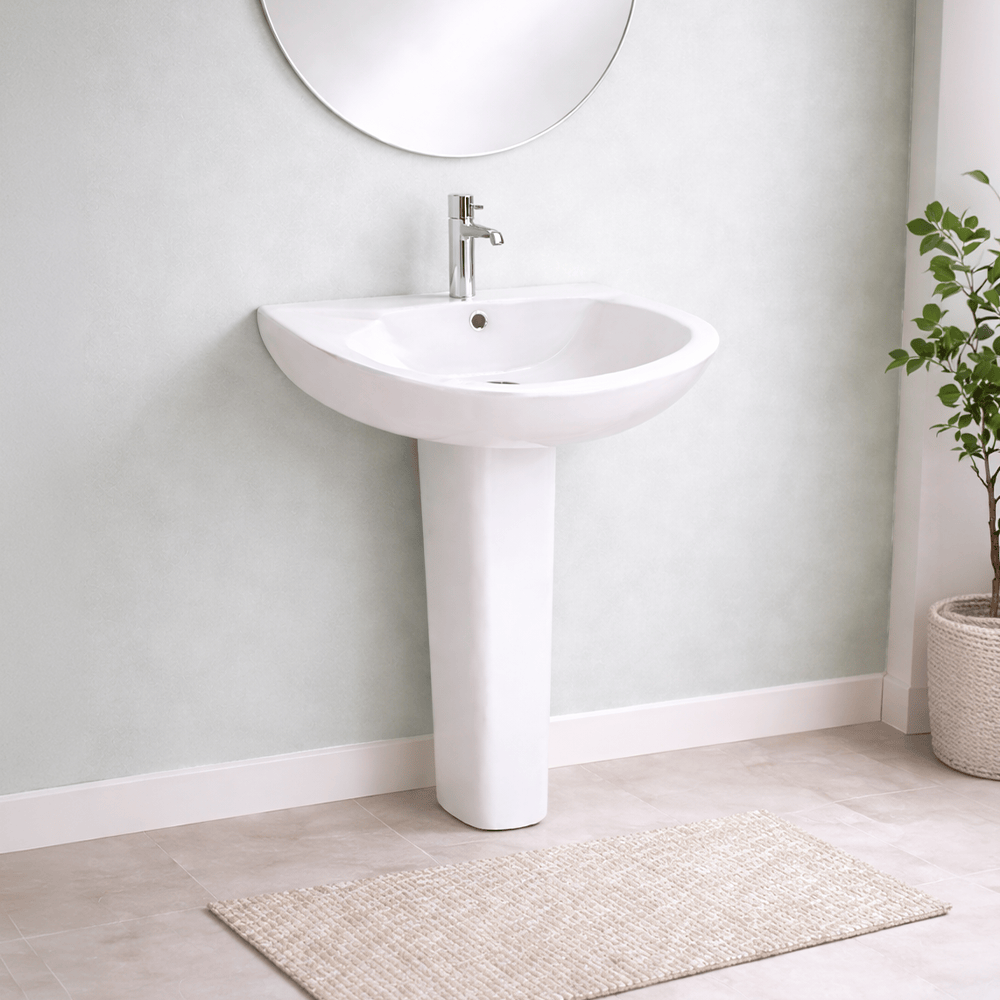
Vitreous china is a refined version of porcelain with a denser, more polished finish.
Stain-Resistant and Hygienic
Fired at higher temperatures than standard porcelain, vitreous china has a glass-like, non-porous surface. Bacteria, moisture, and stains have a hard time sticking, so cleanup takes just a wipe. It’s a common choice for pedestal and wall-mounted designs in traditional bathrooms.
Brittle Under Sharp Impact
The same density that creates a smooth finish also makes the sink brittle. A heavy glass bottle dropped into the basin can crack the surface, and repairs are nearly impossible. Avoid using the sink as a step stool or catch-all for heavy tools.
- ✅ Smooth, non-porous surface
- ✅ Strong stain and moisture resistance
-
✅ Ideal for pedestal and vintage styles
-
❌ Cracks under heavy impact
- ❌ Limited modern shapes
- ❌ Heavy in pedestal form
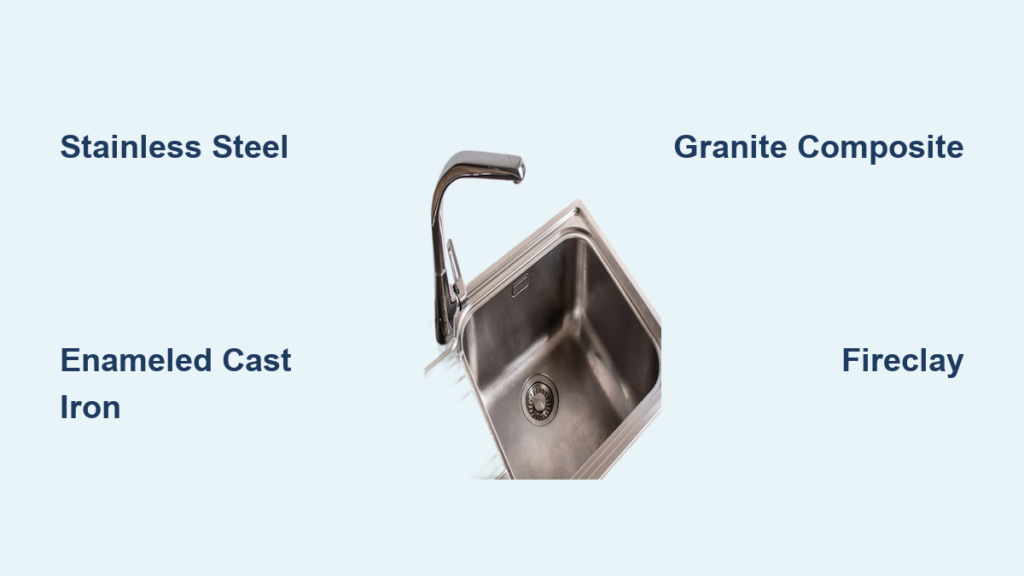
Stainless Steel Sinks
Stainless steel works in modern, industrial, and commercial-style bathrooms.
Handles Abuse Without Damage
This metal resists corrosion, heat, and chemical cleaners. It won’t crack, warp, or stain, and minor scratches can often be buffed out. With a price range of $100 to $300, it’s a durable mid-range option.
Shows Every Fingerprint and Water Spot
A polished stainless finish highlights smudges and water marks. Brushed textures hide wear better but still need frequent wiping. Without sound-dampening pads, water running into the basin can be noisy.
- ✅ Extremely durable and rustproof
- ✅ Lightweight and easy to install
-
✅ Sanitizes quickly
-
❌ Shows fingerprints and water spots
- ❌ Can sound hollow or loud
- ❌ Scratches over time
Natural Stone Sinks

Granite, marble, and travertine create one-of-a-kind luxury pieces.
Unique Beauty and Strength
Each stone sink has its own veining and color pattern, so no two are alike. Granite stands up to heat and scratches better than most options. Stone adds real estate value and creates a custom, high-end aesthetic.
Demands Regular Sealing
Stone is porous and soaks up toothpaste, makeup, and hair dye without a proper seal. You’ll need to apply sealant every 6 to 12 months and avoid acidic cleaners like vinegar, which etch marble and limestone. Repairs usually require a professional.
- ✅ One-of-a-kind appearance
- ✅ Heat and scratch resistant
-
✅ Boosts home value
-
❌ Expensive ($800 to $2,500 and up)
- ❌ Needs regular sealing
- ❌ Hard to repair if damaged
Solid Surface Sinks
Solid surface sinks blend acrylic or polyester resins with mineral fillers for seamless style.
Seamless and Easy to Repair
You can mold the material into a single integrated basin and countertop with no seams. That design prevents mold and grime buildup. Light scratches and burns sand out easily, restoring the original finish.
Sensitive to Heat and Sharp Objects
The resin base can scorch if you set a hot curling iron directly on the rim. Sharp razors or knives may leave marks, though most damage buffs out with fine sandpaper. Prolonged UV exposure can cause slight yellowing.
- ✅ Seamless, hygienic design
- ✅ Scratches sand out
-
✅ Many colors and shapes available
-
❌ Not heat resistant
- ❌ Scratches under sharp items
- ❌ May yellow in sunlight
Glass Sinks

Glass sinks turn a bathroom into a design showcase.
Stunning Visual Impact
Available in clear, frosted, colored, and back-painted finishes, glass sinks suit modern and spa-inspired bathrooms. The non-porous surface resists stains when properly sealed.
Fragile and High Maintenance
Glass chips and cracks under hard impact. It also shows every water spot and fingerprint, so you’ll wipe it down daily. Tempered glass adds strength, but it still can’t match the durability of stone or metal.
- ✅ Bold, artistic look
- ✅ Custom colors and shapes
-
✅ Non-porous when sealed
-
❌ Chips and cracks easily
- ❌ Needs daily wiping
- ❌ Limited plumbing support
Composite Sinks
Composite sinks mix quartz, granite dust, or acrylic with resin binders.
Durable and Design-Friendly
Composite resists scratches, stains, and heat better than many natural and solid surface options. The material looks like stone without the heavy weight, and colors stay consistent without sealing.
Quality Varies by Brand
Lower-cost composites may stain when exposed to hair dye or harsh chemicals. Prices range from $400 to $900, and repairs are limited compared to solid surface.
- ✅ Strong scratch and stain resistance
- ✅ Lightweight compared to stone
-
✅ Wide color selection
-
❌ Cheap models stain easily
- ❌ Limited repair options
- ❌ Mid-to-high price range
Summary: Choosing the Right Sink Material
Weighing bathroom sink materials pros and cons comes down to your priorities: budget, durability, style, and maintenance.
Match the Material to Your Space
- Busy family bathrooms: Stainless steel, fireclay, or composite.
- Luxury primary suites: Natural stone or glass.
- Budget remodels: Porcelain-over-steel or vitreous china.
- Modern designs: Solid surface or composite.
Think About Long-Term Costs
Cheap materials may save money upfront but require more care. Fireclay and stainless steel often last 20 years or more with minimal effort. Stone and glass look stunning but need sealing and frequent cleaning.
Inspect Before You Buy
View samples in person when possible. Check the finish under bathroom lighting, lift the sink to gauge weight, and confirm cabinetry can support heavier options like fireclay or stone.
When you balance bathroom sink materials pros and cons carefully, you’ll end up with a sink that matches your design vision, holds up to daily use, and fits your budget for years to come.
Frequently Asked Questions About Bathroom Sink Materials
What is the most durable bathroom sink material?
Fireclay and stainless steel are among the most durable options. Fireclay resists chips, scratches, and heat, while stainless steel handles impact and corrosion without cracking. Both can last 20+ years with basic care.
Which bathroom sink material is easiest to clean?
Vitreous china and solid surface sinks are the easiest to maintain. Their non-porous surfaces resist stains and bacteria, so a quick wipe with mild soap keeps them looking new. Avoid abrasive pads on either material.
Are glass bathroom sinks practical for everyday use?
Glass sinks work in low-traffic powder rooms or guest baths. They look stunning but require daily wiping to remove water spots and fingerprints. Avoid using them as the main sink in a busy family bathroom.
Do natural stone sinks need sealing?
Yes. Granite, marble, and travertine are porous and require sealing every 6 to 12 months. Without sealant, toothpaste, makeup, and acidic cleaners can stain or etch the surface permanently.
What is the cheapest bathroom sink material?
Porcelain-over-steel is typically the most affordable, with prices starting around $50. Vitreous china is slightly more expensive but still budget-friendly and offers better long-term durability.
Can I install a fireclay sink myself?
Most homeowners should hire a professional. Fireclay sinks often weigh more than 70 pounds and need reinforced cabinetry. Improper installation can damage the sink or your vanity.
Final Thoughts on Selecting the Right Bathroom Sink Material
Choosing the right sink material shapes how your bathroom looks, functions, and ages. Focus on three factors: durability for daily use, maintenance you can keep up with, and a style that fits your design vision. Materials like fireclay and stainless steel offer long-term reliability, while natural stone and glass deliver unmatched beauty for luxury spaces.
Before making a final choice, visit a showroom to see finishes in person, test the weight, and confirm installation needs. Pair your material with a faucet and countertop that complement both its strengths and its care requirements. With the right pick, your new sink will serve your home beautifully for decades.